A good hiking daypack is less about carrying everything and more about carrying the right essentials when the trail changes its mind. I plan gear the same way I plan events: a little preparation prevents a lot of scrambling.
I use the same principle behind professional timelines and emergency kits: pack the items that solve real problems. The National Park Service Ten Essentials system remains a useful foundation for navigation, hydration, protection, light, first aid, food, tools, and shelter.
Lightweight Hiking Daypack
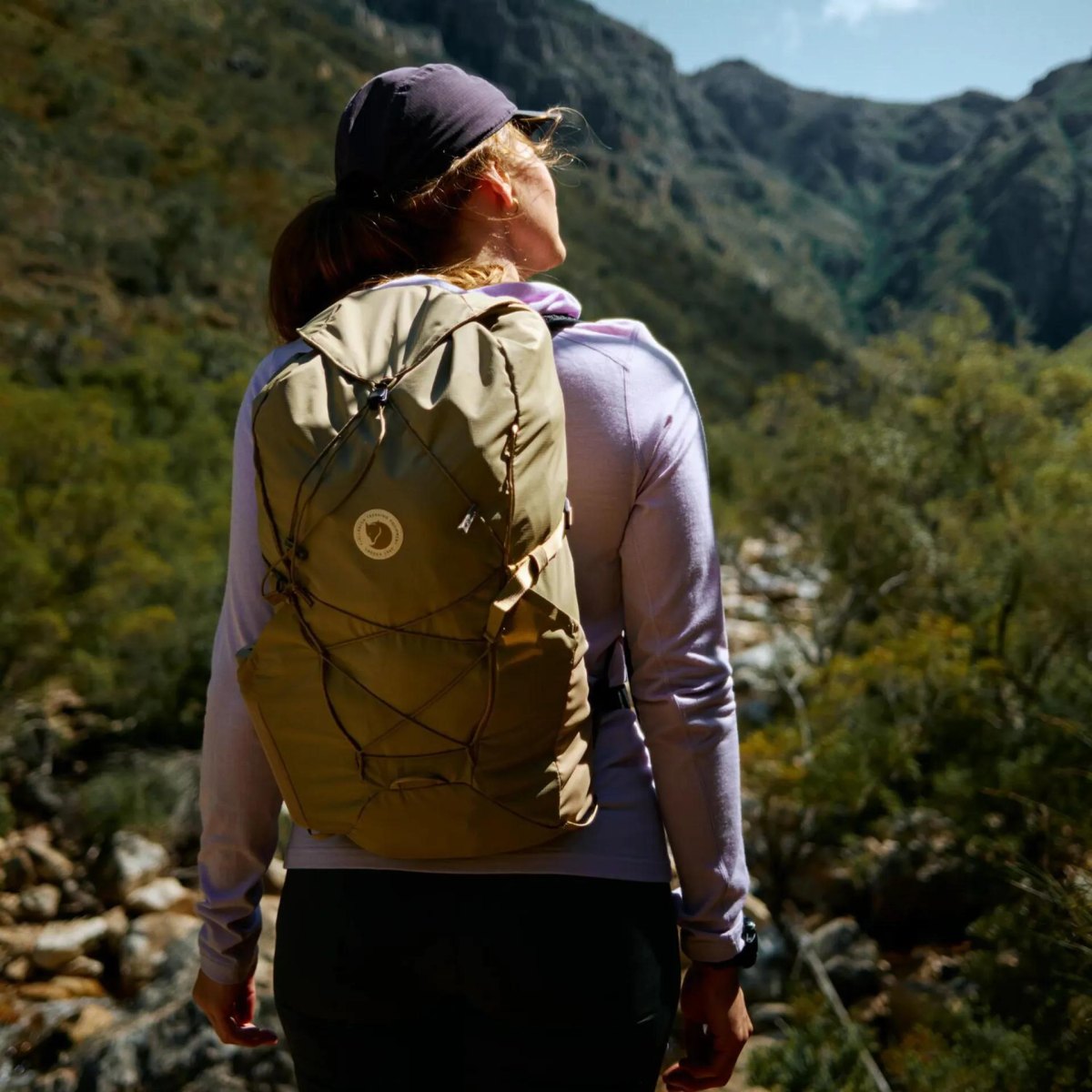
I start every hike with the pack itself because the bag is the foundation. A comfortable lightweight daypack should fit your body, hold your essentials, and avoid becoming a portable junk drawer. REI notes that smaller daypacks are designed to carry items like layers, snacks, and first aid supplies for day hikes.
Hydration System and Water Bottles
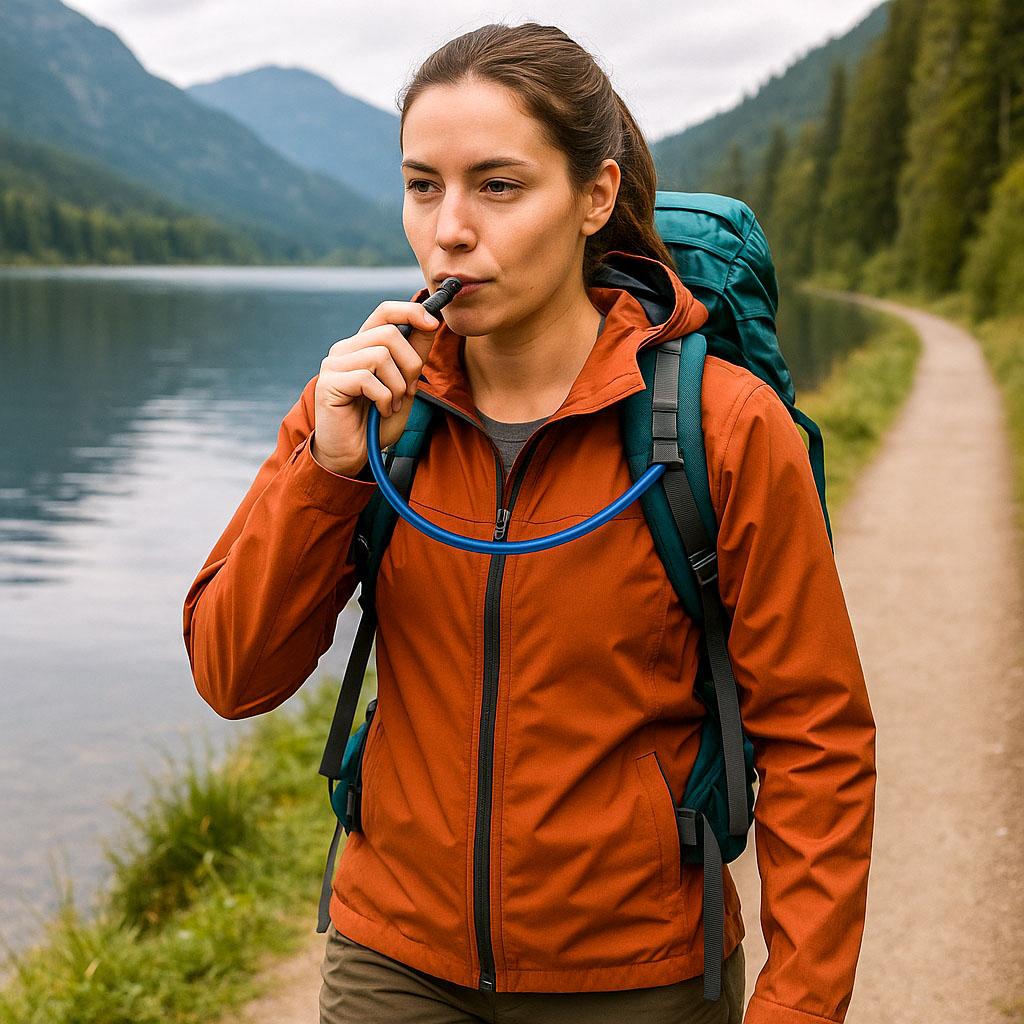
I never treat water as an afterthought. My rule is simple: pack a reliable hydration setup that matches the route, weather, and effort level. The NPS lists hydration and water treatment supplies among the Ten Essentials because unexpected delays happen.
Navigation Tools and Trail Maps
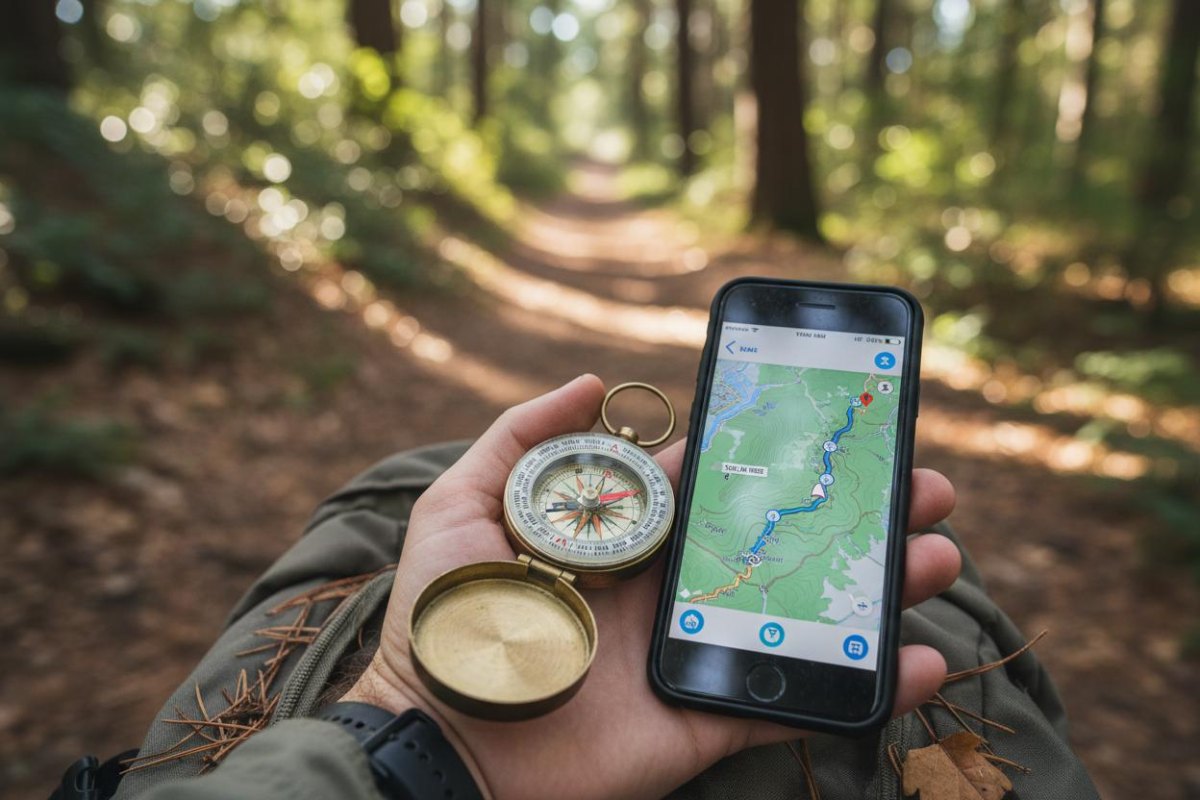
Even familiar trails deserve a backup plan. I pack maps and navigation tools because phones lose signal and batteries disappear at the worst possible moment. A paper map, compass, or GPS device works best when you already know how to use it.
Weather Protection Layers
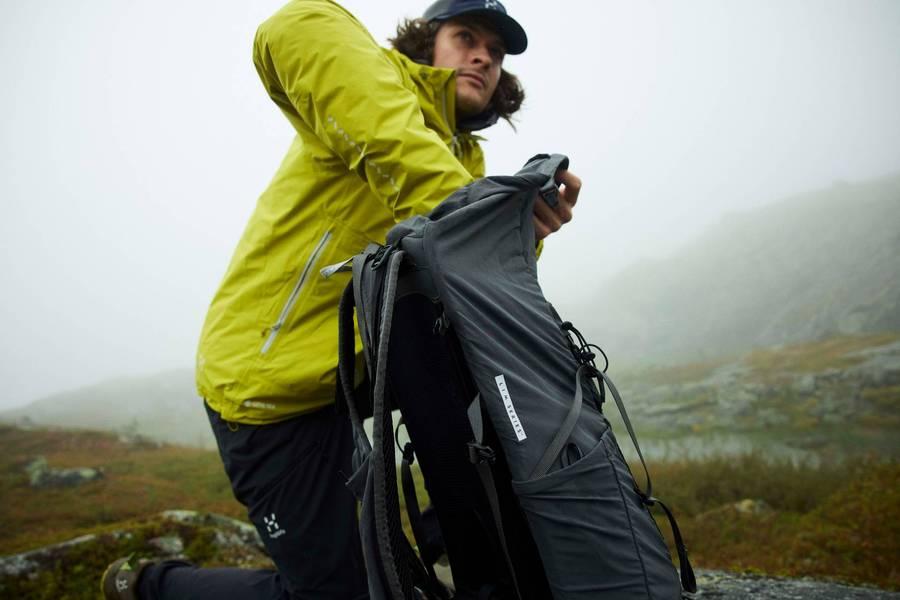
Weather is the one guest that never RSVPs. I keep light protective layers ready because a sunny morning can become a cold afternoon quickly. Extra clothing and rain protection are part of the essential systems recommended by hiking organizations.
Trail Snacks and Energy Foods
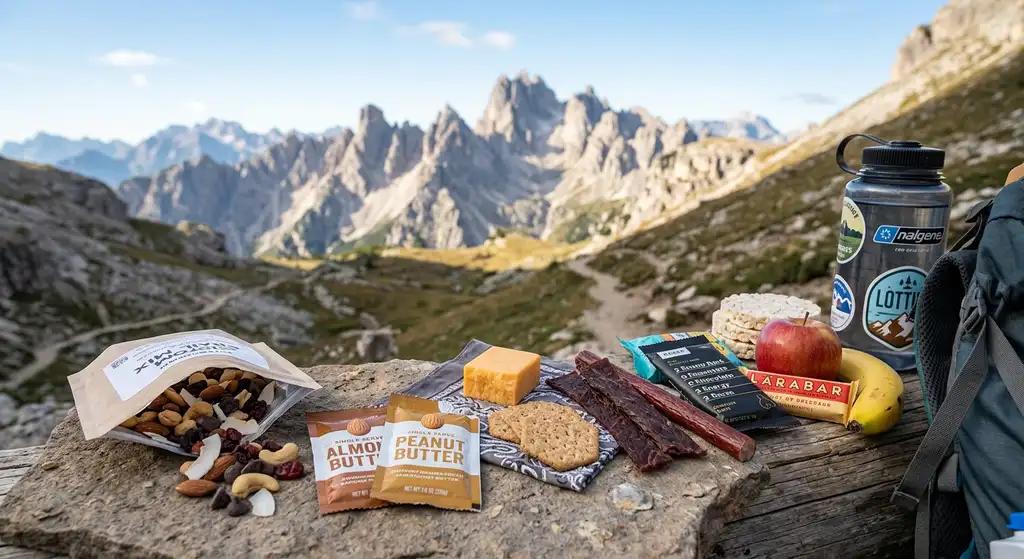
I pack food the way I plan a reception menu: practical first, fancy second. Compact trail snacks like nuts, bars, and dried fruit provide easy energy without taking over the pack. Extra food is recommended because hikes rarely follow a perfect timeline.
First Aid Kit Essentials
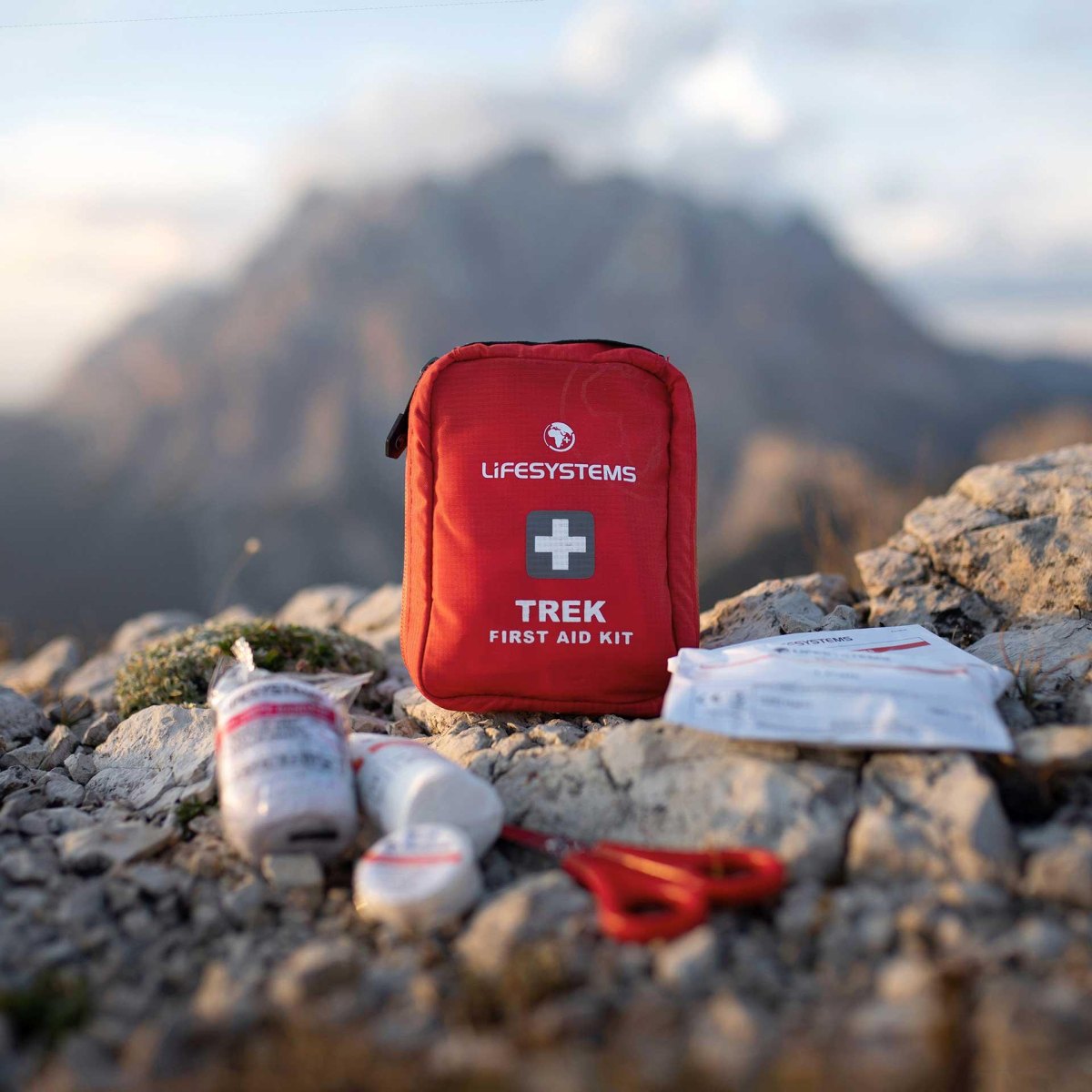
I prefer a small prepared first aid kit over carrying a giant medical bag. Check supplies before trips and replace anything expired.
Sun Protection Gear
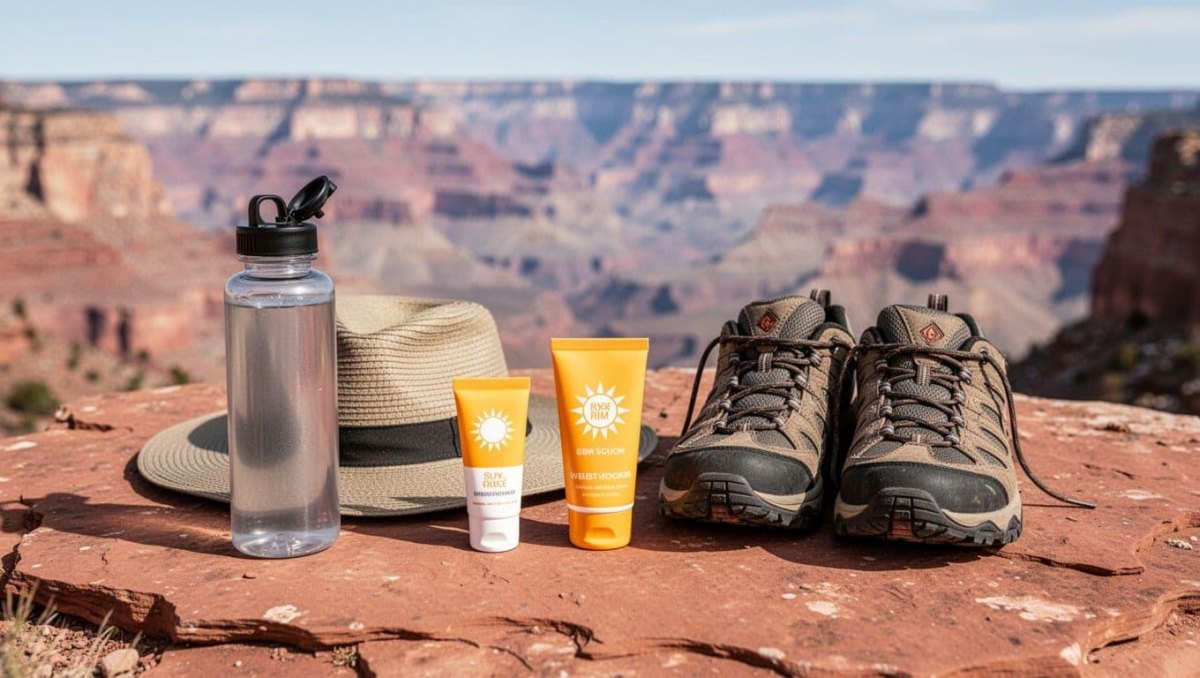
I consider sunscreen and sunglasses as basic trail etiquette for myself. Sun protection essentials including a hat, sunscreen, and eye protection help during exposed hikes.
Headlamp and Emergency Lighting
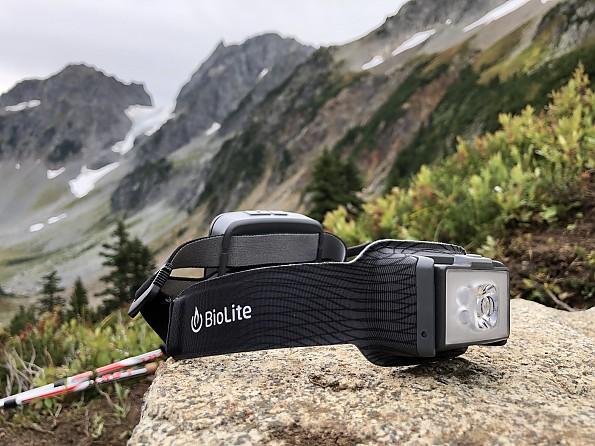
I learned from event work that backup lighting saves the moment. A compact headlamp belongs in a daypack because it leaves your hands free and provides security if plans run late.
Multi-Tool and Repair Supplies
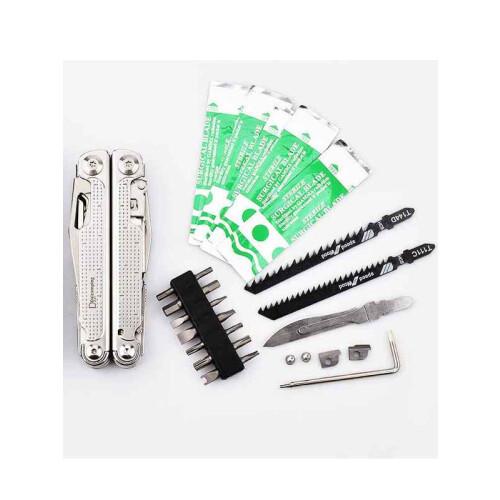
A loose strap or broken buckle can turn into a headache. I carry simple repair supplies like a multi-tool and small fixes because prevention is easier than improvisation.
Trekking Poles and Support Accessories
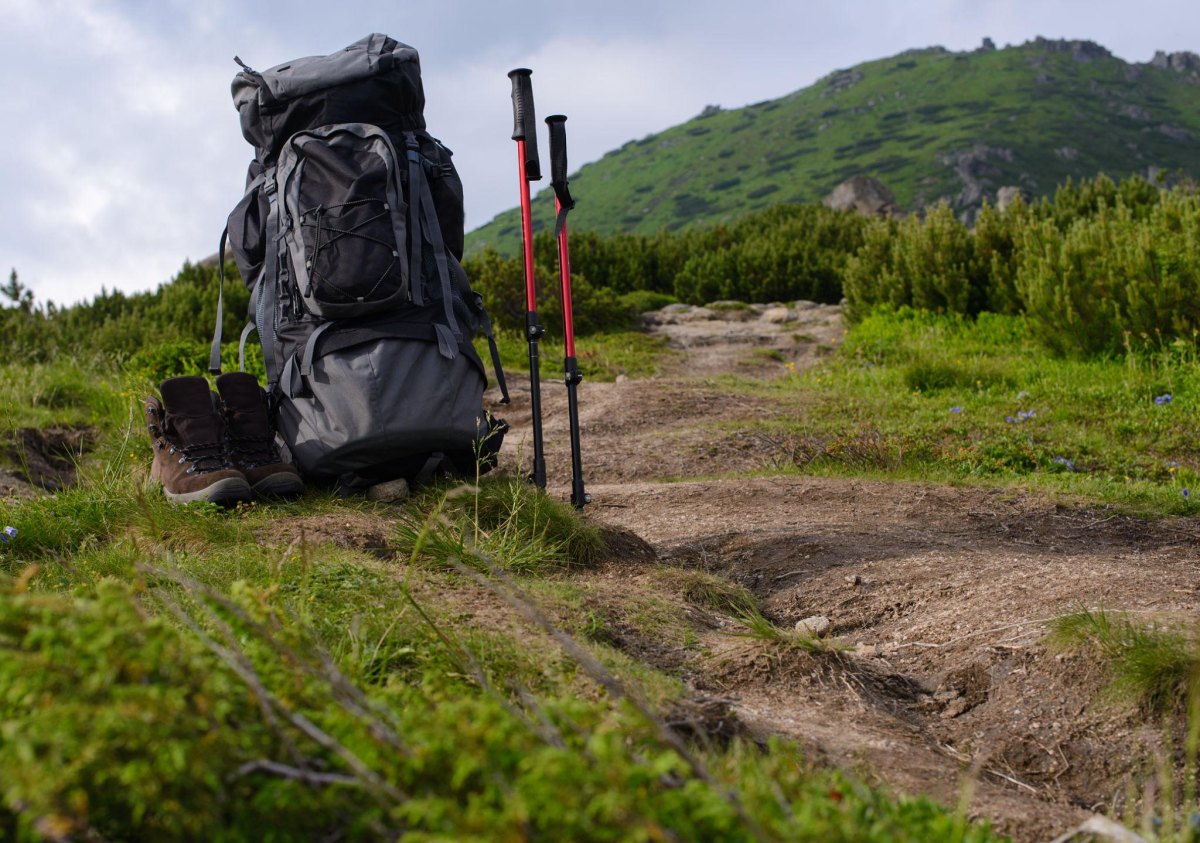
I do not bring poles on every walk, but on steep routes they are wonderful. Trekking pole support can improve stability and make long sections feel more manageable.
Emergency Shelter and Warmth Items
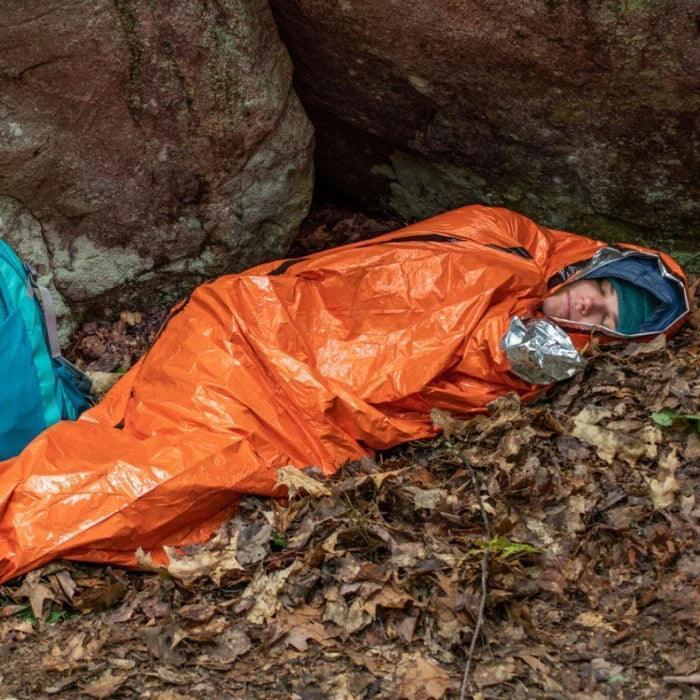
I think of emergency gear like a wedding emergency kit: hopefully untouched, always present. A lightweight emergency shelter such as a space blanket can provide valuable protection.
Personal Hygiene and Waste Supplies
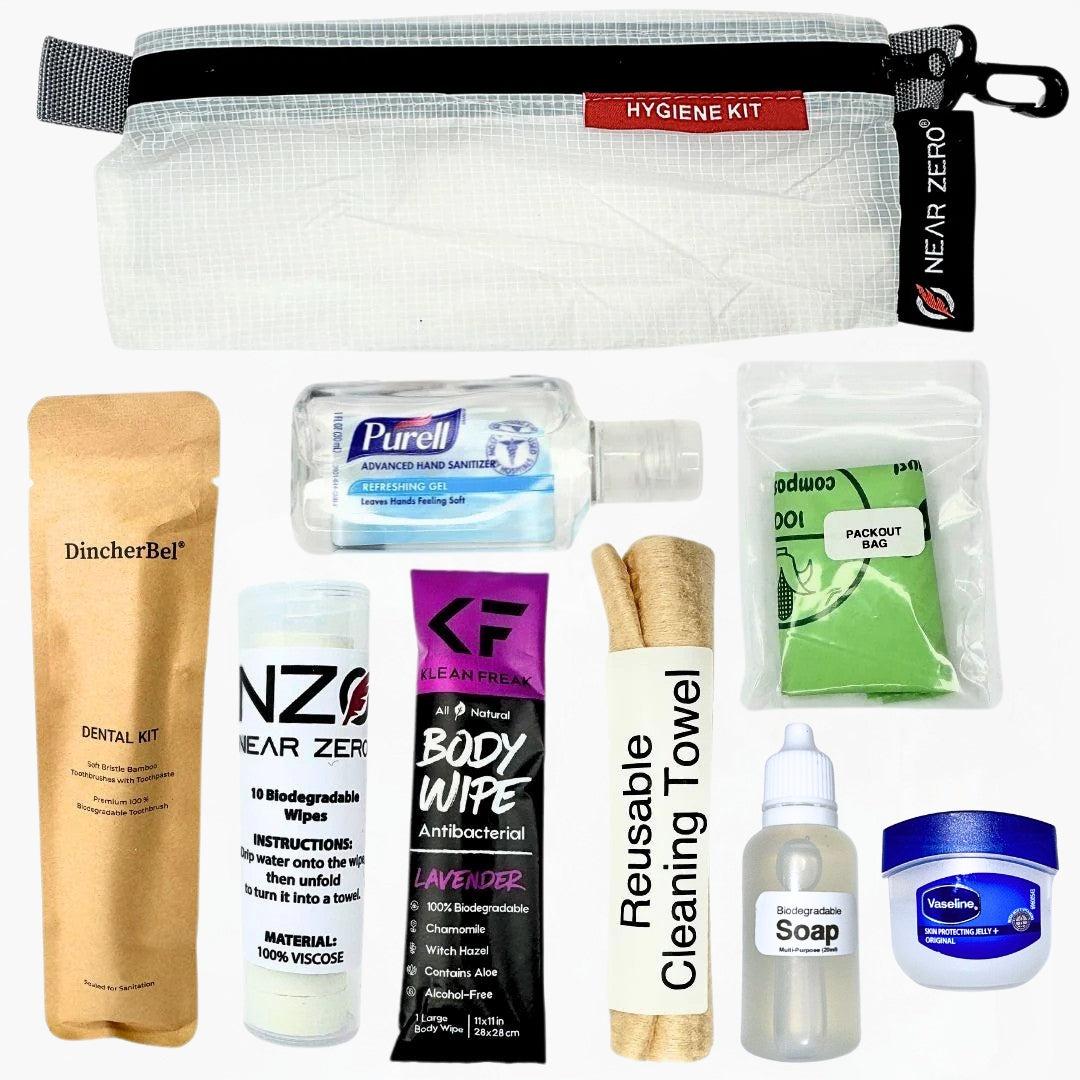
Good trail manners are part of good planning. I keep hygiene and waste supplies ready so I can leave the trail cleaner than I found it.
Camera and Trail Documentation Gear
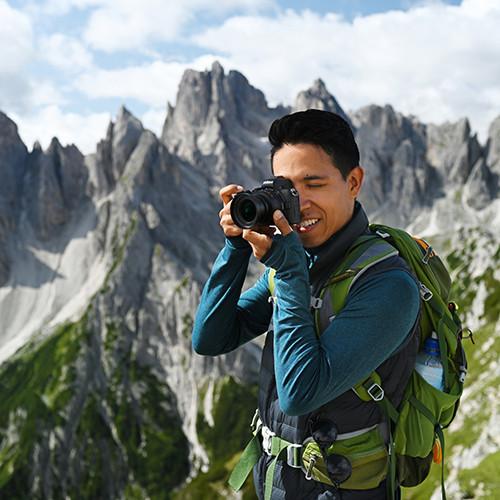
I love a beautiful trail moment captured well. A small camera setup is worth packing when it fits your priorities and does not crowd out safety gear.
Extra Clothing and Spare Accessories
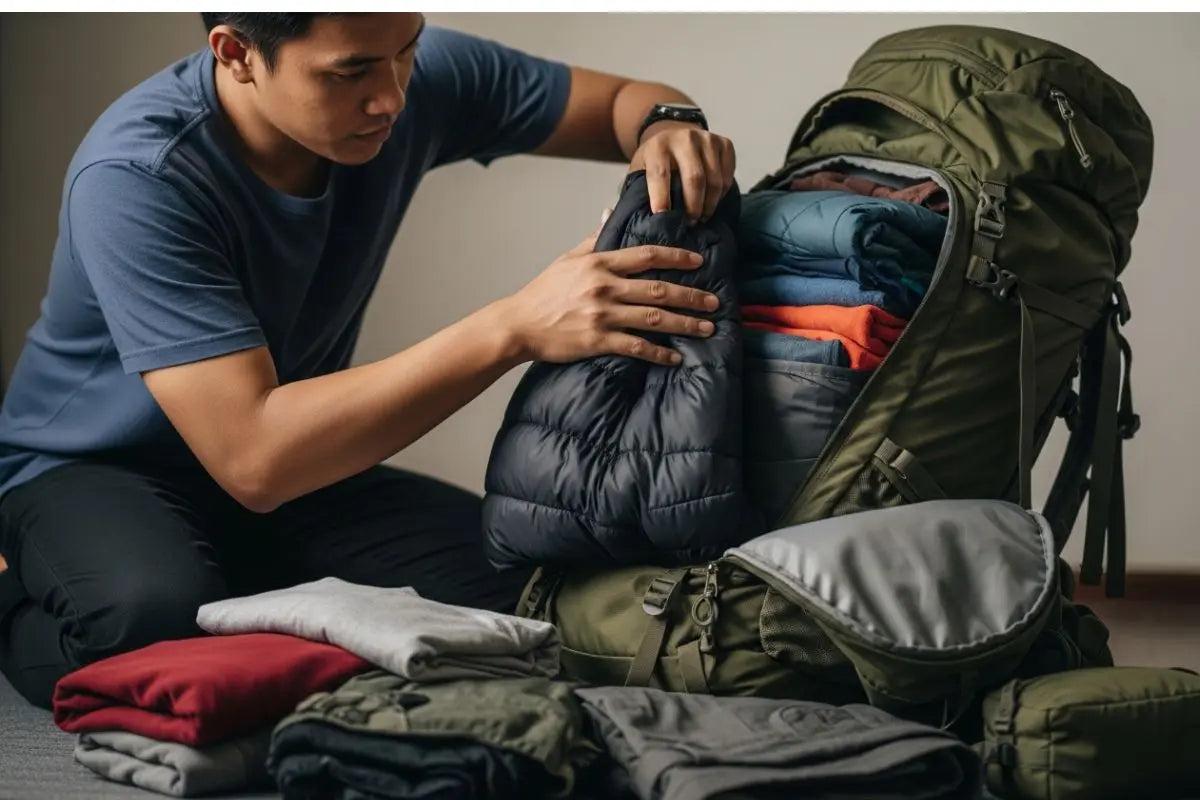
I pack extras strategically, not emotionally. Useful spare clothing means an additional layer or socks that solve a real problem without weighing me down.
Pack Organization and Weight Distribution
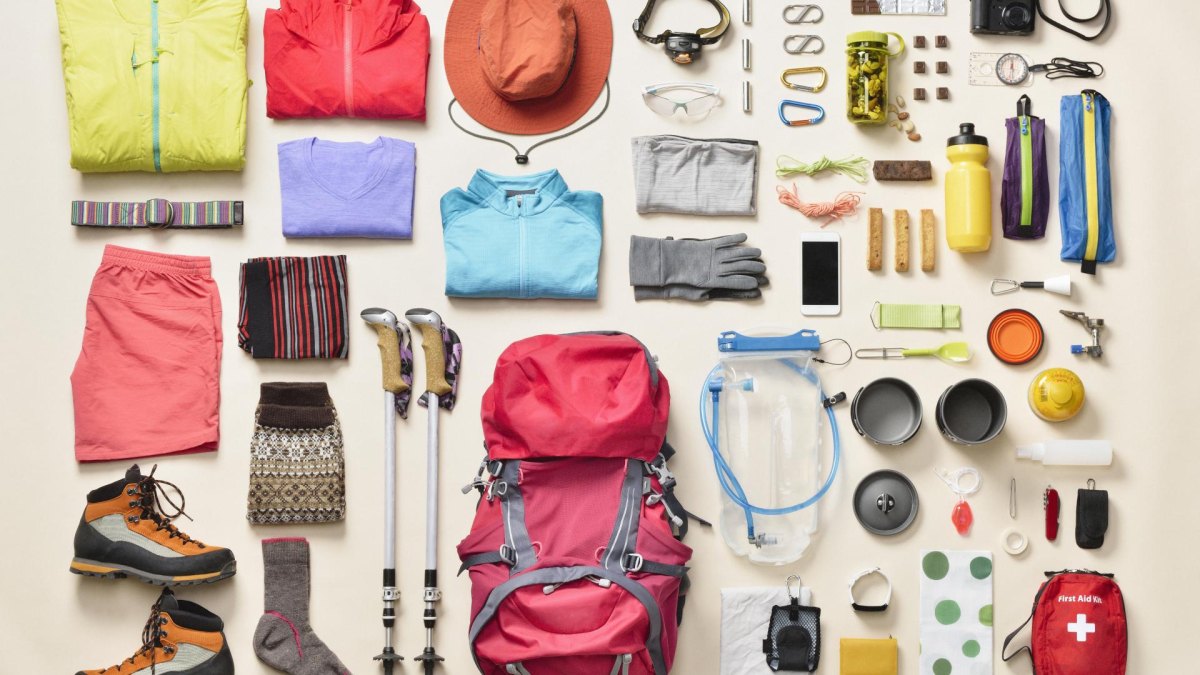
My packing tip
Keep frequently used items accessible instead of buried at the bottom.
I organize my daypack like a timeline: what I need first goes where my hand naturally reaches. Smart weight distribution keeps the hike comfortable and prevents frantic searching.