Winterizing a full-time RV is less about panic and more about having a calm, realistic timeline. After years of building event schedules where one missed detail can create a domino effect, I approach RV winter prep the same way: protect the essentials first, then handle the details.
I like a plan that lets you enjoy the last crisp autumn mornings instead of crawling around your rig in freezing weather. These steps focus on the systems that take the biggest hit from cold temperatures, especially water lines and moisture control, so your RV is ready when the road calls again.
Drain the Fresh Water Tank Before Winter Storage
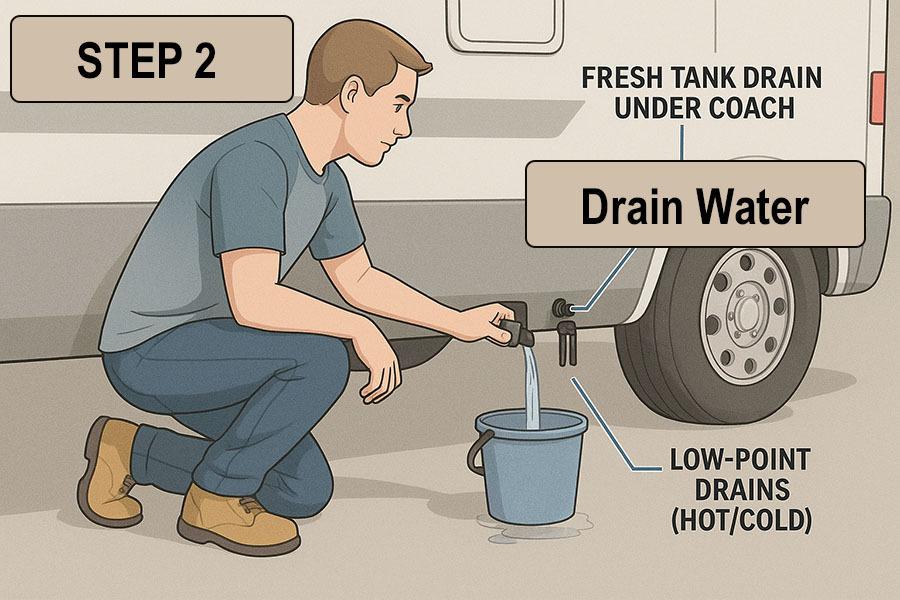
The first item on my winter checklist is always the fresh water tank. Standing water expands when it freezes, and that pressure can damage tanks, fittings, and connections. I start with a complete drain before moving to the rest of the plumbing process.
I treat this like setting a wedding timeline: the foundation has to happen first. A rushed drain can leave hidden pockets of water behind, so I give the system time to empty fully and check the tank drain valves before moving on.
Flush and Protect the RV Plumbing System
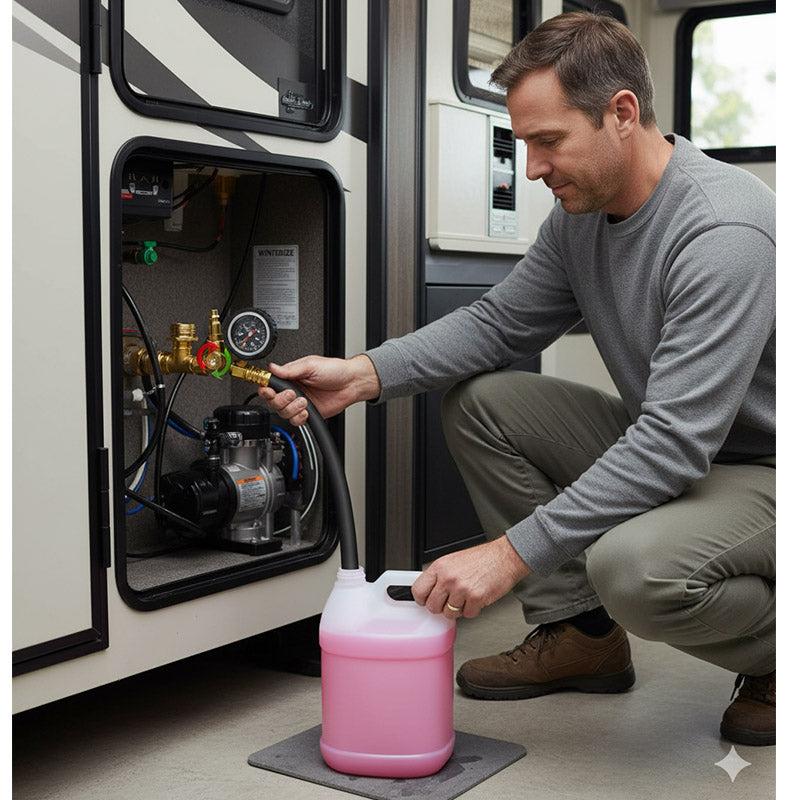
Once the fresh tank is empty, I flush the plumbing system to remove leftover water and residue. The goal is a clean, dry network of pipes before temperatures drop.
I recommend working through every faucet, shower line, and toilet connection because hidden plumbing water is where winter damage often begins. A careful flush now saves a frustrating repair later.
Use RV Antifreeze Correctly in Water Lines
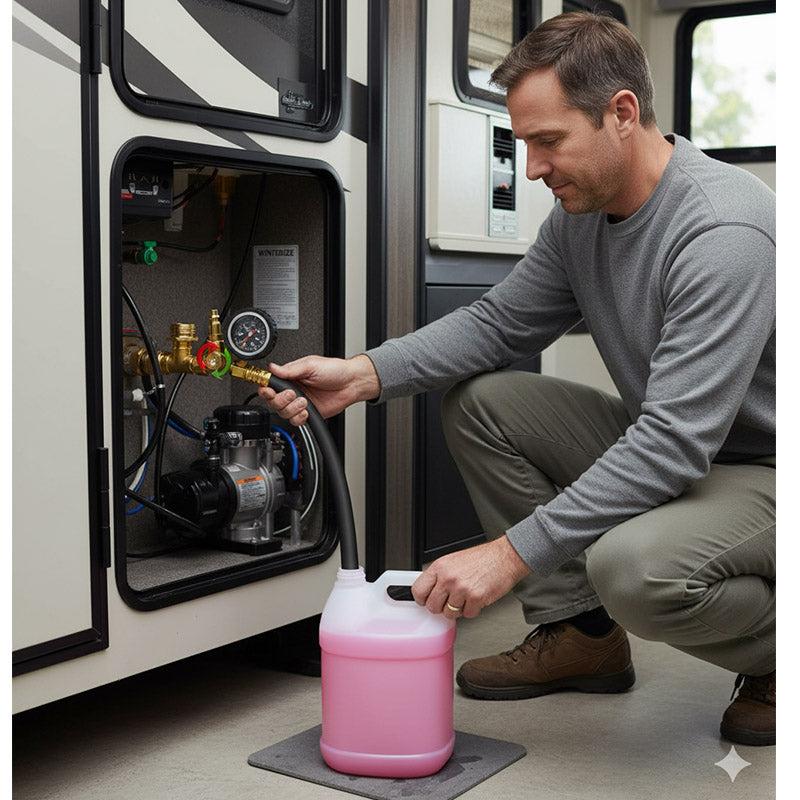
RV antifreeze is one of those supplies where buying the right product matters. I use only products designed for RV plumbing and follow the manufacturer's instructions instead of guessing.
The important part is getting antifreeze throughout the system, not simply pouring some into a tank. Proper circulation protects interior water lines during freezing weather.
Protect the RV Water Heater From Freeze Damage
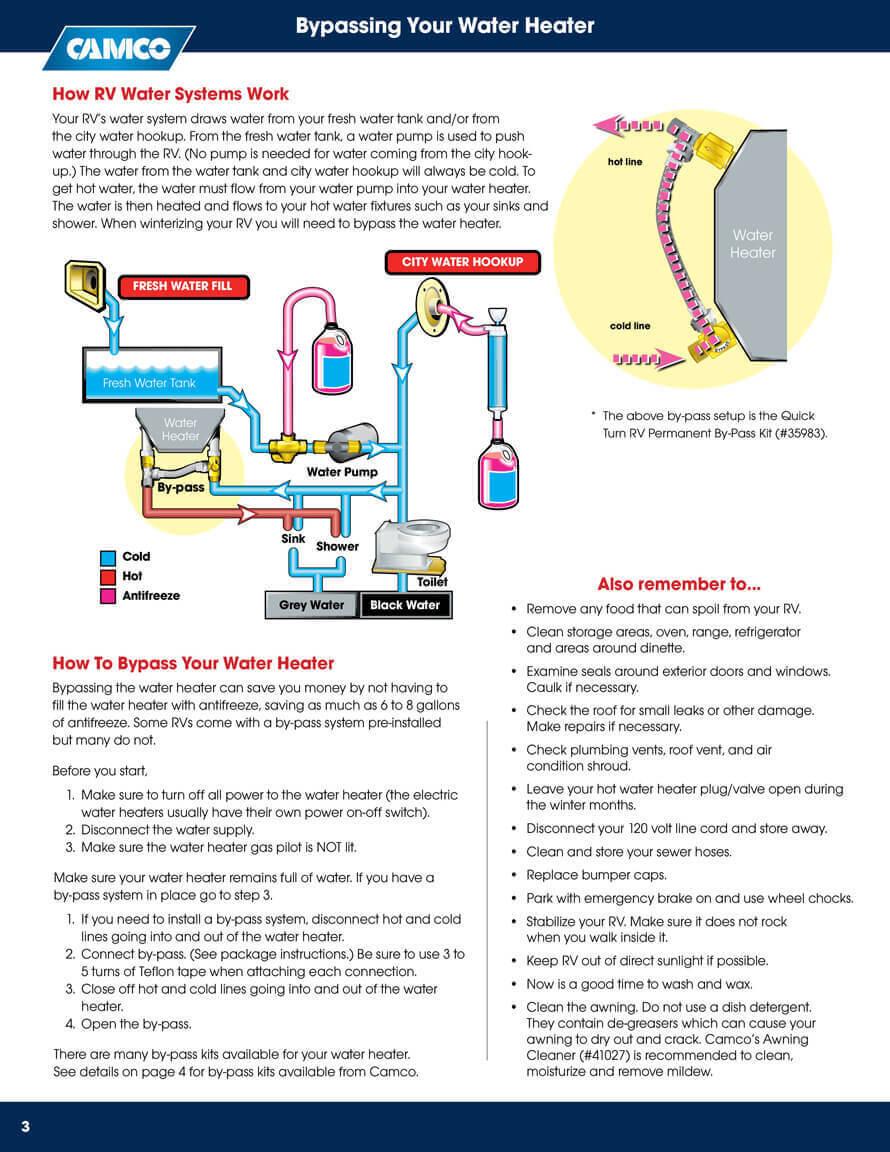
The water heater deserves its own spot on the checklist because it is expensive and easy to overlook. I drain it, let it cool completely, and use the correct bypass process before adding antifreeze.
One small reminder from my planner brain: never skip the instructions for your exact model. A few minutes checking the manual can protect the water heater components from costly damage.
Cover Exterior RV Plumbing Connections
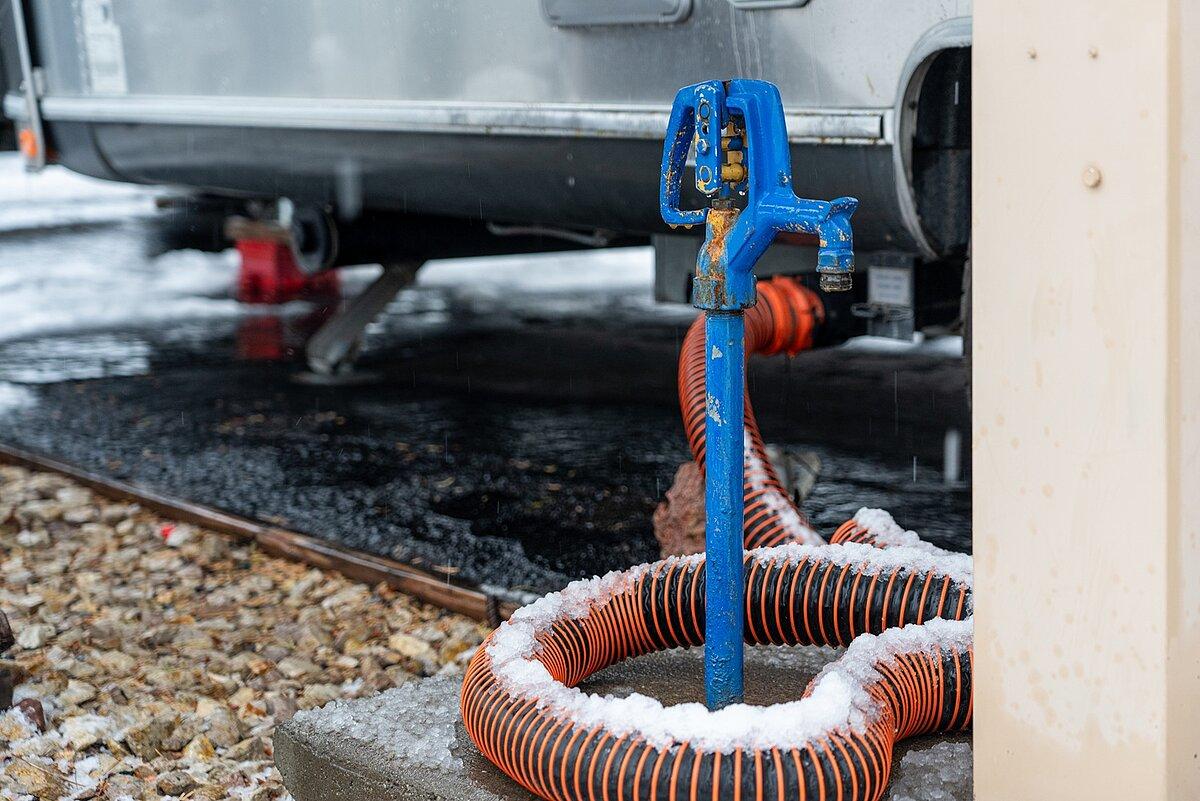
Exterior connections face wind, moisture, and freezing temperatures, so I give them extra attention. Hoses, fittings, and exposed valves should be protected after the main plumbing work is complete.
I think of these areas like outdoor wedding décor: the little pieces are often the first to suffer from weather. Protecting exposed plumbing fittings keeps small problems from becoming major repairs.
Seal RV Windows Doors and Exterior Gaps
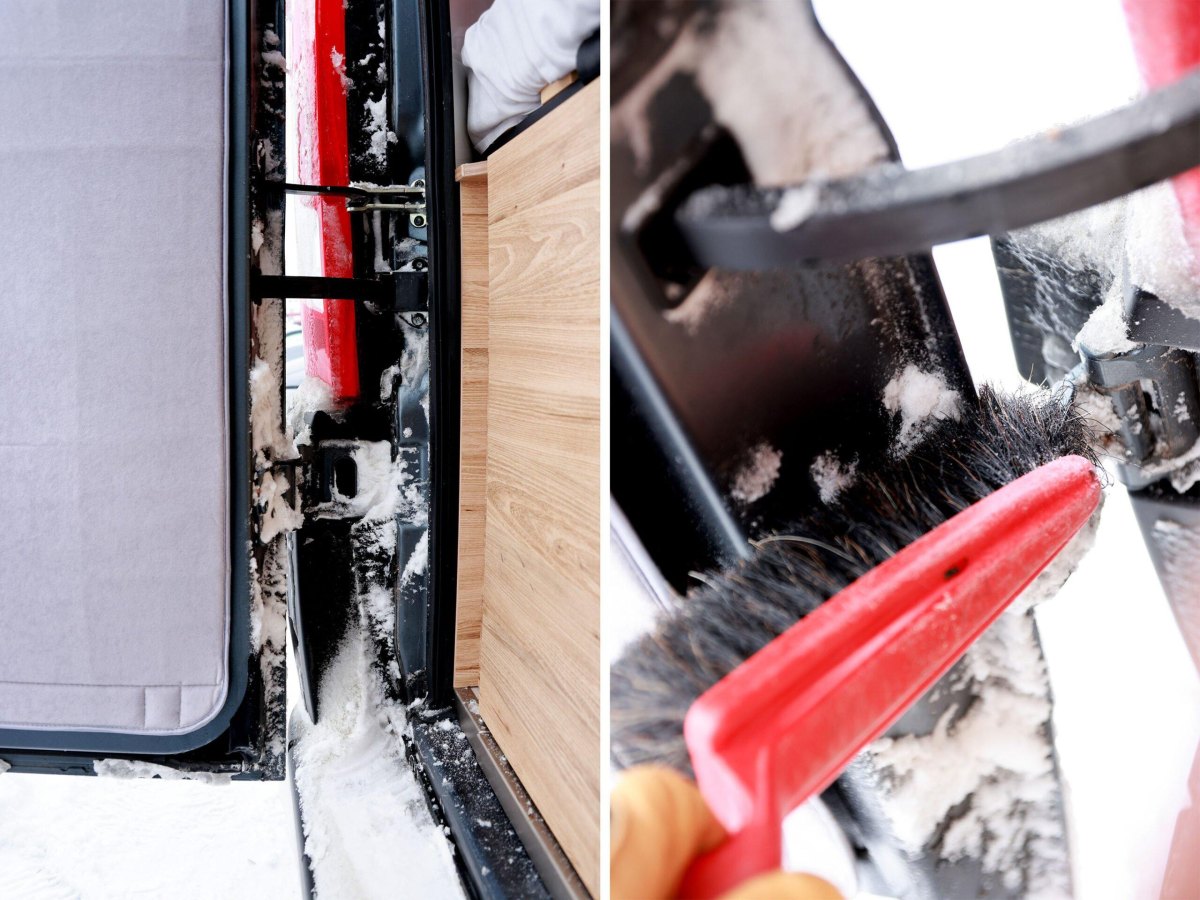
Cold air finds every tiny opening, and an RV has plenty of seams to inspect. I check window seals, door sweeps, and exterior openings before the first hard freeze.
A comfortable winter RV starts with good insulation habits. Checking weather seals and gaps also helps reduce energy use if you continue living in your rig.
Inspect and Protect the RV Roof Before Snow Season
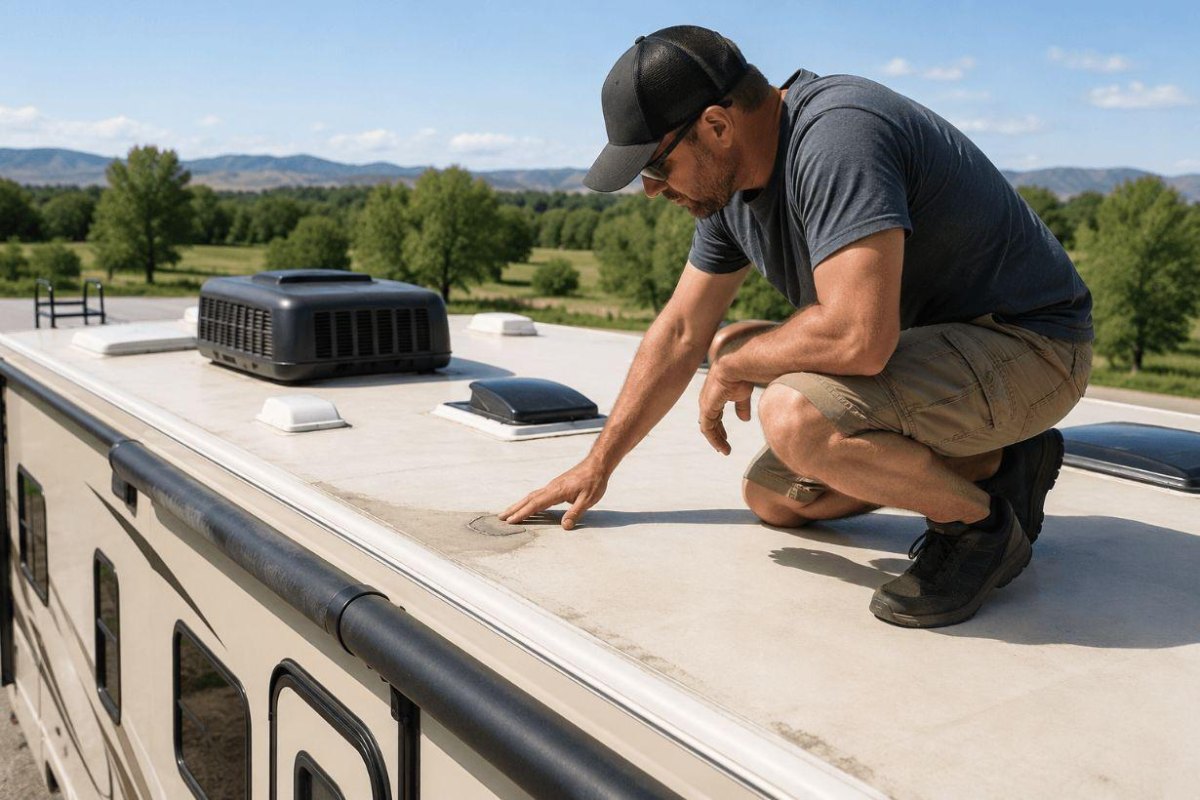
Your roof takes the full conversation with winter weather, including snow, ice, and rain. I inspect seals and look for cracks before storage or cold-season travel.
This is one place where I would rather be early than clever. Catching roof seal problems before winter prevents leaks that can damage the entire interior.
Prepare RV Batteries for Cold Weather
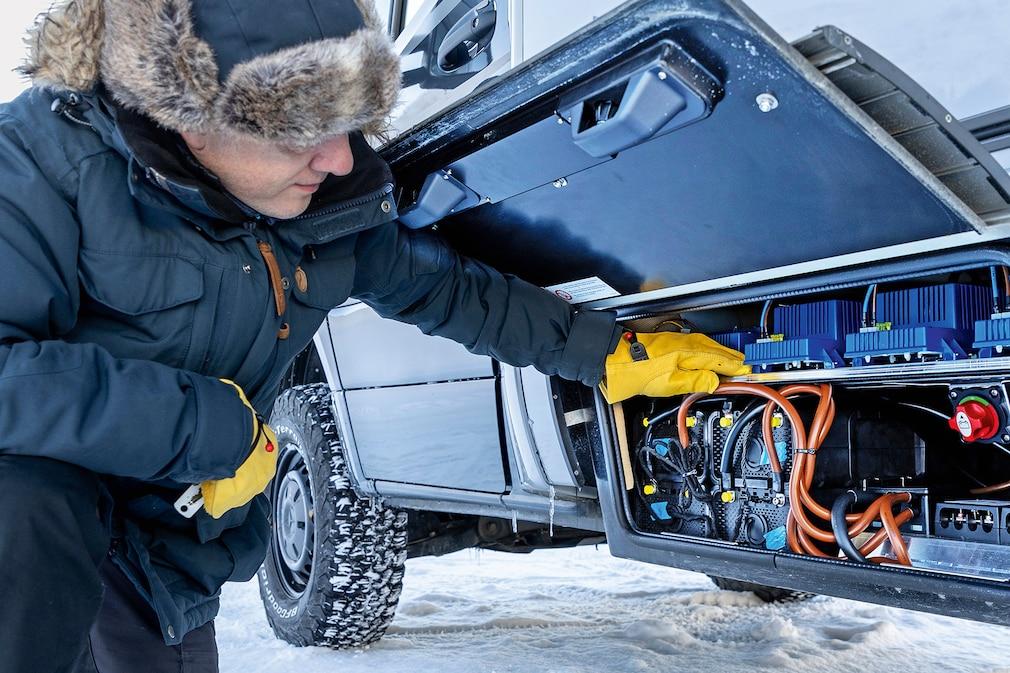
Batteries need a winter plan too. Cold temperatures can reduce battery performance, so I check charge levels, connections, and storage requirements before leaving the RV unattended.
I keep the battery area clean and organized because proper battery care makes spring startup much easier.
Remove Food and Prevent RV Pest Problems
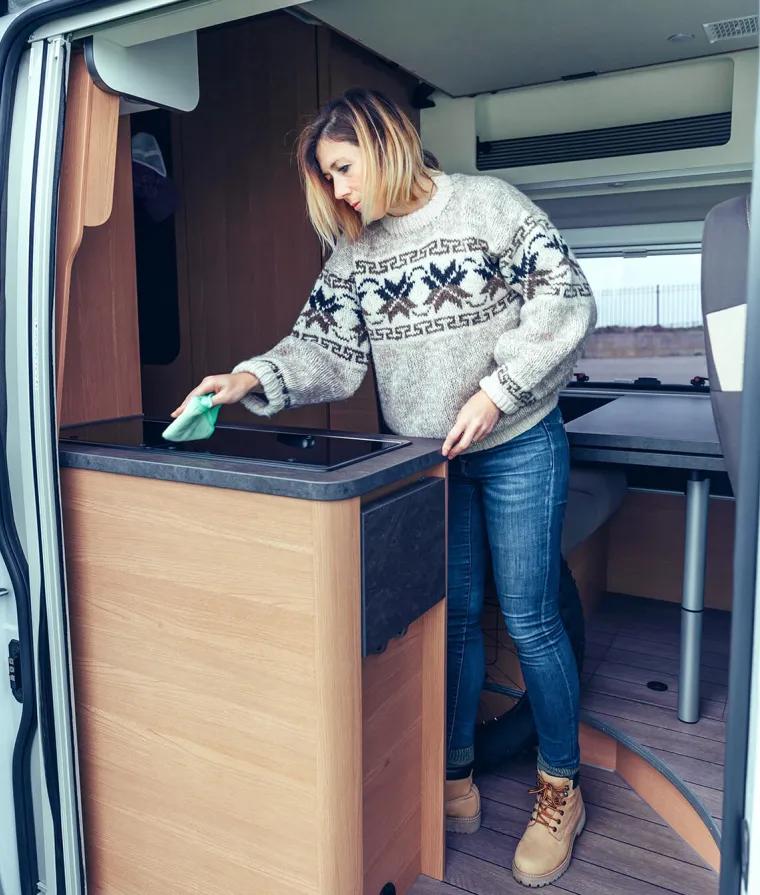
I learned from years of event storage that food left behind always creates surprises. In an RV, even small crumbs can invite unwanted winter guests.
I remove pantry items, clean surfaces, and check hiding places for pests. A simple food removal routine protects your space while it sits.
Clean and Dry the RV Interior Completely
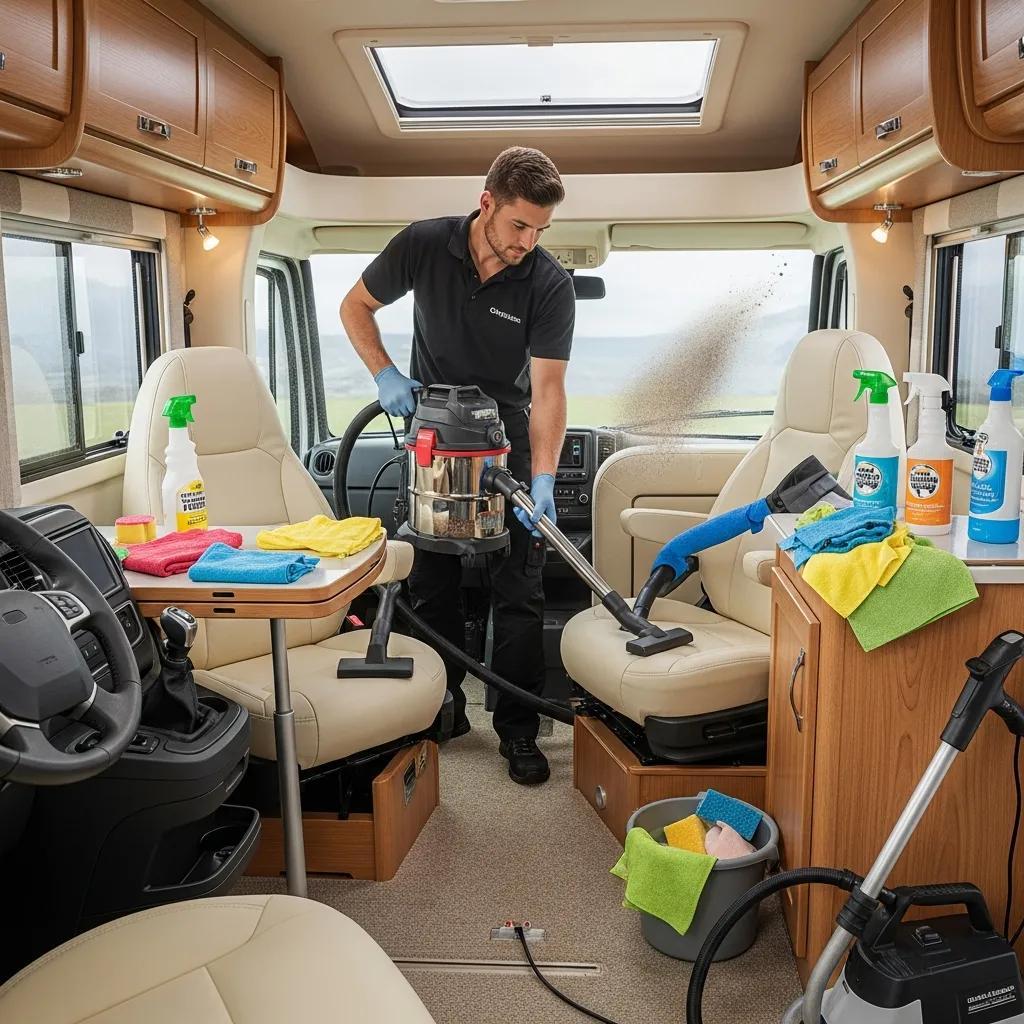
Before closing up an RV for winter, I want every surface dry and ready. Damp towels, rugs, or upholstery can create odors and mildew problems.
I use a room-by-room approach because dry interior storage is much easier when you do not try to remember everything at once.
Protect RV Tires During Long-Term Winter Storage
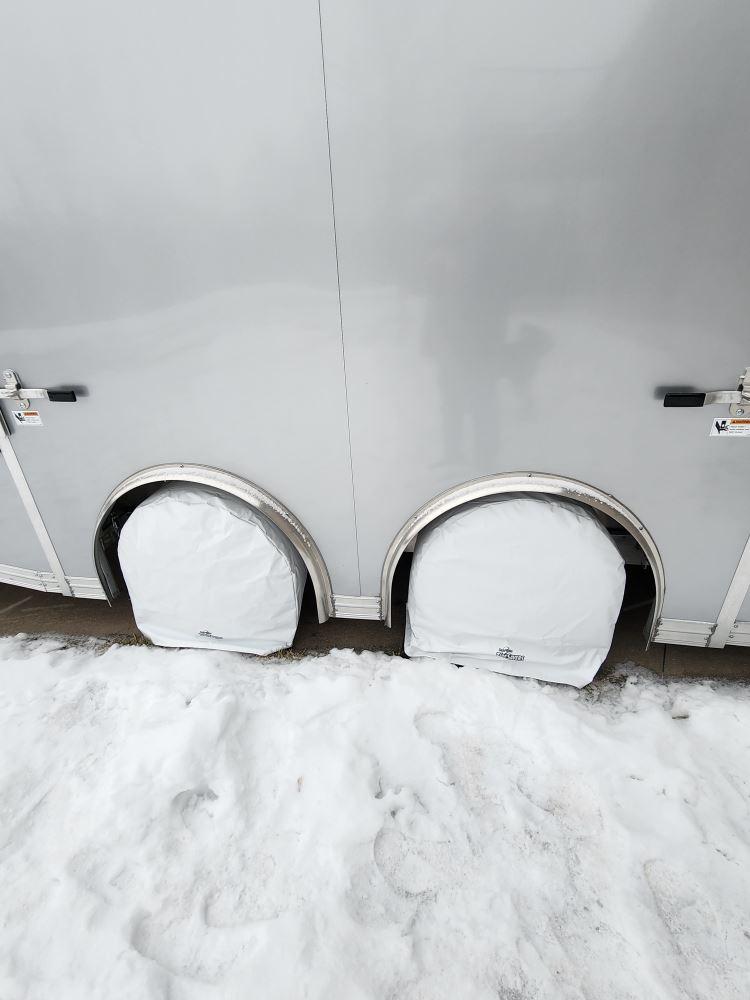
Tires carry the weight of your entire home on wheels, so they deserve a careful inspection. I check inflation, condition, and exposure before long storage periods.
Small protective steps like reducing unnecessary stress on tires can extend their life. Your RV tire maintenance routine matters before the next trip begins.
Use RV Covers and Weather Protection Properly
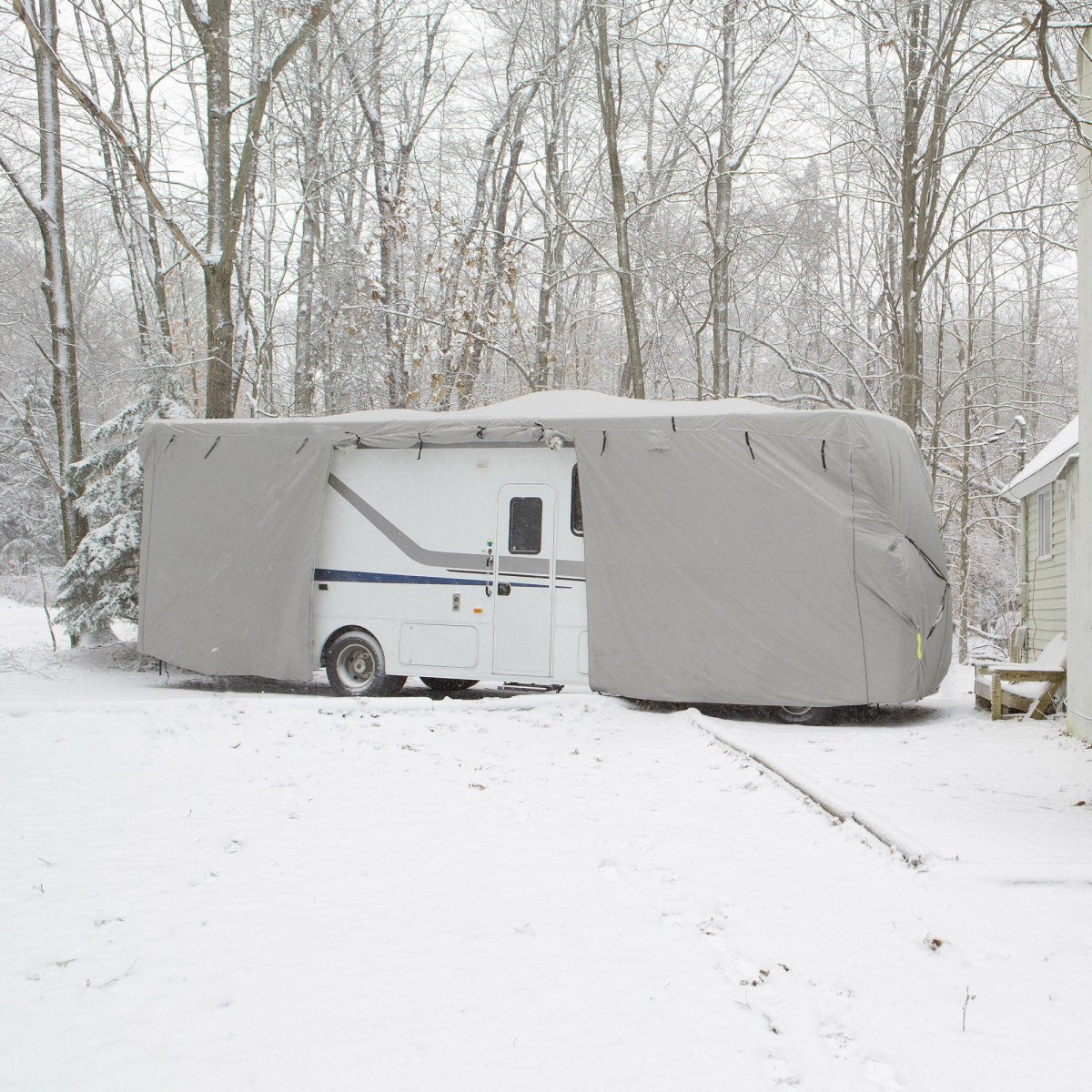
An RV cover can help protect against winter elements, but only when used correctly. The wrong cover or poor ventilation can trap moisture instead of preventing problems.
I always consider airflow and material quality because weather protection choices should solve problems, not create new ones.
Manage Moisture With RV Ventilation and Dehumidifiers
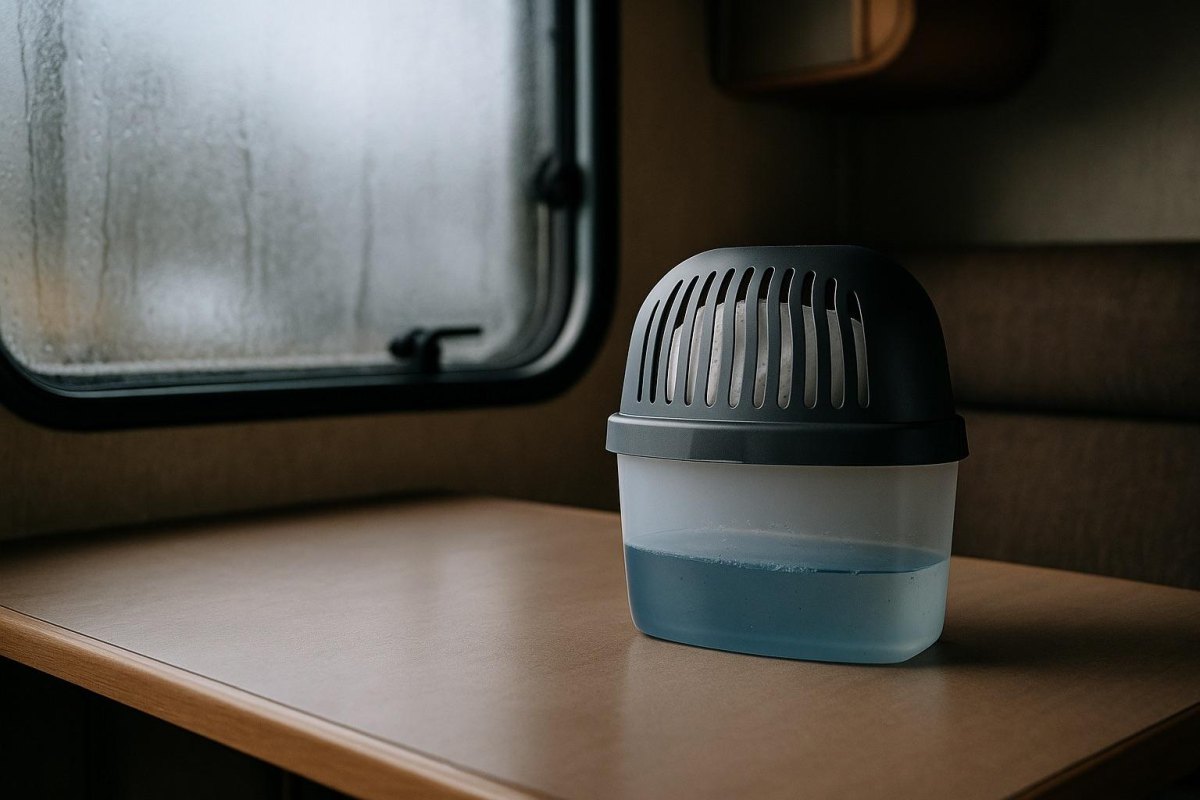
Moisture is the quiet troublemaker in winter RV living and storage. I plan for humidity the same way I plan seating charts: before it becomes a problem.
Ventilation, moisture absorbers, and dehumidifiers can help maintain a healthier space. The goal is preventing condensation buildup before mold has a chance.
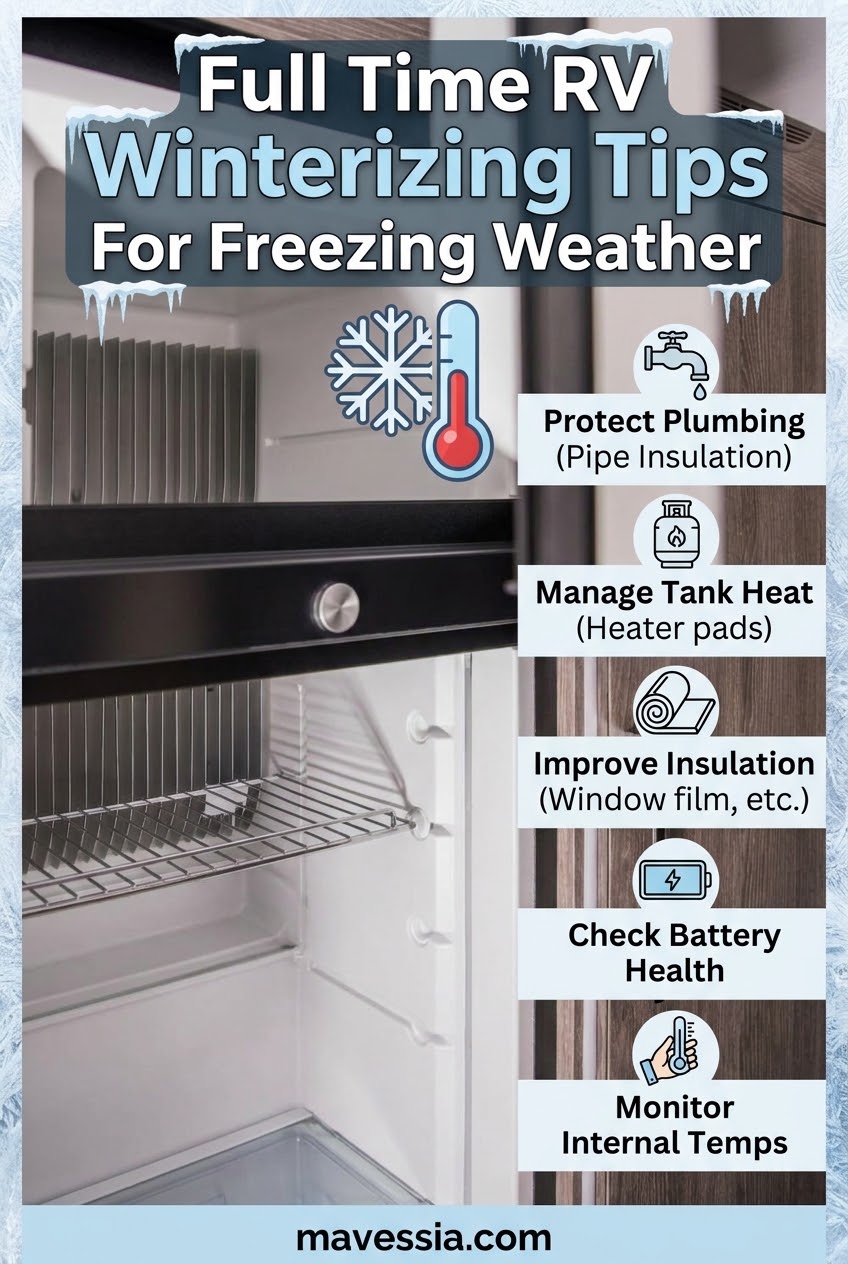
Protect RV Appliances During Freezing Temperatures

Refrigerators, washers, and other appliances all need attention during freezing conditions. I check manufacturer recommendations instead of assuming every appliance works the same way.
A short appliance review protects expensive RV equipment and gives you confidence when you return to the road.
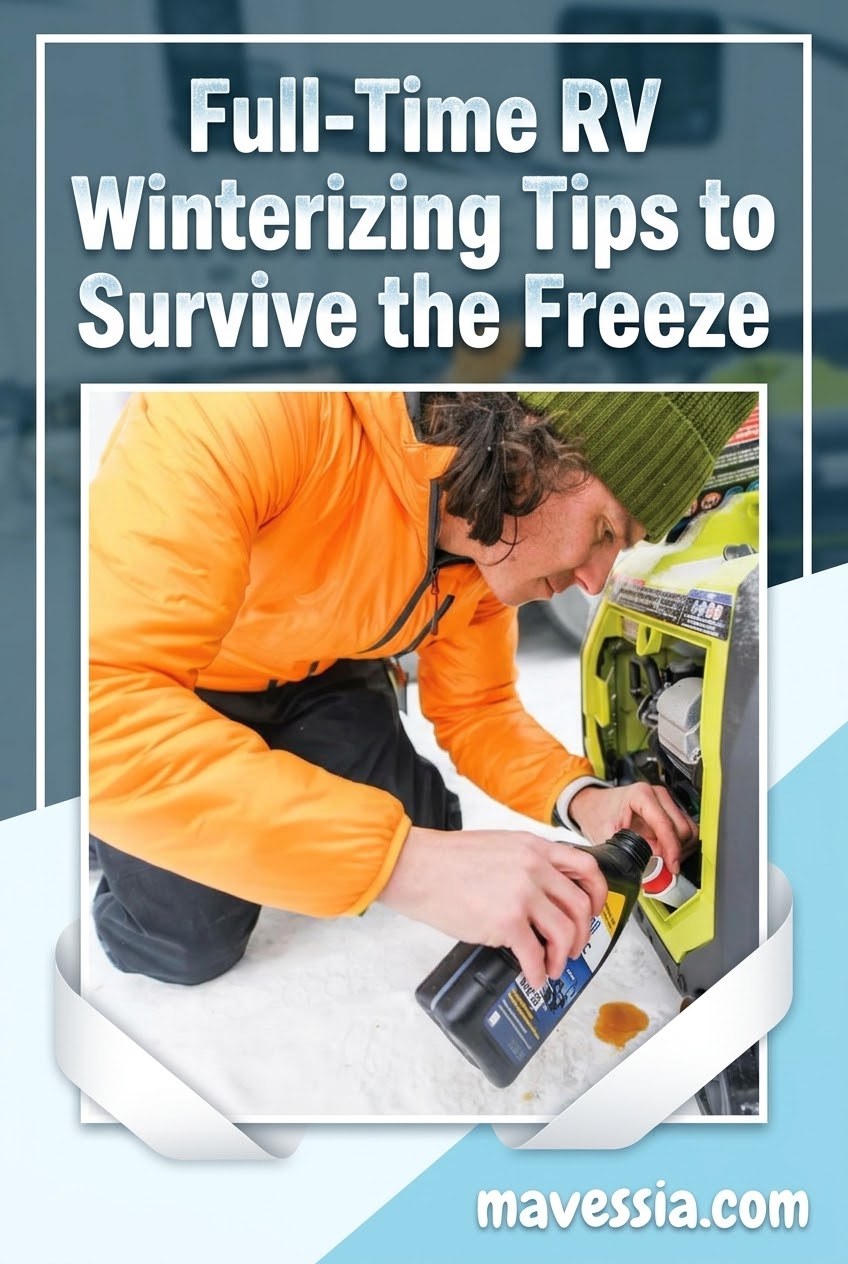
Prepare the RV Generator for Winter Storage
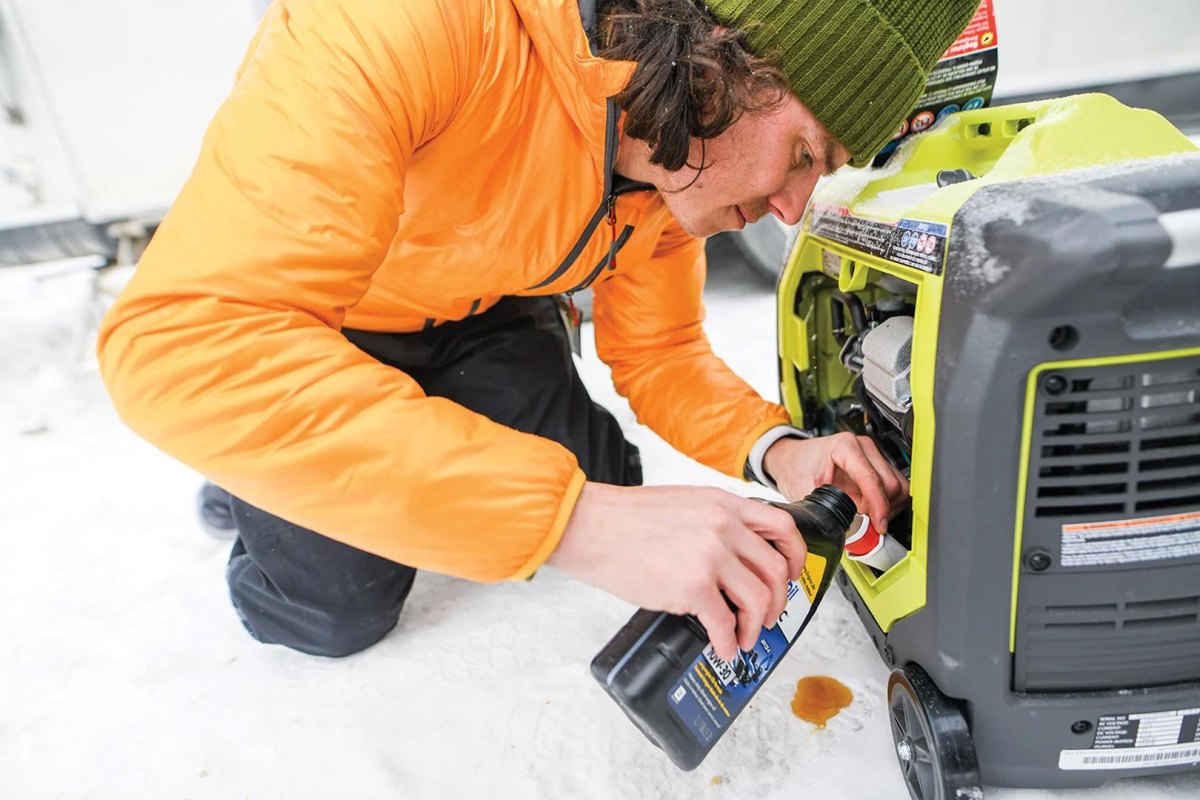
If your RV has a generator, winter storage is the perfect time for maintenance. I check fuel, run requirements, and storage instructions before putting it away.
Generators are not something I like to ignore because they are often needed when conditions are difficult. Good generator preparation keeps your backup power dependable.
Check RV Exterior Lights and Electrical Systems
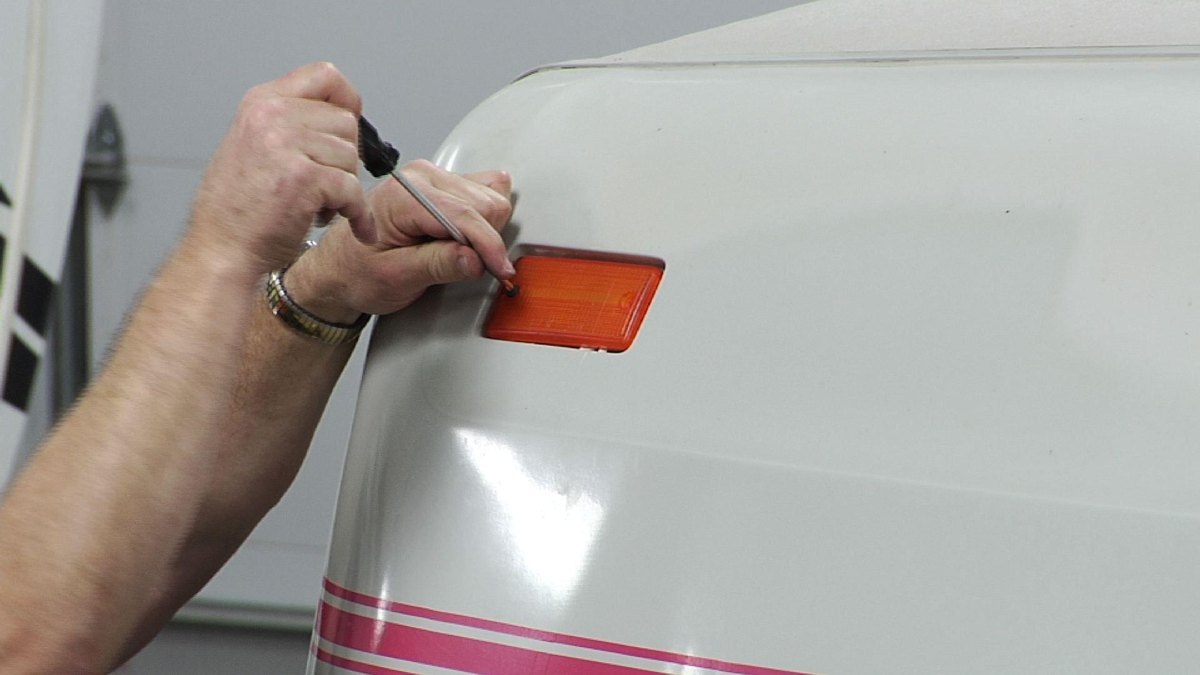
I include electrical checks because small failures become inconvenient quickly during cold months. Exterior lights, connections, and cords should all be inspected.
A simple test of RV electrical systems gives you a cleaner starting point when winter travel begins.
Park the RV Safely for Winter Conditions
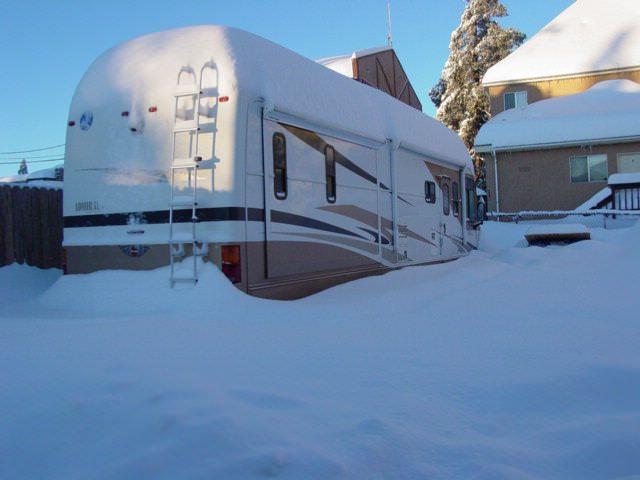
The parking location matters as much as the preparation work. I look for stable ground, drainage, and protection from harsh weather patterns.
Think about your RV's winter home like an event venue: the setting affects everything. A smart storage location choice reduces future headaches.
Inspect the RV Regularly During Winter Storage
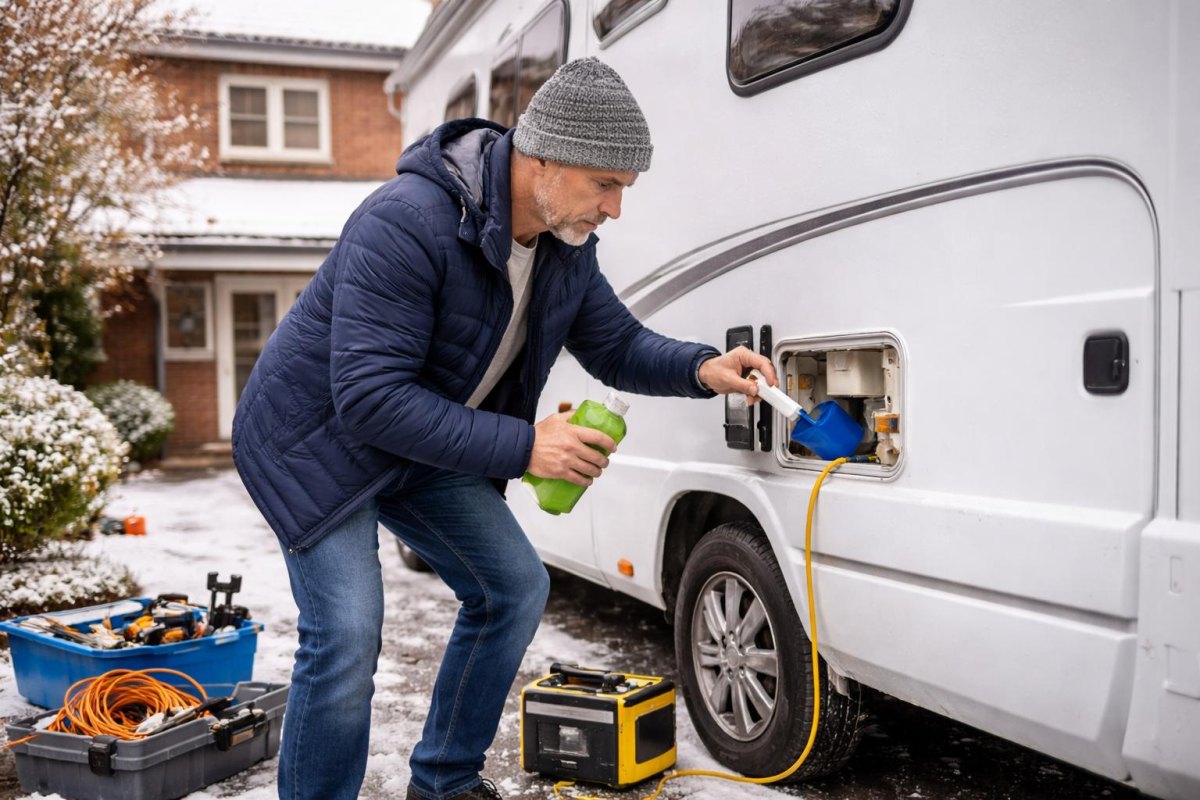
Even the best preparation benefits from occasional check-ins. I prefer a simple inspection schedule rather than waiting until spring to discover problems.
Walk around the exterior, look for leaks, and check for unexpected changes. Regular winter storage inspections are the easiest insurance policy you can give yourself.
De-Winterize Your Full-Time RV for Spring Travel
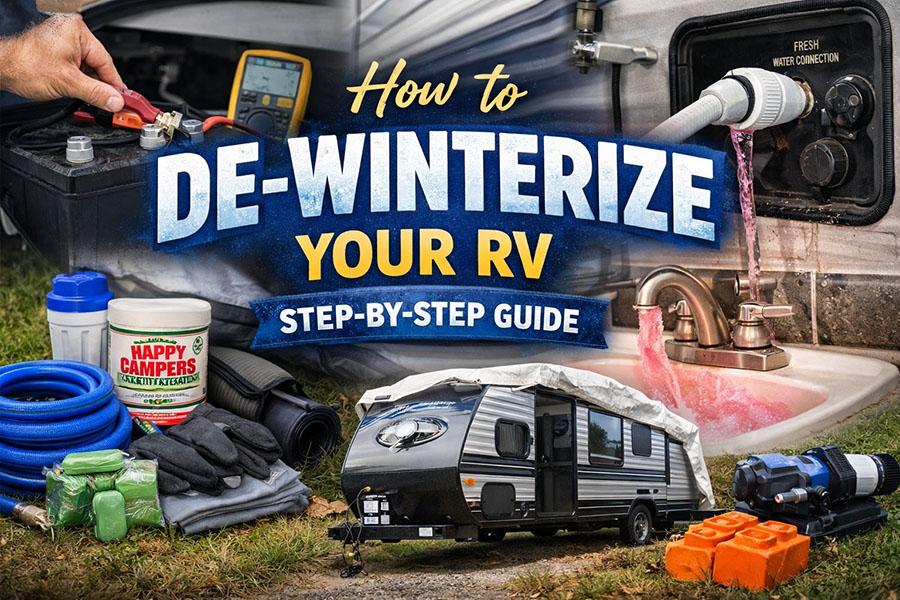
When spring arrives, I reverse the process slowly and carefully. Flush the system, inspect components, and make sure everything is working before planning your first adventure.
I love a fresh-season reset, but rushing this stage defeats all the careful work you did earlier. A thoughtful spring RV reopening gets you back on the road smoothly.
More Pinterest Visuals