A suitcase that closes without sitting on the lid is not a miracle; it is usually a better packing system. After years of building event timelines and packing emergency kits for weddings, I know the value of knowing where every item belongs. These folding methods help you arrive with clothes you can actually wear instead of a fabric avalanche.
I use a mix of rolling, folding, and organizing techniques depending on the trip. The goal is simple: make travel easier so you spend less time digging through luggage and more time enjoying where you landed.
Roll Clothes to Maximize Suitcase Space
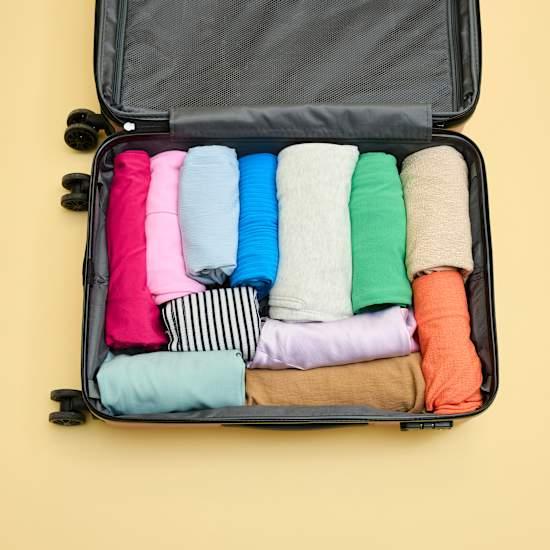
I use rolling for casual pieces like T-shirts and workout clothes because it creates compact bundles. Many travel guides recommend rolling as a practical way to save suitcase space when organizing clothing. The tight clothing roll works best when fabrics are flexible.
I keep structured pieces folded and reserve rolls for items that can handle a little compression.
Use the Bundle Wrapping Technique for Wrinkle Control
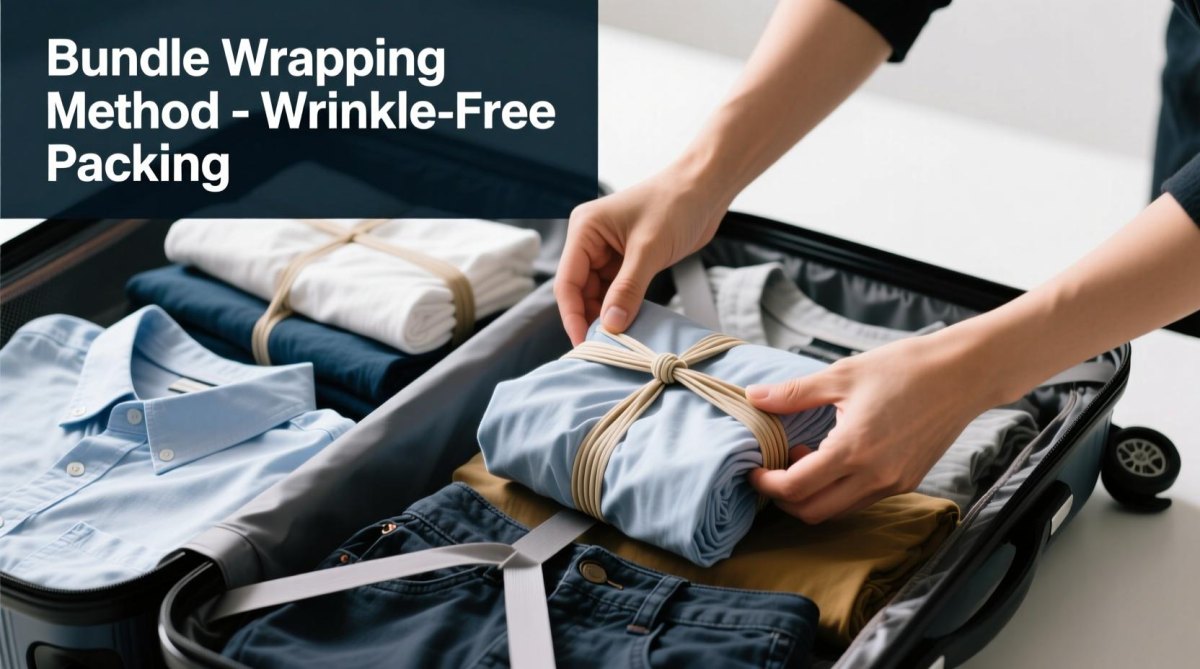
Bundle wrapping is my choice when I need fewer wrinkles without bringing extra gear. The method creates a central clothing bundle by wrapping layers around a core item.
I use this for special-event travel when a dress or blouse needs extra care.
Pack Shoes Around the Suitcase Edges
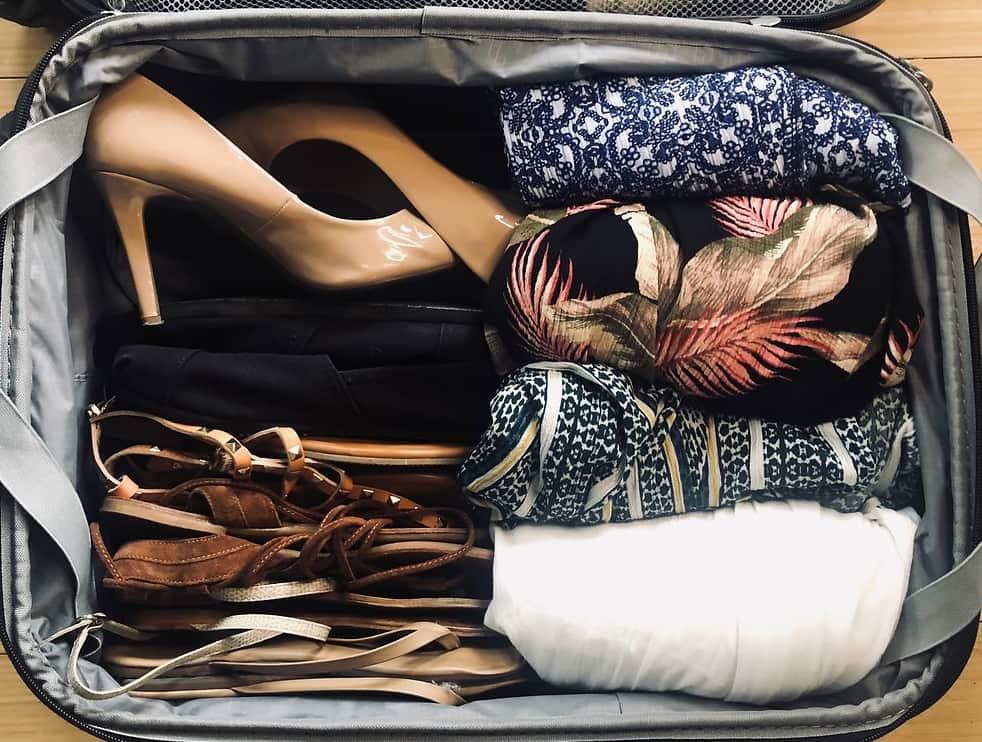
Shoes create awkward empty spaces, so I place them along the suitcase edges. This leaves the center open for folded clothing layers.
I always put shoes in bags first because hotel floors and airport surfaces are not exactly my idea of clean packing.
Layer Heavy Items at the Bottom of Your Suitcase
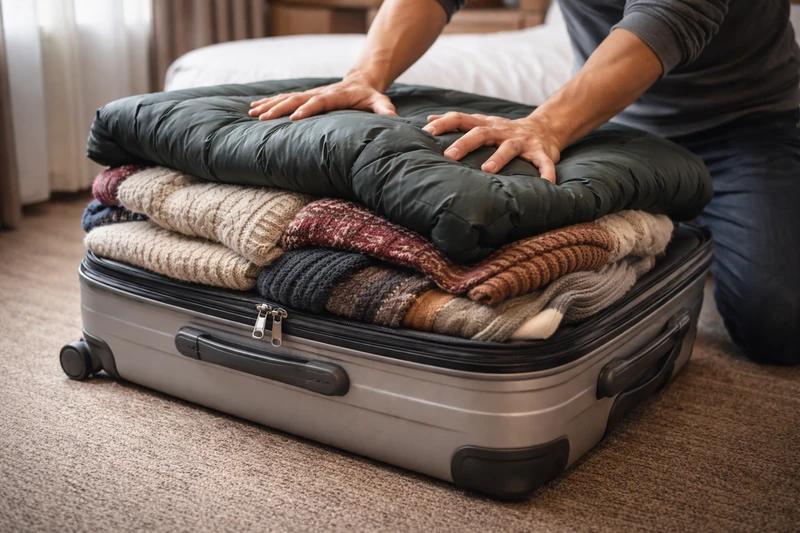
Heavy items belong low and close to the suitcase wheels. This creates a balanced luggage base and keeps lighter clothes from being crushed.
Think jeans, shoes, and jackets first; delicate items come later.
Fold Shirts With a Magazine for Crisp Lines
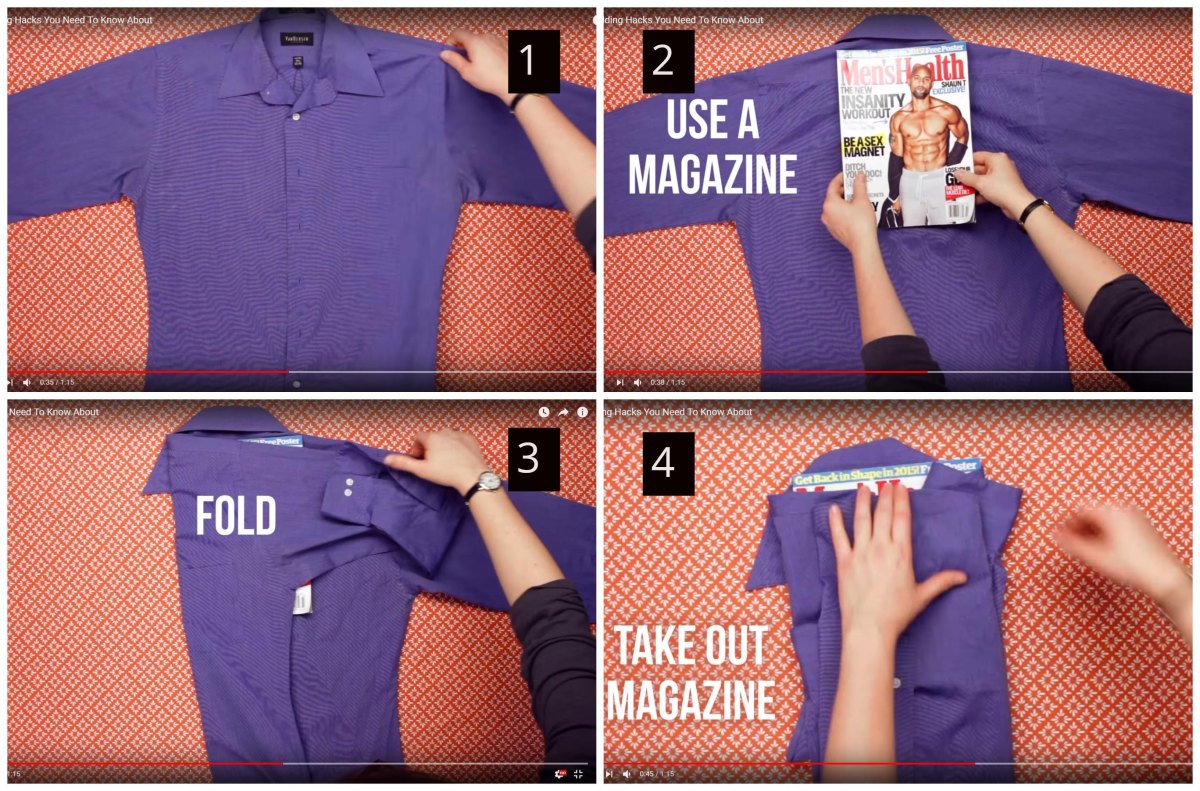
A magazine or thin book can act as a folding guide for shirts. I use it when I want clean shirt rectangles for business trips.
The trick is consistency: matching folds stack better than random folds.
Stack Jeans and Pants Flat to Save Room
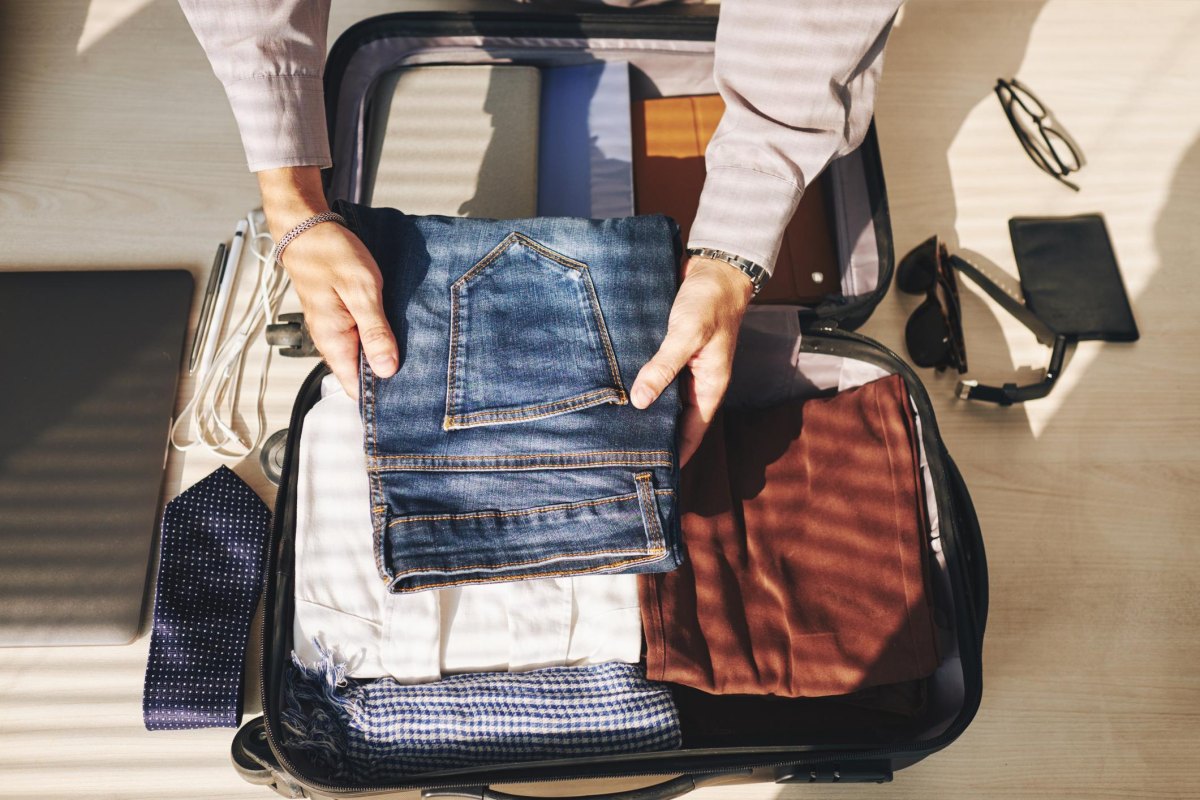
Jeans are dense, so I usually fold them flat instead of rolling them. A flat denim layer creates a stable base.
I place pants near the bottom or sides where their weight helps organize the bag.
Create Packing Cubes With Simple Household Bags
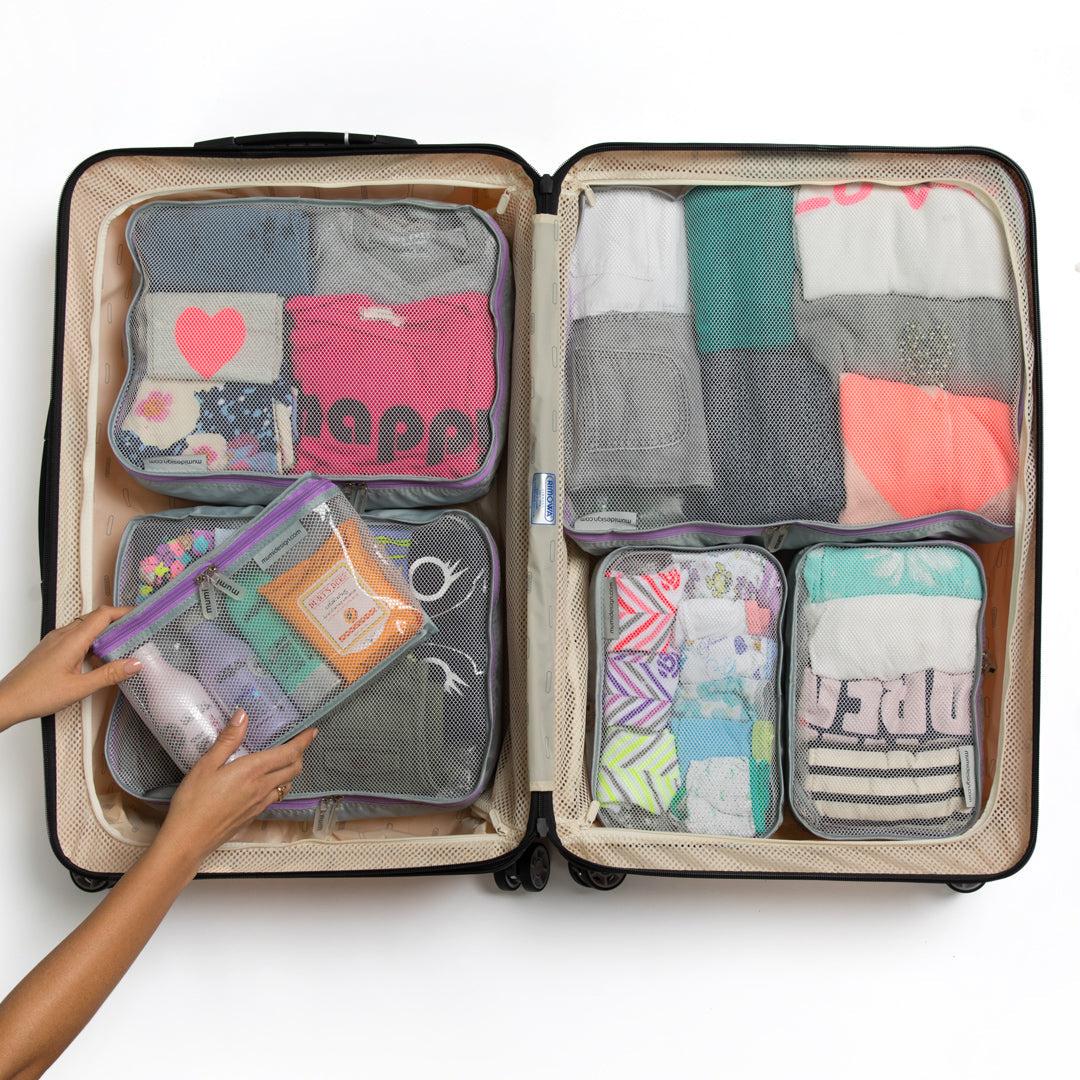
Packing cubes divide luggage into smaller zones, and travelers often use them to organize categories of clothing. I sometimes recreate the idea with simple bags for a budget organization system.
The best cube is the one that helps you find things quickly.
Fold Underwear Into Compact Travel Rolls
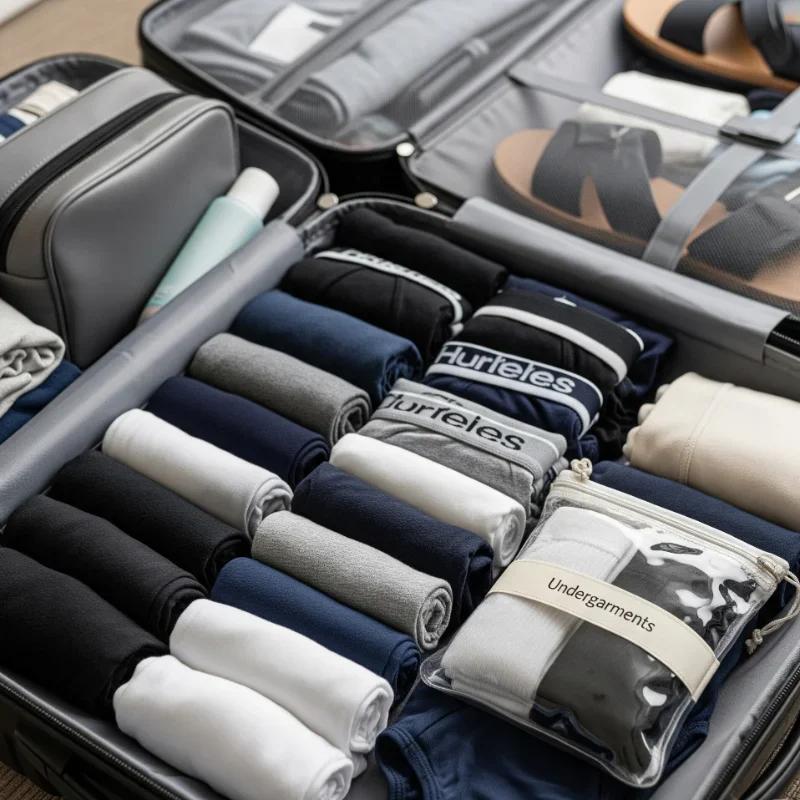
Small items disappear quickly in large suitcases, so I group underwear together. A small clothing bundle keeps essentials visible.
I place these in a pouch or corner pocket where they are easy to reach.
Use Empty Shoe Space for Small Accessories
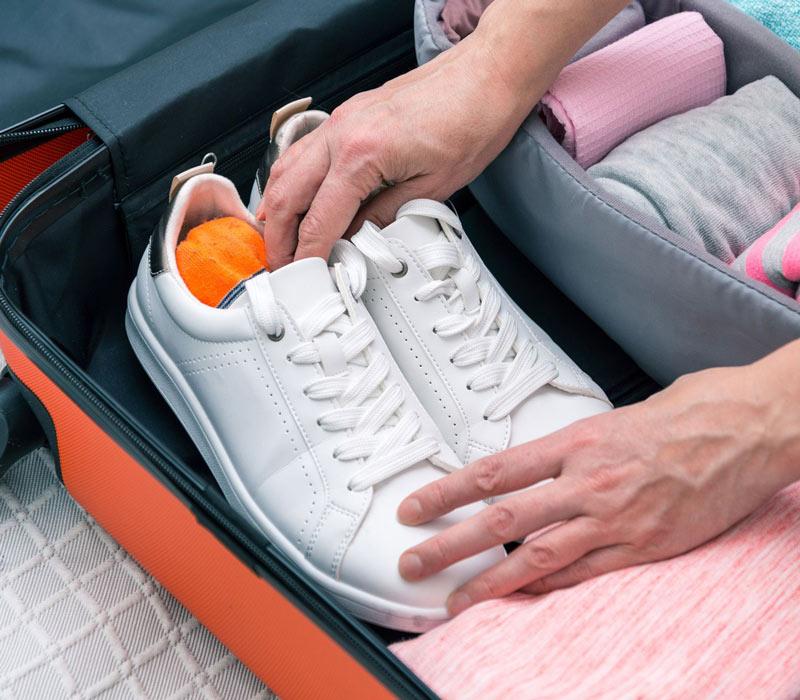
Shoes are built-in storage containers. I fill clean shoes with accessories like chargers or belts for hidden suitcase space.
This little trick prevents tiny items from wandering around the luggage.
Fold Jackets Properly to Prevent Creases
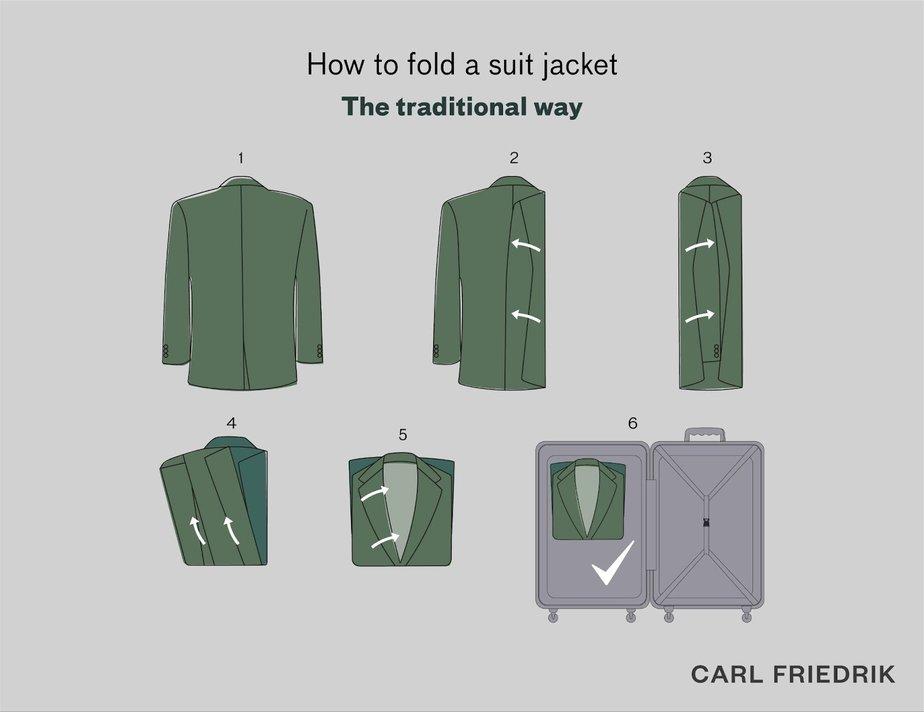
Jackets need room, not punishment. I fold them carefully with sleeves tucked inward for protected outerwear.
For formal trips, I place jackets near the top so they arrive ready to wear.
Pack Socks Inside Collars and Corners
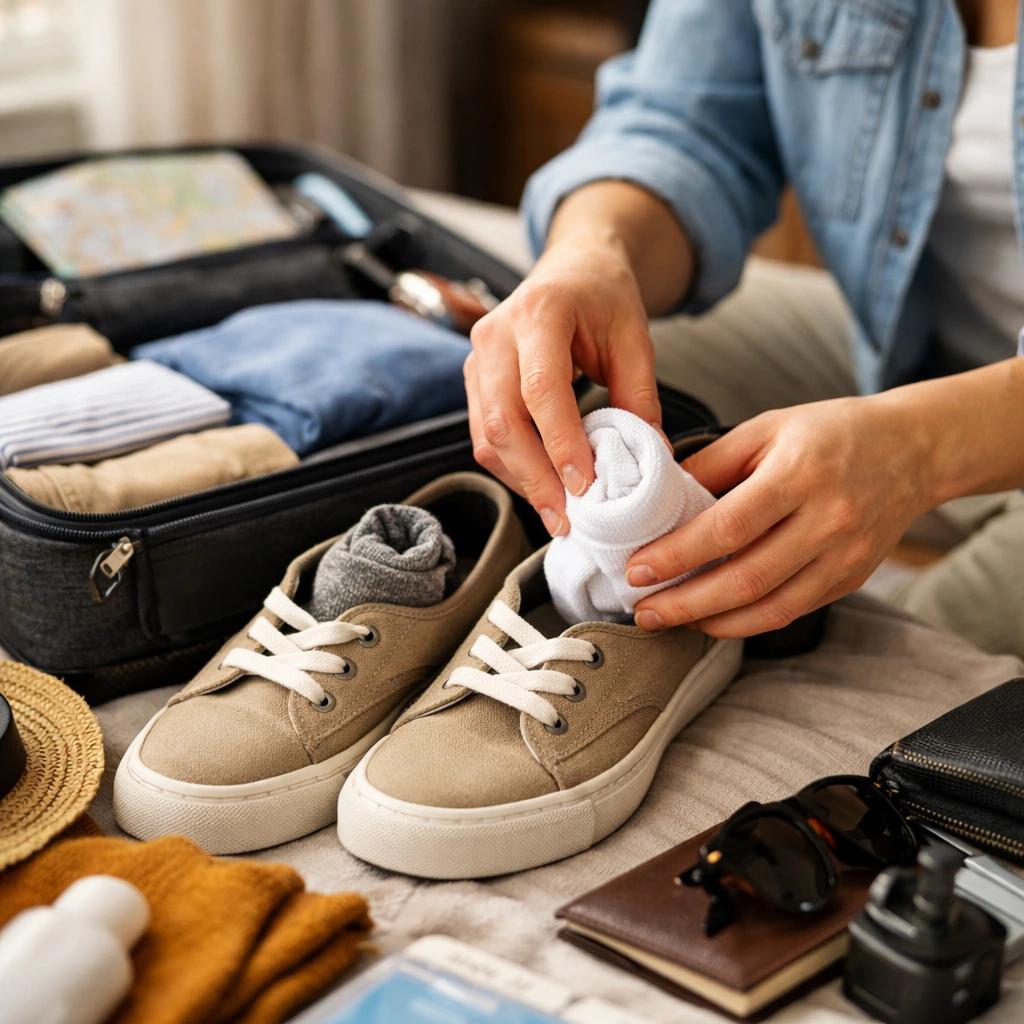
Socks are flexible fillers. I use them around collars and corners for small-space packing.
This keeps empty gaps from becoming wasted suitcase volume.
Use the KonMari Folding Method for Clothes
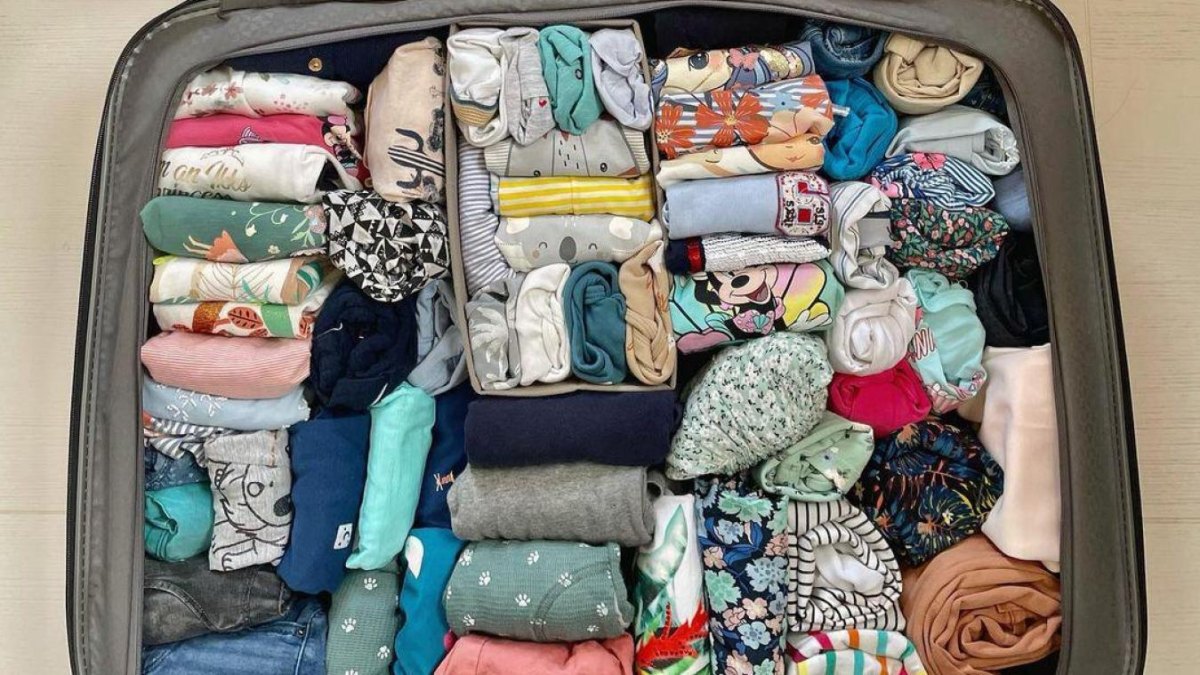
The KonMari method folds clothes into compact rectangles that can stand upright, making items easier to see. I love this for organized suitcase rows.
It is especially useful when I need several outfits without unpacking everything.
Arrange Toiletries in a Dedicated Layer
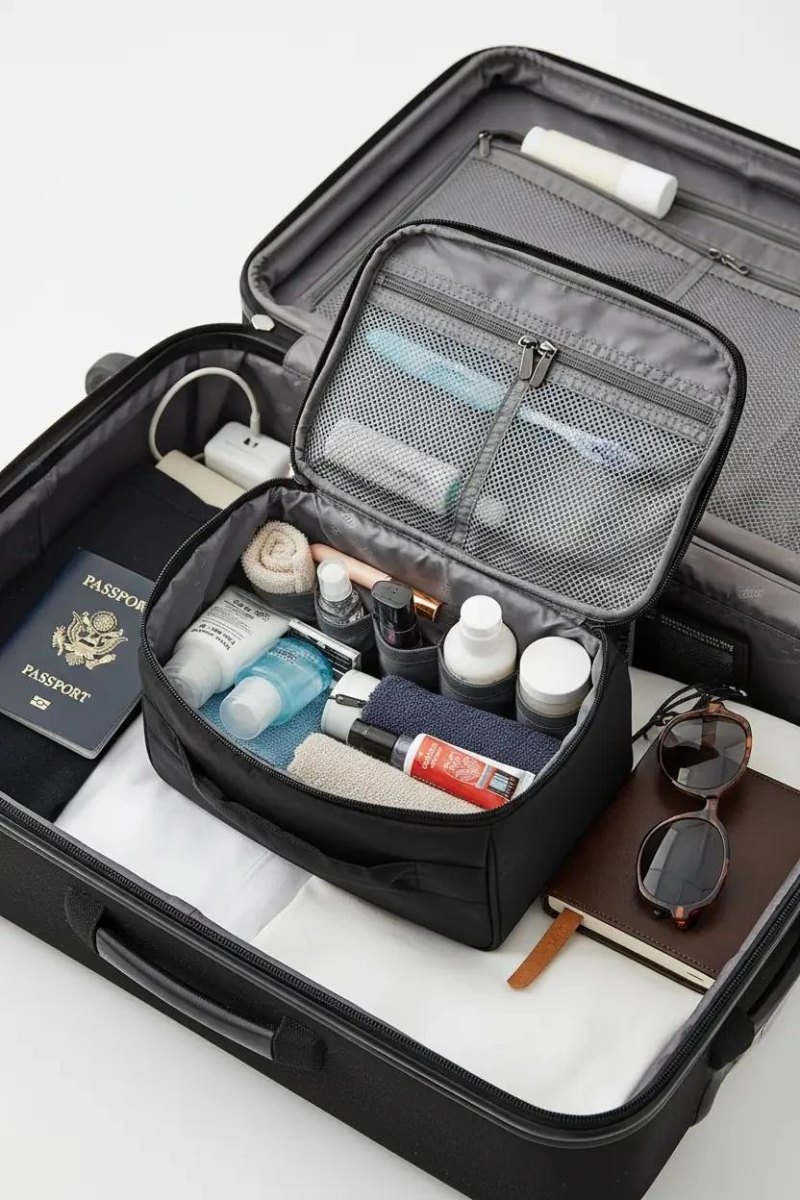
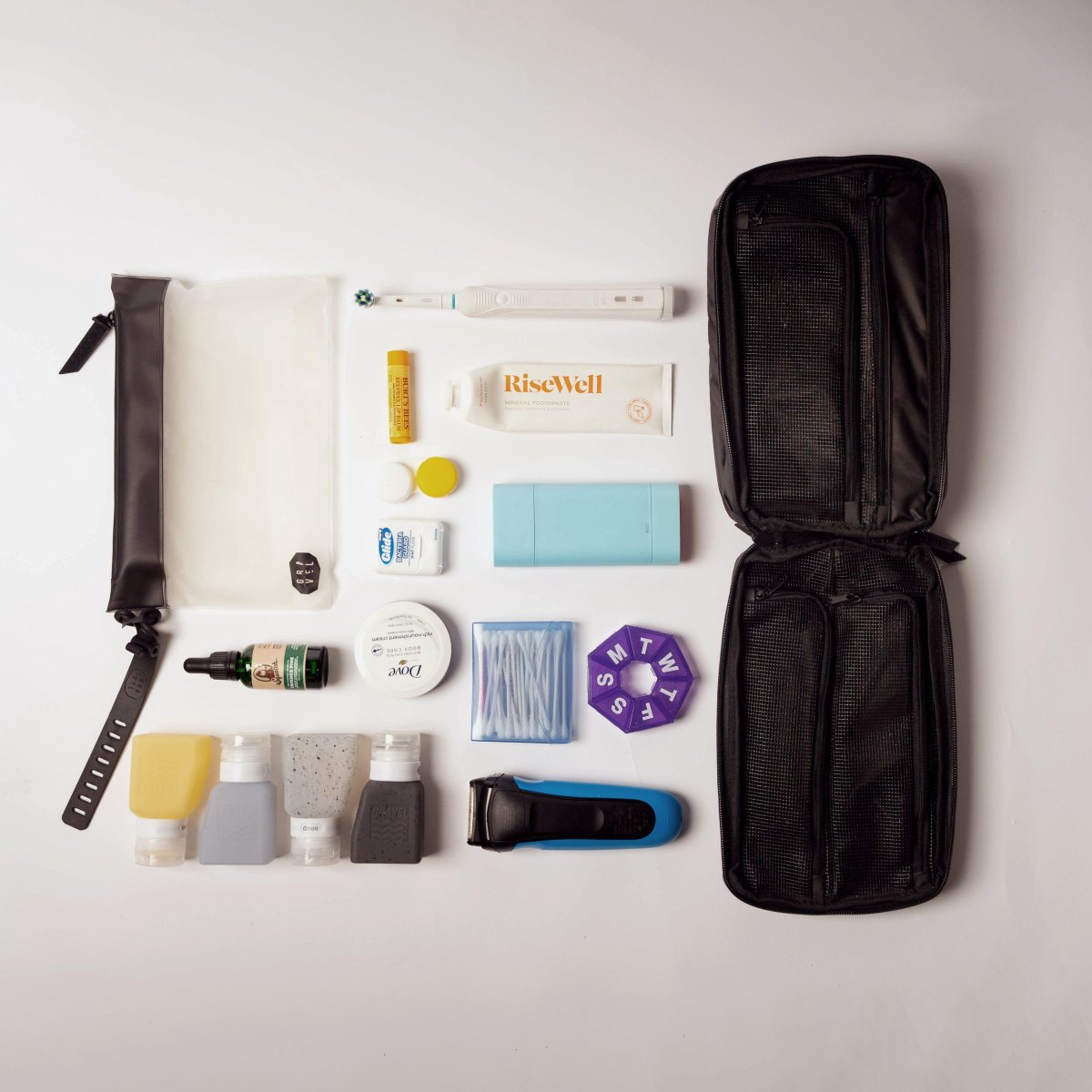
I always give toiletries their own layer because leaks are a packing emergency. A sealed toiletry section protects clothing.
Small bottles and clear bags make airport and hotel routines smoother.
Fold Dresses to Fit Narrow Suitcase Spaces
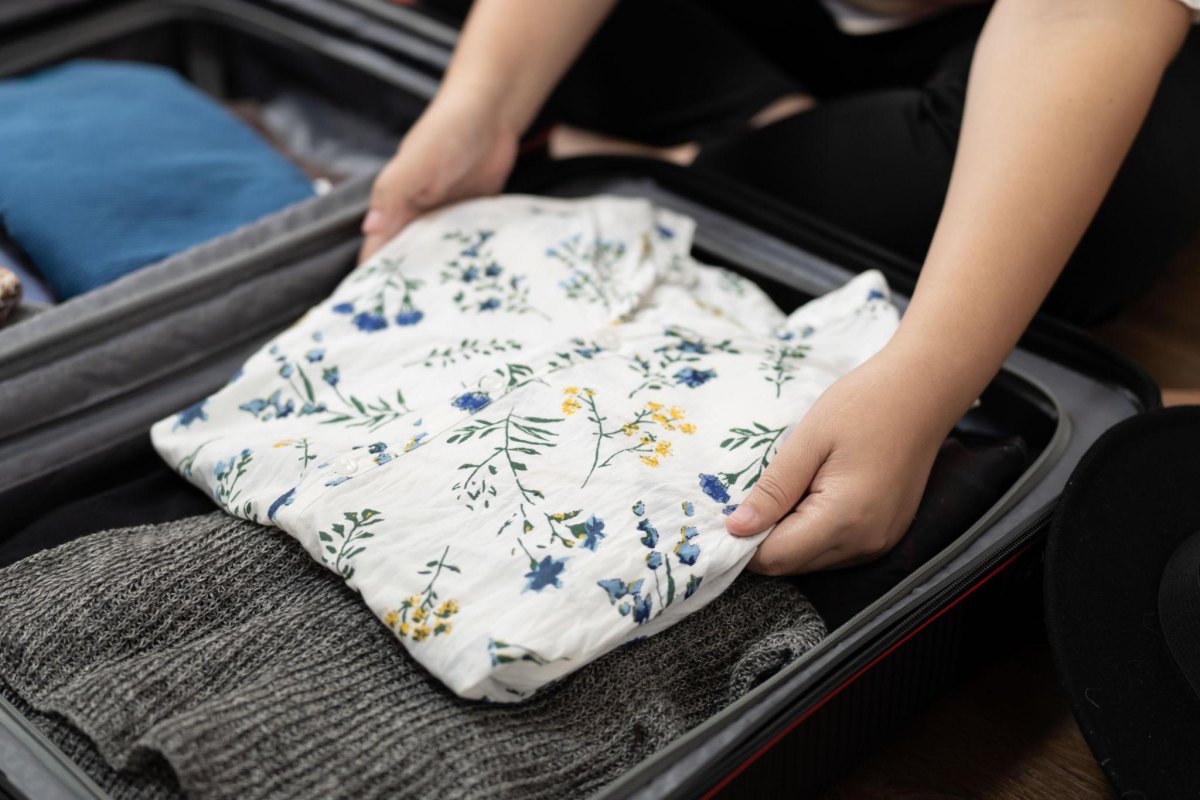
Dresses are easier when folded along natural seams. I create a long fabric rectangle before placing them in the suitcase.
This prevents twisting and helps delicate pieces arrive ready.
Use Compression Bags for Bulky Clothing
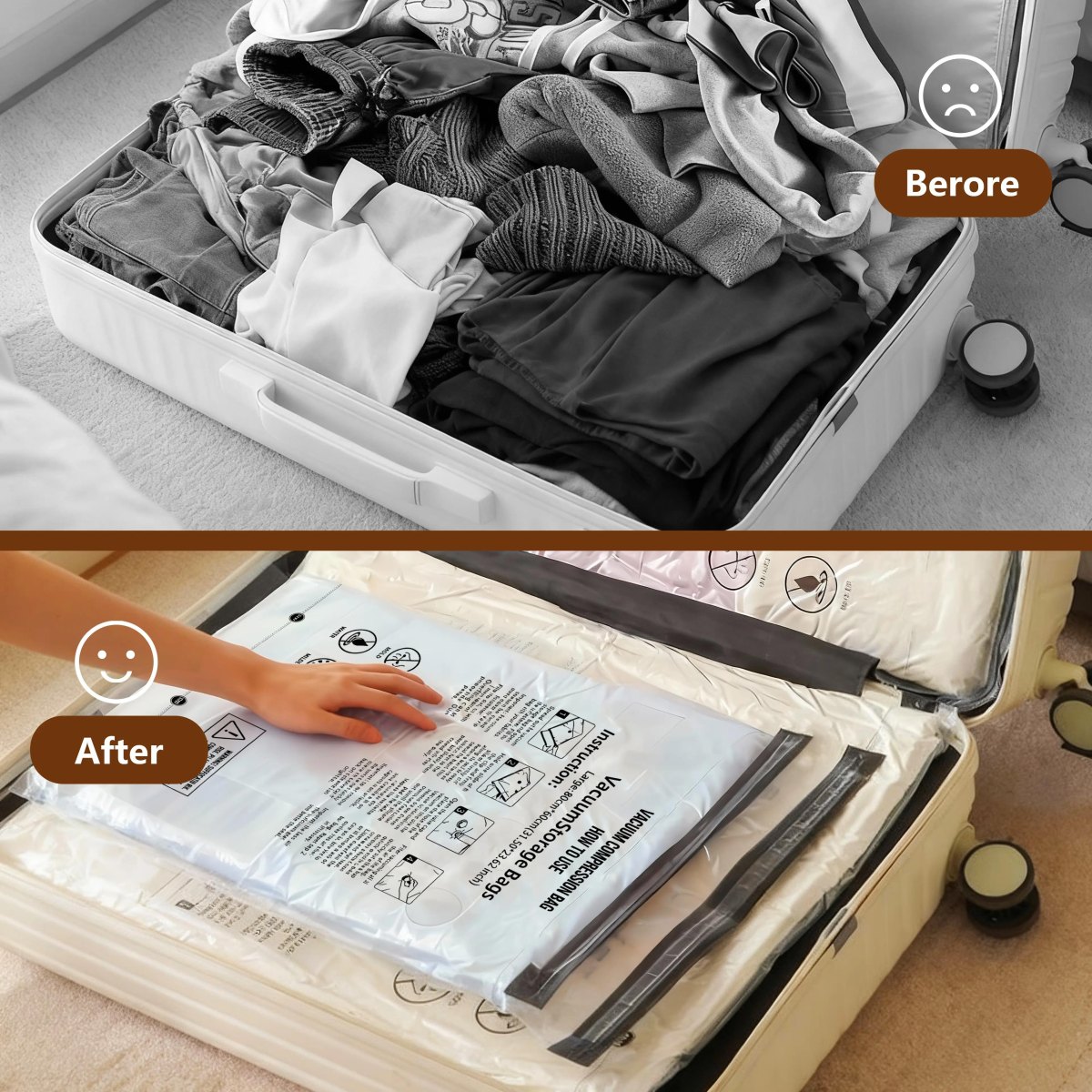
Compression bags can reduce the volume of bulky layers like sweaters. I use them carefully because extra space invites overpacking.
The bag should help organization, not become permission to bring everything.
Separate Travel Outfits Before Folding
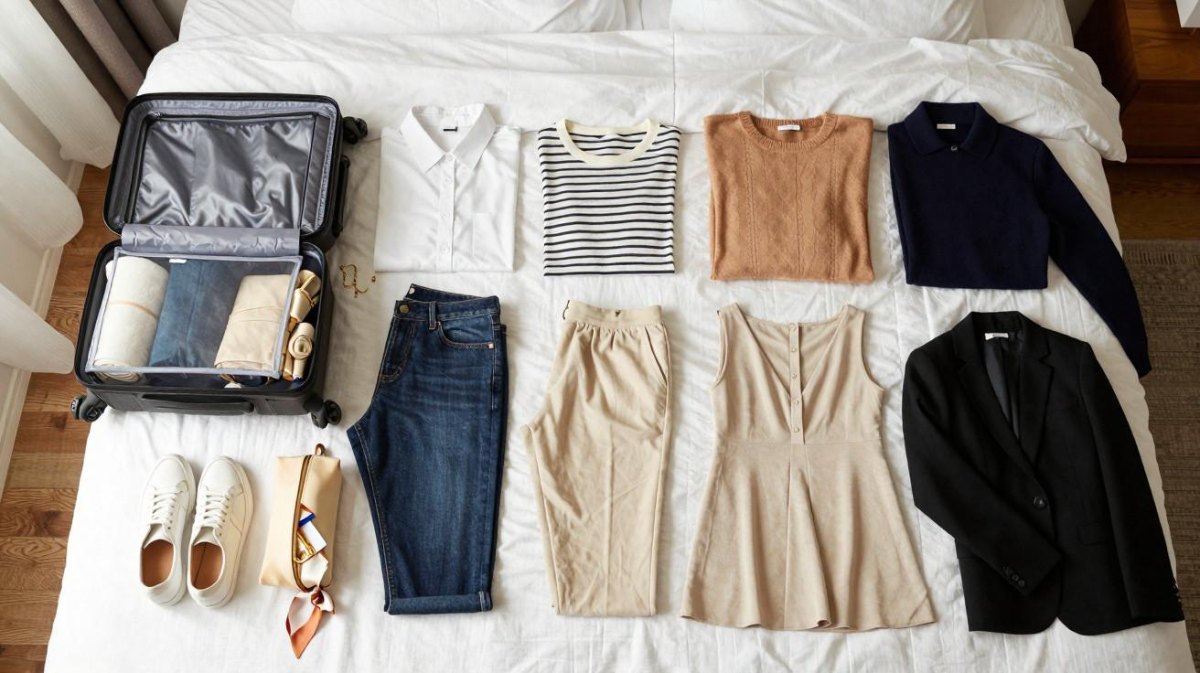
Before packing, I create outfit groups instead of random clothing piles. This outfit planning step saves time every morning.
It is the suitcase version of preparing a wedding timeline: decisions happen before the busy moment.
Place Belts Around the Suitcase Border
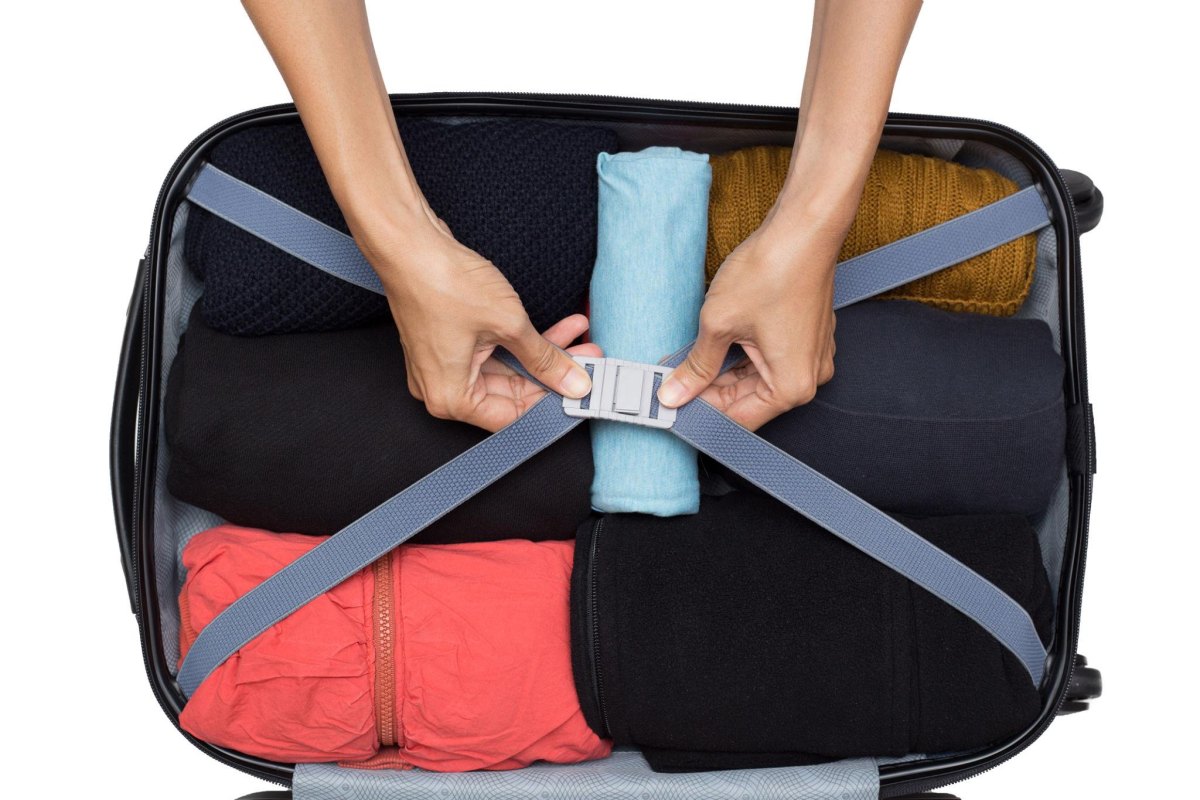
Belts are naturally flat and make excellent edge fillers. I place them around the border for efficient suitcase framing.
It keeps them from bending awkwardly while adding structure.
Protect Delicate Clothes With Inside-Out Folding
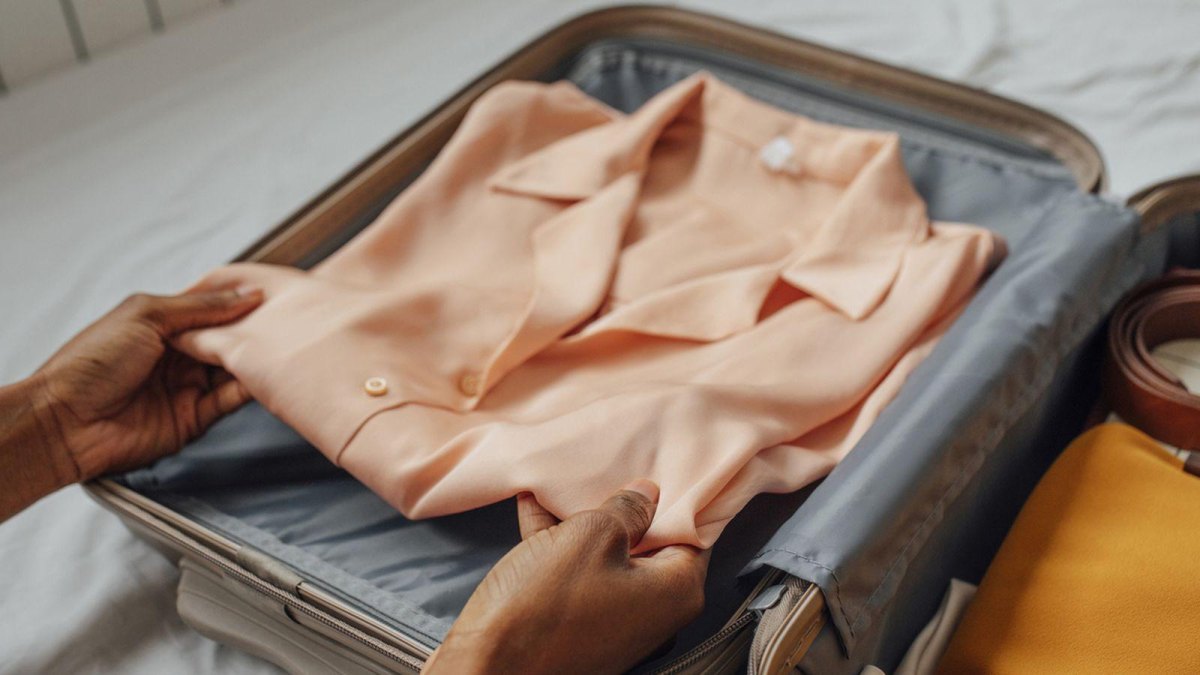
For delicate fabrics, I turn items inside out and fold gently. This creates a fabric protection layer.
I use this approach for special occasion clothing that deserves extra attention.
Use Layered Folding for Maximum Carry-On Efficiency
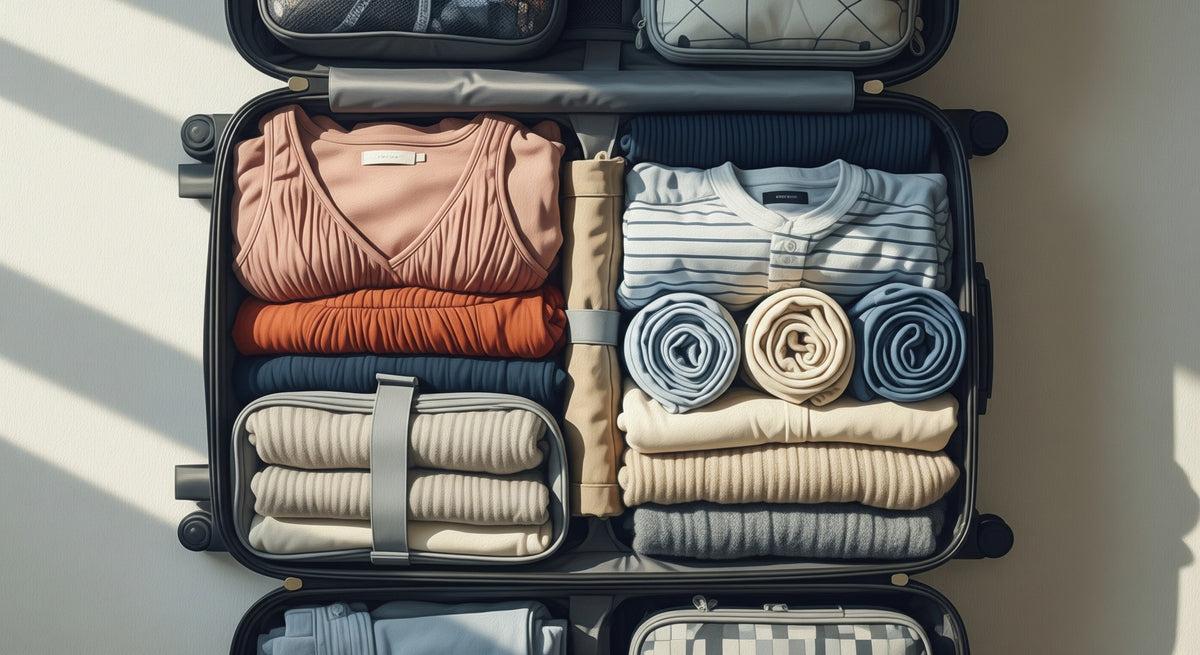
Carry-ons reward planning. I combine flat layers, compact folds, and visible sections for maximum carry-on control.
The KonMari approach of upright folding can also help make packed items easier to identify.
Finish With a Balanced Suitcase Packing Layout
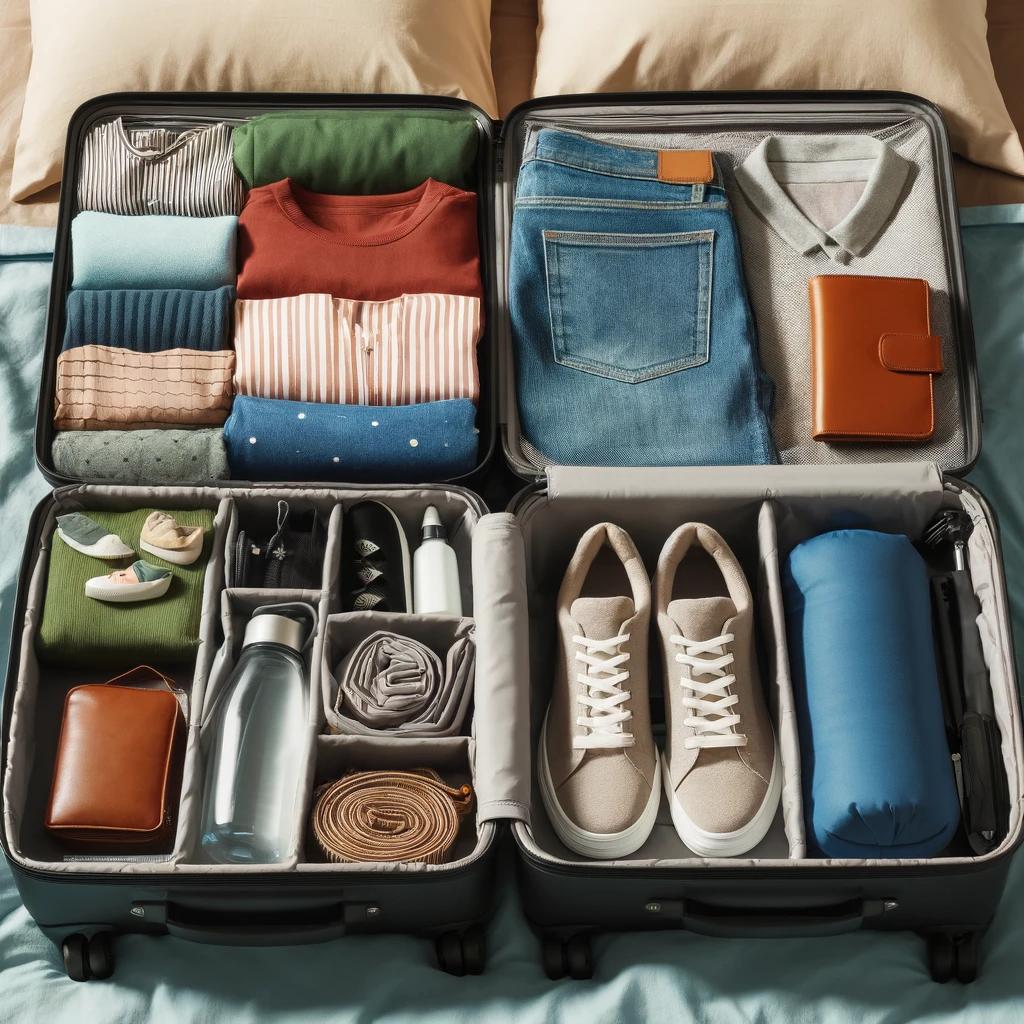
The final check is not about squeezing in one more shirt. It is about a balanced suitcase layout where everything has a purpose.
I close the zipper, lift the bag, and ask the planner question: will future me thank me for this?