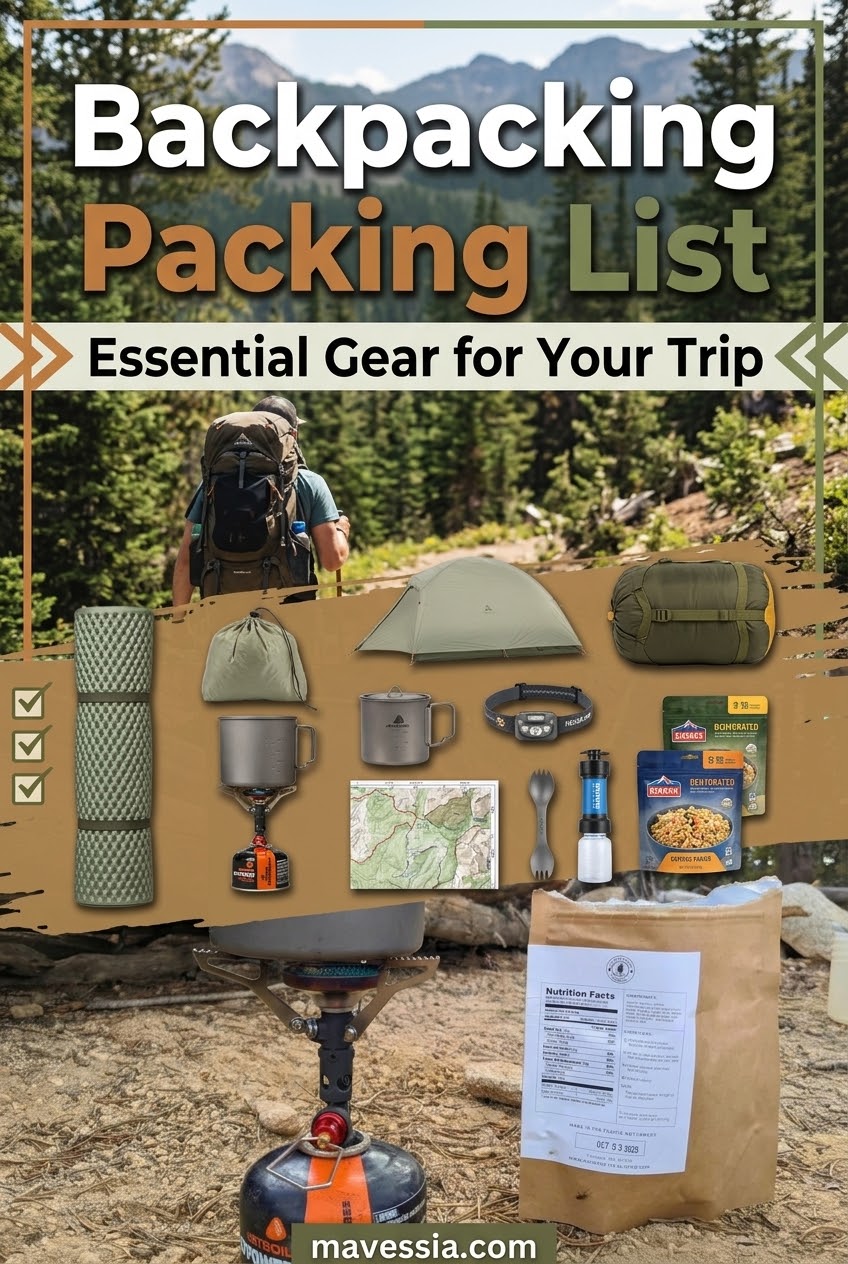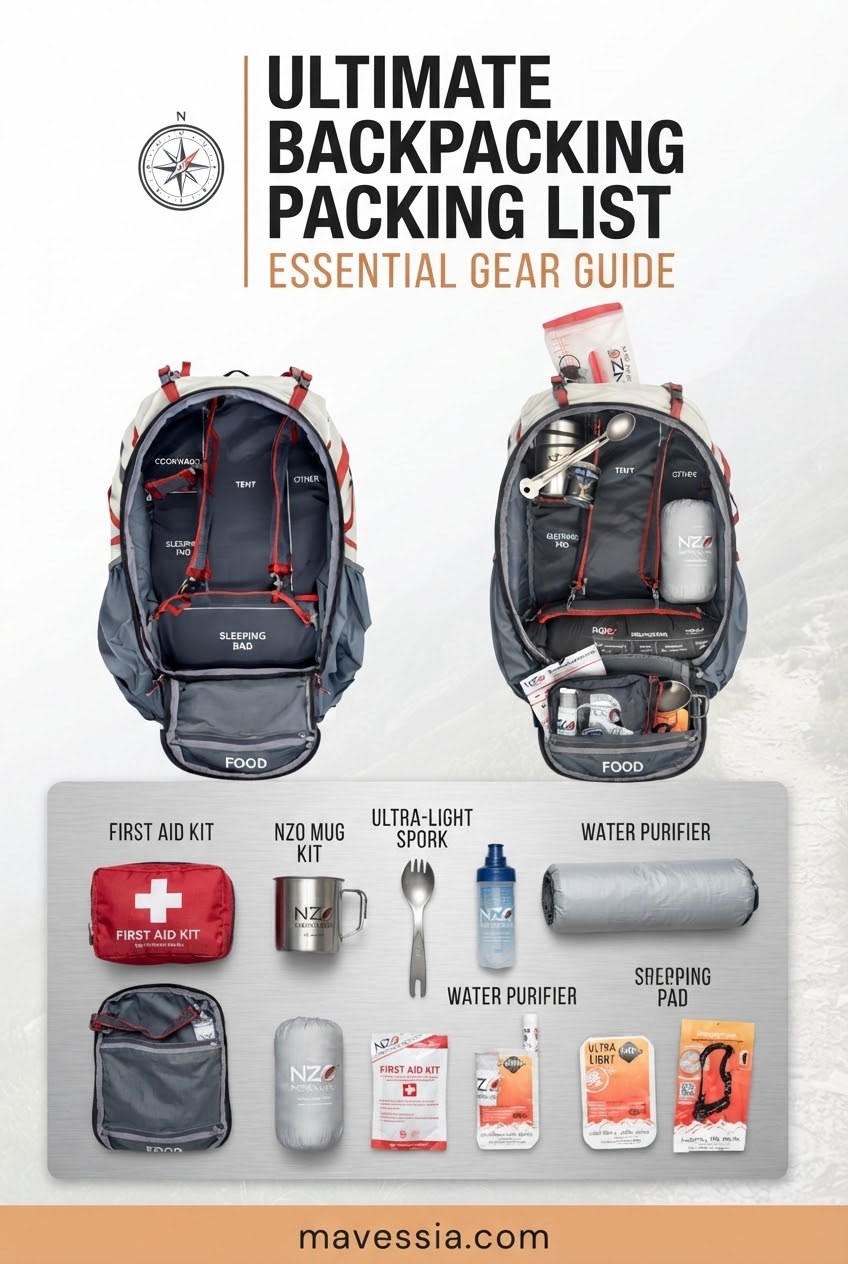
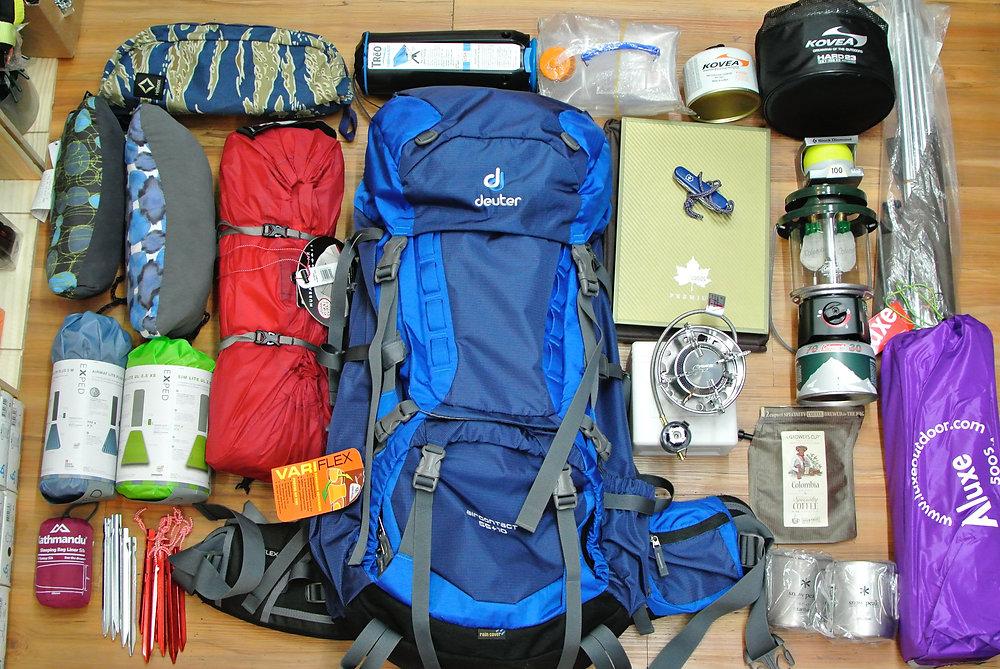
A good backpacking trip starts long before the trailhead. I treat packing the same way I treat an event timeline: if the essentials are organized, everything else becomes calmer. After years of creating detailed checklists, I know the best plans are the ones that help you enjoy the day instead of managing chaos. Modern backpacking lists usually center around systems for carrying, sleeping, cooking, hydrating, navigating, and staying safe.
My backpacking packing list at a glance
- Carry system with a properly fitted backpack
- Shelter, sleep, food, and water essentials
- Safety, navigation, and weather protection gear
Backpacking Backpack and Storage Essentials
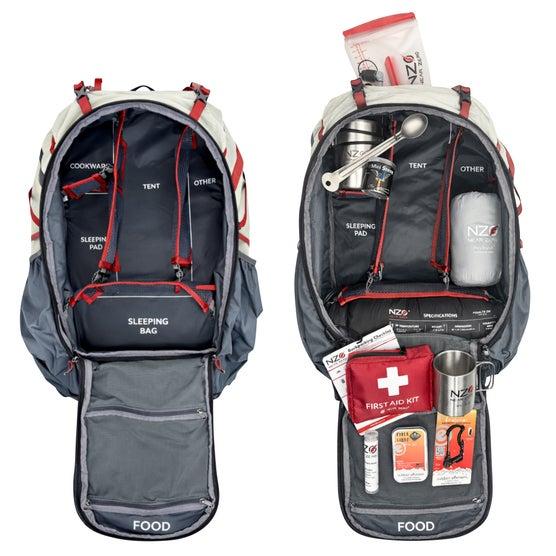
I start every packing list with the backpack because it is the one item that carries every decision I make. A comfortable pack with the right capacity and fit matters more than having the fanciest accessories.
- Backpack with appropriate volume
- Pack liner or waterproof storage bags
- Compression straps and organization pouches
My favorite trick is giving every category its own home. That way I am not emptying the entire pack to find a snack or rain layer.
Shelter and Sleeping Gear
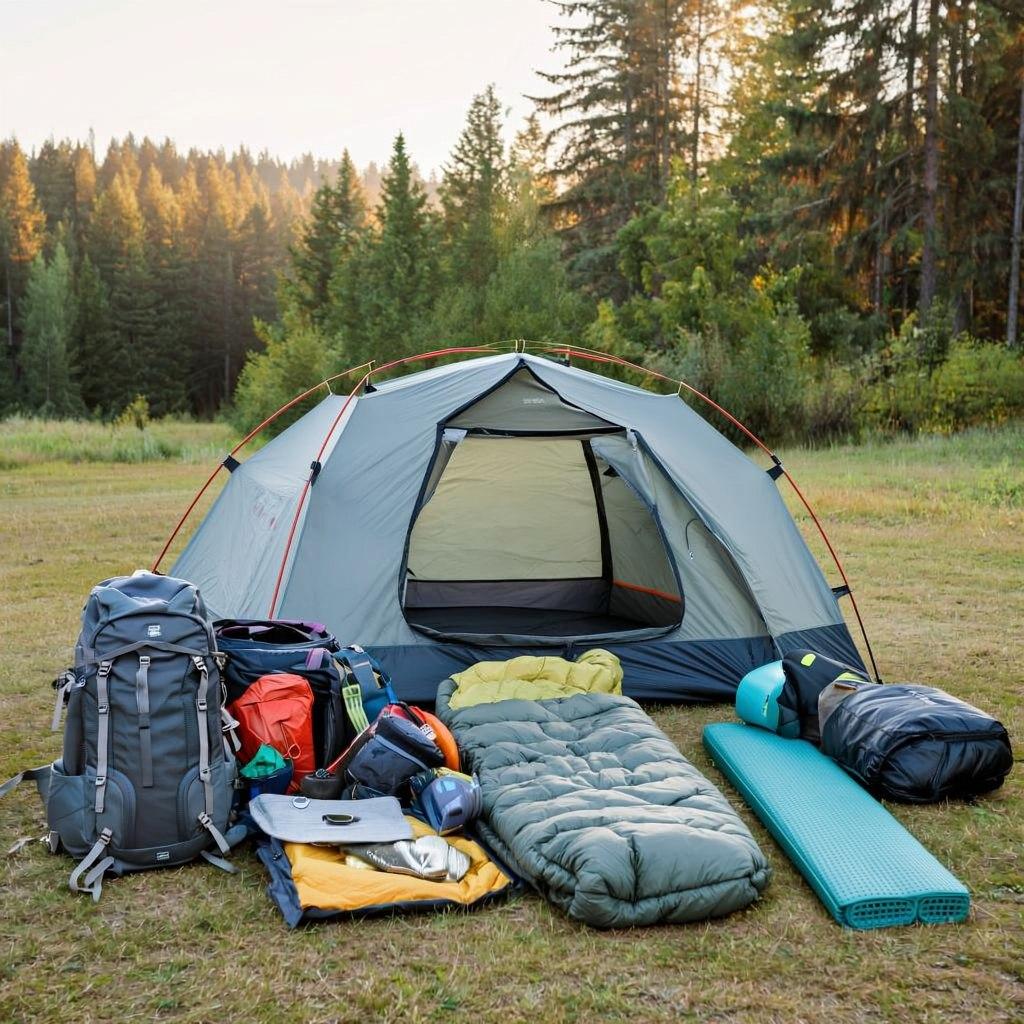
A peaceful night outside depends on the sleep system I bring. My essentials are a reliable shelter, sleeping bag or quilt, and sleeping pad suited to the weather.
My trail tip
I always test my shelter setup before leaving home. Five minutes in the backyard can prevent a very long night outdoors.
Backpacking shelters vary by weight, weather protection, and comfort, so I choose based on the trip rather than habit.
Clothing and Layering System
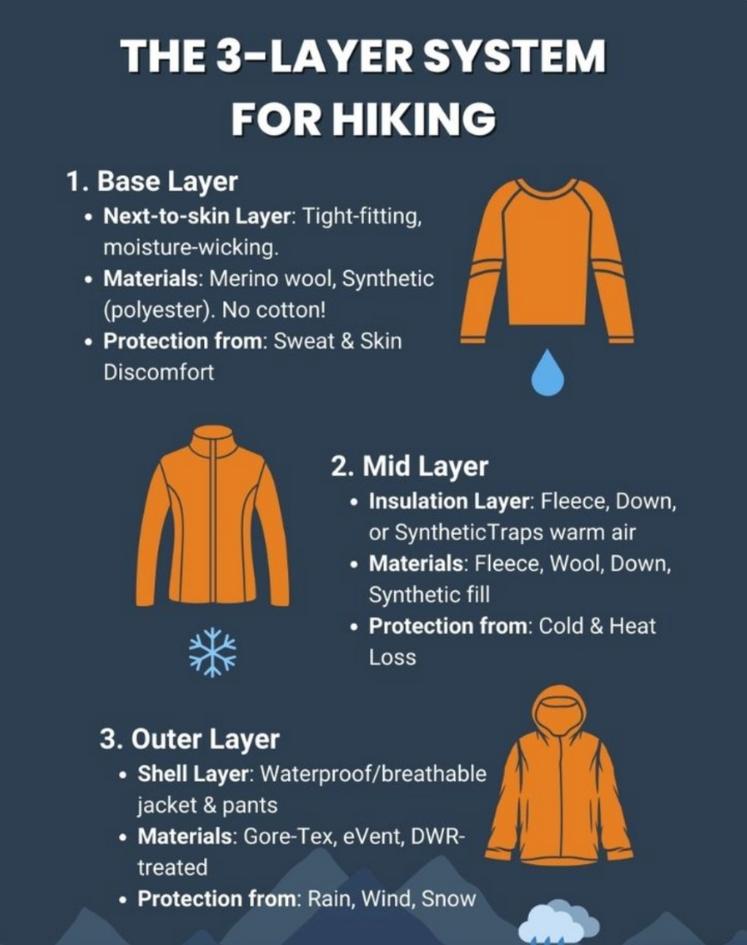
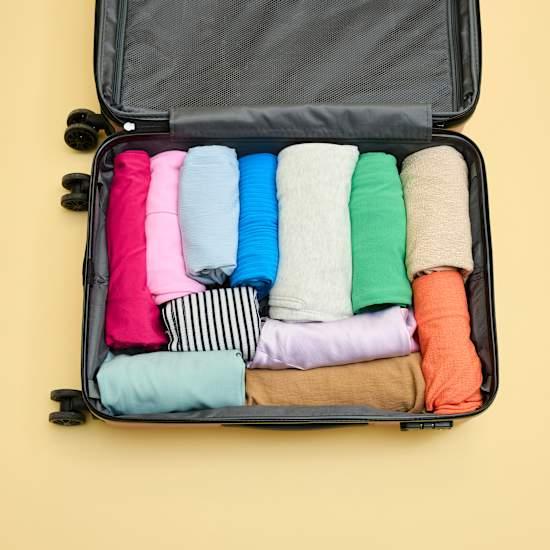
I pack clothing like I plan a wedding day timeline: every piece has a purpose. A layering system lets me adjust for changing temperatures without carrying my entire closet.
- Base layer: Moisture-wicking pieces that stay comfortable during movement.
- Insulation layer: Warmth for cold mornings and evenings.
- Shell layer: Protection from wind and rain.
I avoid bulky cotton pieces because quick-drying fabrics are much more practical on the trail.
Footwear and Hiking Accessories
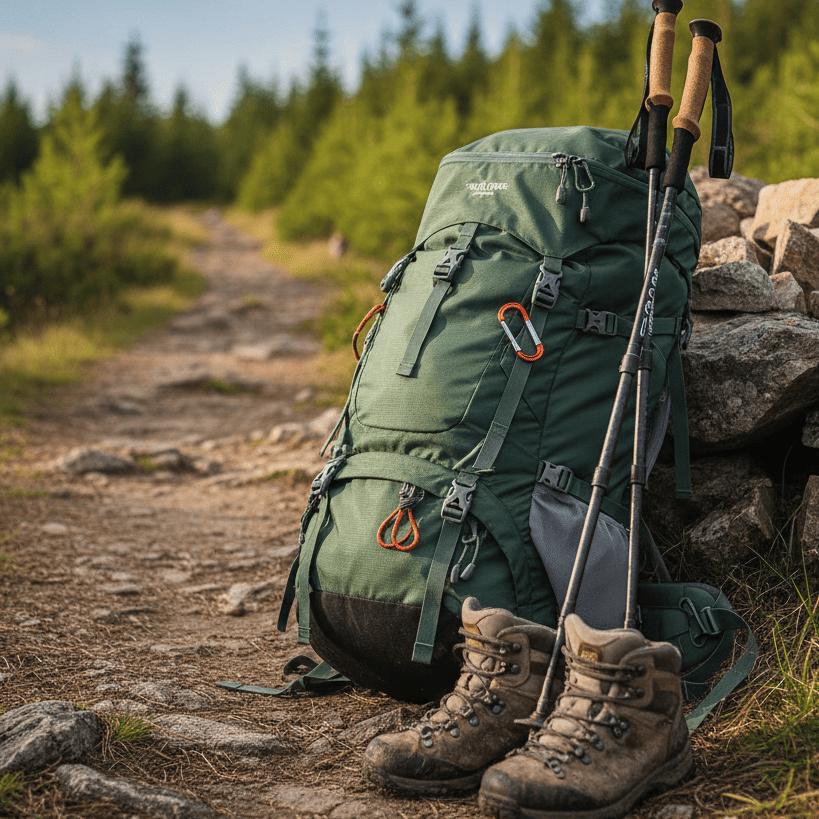
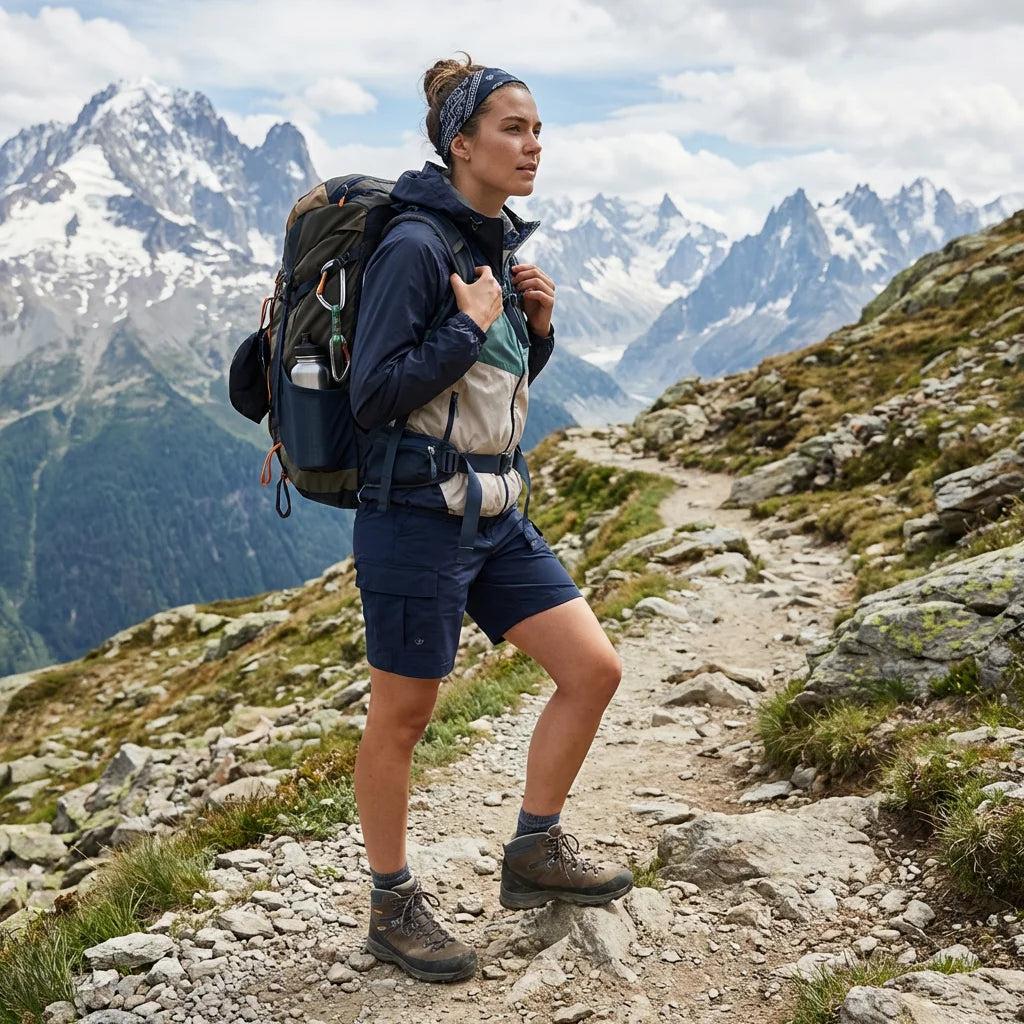
Your feet are your transportation, so I never treat footwear as an afterthought. The right trail footwear should match terrain, distance, and your own comfort.
What I love
- Broken-in hiking shoes
- Quality hiking socks
What I avoid
- Brand-new boots on a long trip
- Extra pairs I will not use
I also keep small helpers like trekking poles or gaiters only when the route truly calls for them.
Cooking Equipment and Food Supplies
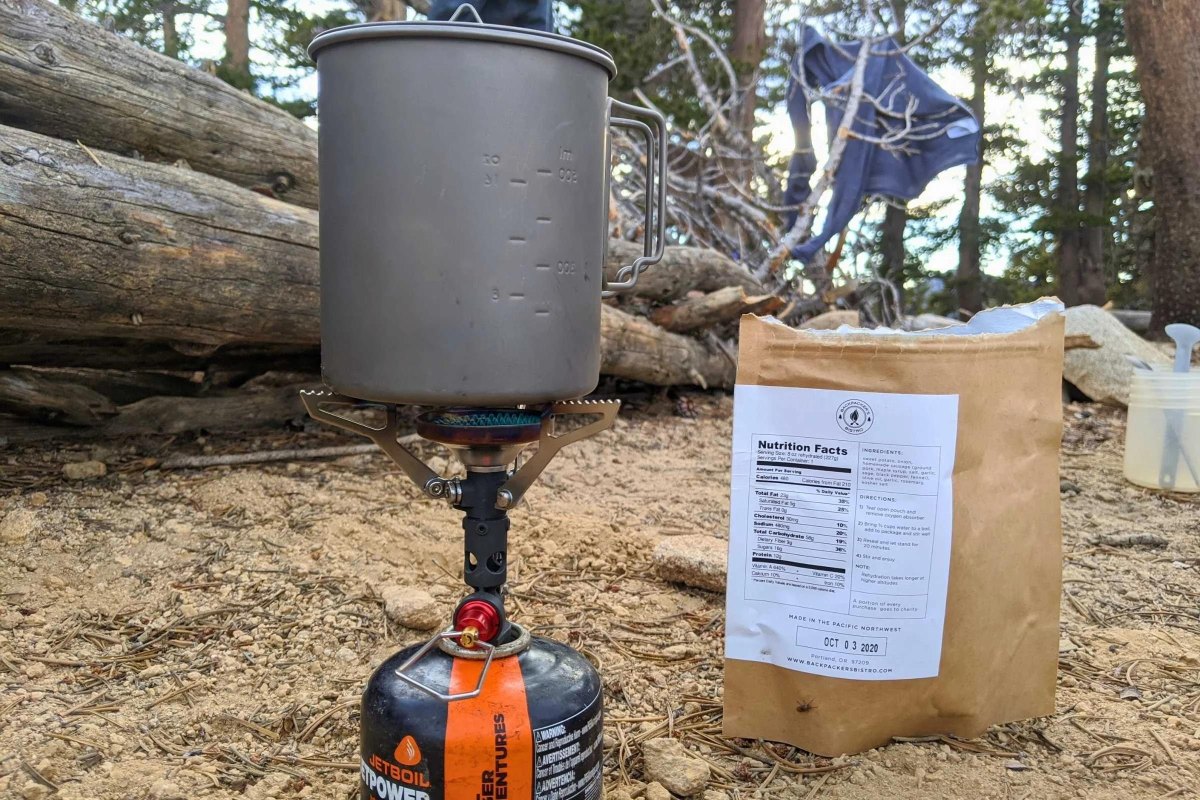
My cooking kit follows one rule: it should feed me well without becoming a second backpack. A compact camp kitchen usually includes a stove, fuel, pot, eating utensil, and simple meals.
| Item | Purpose |
|---|---|
| Stove | Prepare hot meals |
| Pot | Cook and boil water |
I choose foods that are easy to prepare because the trail is where I want to spend my energy, not on complicated cooking.
Water Filtration and Hydration Gear
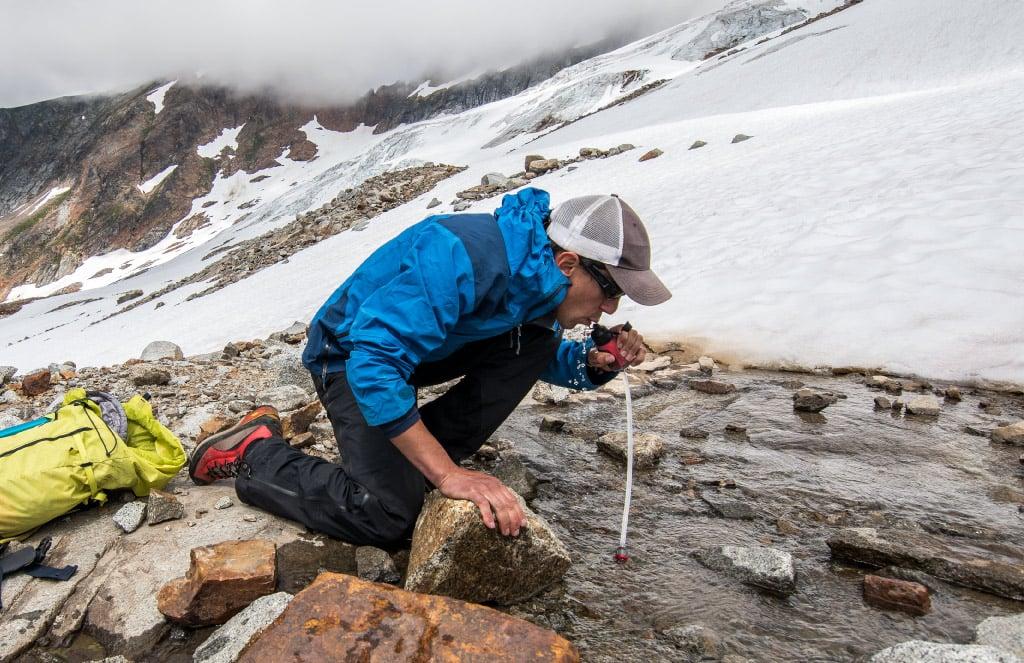
Water planning is one of the first things I confirm before any trip. My hydration setup includes bottles or reservoirs plus a reliable filtration or purification method.
Do not skip this
Never assume a beautiful stream means safe drinking water. Treat water according to the conditions and your equipment.
I also check the route for available sources so I know how much capacity to carry.
Navigation and Trail Safety Tools
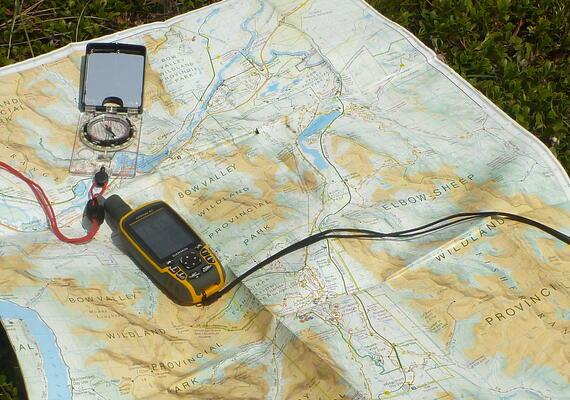
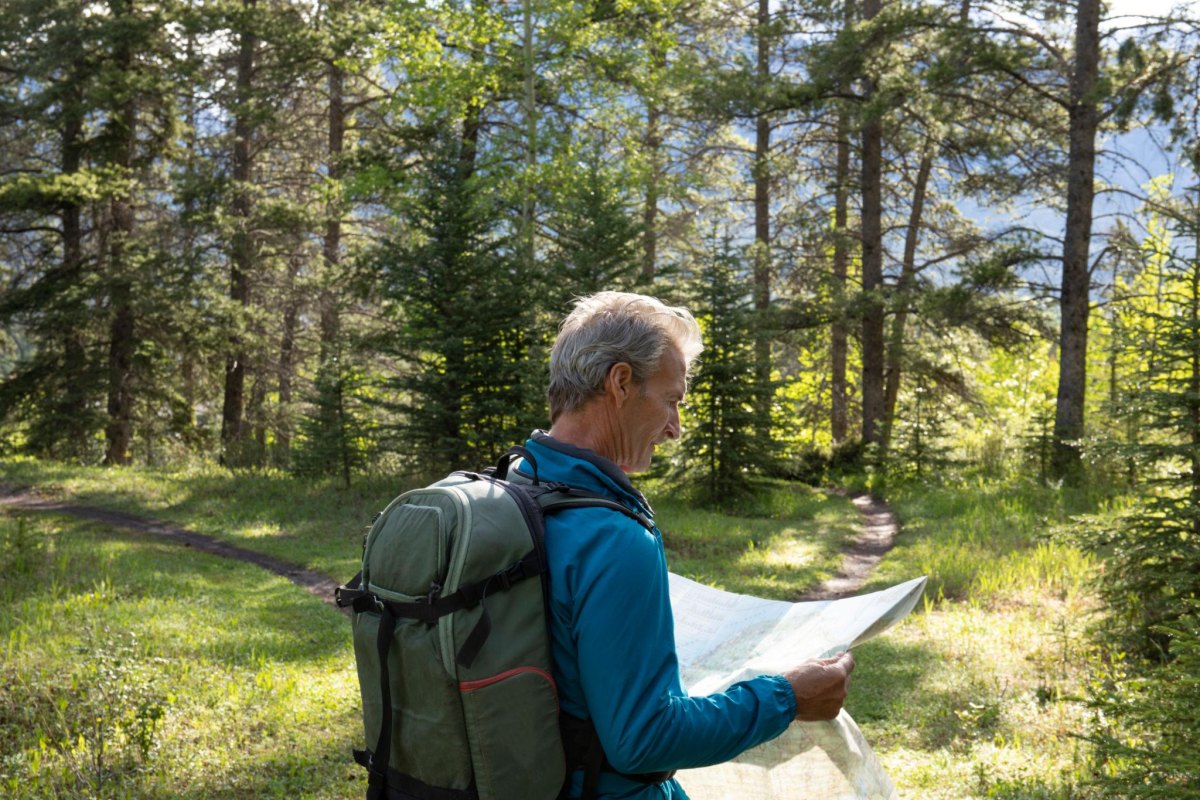
I have learned from event work that a backup plan is never wasted. On the trail, my navigation tools keep small problems from becoming big ones.
- Map and compass
- GPS device or phone navigation backup
- Route information and permits when required
Traditional navigation tools remain important because batteries and signals are never guaranteed.
First Aid and Emergency Supplies
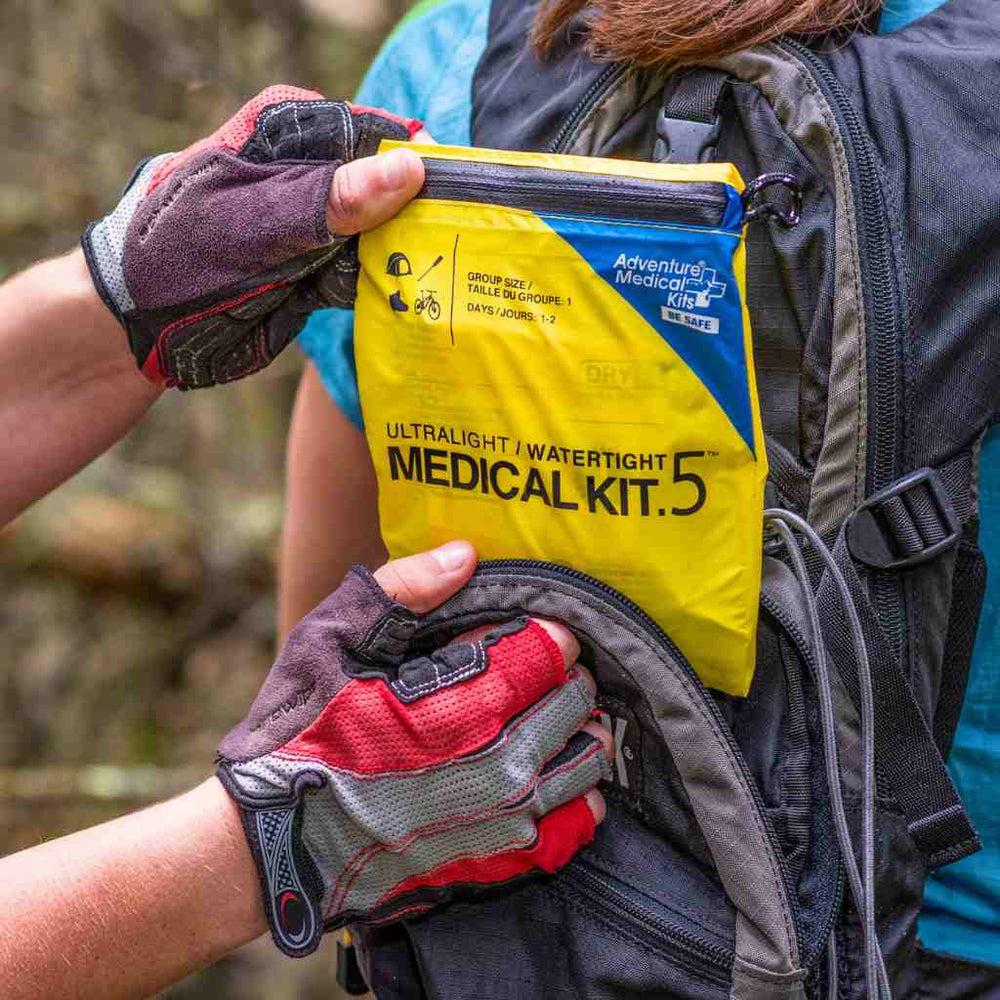
My emergency kit is not about expecting trouble; it is about respecting the outdoors. A small first aid kit handles common issues while emergency communication tools add confidence on remote routes.
- Pack. Include basic medical supplies.
- Check. Replace expired items before trips.
- Carry. Keep essentials reachable.
The best emergency item is the one I can find quickly when I need it.
Lighting and Power Equipment
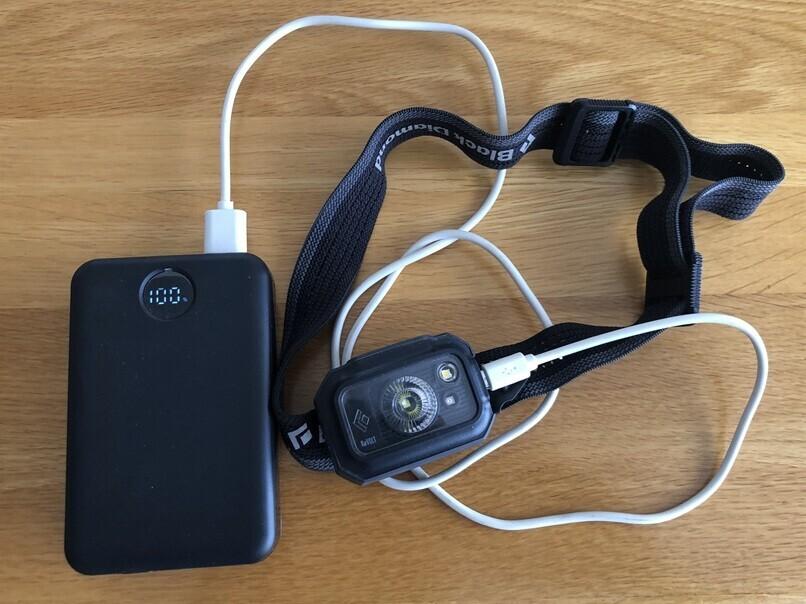
I never leave for a backpacking trip without dependable trail lighting. A headlamp is small, but it solves everything from cooking after sunset to finding gear in a dark tent.
1
reliable light source belongs in every pack
I also bring spare batteries or a charging option when the trip length and electronics require it.
Hygiene and Personal Care Items
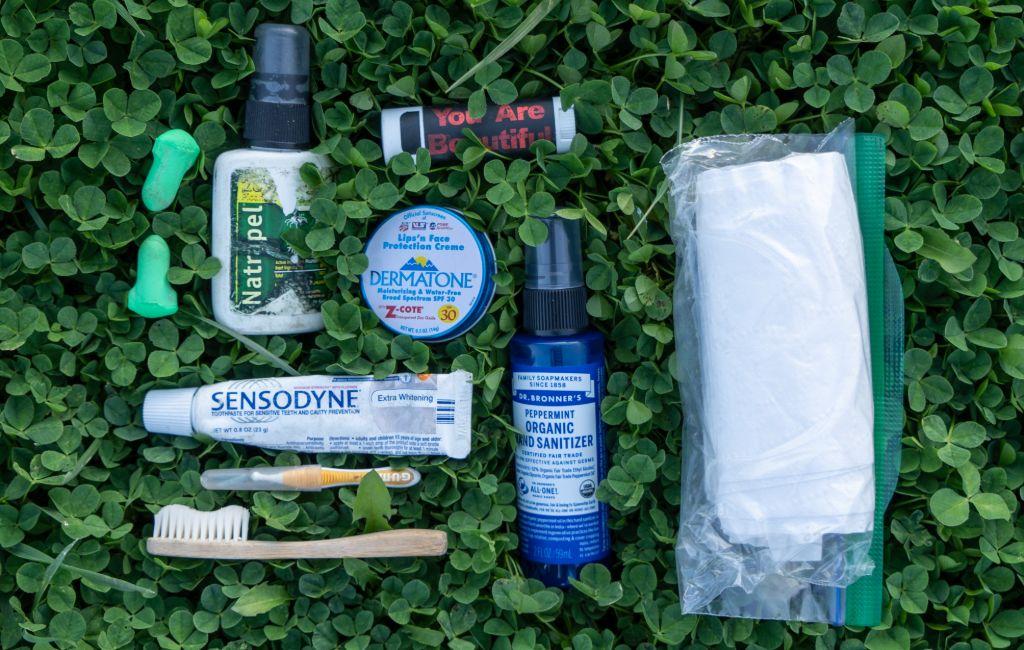
Backpacking hygiene is about staying comfortable with fewer items. My personal care kit is compact but covers the basics: toothbrush, sanitation supplies, medications, and small toiletries.
- Must-have: Toothbrush, toilet supplies, sanitizer, medications.
- Nice-to-have: Small towel and skin care items.
I pack what keeps me healthy and happy, not what fills space.
Weather Protection and Outdoor Accessories
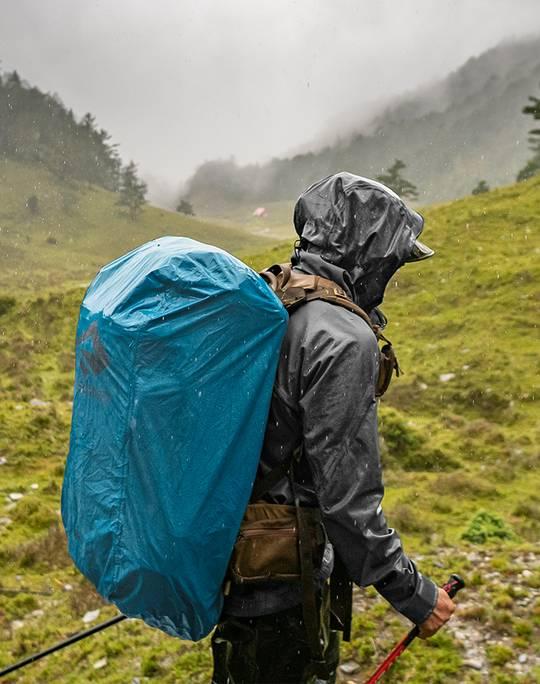
Weather can change faster than any itinerary, so my weather protection gear stays accessible. A rain shell, pack cover, hat, and seasonal accessories earn their place.
My packing habit
I keep rain protection near the top of my pack because waiting until everything is soaked is a very avoidable mistake.
Planning for conditions instead of hoping for perfect weather makes every trip smoother.
Repair Kits and Multi-Use Tools
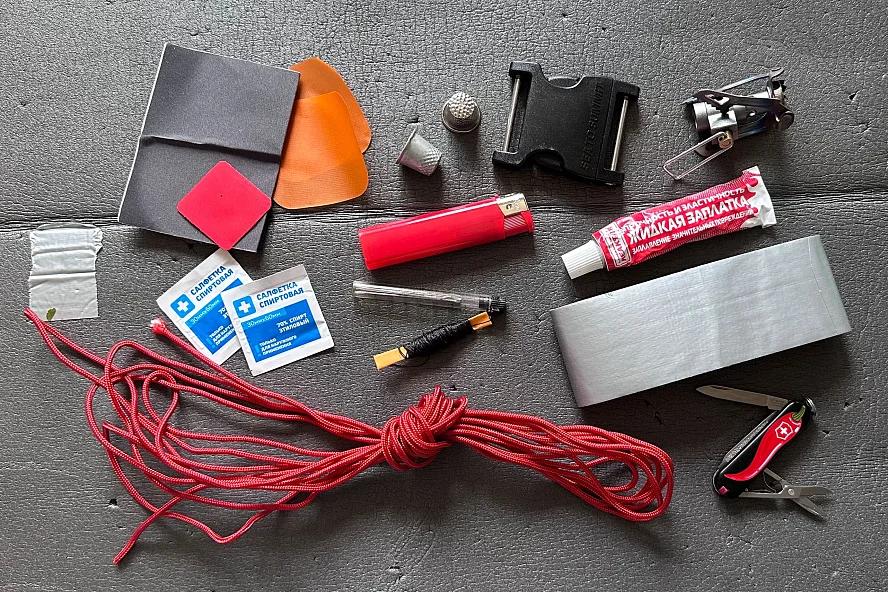
A tiny repair kit can save a trip. My repair essentials usually include tape, cord, patches, and a small multi-use tool.
- Repair tape
- Small knife or multi-tool
- Spare cord and patches
I think of this kit like my event emergency bag: small, boring, and extremely valuable when something goes wrong.
Documents, Money, and Travel Essentials
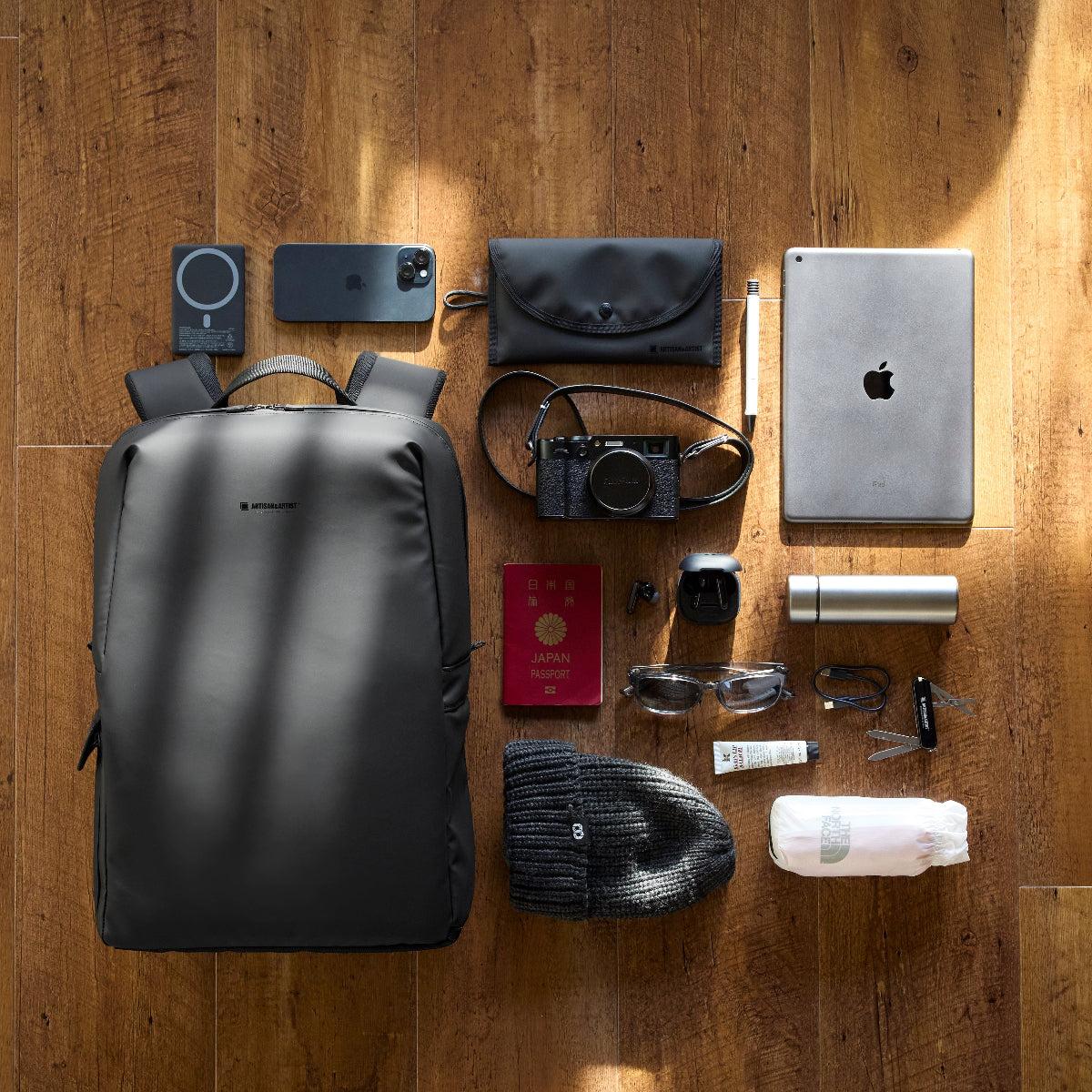
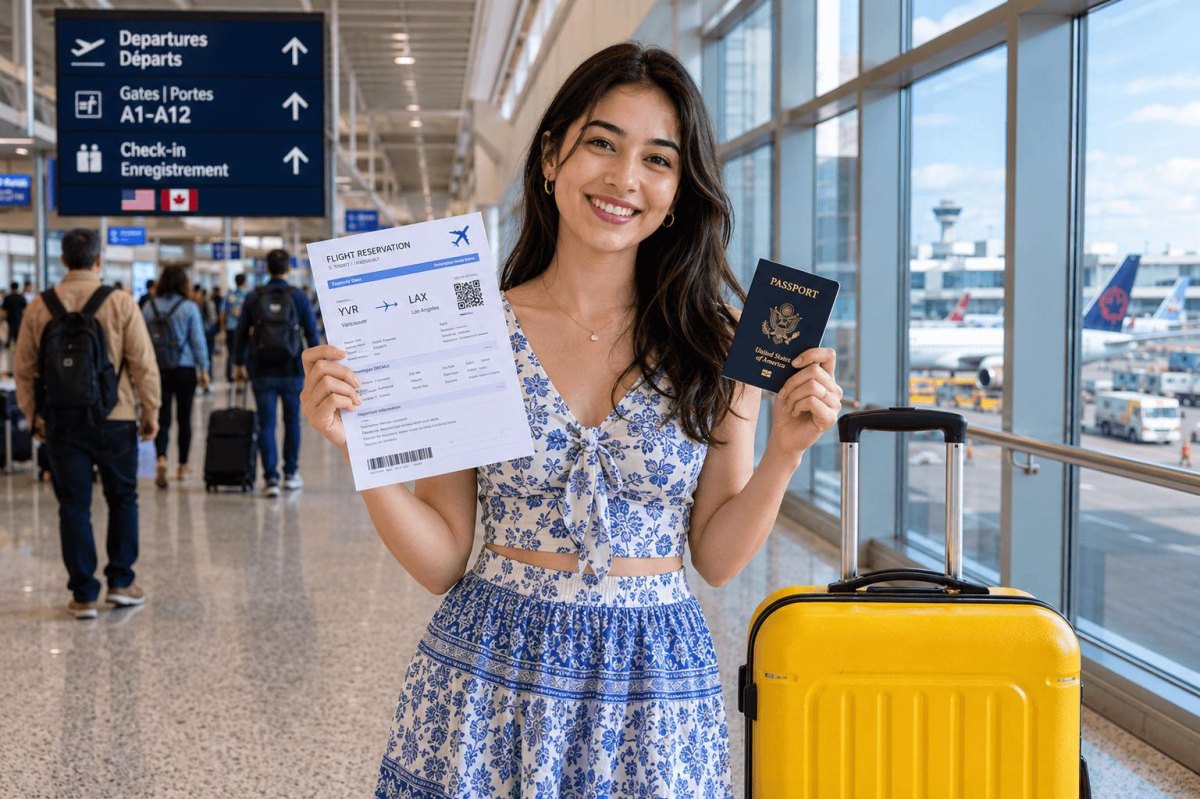
The final category is easy to overlook because it feels less adventurous, but my travel essentials keep logistics simple. I pack identification, permits, payment methods, and important trip details.
Before leaving home
Take a photo of important documents and confirm any permits or reservations required for your route.
A great adventure still needs a little organization before the first step.
More Pinterest Visuals