RV travel day plan in one place
- My checklist covers the small departures details that prevent stressful stops later.
- I organize each task like an event timeline, so the driver can leave calmly and confidently.
I have learned from years of managing timelines that the smoothest days are rarely accidental. An RV departure works the same way as a well-run celebration: the preparation happens before the guests arrive, or in this case, before the wheels roll.
Check Weather and Route Conditions
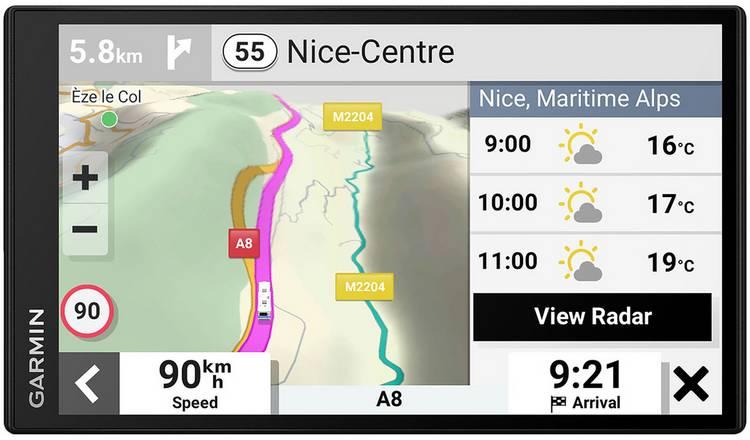
Before I pull away, I check forecasts, road conditions, and my planned route. A beautiful destination is not worth rushing into unsafe driving conditions. RV route tools increasingly include weather and rig-aware planning features.
I also leave room for changes because flexibility protects the schedule when weather decides otherwise.
Inspect Tires, Wheels, and Tire Pressure
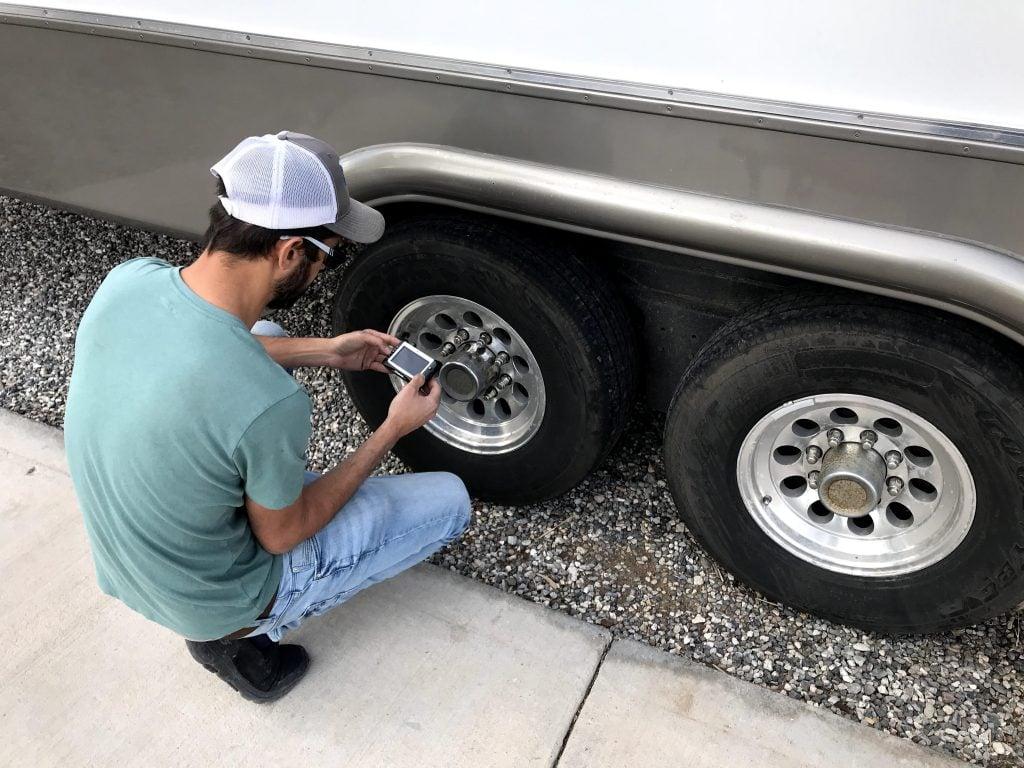
Tires get my attention first because they carry everything behind me. I check pressure, visible damage, and wheel condition before every travel day. Cold tire pressure checks are one of the simplest safety habits.
A few minutes here can save a very expensive roadside interruption.
Secure Interior Items Before Departure
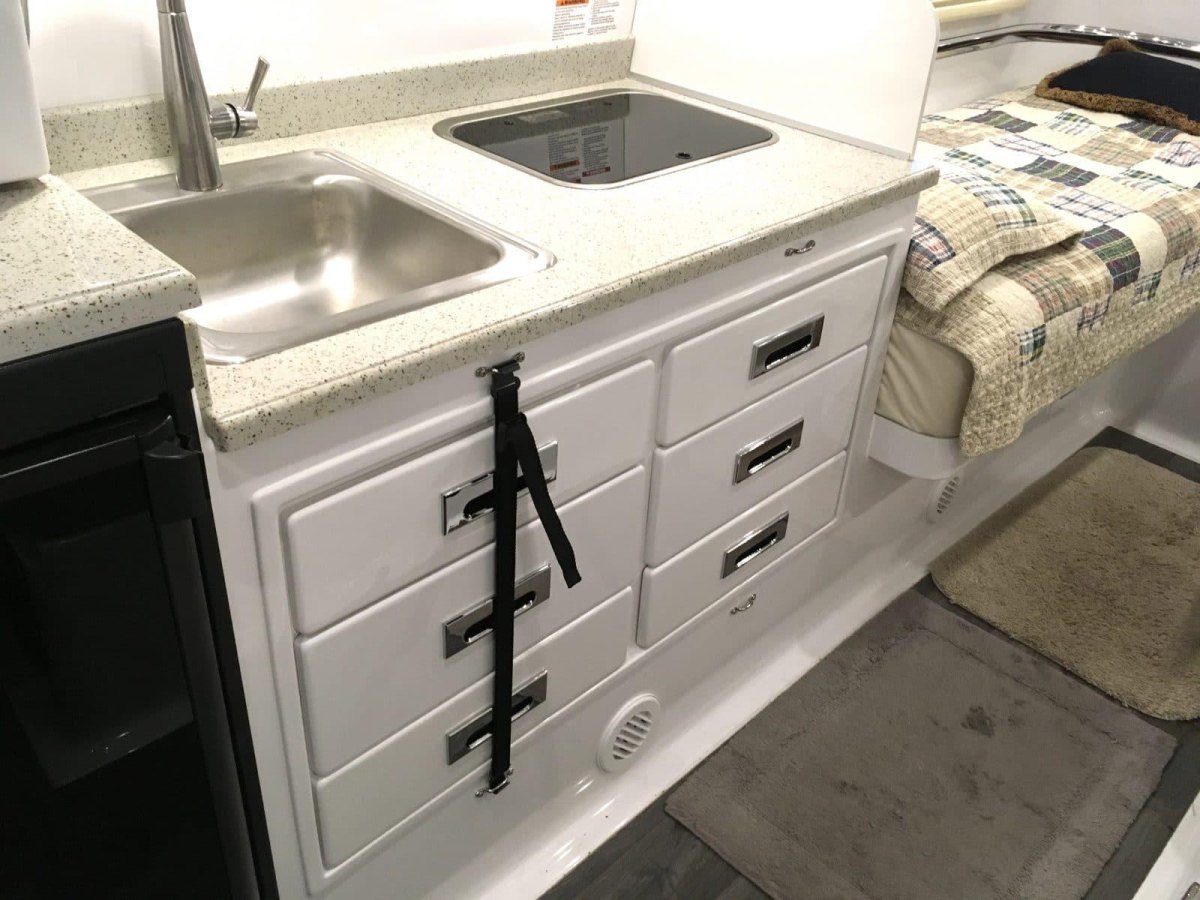
I treat the RV interior like a moving kitchen during a wedding setup: everything needs a home. Cabinets, counters, and loose decorations need secure storage before movement.
The goal is simple: arrive with the same organized space I left with.
- Latch cabinets and drawers.
- Secure breakable items.
- Check refrigerator contents.
Disconnect Power, Water, and Sewer Connections
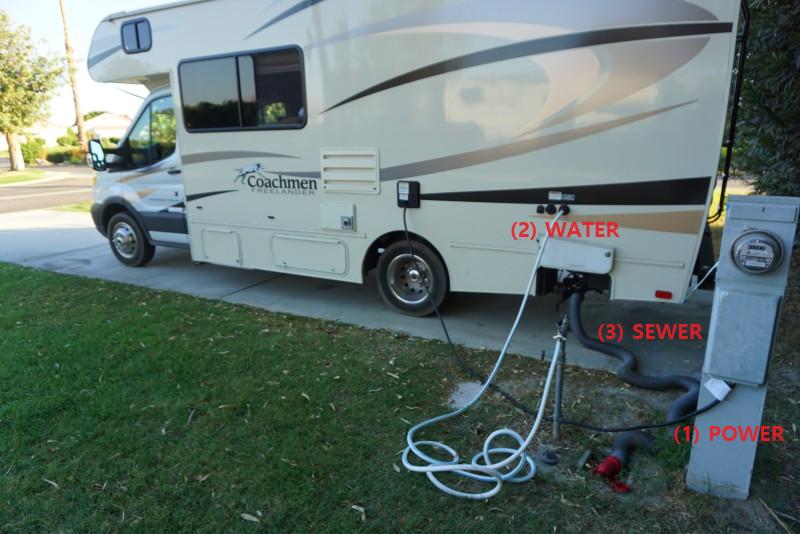
This is my classic walk-away-and-look-back moment. I verify every hookup is removed because forgotten connections create costly problems.
I check power cords, water hoses, and sewer equipment before leaving the campsite.
Retract Awning, Steps, and Slide-Outs
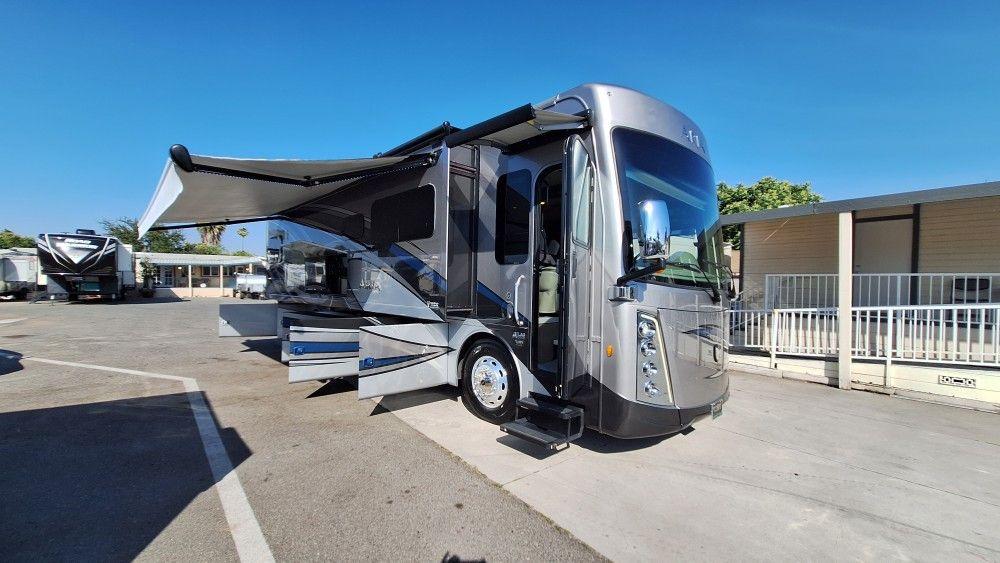
Slides, awnings, and steps are easy to overlook when everyone is excited to leave. I use a final sweep for all extended RV components.
A two-minute check prevents the kind of mistake that can ruin an otherwise lovely travel day.
Complete Exterior Safety Walkaround
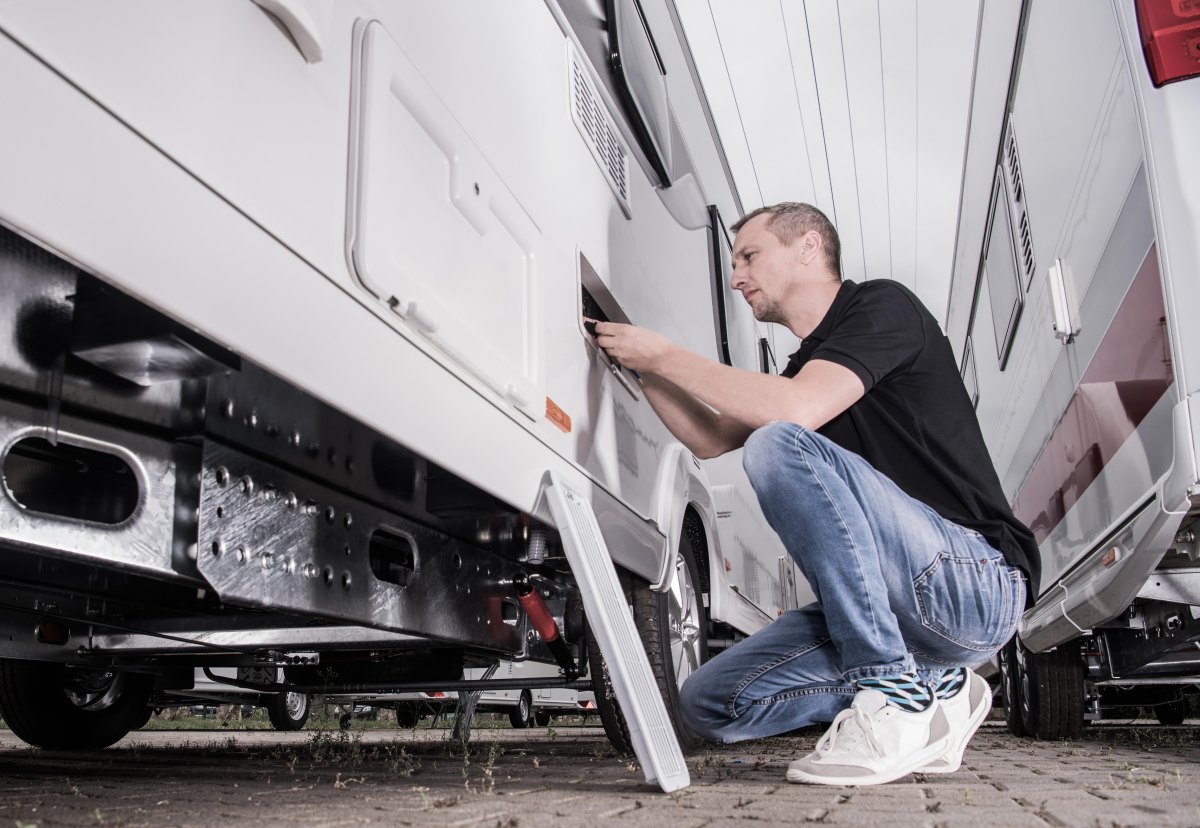
I always walk the entire RV perimeter before moving. This habit is my version of a wedding planner checking the room before doors open: nothing gets missed at the finish line.
The walkaround confirms doors, compartments, and exterior equipment are ready.
Check Engine Fluids and Mechanical Systems
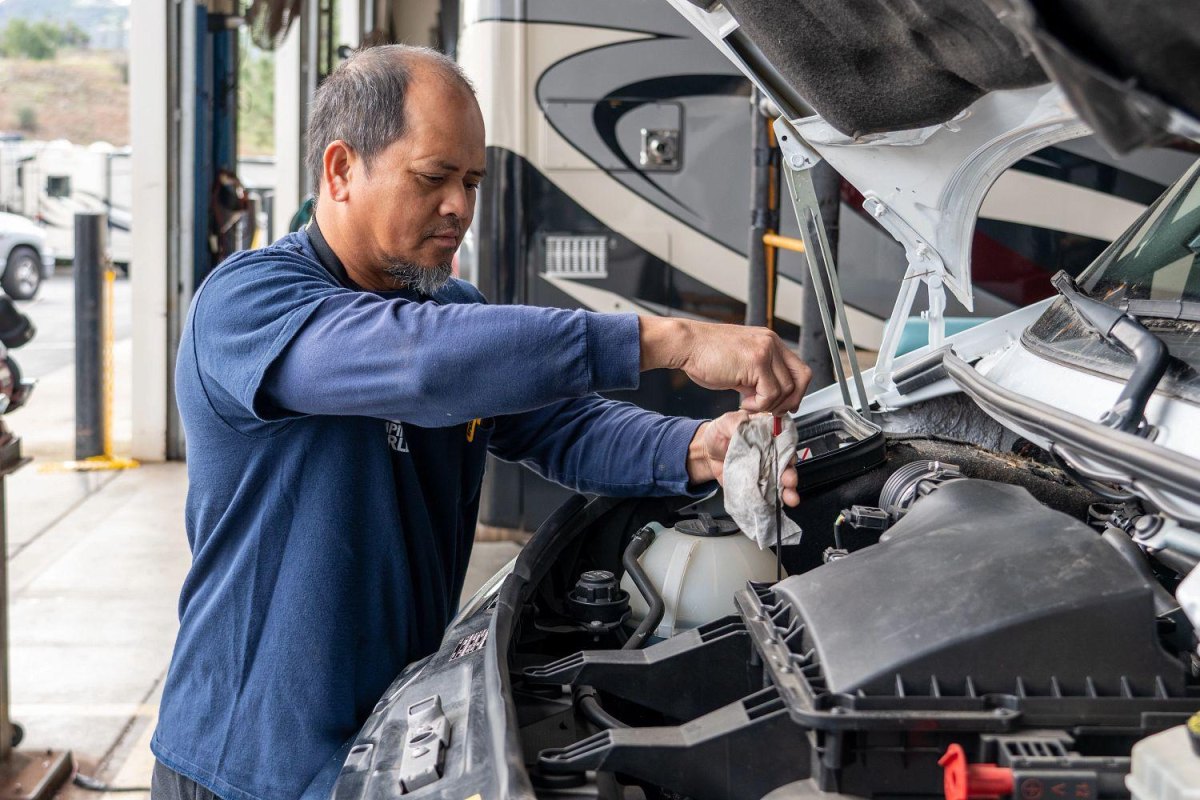
Before a longer drive, I check the basics: fluids, batteries, and visible mechanical concerns. Preventive checks at home are much easier than repairs beside the highway.
I prefer a calm driveway inspection over a surprise service call.
Verify Lights, Signals, and Brakes
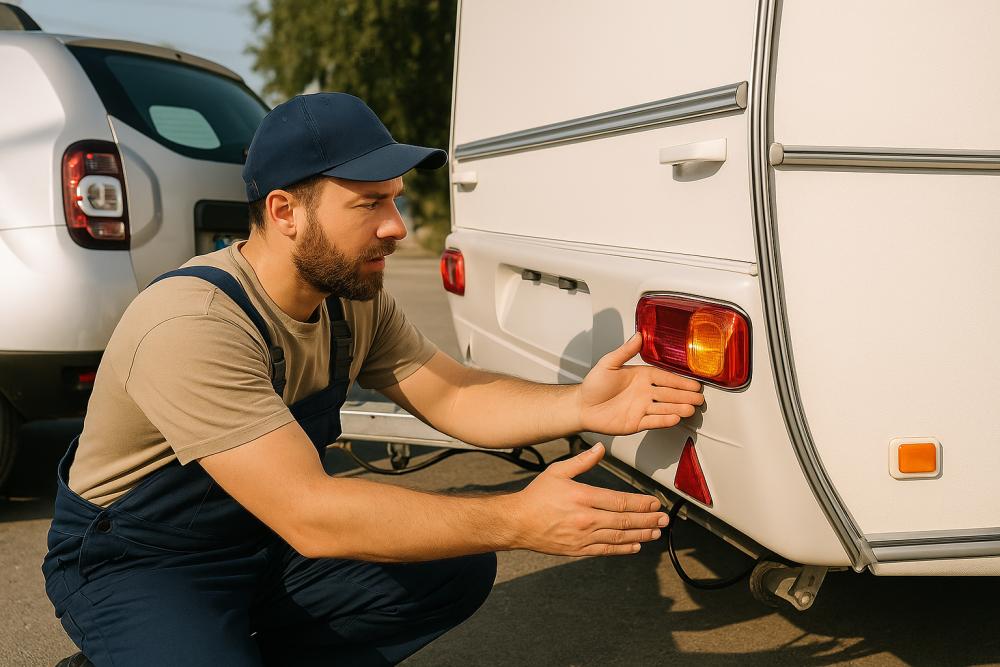
I test every light before departure, especially when towing. Brake lights, signals, and running lights are small details with big safety value.
A partner can walk around while the driver tests controls.
Confirm Hitch, Tow Gear, and Safety Chains
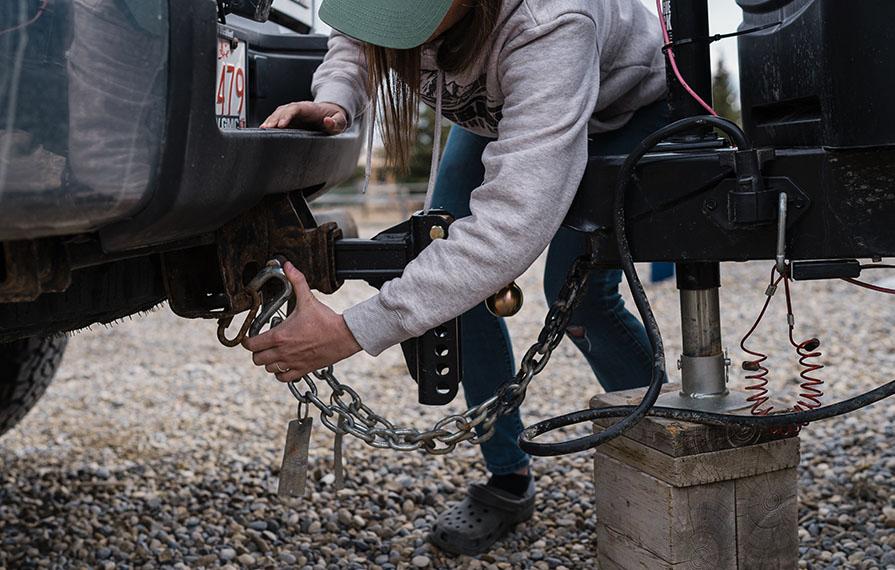
Towing requires a deliberate checklist. I confirm the hitch connection, safety chains, and electrical connections because secure towing starts before the road.
I never let being in a hurry replace a proper connection check.
Pack Food, Water, and Travel Essentials
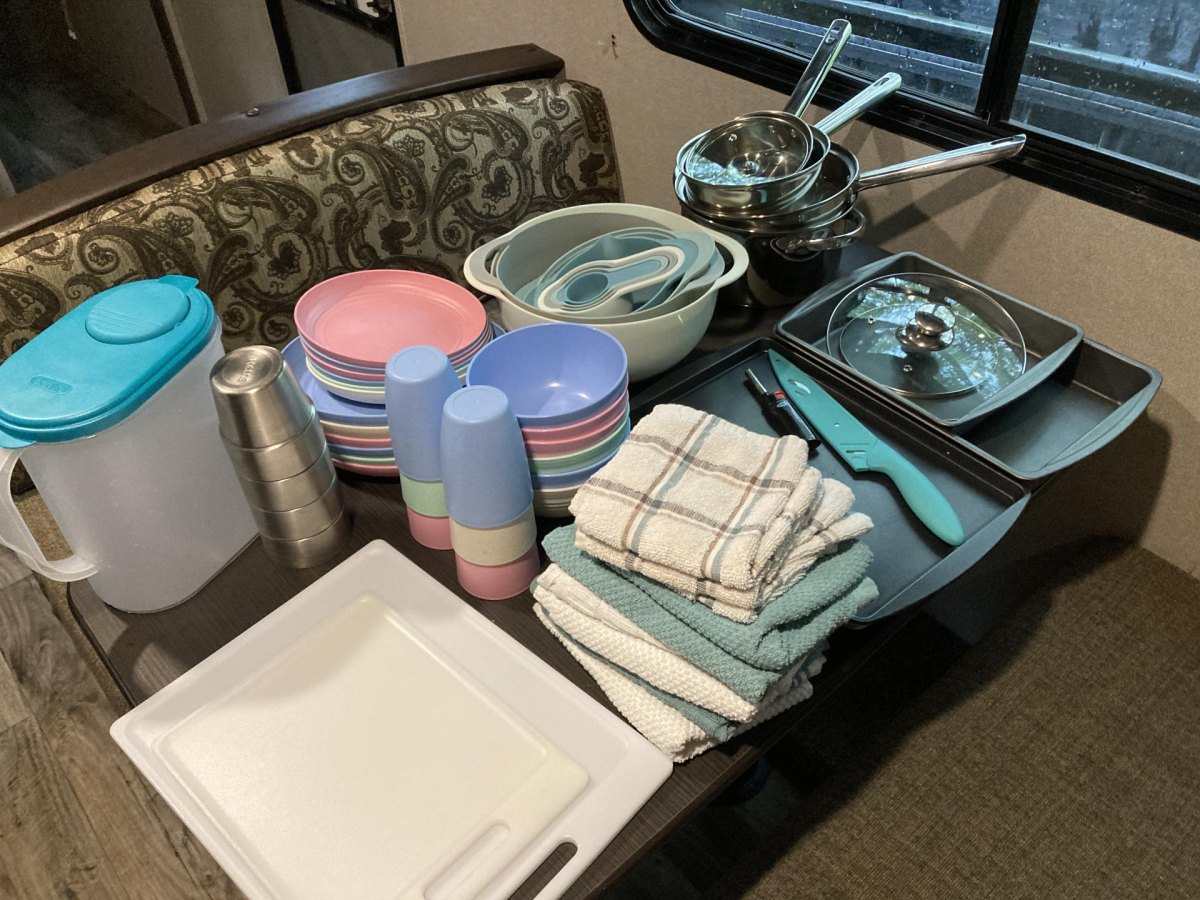
I pack travel supplies with the same mindset I use for parties: enough to welcome people, not enough to create chaos. Smart packing keeps the day comfortable.
Water, snacks, medications, chargers, and daily necessities stay easy to reach.
Prepare Navigation and Travel Apps
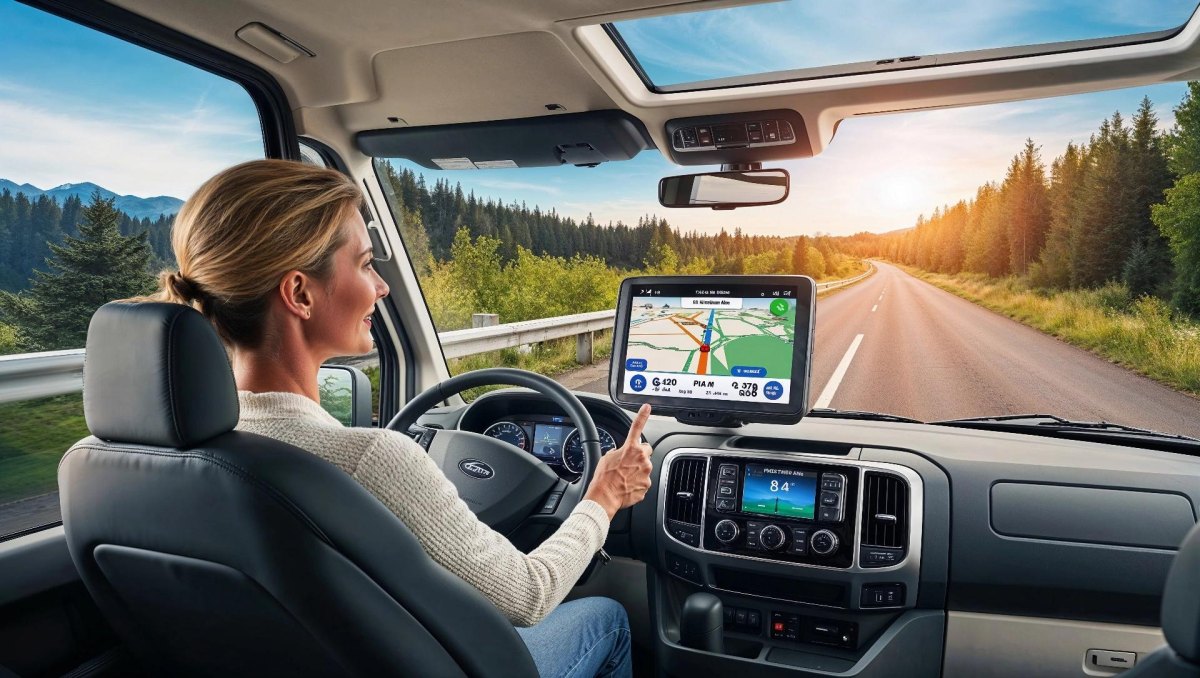
I set navigation before moving, including stops for fuel and breaks. RV-specific planning helps account for vehicle size and route limitations.
I prefer preparation over searching for answers while driving.
Secure Pets and Passenger Areas
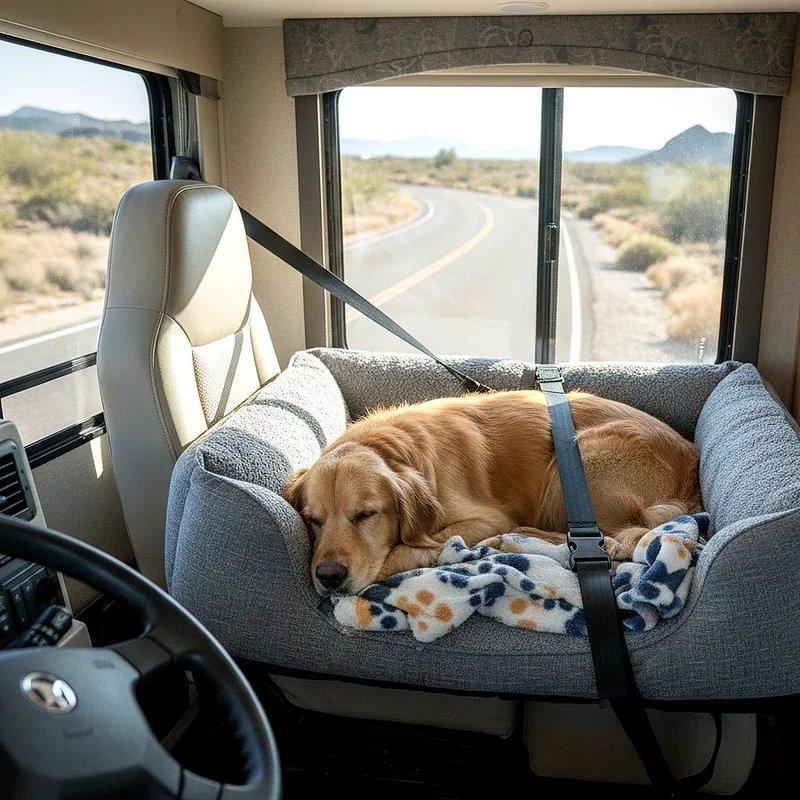
Everyone traveling needs a safe place, including four-legged passengers. I prepare areas with comfort and stability in mind.
A calm passenger makes for a calmer driver, and that applies beautifully to pets too.
Check Fuel Level and Plan Fuel Stops
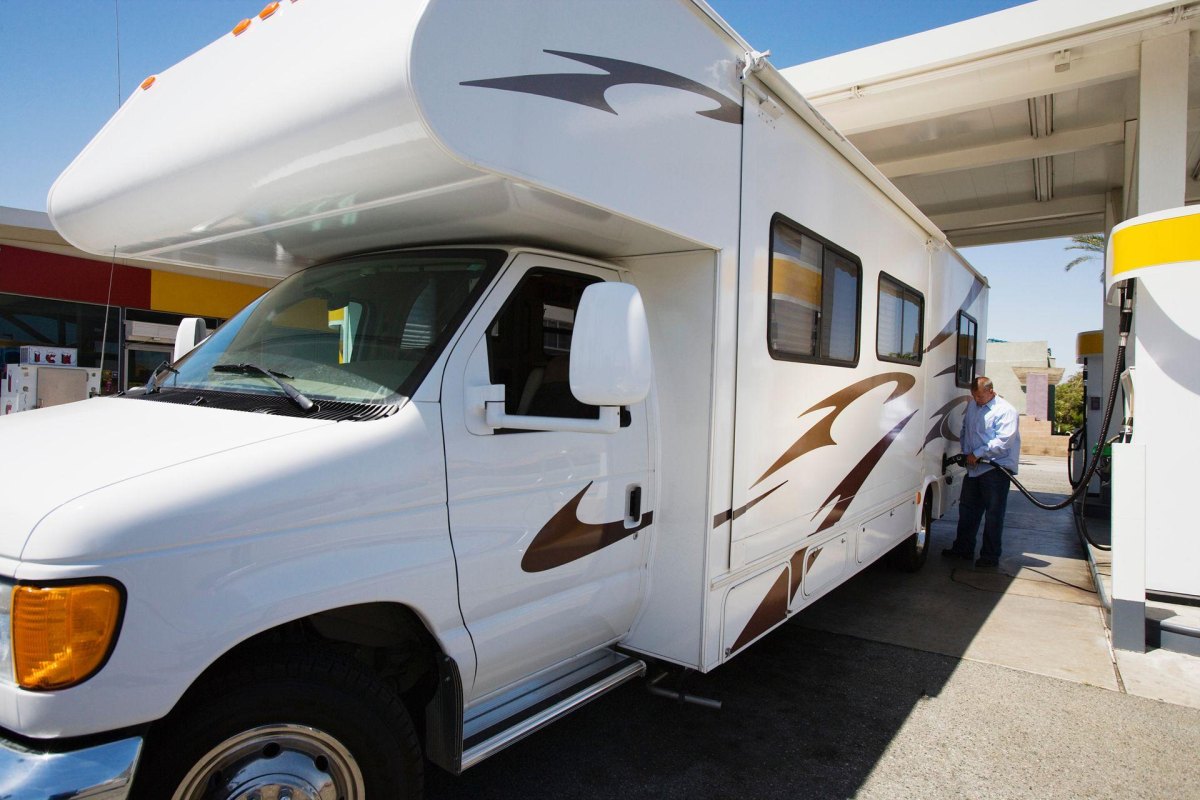
I never wait until the tank is nearly empty to think about fuel. RV travel rewards planned stopping points, especially on unfamiliar routes.
I check stations that can comfortably handle the size of my rig.
Review Emergency Gear and First Aid Supplies
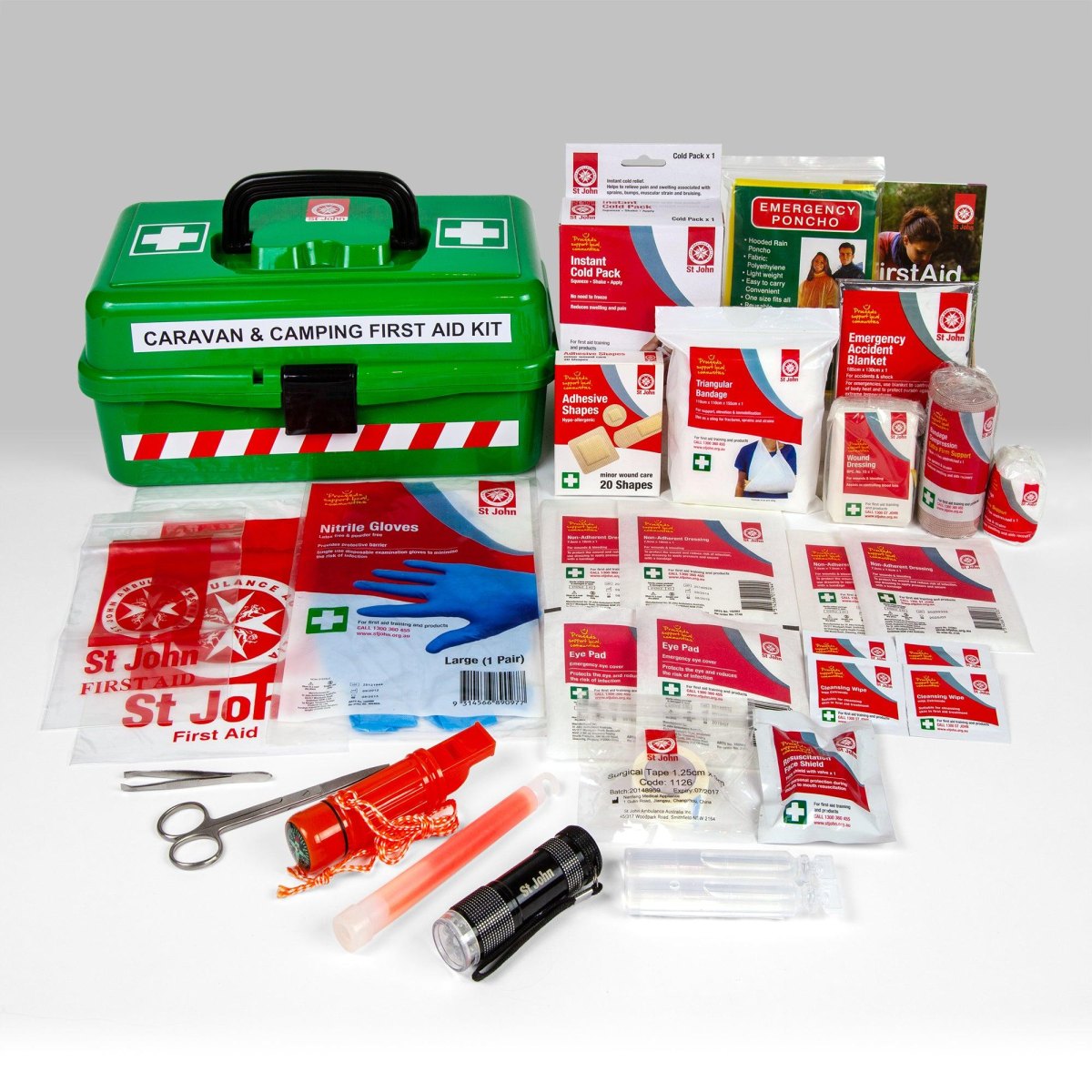
My emergency kit is not the glamorous part of travel, but it is the part I am grateful to have. I check first aid and roadside essentials before leaving.
Prepared does not mean worried; it means I can enjoy the trip.
Adjust Mirrors and Driver Visibility
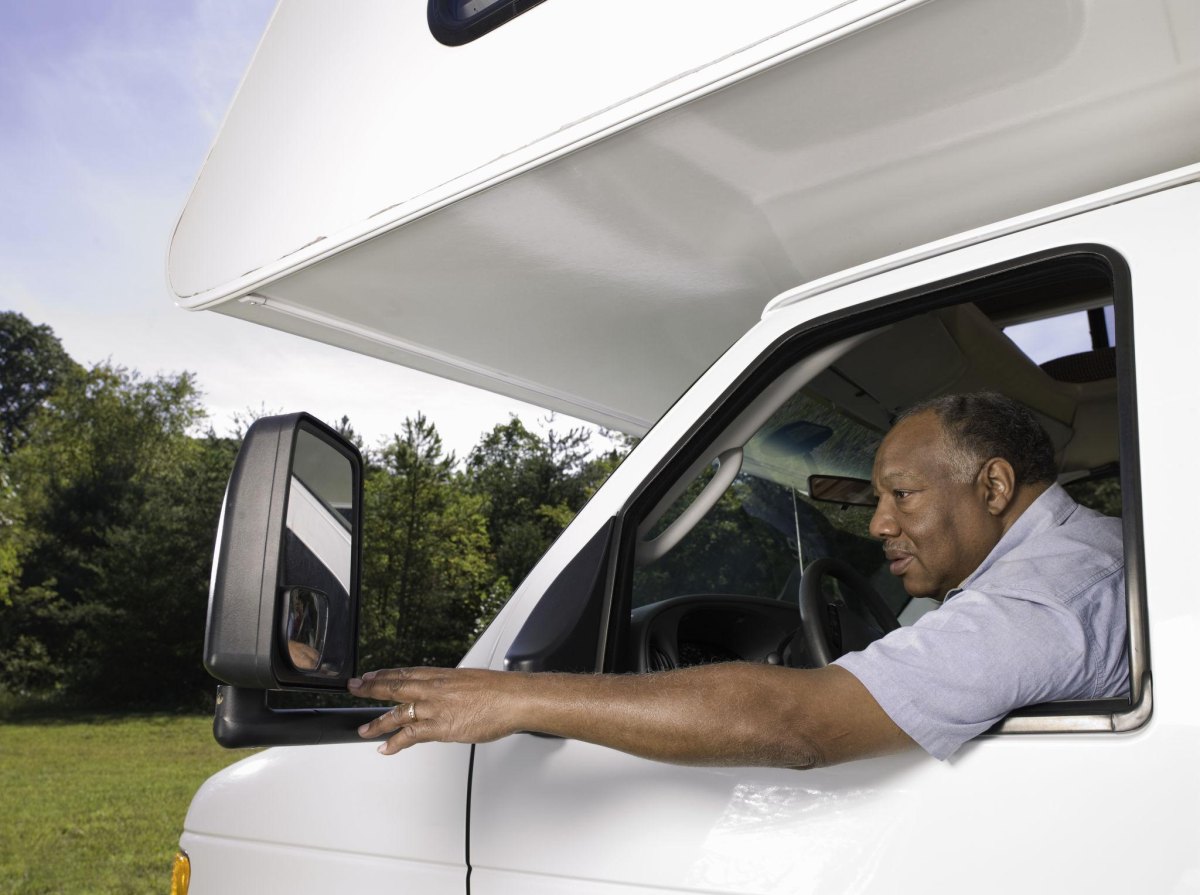
Before the first mile, I adjust mirrors, seating, and visibility. A comfortable driver has better awareness on the road.
This is a tiny task that improves every mile afterward.
Confirm Documents, Permits, and Reservations
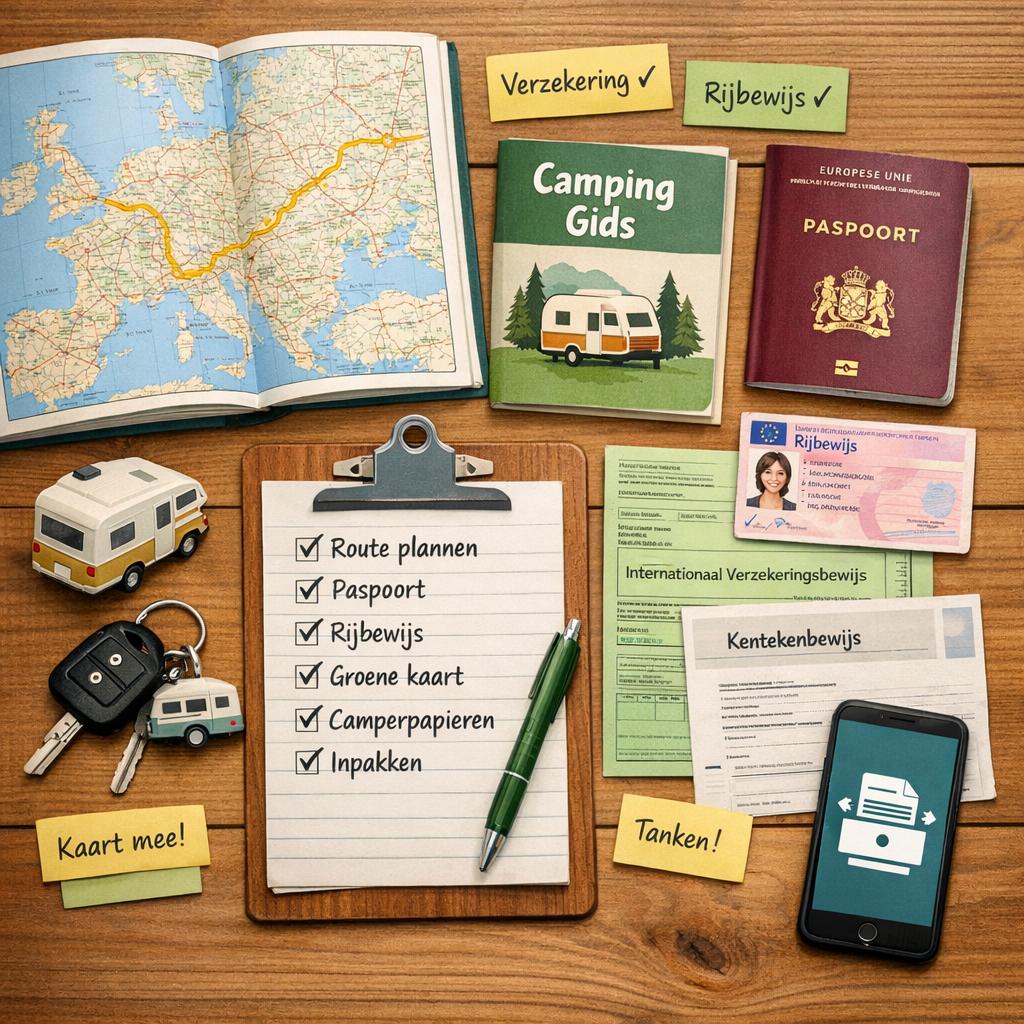
I keep confirmations and important documents organized before departure. Good planning means the paperwork is ready before arrival.
I would rather find a reservation number at home than in a campground parking area.
Start the RV and Monitor Dashboard Indicators
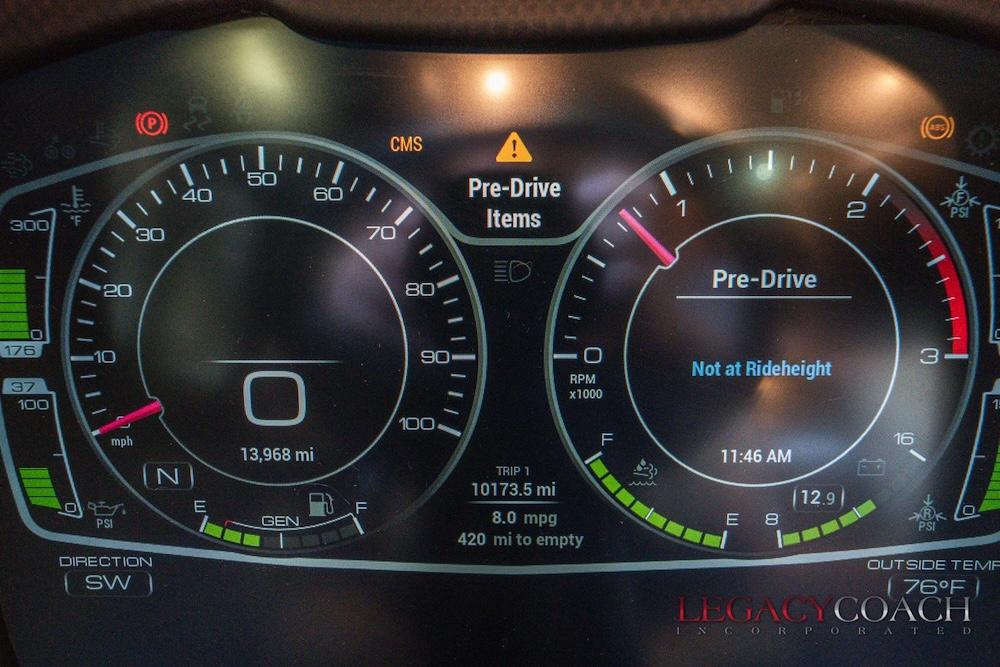
Once started, I give the RV a moment to tell me how it feels. Dashboard warnings and unusual sounds deserve immediate attention before departure.
A calm start creates a calmer travel day.
Do a Final Departure Check Before Leaving
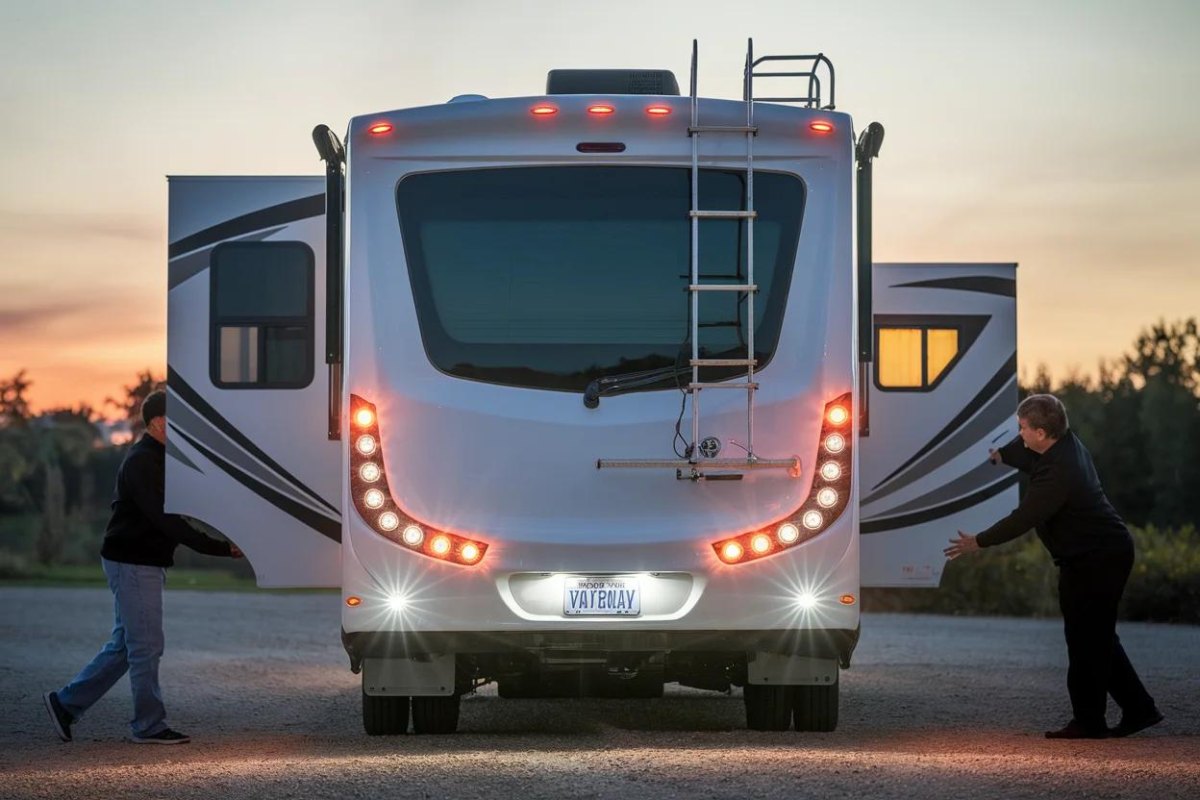
My final check is the same as closing a party venue after guests leave: I walk through once more. This last visual sweep catches forgotten items.
I check surroundings, locks, connections, and the road ahead before shifting into travel mode.
More Pinterest Visuals