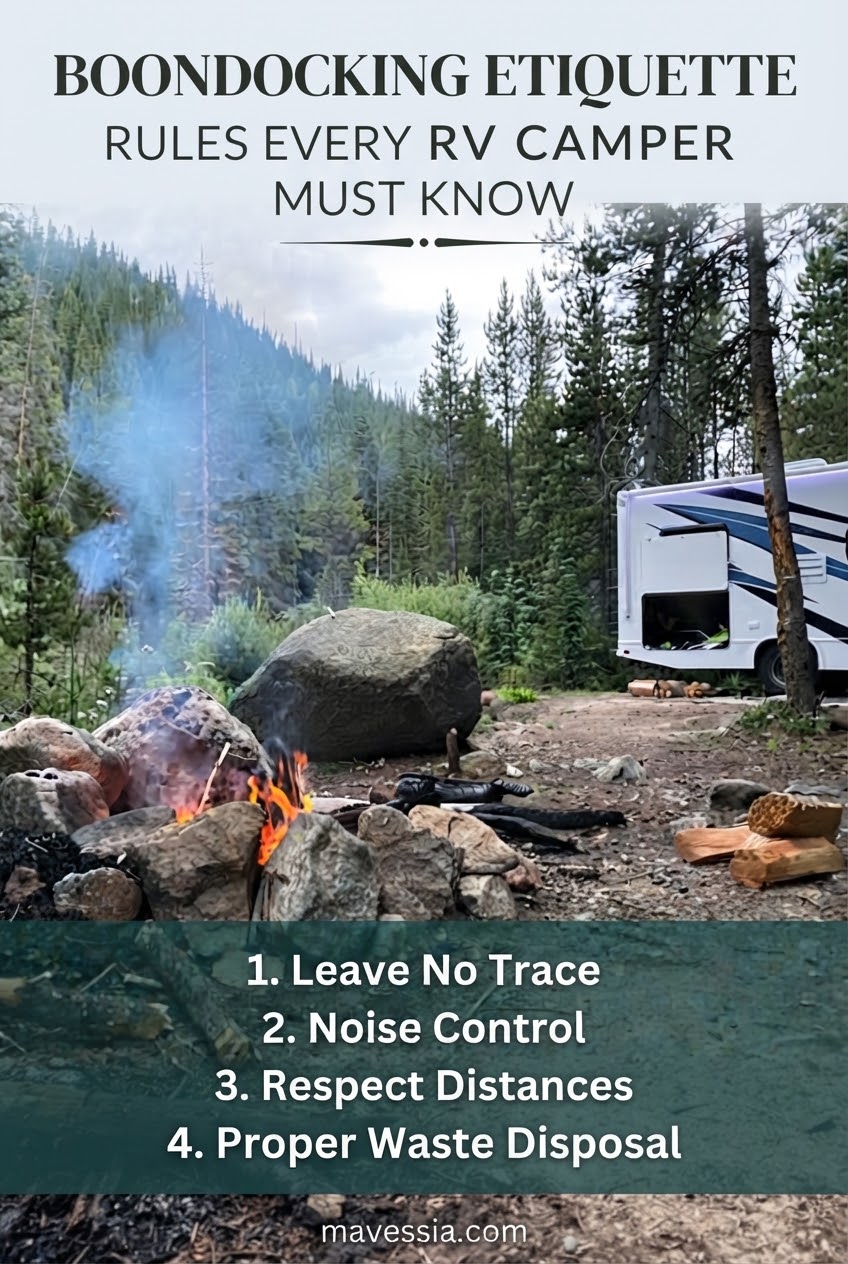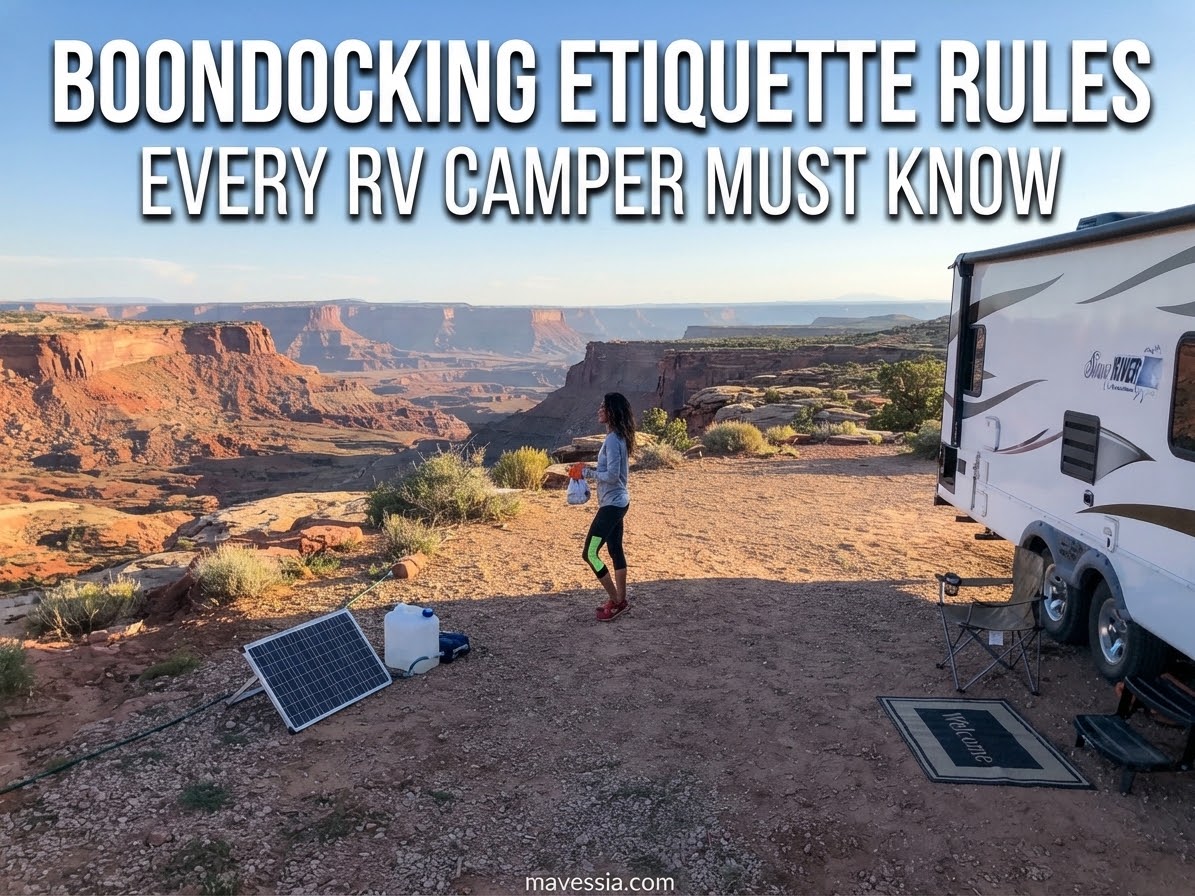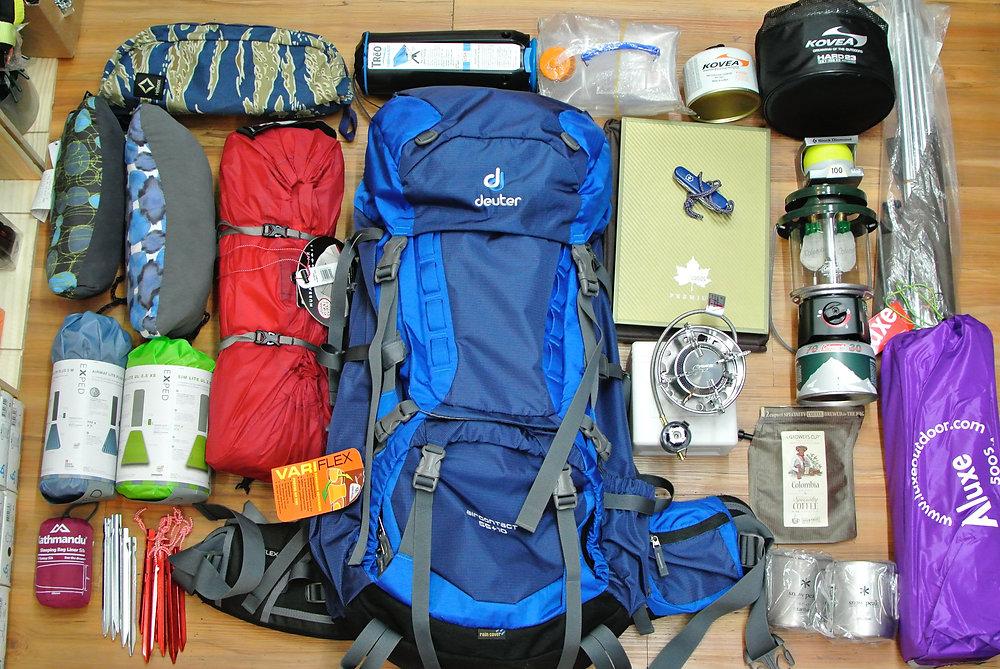
Boondocking looks wonderfully simple: park somewhere beautiful, open the door, and enjoy the quiet. But after years of planning gatherings where one person's choices affect everyone around them, I see remote camping the same way. Good boondocking manners create room for everyone else to enjoy the landscape too.
I think of etiquette as the invisible guest list of the outdoors. You may never meet the next camper, but your decisions about noise, waste, and site care become part of their experience.
My boondocking etiquette essentials
- Follow local rules before settling in.
- Leave the campsite cleaner than you found it.
- Protect wildlife, plants, and other visitors.
Respect Campsite Boundaries and Rules
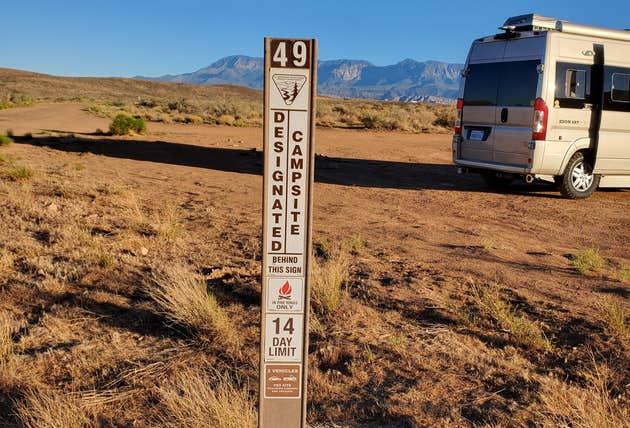
The first step in respectful boondocking is knowing where you are allowed to stay. I treat every campsite like a venue with a contract: the rules are there before the guests arrive. Local camping regulations can vary widely, so I always check land agency guidance before parking.
Planner tip
Read posted signs and restrictions before unpacking. A five-minute check prevents a frustrating move later.
Leave No Trace Behind
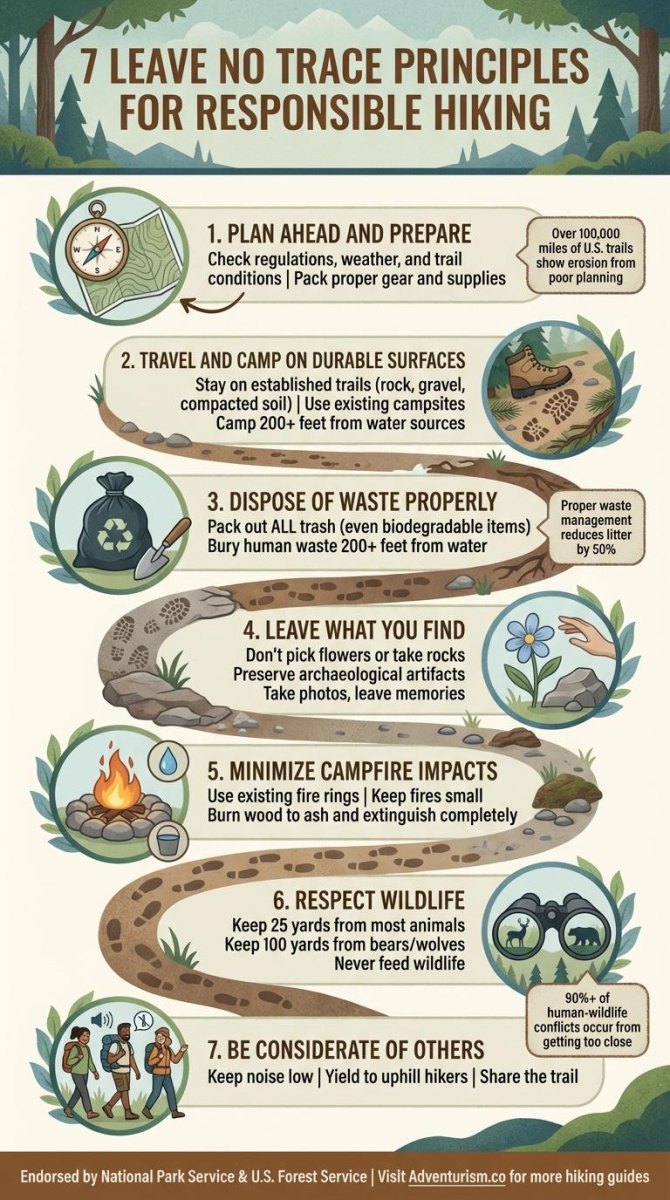
I learned from event planning that cleanup is part of hosting, not an afterthought. The same applies outdoors. Leave No Trace principles encourage campers to pack out trash, avoid damaging sites, and leave natural areas ready for the next visitor.
- Pack out food scraps and litter.
- Leave plants, rocks, and natural objects where they are.
- Inspect your campsite before leaving.
Choose Legal Boondocking Locations
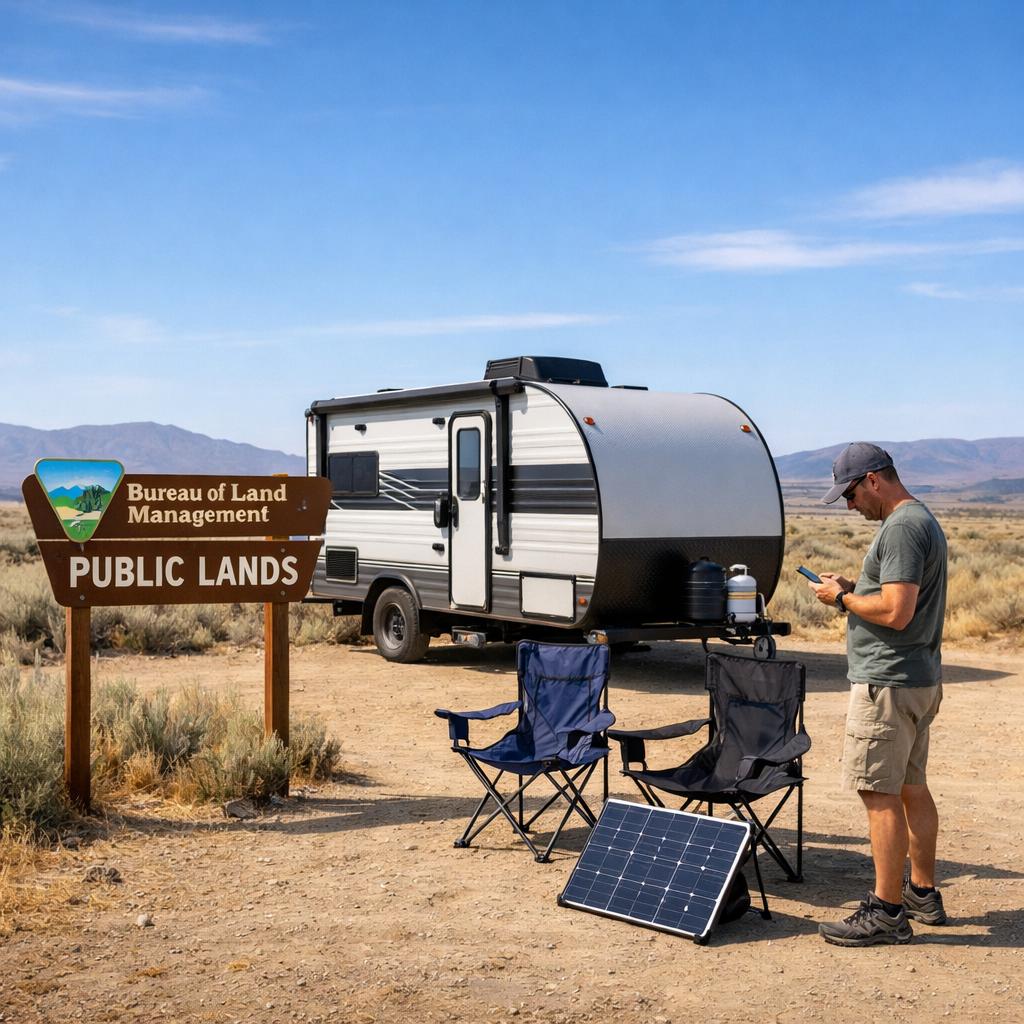
I never choose a party venue without confirming the address first, and boondocking deserves the same care. Legal camping areas protect both travelers and the land they love. BLM dispersed camping rules, for example, include location-specific restrictions and stay limits.
- Check. Confirm the land manager and current rules.
- Verify. Look for closures, permits, or limits.
- Arrive. Use established camping areas when available.
Keep Noise Levels Low
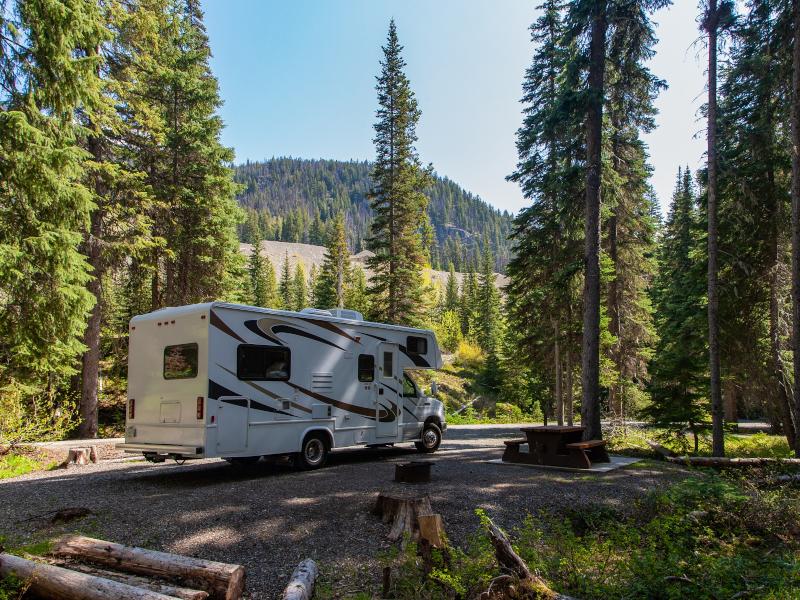
Quiet is one of the greatest gifts of boondocking. I have watched a room transform when music softens and conversations settle, and nature works the same way. Low campsite noise lets everyone enjoy the peaceful setting.
I keep voices, music, and outdoor activities considerate, especially in the evening when sound travels farther.
Manage Generators Considerately
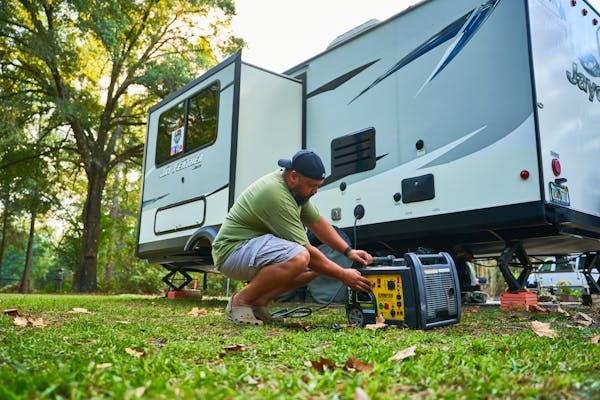
Generators can be useful, but timing matters. I think of them like a wedding microphone: helpful when needed, distracting when overused. Generator courtesy means considering nearby campers and choosing quieter solutions when possible.
Small adjustment
Run necessary equipment during reasonable hours and explore solar or battery options for quieter stays.
Protect Wildlife and Natural Areas
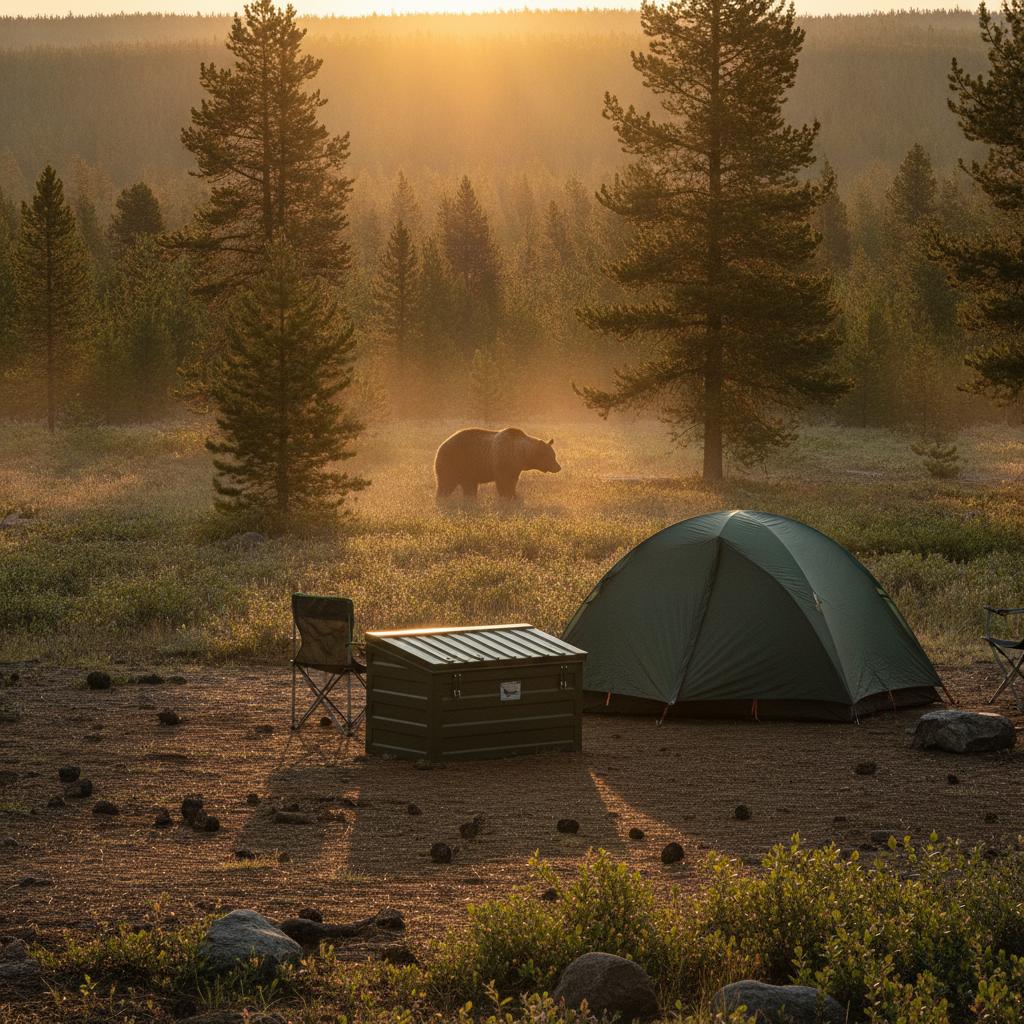
Wild animals are not campsite entertainment. I would never let guests interfere with a neighbor's celebration, and wildlife deserves the same respect. Wildlife protection means observing from a distance and never feeding animals.
Store food securely, manage pets carefully, and let the landscape remain a place where animals can behave naturally.
Dispose of Waste Properly
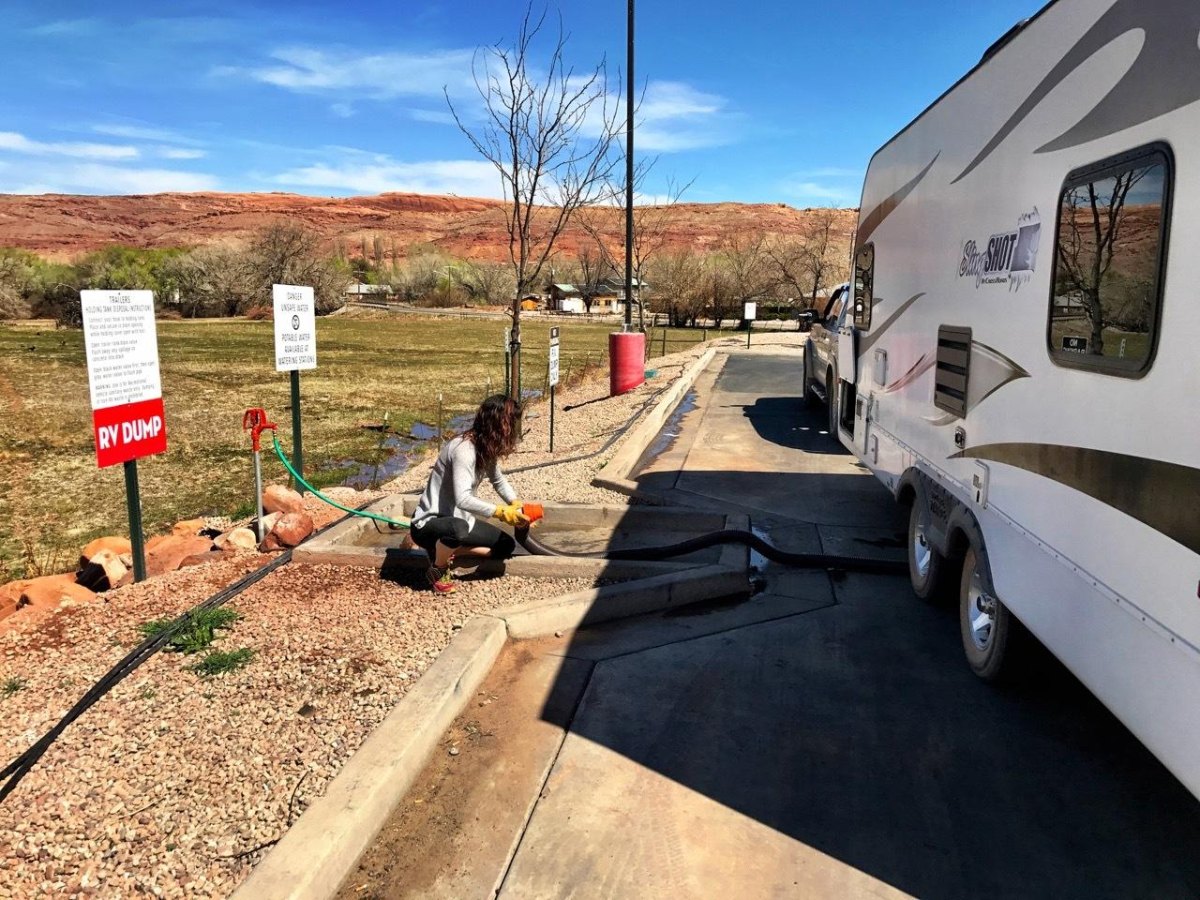
Waste management is the part of boondocking nobody photographs, but it is where good etiquette shows. Proper waste disposal protects ecosystems and keeps remote places welcoming.
- Trash: Pack everything out.
- Human waste: Follow local requirements and distance guidelines.
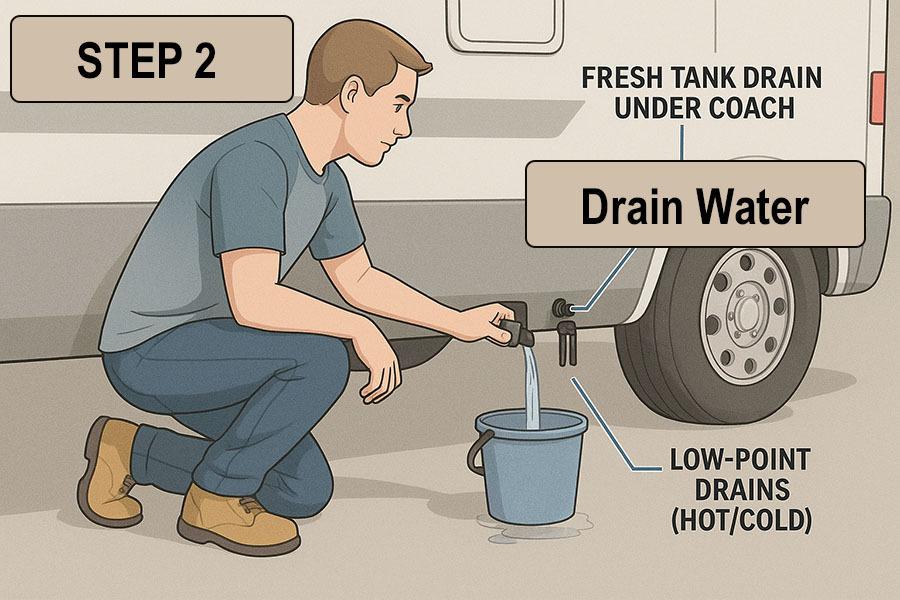
- Water: Prevent contamination near natural sources.
Conserve Water and Energy
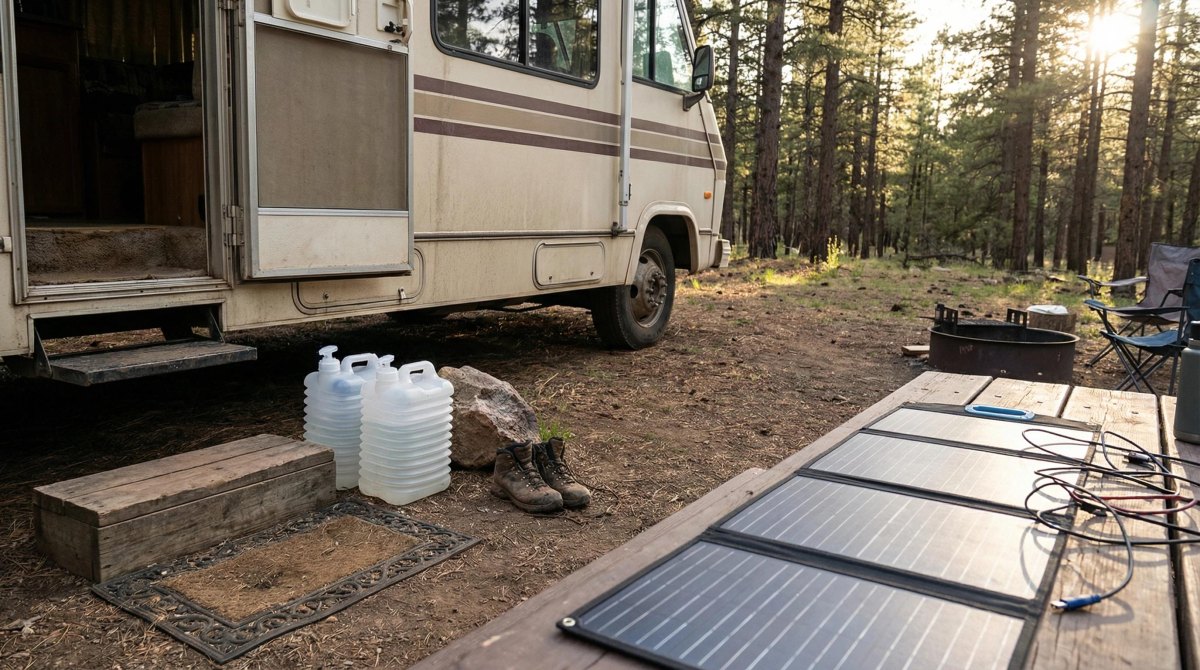
Remote camping rewards preparation. I approach resources like I approach a large dinner party: know what you have, use it thoughtfully, and avoid unnecessary waste. Resource conservation keeps boondocking sustainable.
Shorter showers, efficient lighting, and mindful water use make a noticeable difference during longer stays.
Give Other Campers Enough Space
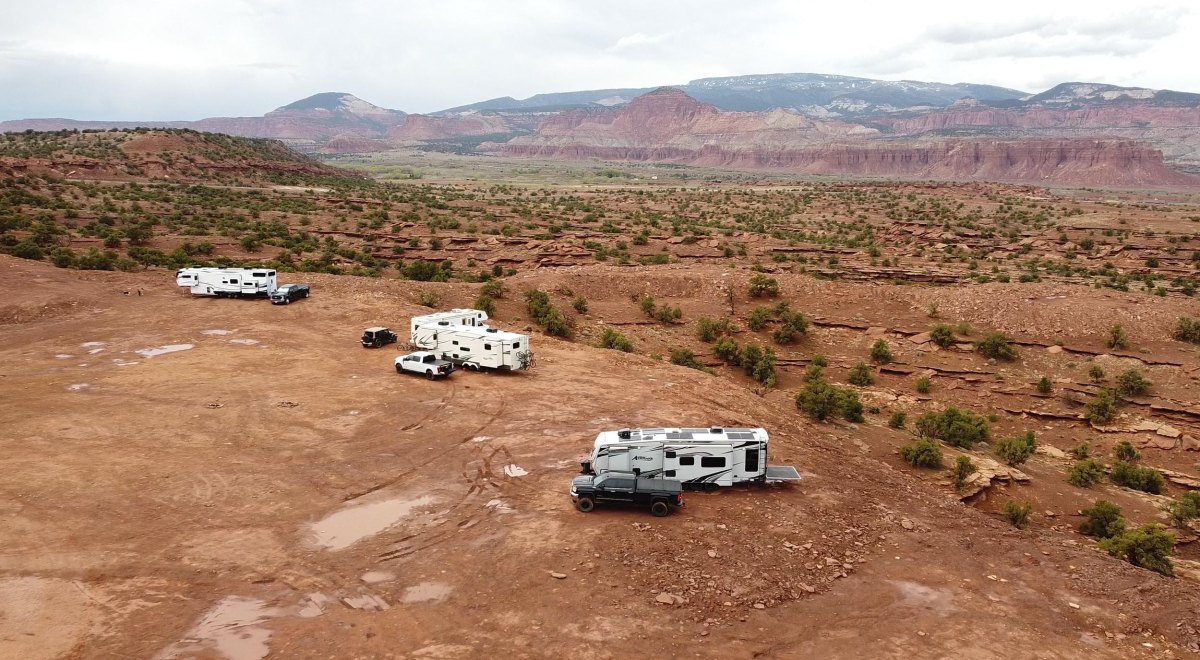
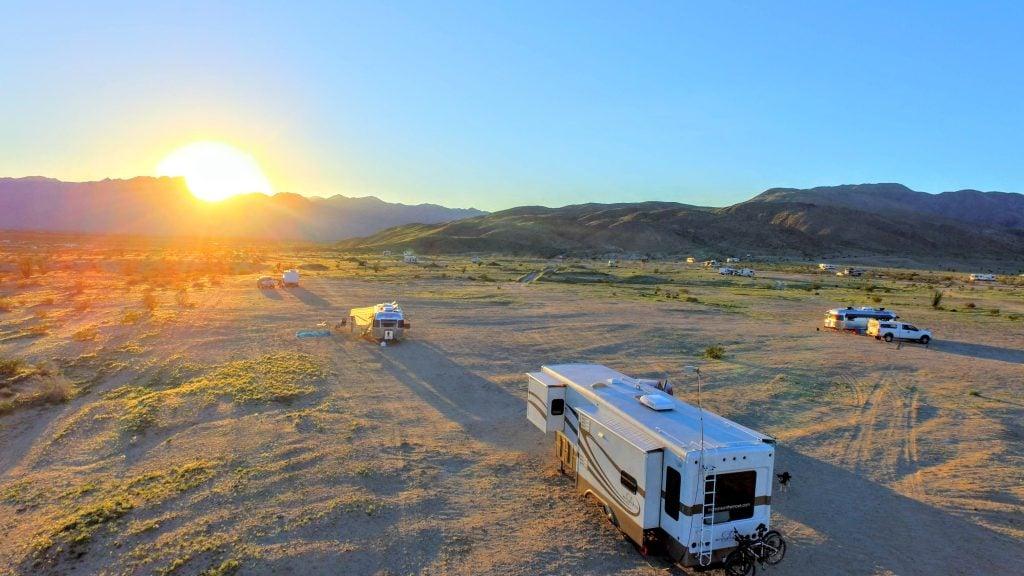
Personal space matters outdoors just as much as it does around a dinner table. I would never squeeze extra chairs into someone's reserved area, and I follow the same courtesy with campsites. Respectful spacing helps everyone enjoy privacy.
When possible, I choose a site that allows quiet separation from other campers.
Respect Local Communities and Landowners
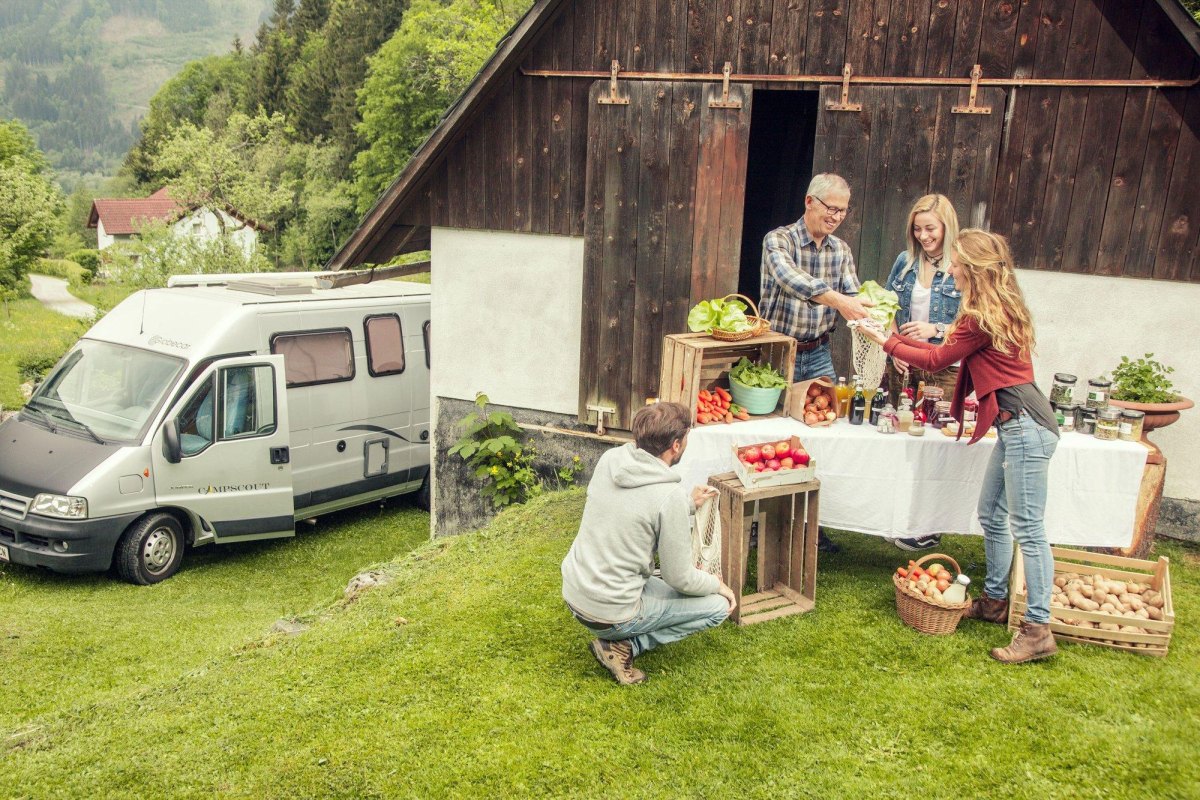
Every destination has people connected to the land. I learned through events that being a good guest means noticing the people who make a place possible. Community respect includes following access rules and leaving a positive impression.
If permission is required, I ask first rather than assuming access.
Avoid Damaging Vegetation and Terrain
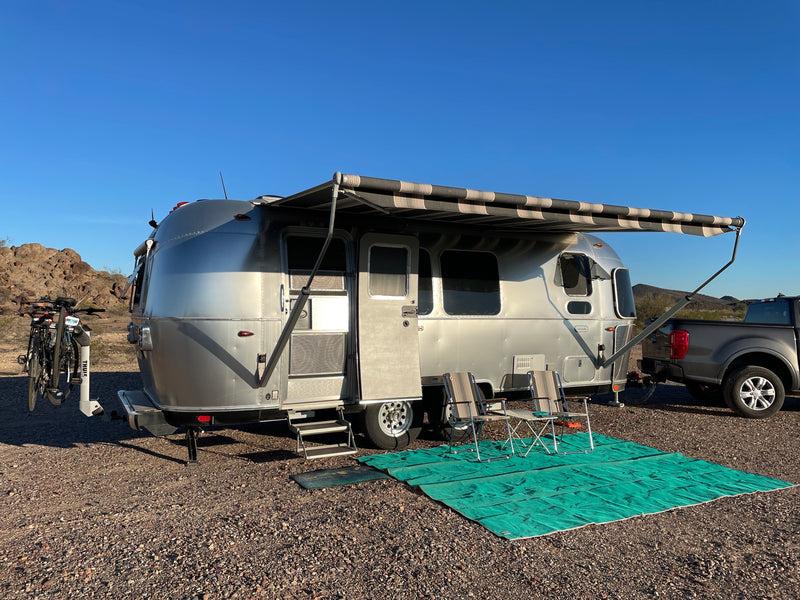
A beautiful campsite is something to appreciate, not redesign. Durable surface camping helps protect fragile plants and soils. Leave No Trace guidance recommends using appropriate surfaces and avoiding unnecessary site changes.
I think of the landscape as a borrowed tablecloth: enjoy it, but return it in good condition.
Handle Campfires Responsibly
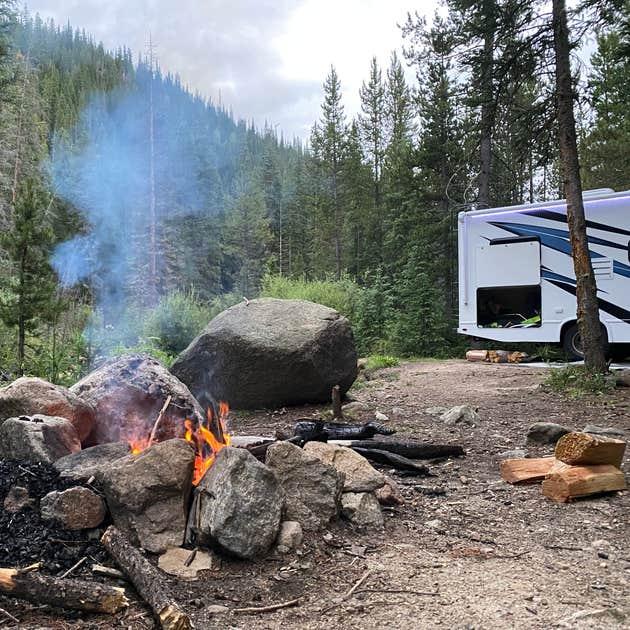
Campfires create wonderful memories, but they require the same planning as any gathering. I always check conditions first because fire safety rules can change with weather and location.
Important reminder
Never leave fires unattended, and make sure they are completely out before leaving.
Share Helpful Information Without Overcrowding Spots
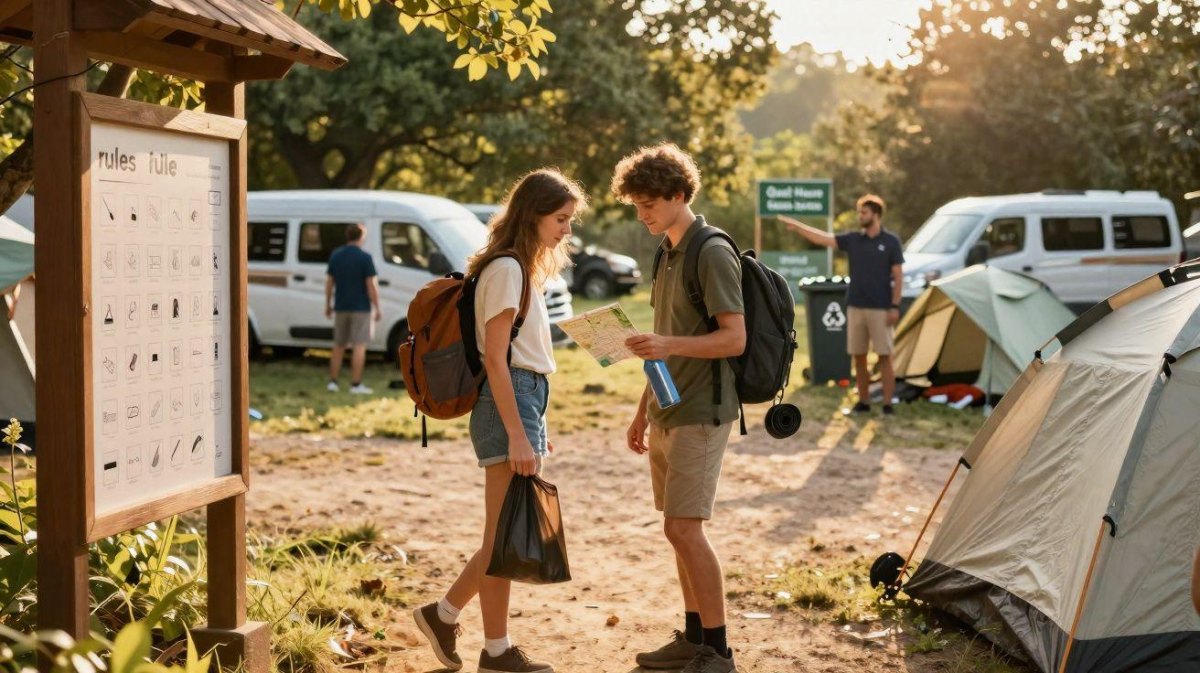
The camping community thrives on kindness, but sharing a secret location requires care. Responsible recommendations should include rules, conditions, and reminders to protect the area.
I share helpful details while remembering that popularity can change a quiet place quickly.
Prepare for Emergencies and Self-Sufficiency
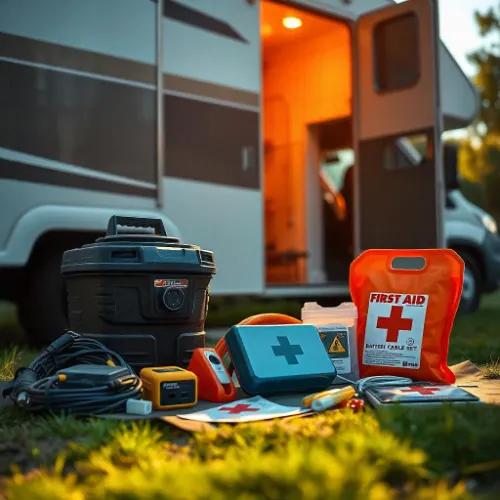
Boondocking asks you to be your own support team. My event emergency kit exists because small problems become easier when prepared, and remote camping works the same way. Self-sufficient preparation includes supplies, navigation, and backup plans.
- Carry enough water and essential supplies.
- Know your route and communication limits.
- Prepare for changing weather.
Show Courtesy When Leaving Your Campsite
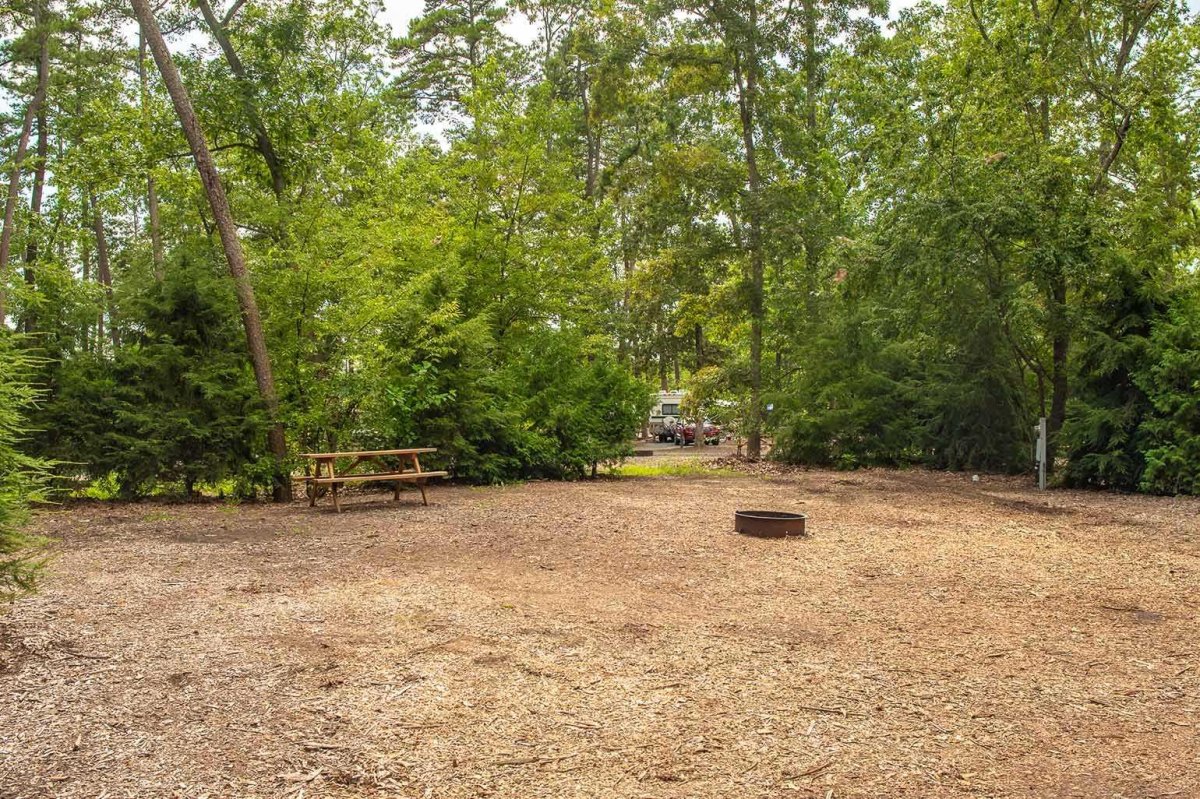
The final impression matters. At events, I always tell hosts that the last detail guests notice is how they feel when they leave. The same is true outdoors. A clean departure is the final act of good boondocking etiquette.
Before driving away, I walk the site once more and remove anything that does not belong there.
More Pinterest Visuals