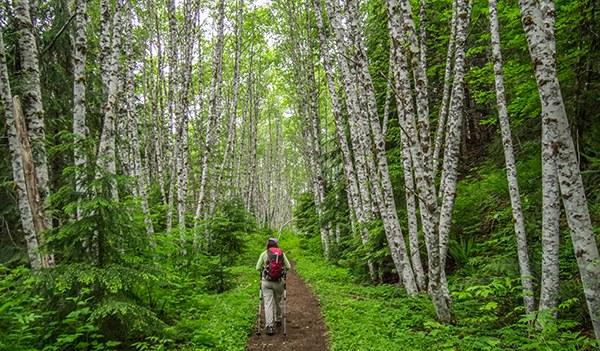
Solo hiking feels wonderfully simple: a trail, a backpack, and a few quiet hours away from the noise. I have always loved a good timeline, and the same planning instinct I use for events applies here. A safe hike begins before your boots touch the ground. Reliable outdoor guidance consistently points hikers toward preparation, communication, and knowing their limits.
My solo hiking safety checklist
- Plan the route and tell someone where you are going.
- Pack for weather, navigation, first aid, and delays.
- Know when to turn around before the trail makes the decision for you.
Plan Your Route Before You Go
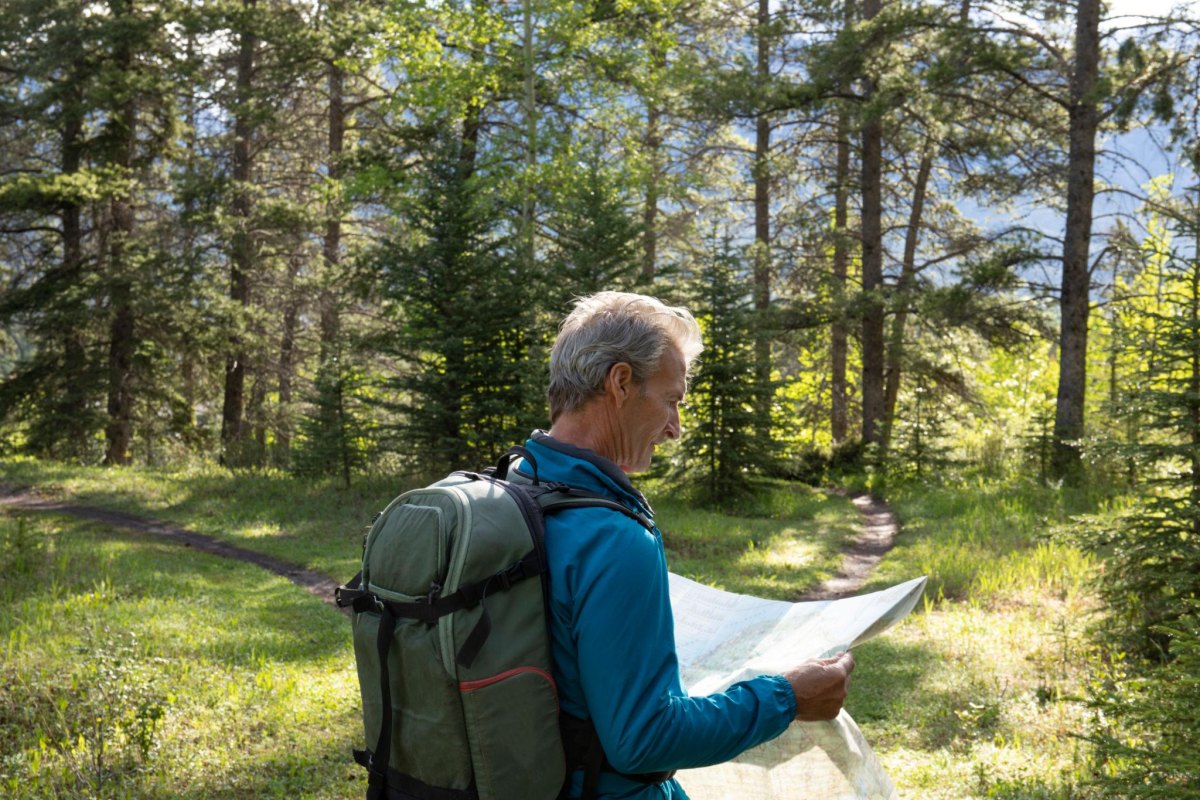
I never start a complicated plan without knowing the schedule, and a solo hike deserves the same care. Before leaving, I check the trail distance and difficulty, elevation changes, access points, and expected return time. Park services recommend planning ahead and choosing routes that match your ability.
A beautiful trail is not automatically the right trail. My rule is simple: the route should challenge me a little, not surprise me.
Tell Someone Your Hiking Plans
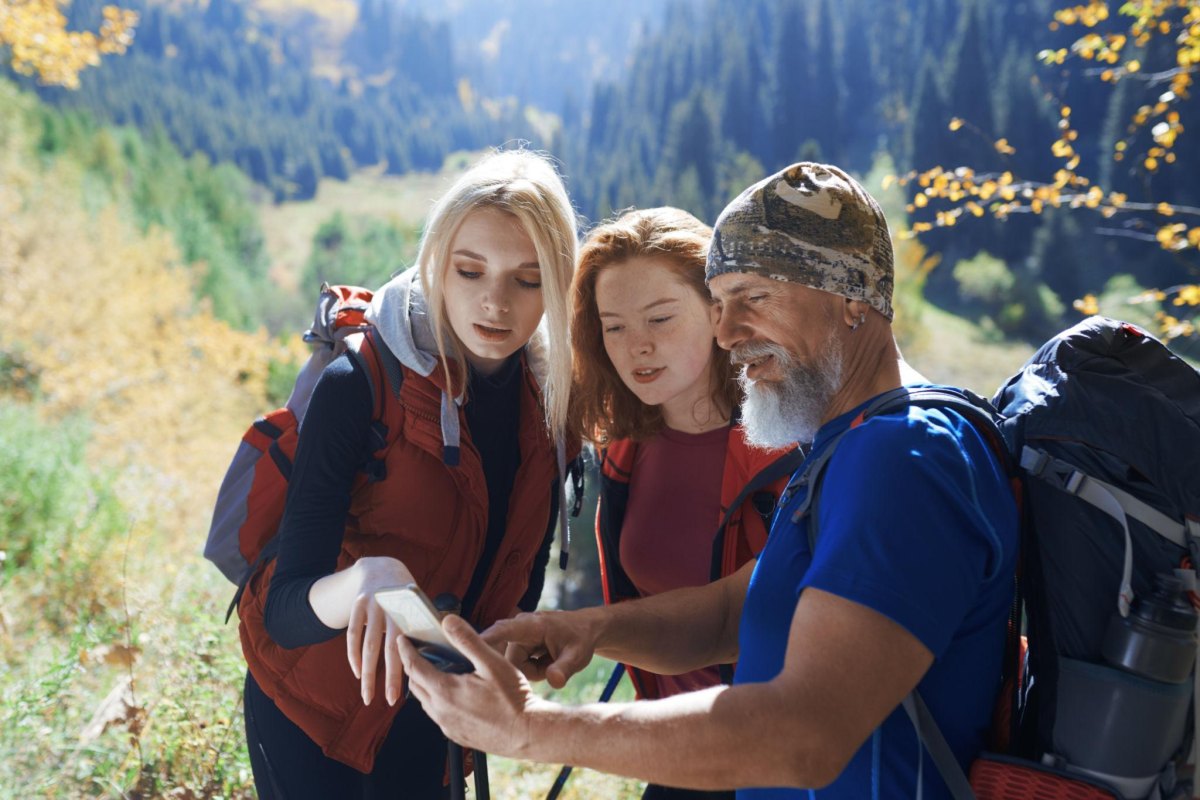
The most important person on a solo hike is often the person waiting at home. I always share my trip details and return time with someone I trust. A trip plan helps rescuers know where to begin if something goes wrong.
Planner tip
Send the trail name, parking location, expected finish time, and emergency contact information before you leave.
Check Weather and Trail Conditions
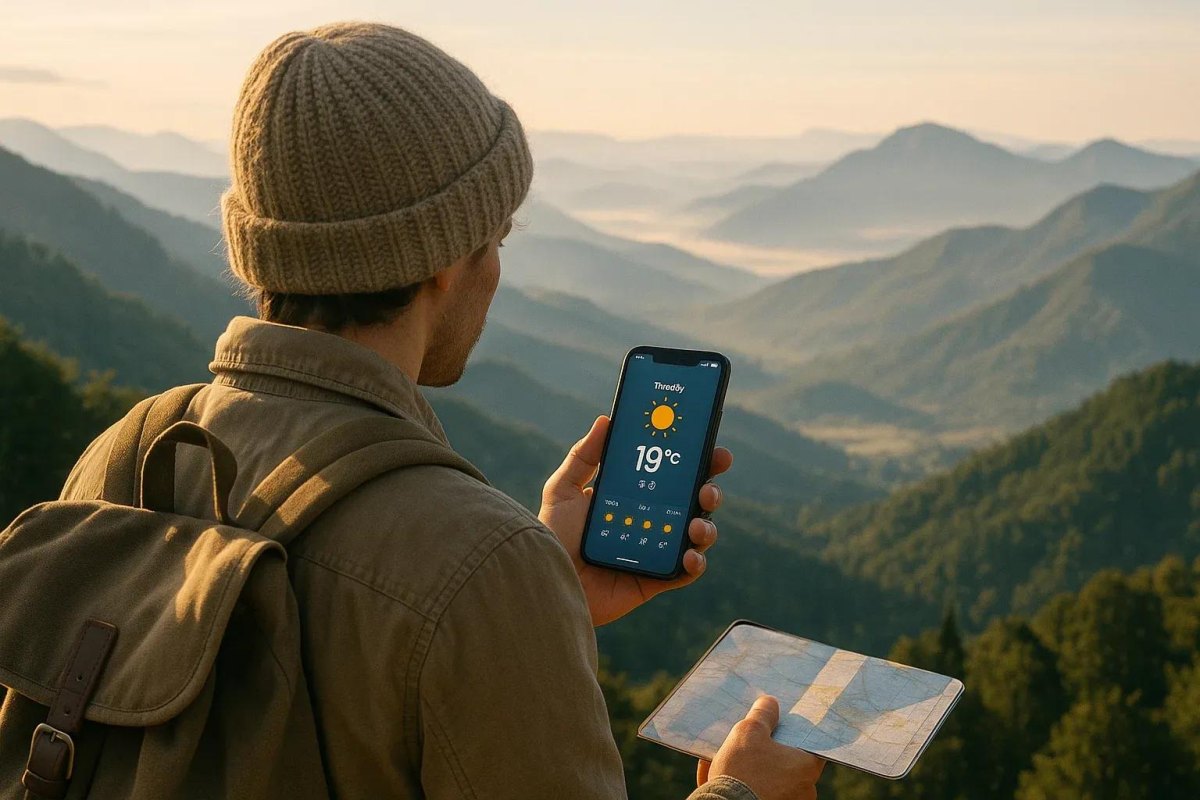
I check forecasts the way I check a wedding-day timeline: early and again before the event begins. Weather changes quickly outdoors, so reviewing current trail conditions can prevent a miserable or dangerous day.
Rain, heat, storms, and closures are not inconveniences to work around. They are reasons to adjust the plan.
Carry Essential Safety Gear
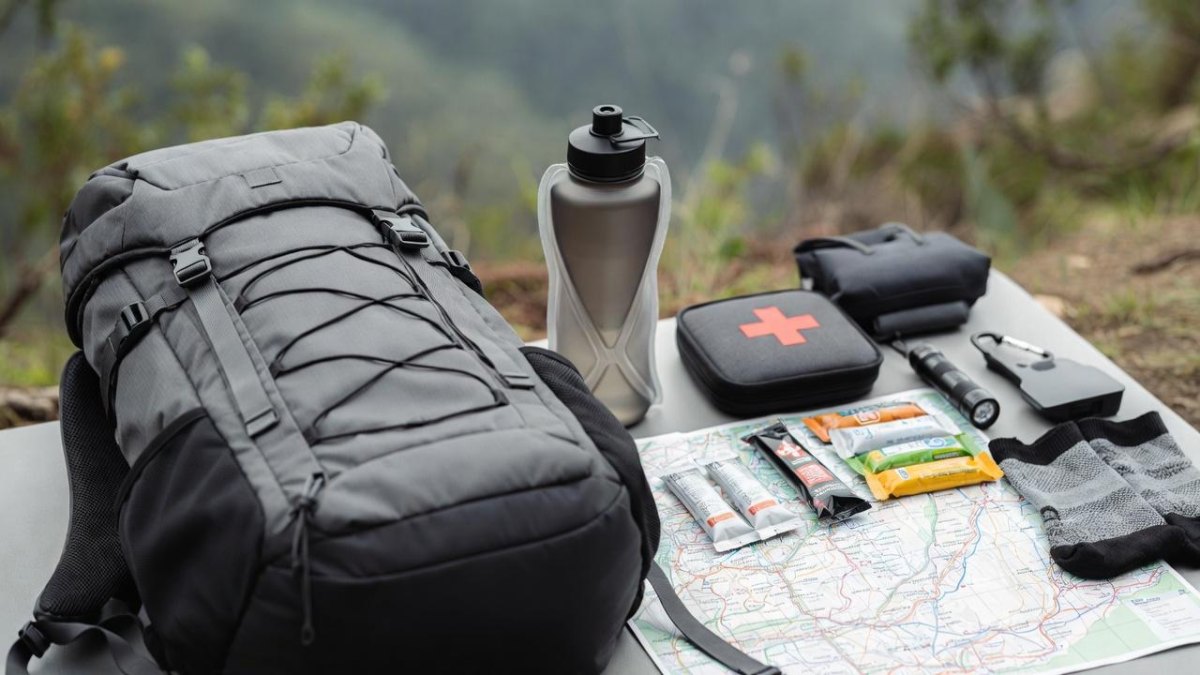
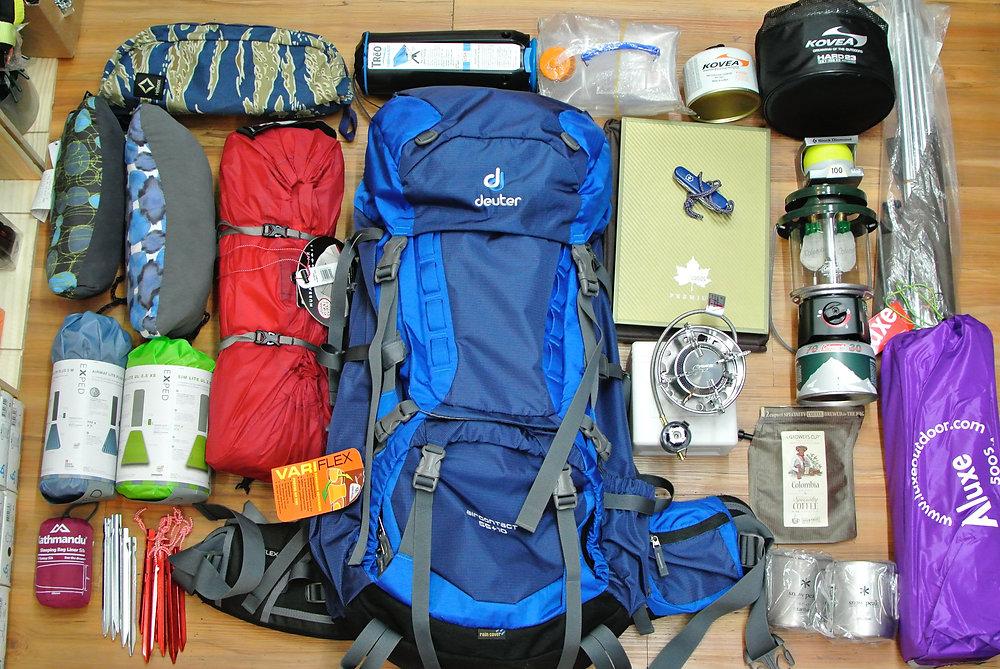
A small backpack can hold a surprising amount of confidence. I pack the essential safety equipment I might need if the hike takes longer than expected. Recommendations commonly include first aid supplies, navigation tools, light, and emergency items.
- First aid kit
- Headlamp or flashlight
- Whistle and emergency supplies
Bring Enough Water and Snacks
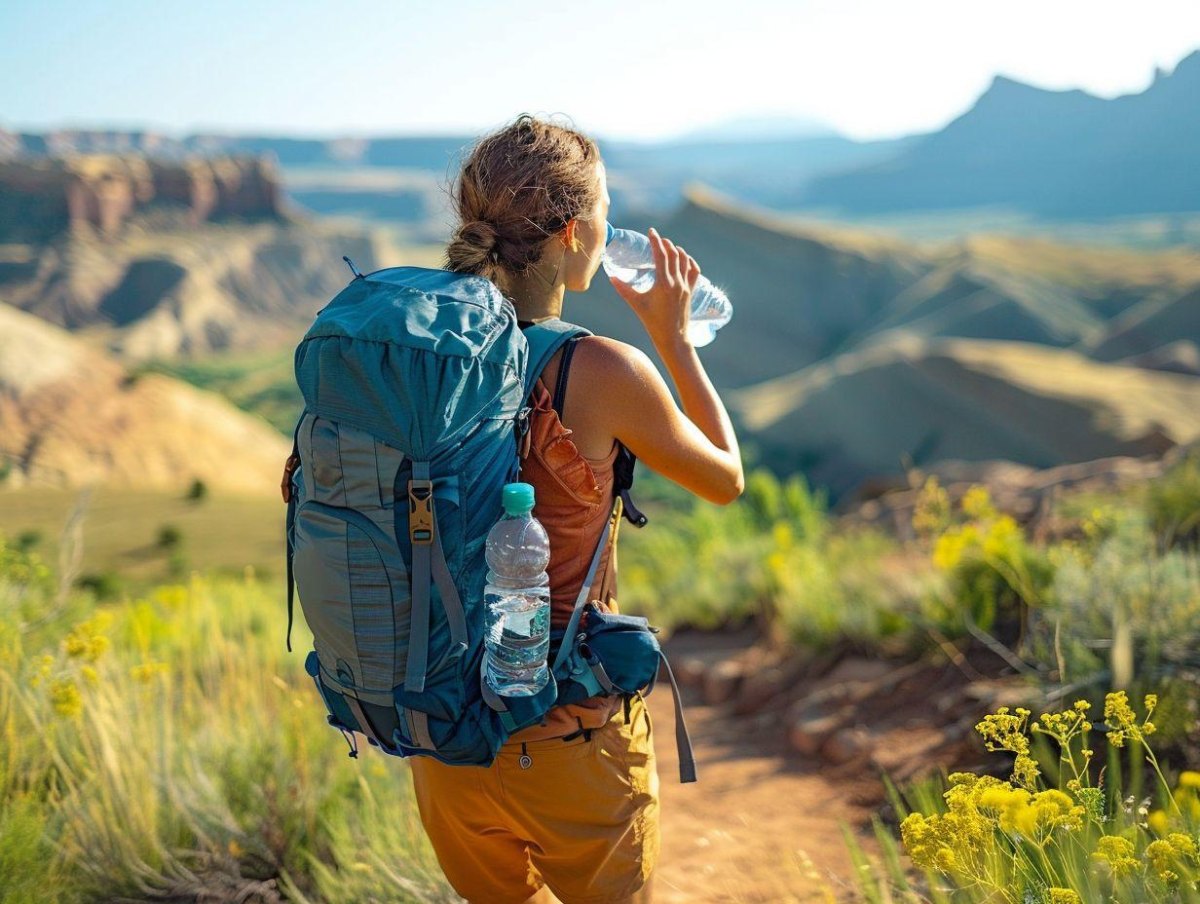
I have learned from event days that small details become big problems when ignored. On trails, water and food protect against fatigue and poor decisions. Research on hiker preparedness shows thirst and hunger are common problems hikers encounter.
Pack more than the perfect-weather estimate. Delays happen.
Use Navigation Tools and Offline Maps
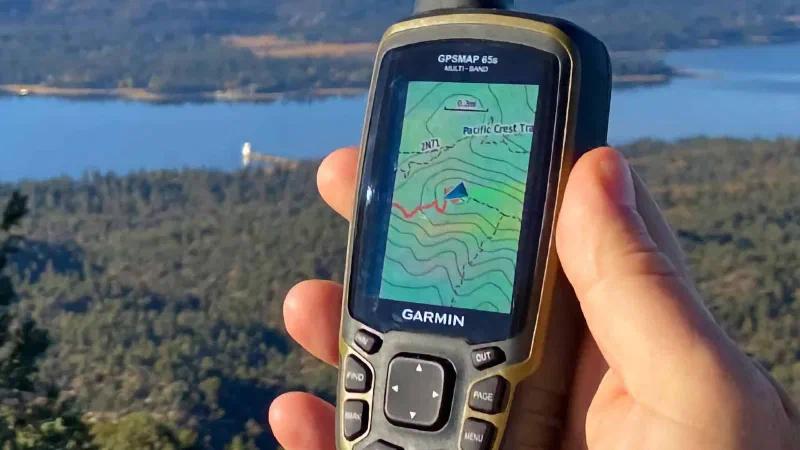
My clipboard brain loves a backup plan, and navigation is no exception. I carry offline maps and backup tools because phone service can disappear in remote areas.
A charged phone is helpful, but knowing how to use a map and compass adds another layer of safety.
Start Early and Track Your Time
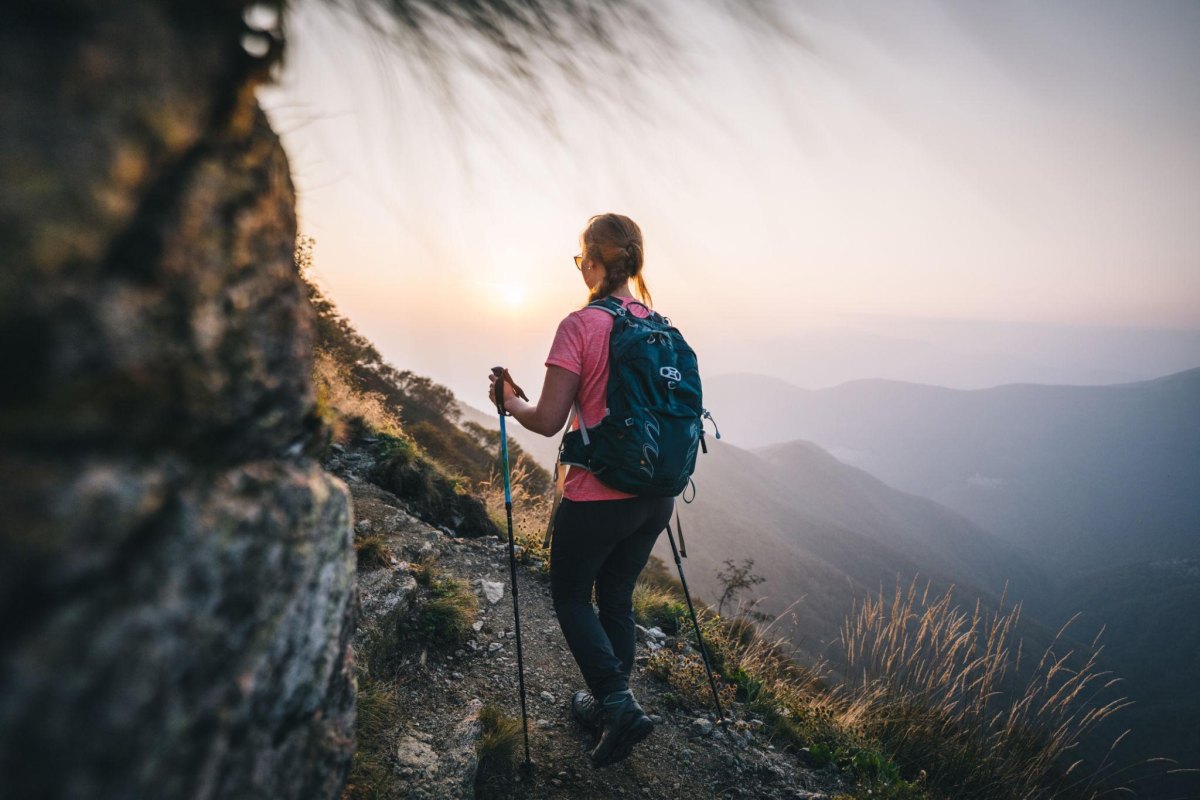
Starting early gives me something every planner loves: margin. Extra daylight creates time for unexpected delays, slower sections, or a calm turnaround.
I set checkpoints instead of simply hoping I will be back before dark.
Stay on Marked Trails
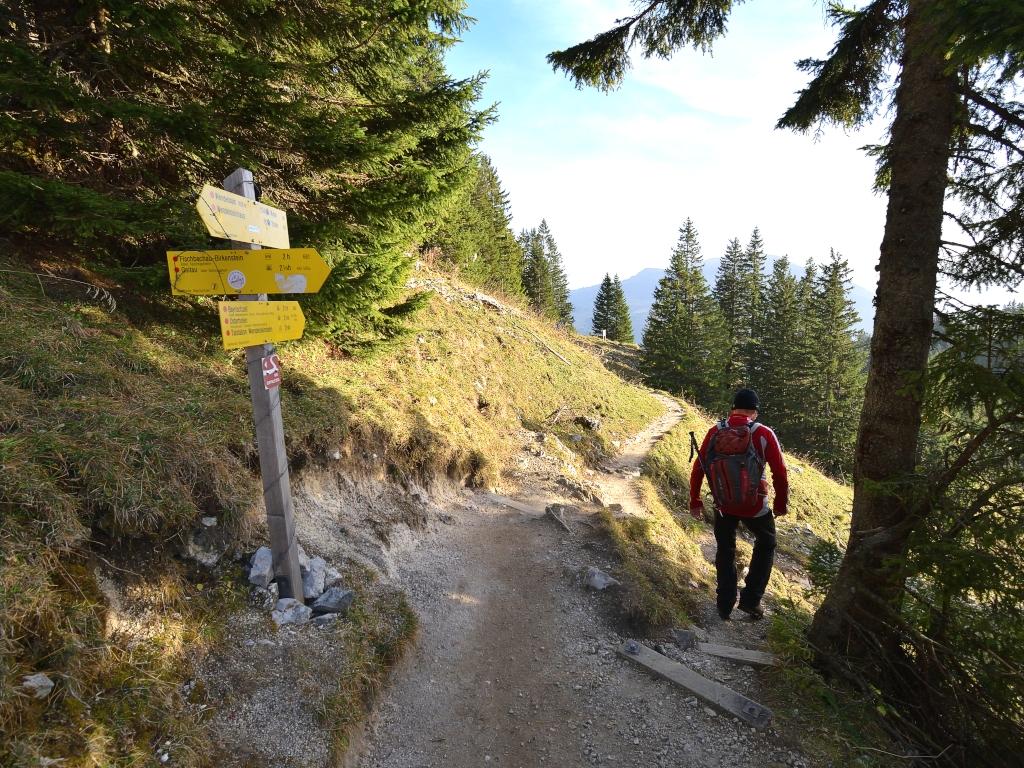
I know the temptation to explore a shortcut, but trails are designed for a reason. Staying on marked and established paths reduces the chance of getting lost or injured.
The best adventure is the one that ends with your feet safely back at the car.
Protect Yourself From Wildlife Encounters
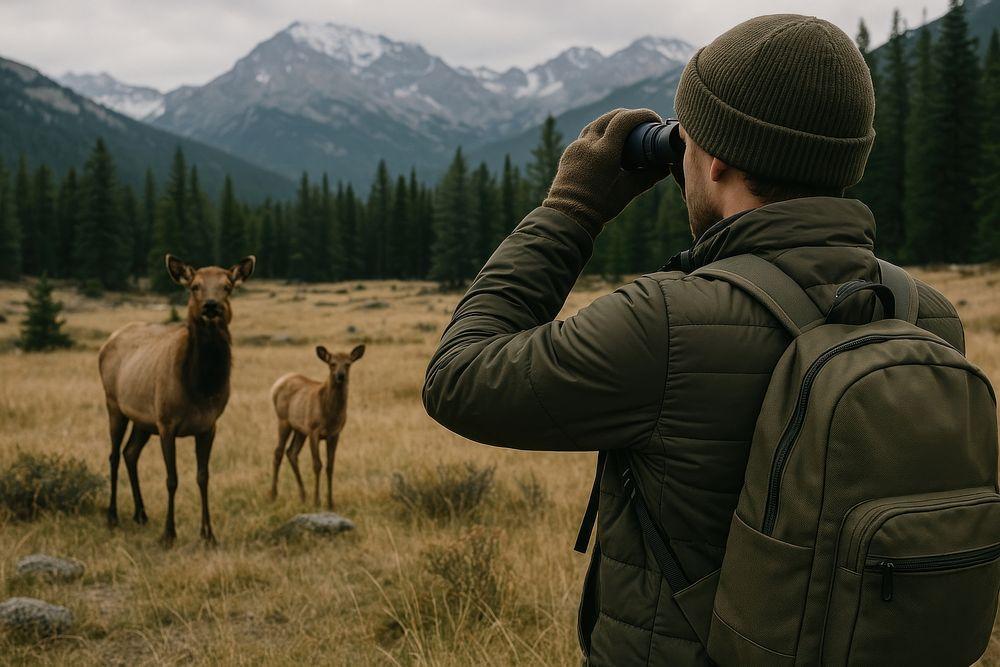
Wildlife belongs outdoors, and my job is to admire it from a respectful distance. I focus on safe wildlife awareness rather than trying to capture the perfect photo.
Quiet observation is always better than turning an animal encounter into an emergency.
Dress for Changing Conditions
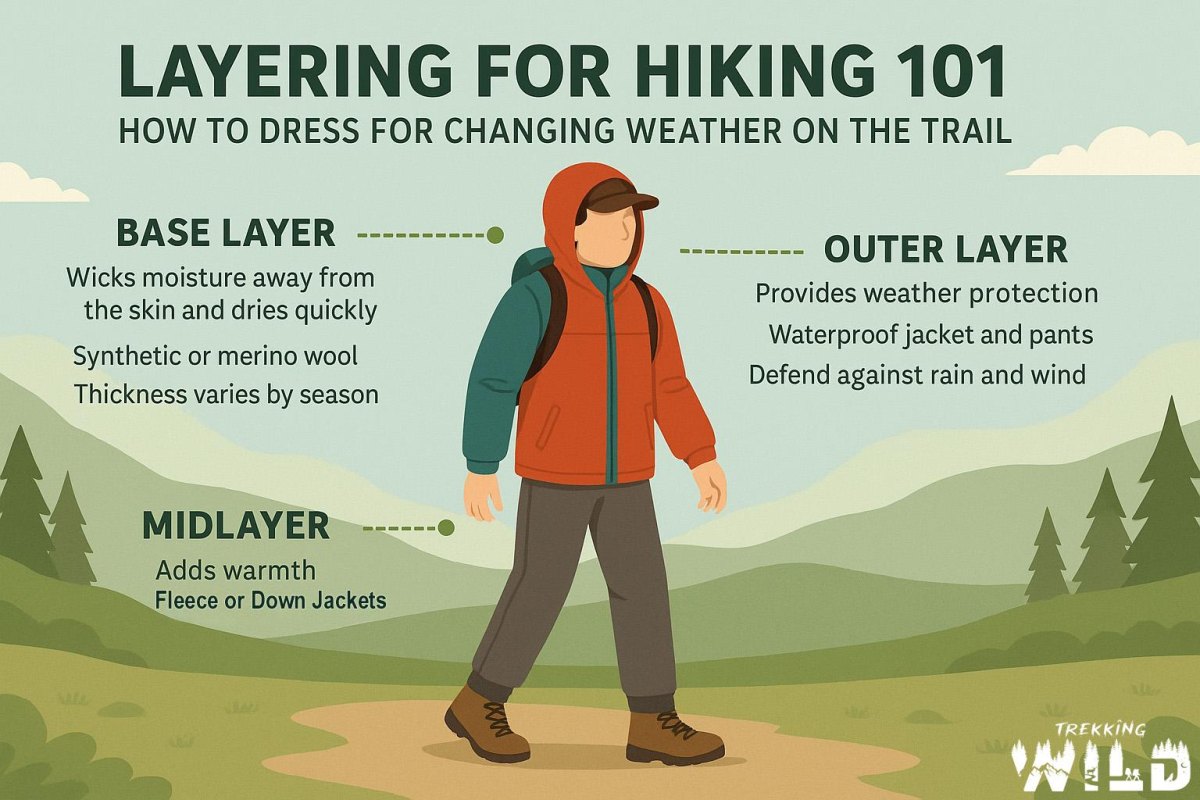
I dress for the forecast I might get, not only the weather I see at the trailhead. Layers create flexibility in changing conditions and help manage temperature shifts.
A lightweight rain layer has saved many outdoor plans from becoming uncomfortable ones.
Keep Your Phone Charged and Ready
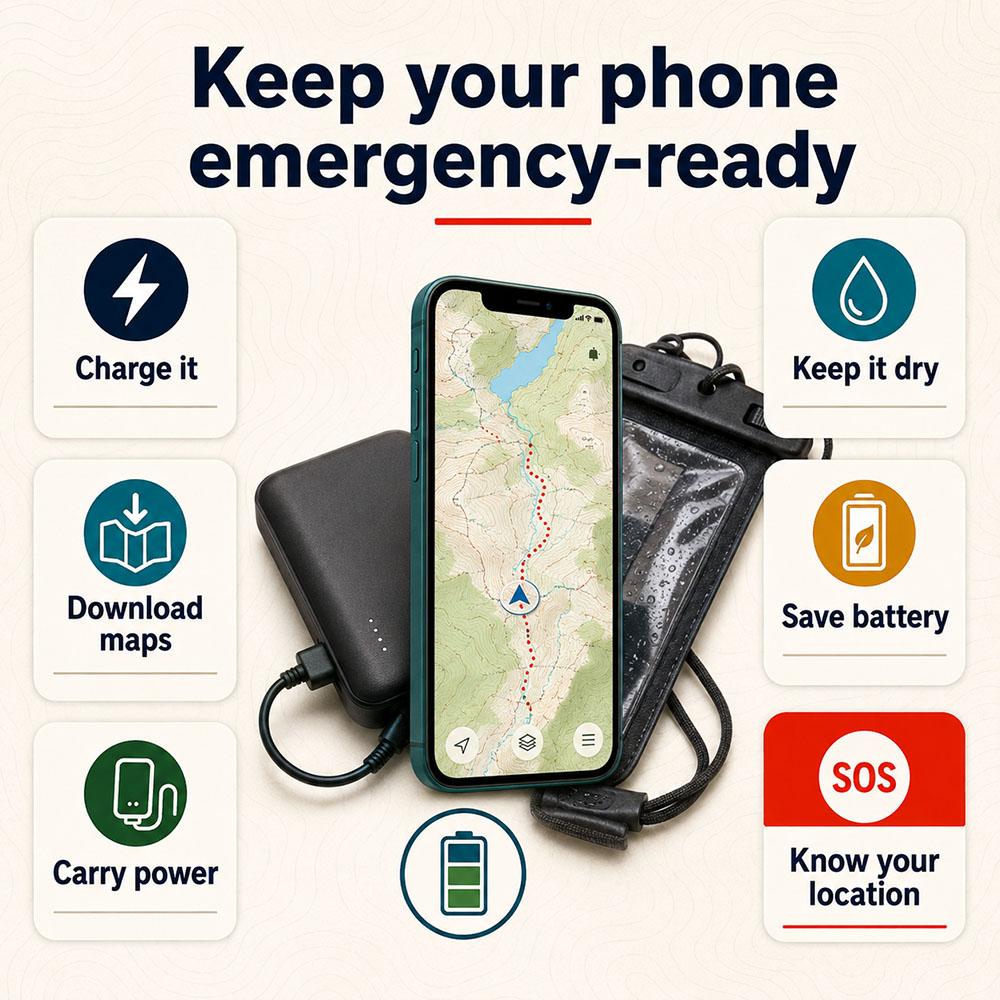
A phone is a useful tool, but it is not a complete safety plan. I keep mine charged for communication and emergencies while remembering that coverage may be limited.
Battery-saving settings and offline information are small preparations with big value.
Know Basic First Aid Skills
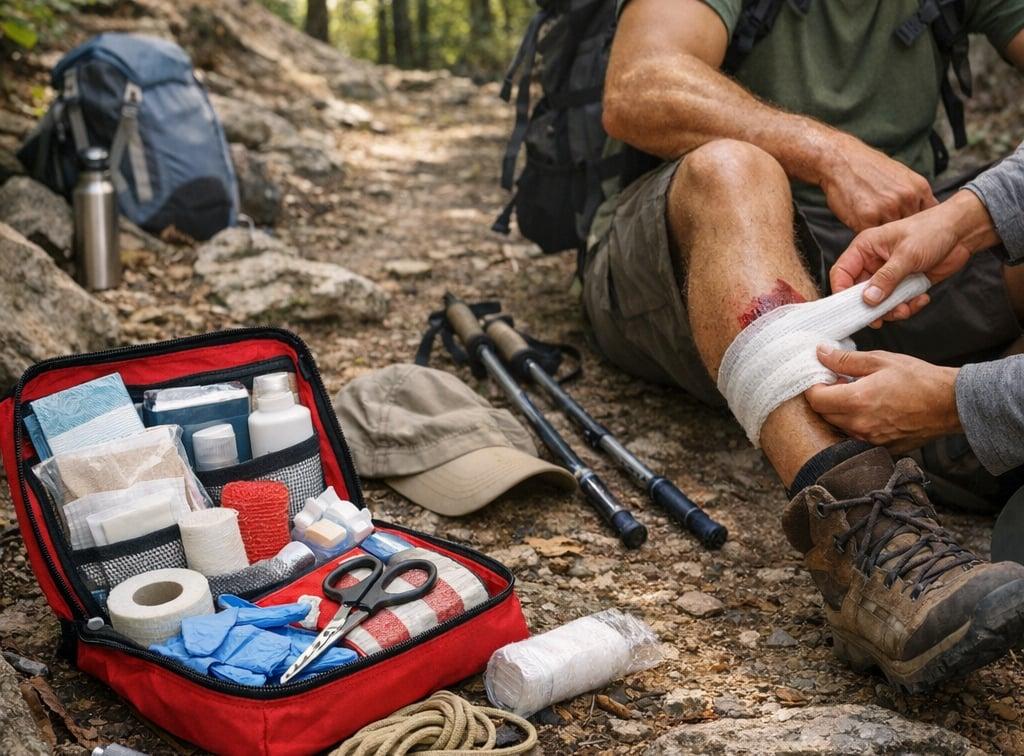
I keep first aid simple and practical. Knowing how to handle minor injuries and emergencies can make a difficult moment much more manageable.
Small kit, useful skills
A bandage is helpful, but knowing when and how to use supplies matters too.
Avoid Hiking Beyond Your Experience Level
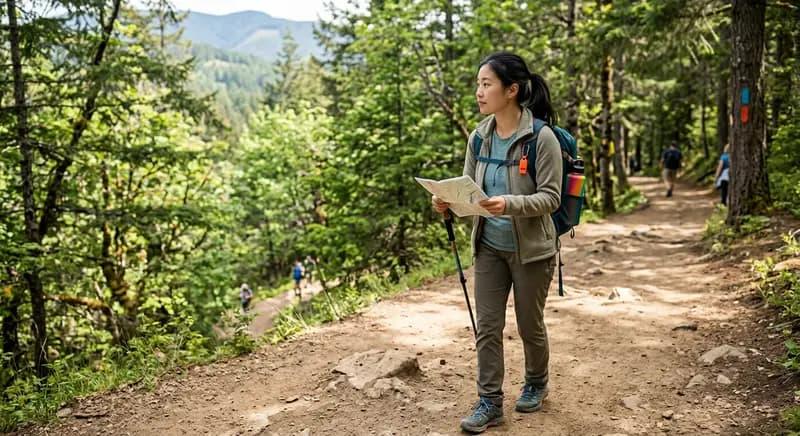
I love ambition, but I do not love unnecessary drama. Choosing a hike that matches my current experience and fitness keeps the day enjoyable.
The trail will still be there when my skills catch up.
Be Aware of Your Surroundings
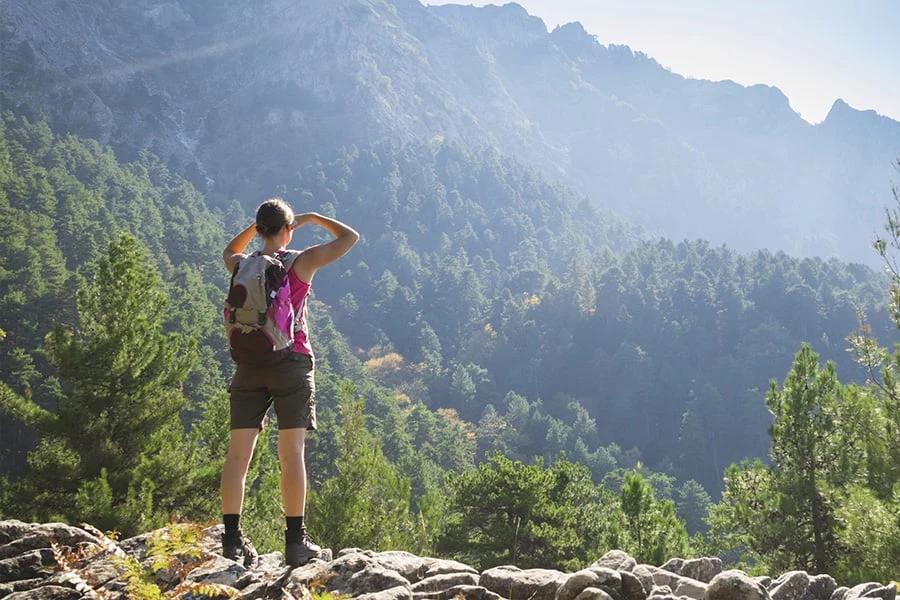
Good hosts notice the room, and good hikers notice the trail. I stay aware of weather, terrain, and surroundings because conditions can change quickly.
Looking up from the trail occasionally is both safer and more enjoyable.
Prepare for Emergencies and Delays
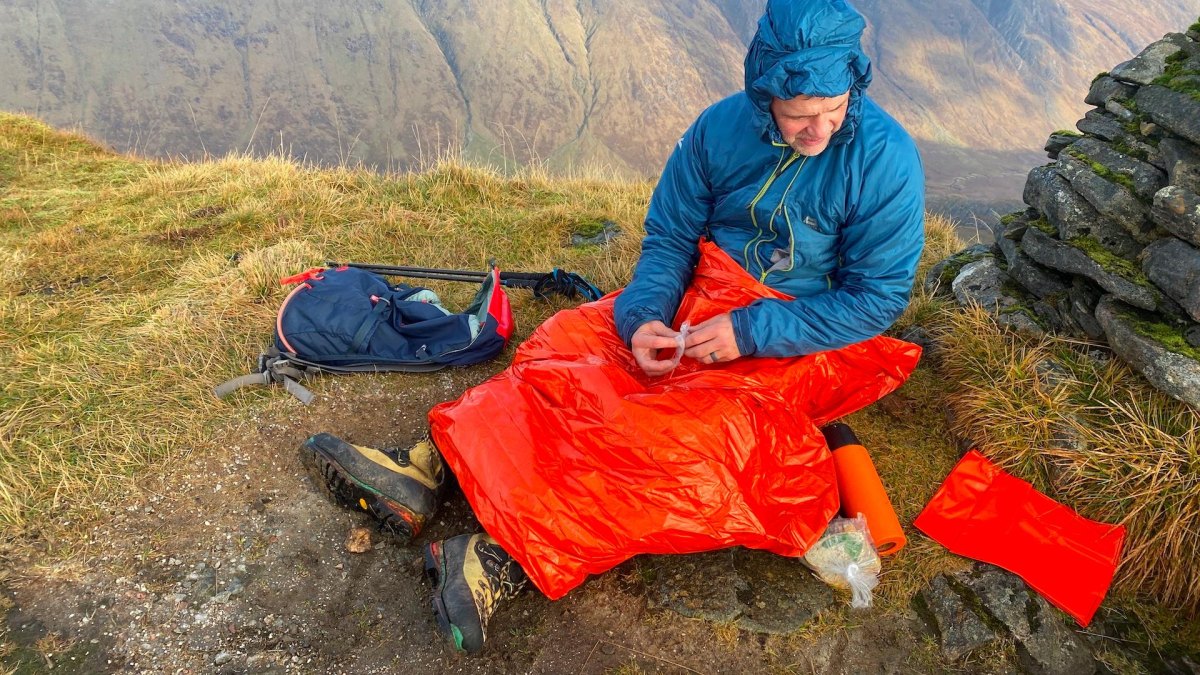
The best emergency plan is the one created before the emergency. I prepare for unexpected delays and communication gaps by carrying extra essentials.
- Stay calm. Assess the situation before acting.
- Use supplies. Protect yourself from worsening conditions.
- Communicate. Seek help when needed.
Trust Your Instincts and Turn Back When Needed
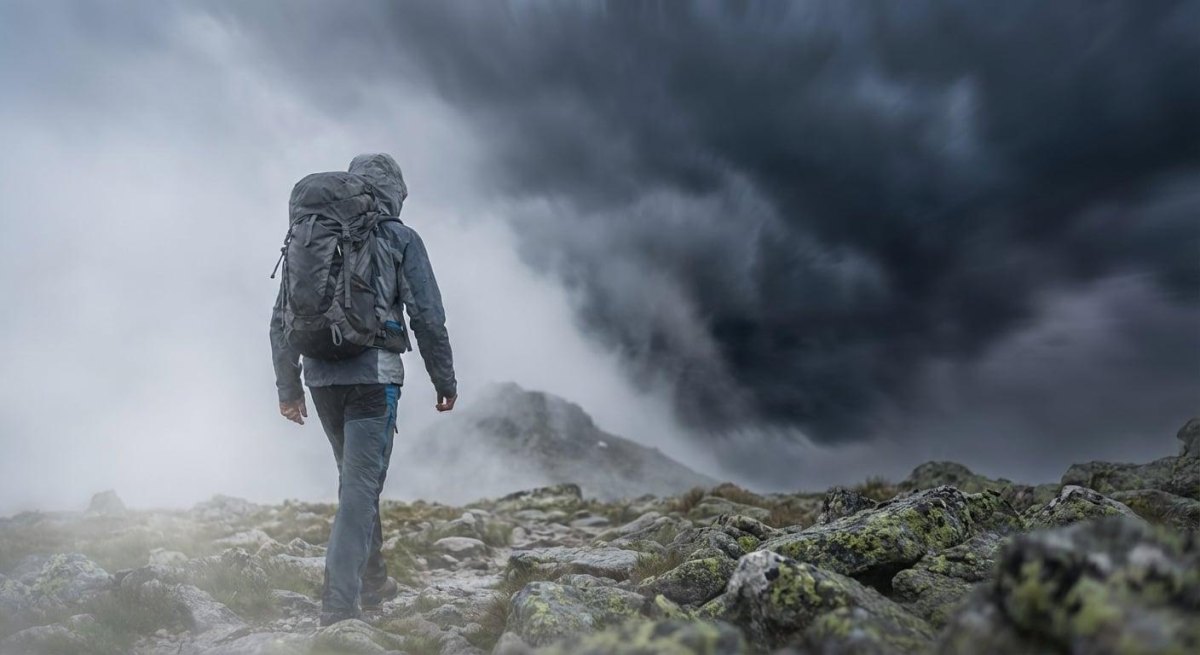
In event planning, changing the plan is sometimes the smartest decision. Hiking is the same. Turning back is a sign of good judgment and preparation, not failure.
I would rather finish a shorter hike safely than force a route that no longer feels right.