Dry camping looks wonderfully simple from the outside: park somewhere beautiful, open the door, and enjoy the quiet. The reality is that a little planning makes the difference between a peaceful off-grid stay and a midnight scramble for supplies. I've planned enough complicated events to know that the magic is always in the preparation, and RV camping is no different.
These dry camping without hookups tips are the same kind of practical notes I would put on a clipboard before a big gathering. I want you comfortable, prepared, and actually enjoying the view instead of troubleshooting your tanks.
Quick dry camping checklist
- Confirm your campsite rules before arrival.
- Bring enough water, power options, and backup supplies.
- Plan meals and waste handling before your tanks fill.
Choose a Legal Dry Camping Location
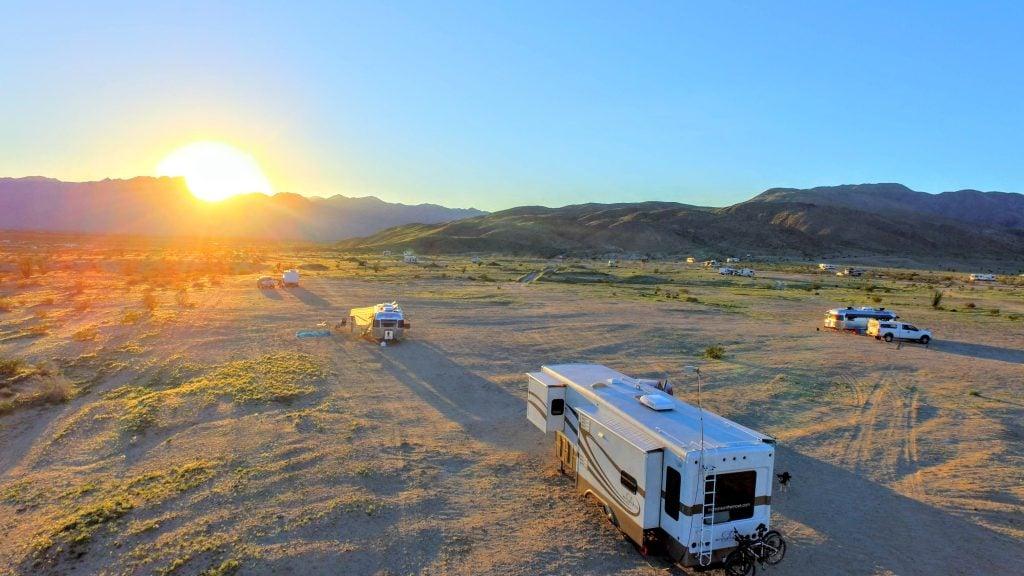
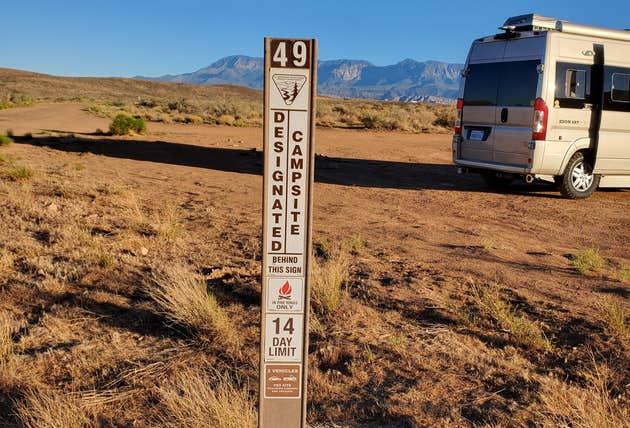
The first rule of dry camping is simple: know where you can actually stay. I treat campsite research like a wedding venue walkthrough because the details matter. Some public lands allow dispersed camping, but restrictions vary by location, and agencies such as the Bureau of Land Management advise checking local rules before settling in.
I look for legal camping areas, existing sites, and clear information about stay limits. A beautiful pull-off is not worth the stress of wondering whether you should have parked there.
My planner brain loves this step because it prevents the biggest mistake: arriving with a full RV and no approved place to sleep.
Plan Your Water Supply Before Arrival
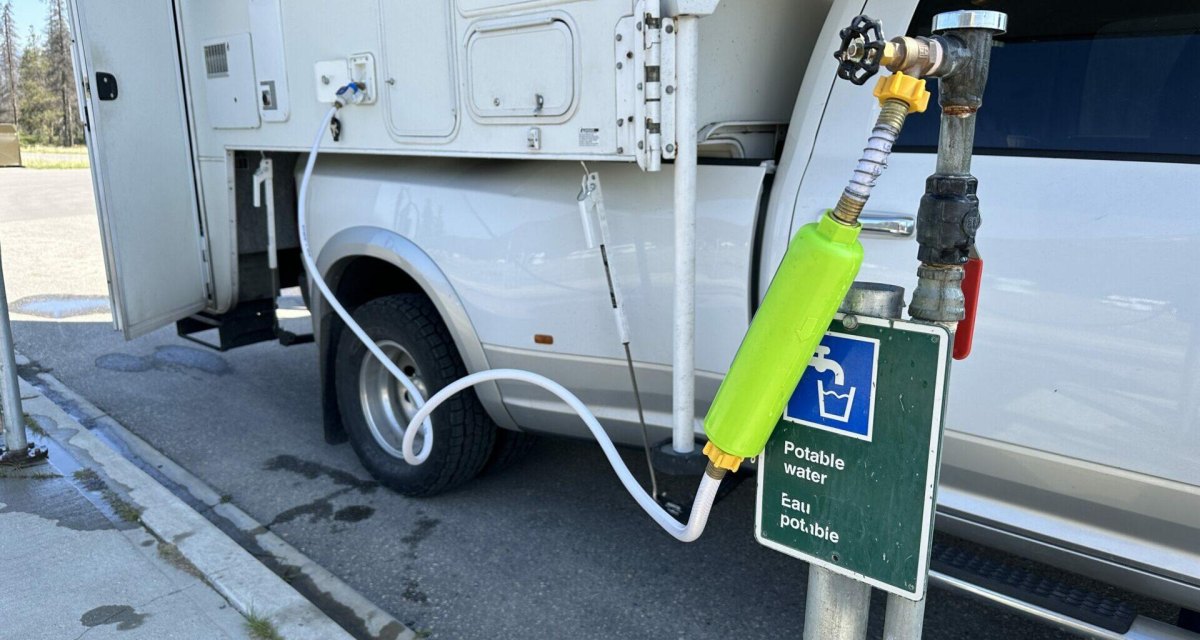
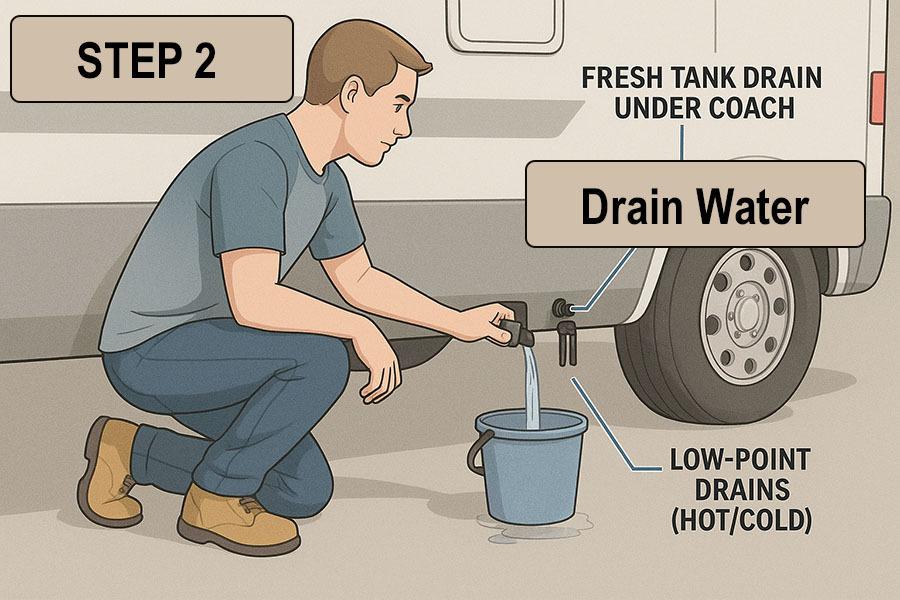
When there is no campground faucet waiting for you, water becomes the guest list item you cannot forget. I plan fresh water needs before leaving home, including drinking, cooking, cleaning, and the unexpected extra day.
Remote camping often means services are limited, so I bring more than the bare minimum and know where I can refill if needed. The Bureau of Land Management also notes that many camping areas do not provide potable water, making advance preparation important.
I learned long ago that the host who plans the basics gets to enjoy the party. The same is true when your campsite is your home.
Manage Battery Power and Solar Energy
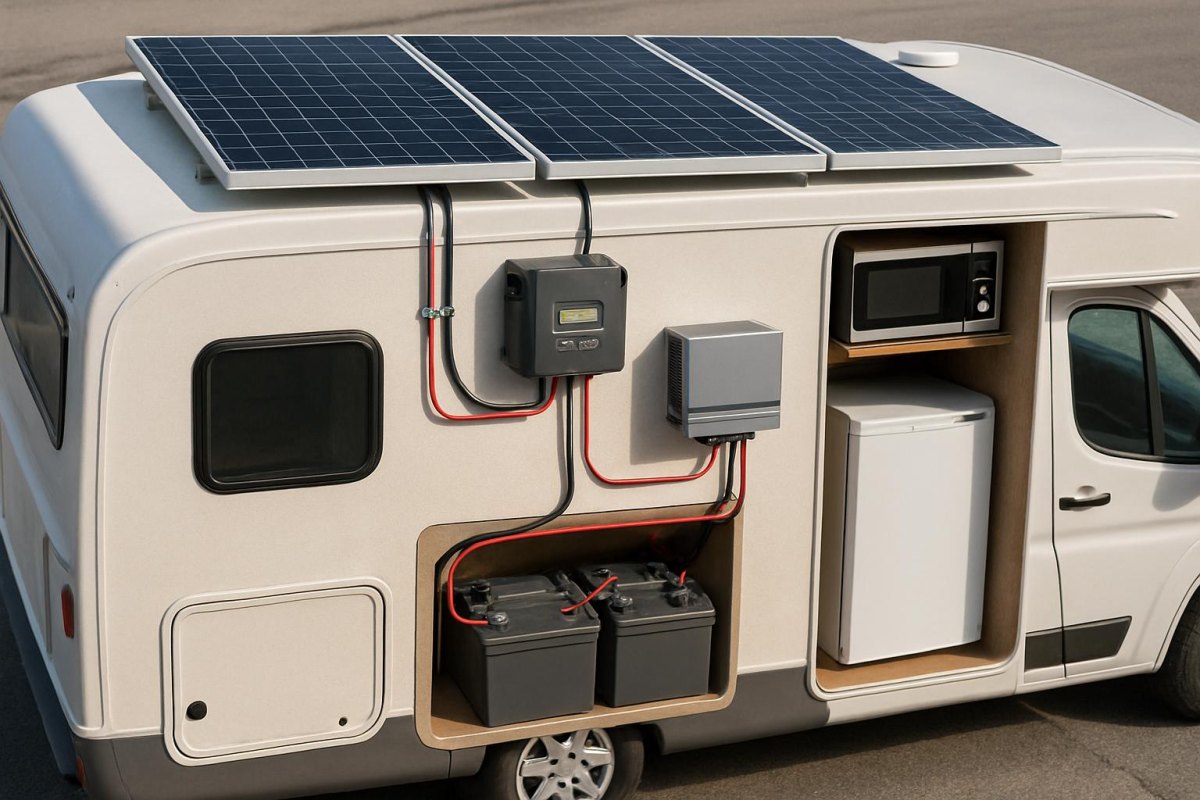
Power planning is where new dry campers usually discover that the sun is not a magic outlet. A good RV solar setup depends on your energy use, battery storage, weather, and available sunlight.
I make a simple energy timeline: what runs during the day, what must run overnight, and what can wait. Battery monitoring helps you understand your actual habits instead of guessing.
| Power Item | Planning Tip |
|---|---|
| Solar panels | Consider weather and campsite shade. |
| Battery bank | Match storage to your daily usage. |
| Appliances | Reduce high-draw items when off grid. |
The goal is not to use nothing. It is to use power intentionally so your evening stays comfortable.
Reduce Energy Use Inside Your RV
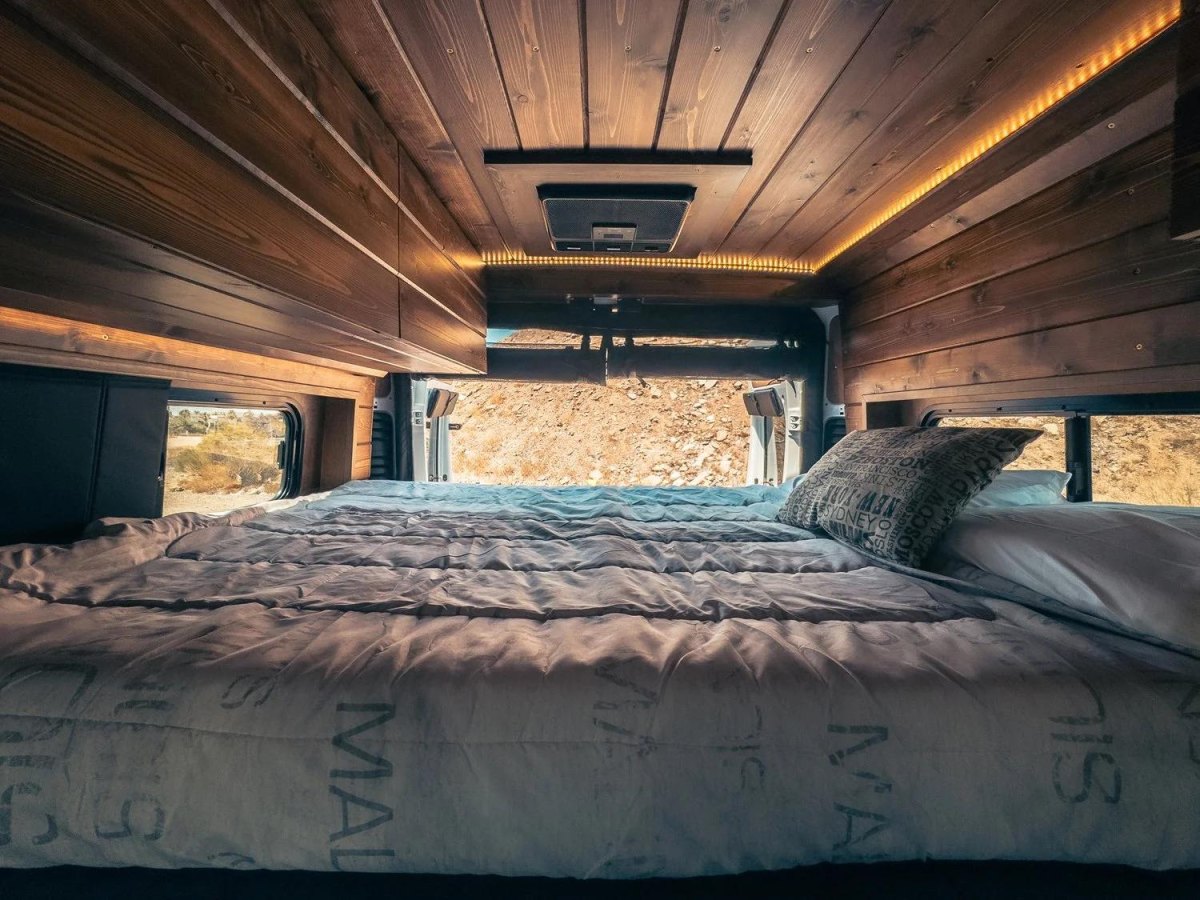
The easiest watt to save is the one you never use. I approach RV energy the same way I approach party prep: remove unnecessary work before the busy moment arrives. Simple energy habits keep your batteries happier and your camping days longer.
Small choices add up: switch to efficient lighting, unplug items you are not using, and think twice before running appliances that pull heavily from your battery system.
My practical tip
Create a nighttime routine before dark. Charge devices, check battery levels, and turn off anything you do not need.
I always tell hosts not to spend their whole celebration managing details. Your campsite deserves the same kindness.
Prepare Food Without Full Hookups
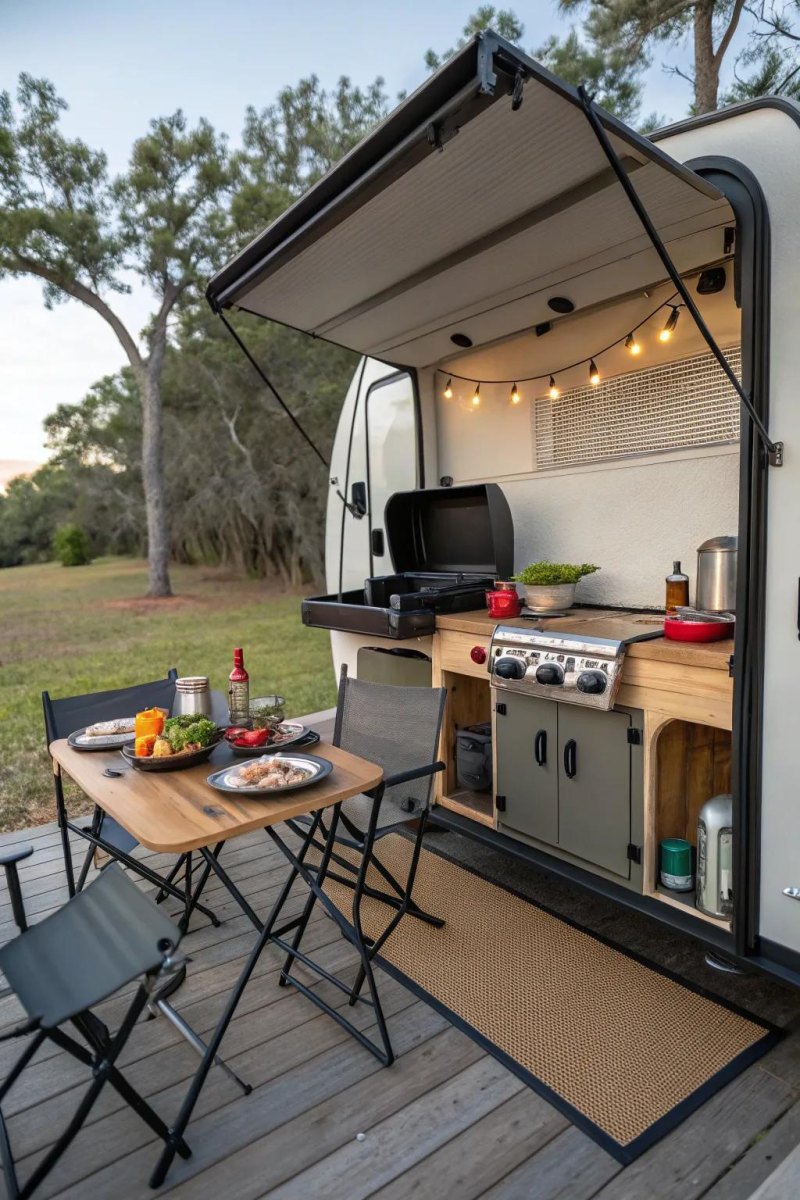
Cooking while dry camping does not need to feel like a survival challenge. I plan meals the way I plan a holiday dinner: choose what can happen ahead, simplify the rest, and leave room to enjoy yourself.
My favorite off grid meal strategy is a mix of prepared ingredients, easy breakfasts, and one or two special meals. You are camping, not auditioning for a cooking show.
A good camping menu passes my host test: you should still get to sit down and enjoy your own dinner.
Handle Waste and Leave No Trace
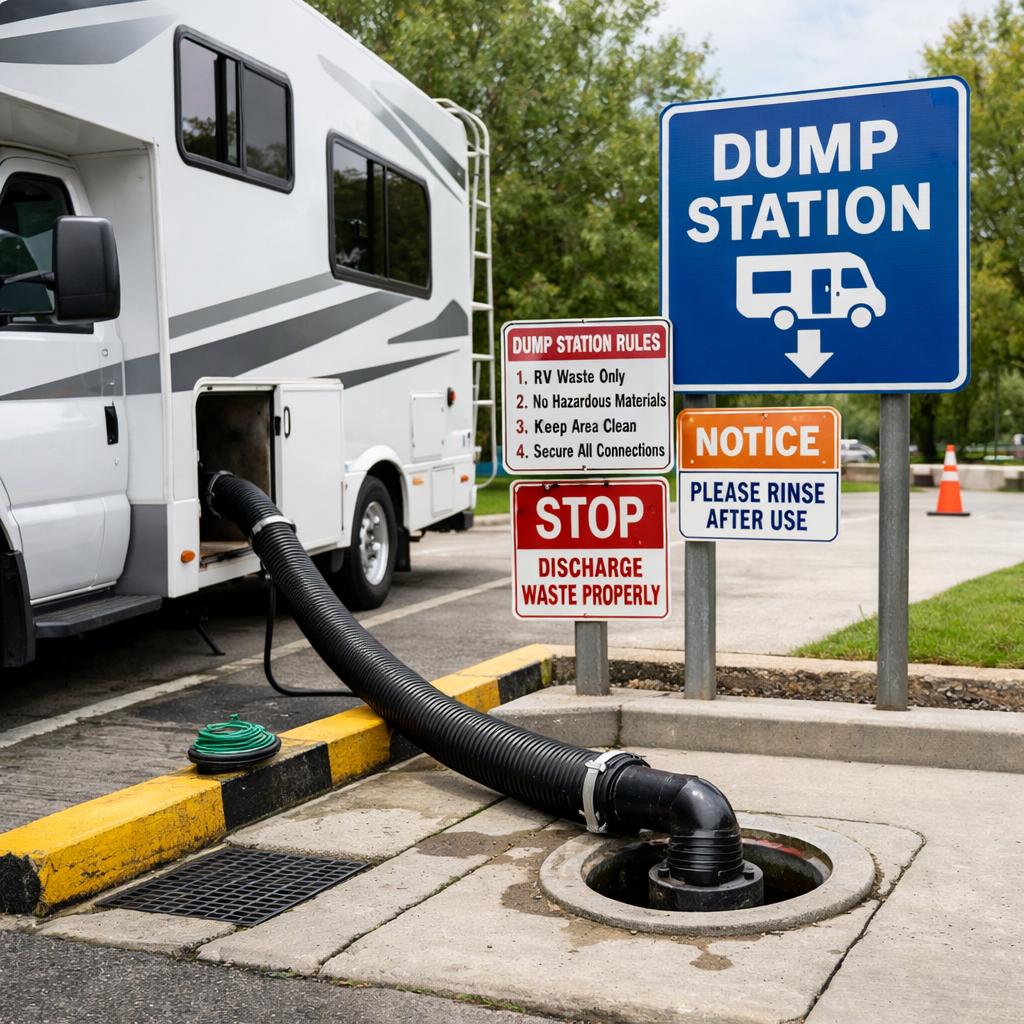
Waste planning is not glamorous, but it is what keeps beautiful places beautiful. I would rather spend five minutes preparing than leave a mess for the next person. Leave No Trace principles recommend planning ahead, disposing of waste properly, and minimizing impact.
For responsible dry camping, I pack out trash, manage gray and black tanks carefully, and follow local rules for human waste disposal. Some areas have stricter requirements, so I check before traveling.
Do not skip this step
Never assume a remote campsite has trash service or waste facilities. Carry the supplies you need to leave the area cleaner than you found it.
Good manners do not stop at the campground entrance.
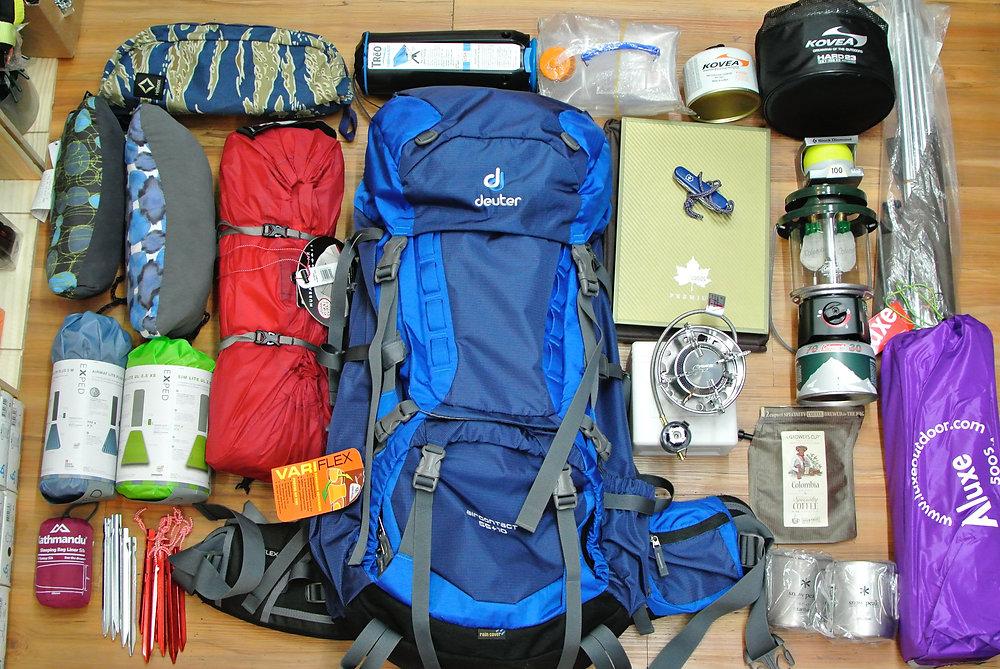
Pack Emergency Gear and Backup Supplies
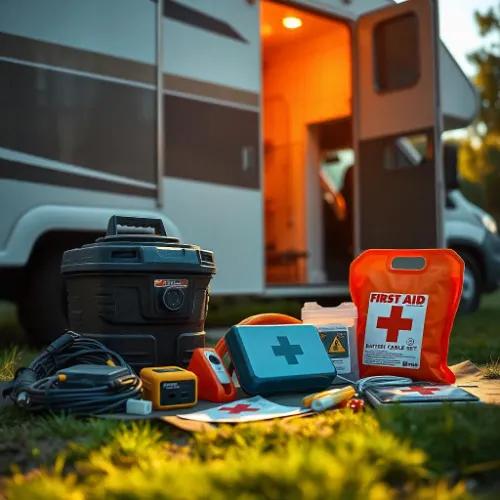
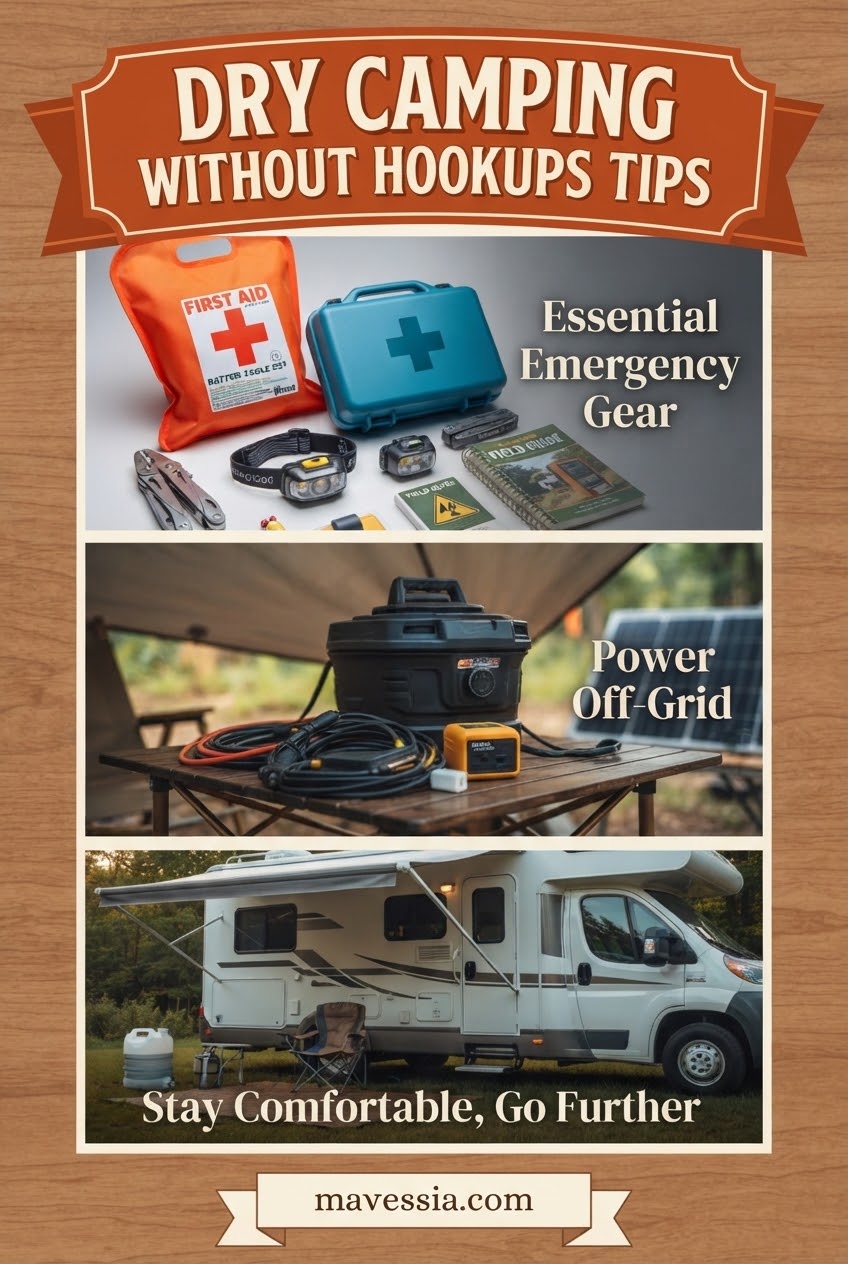
The best dry camping trips have a quiet confidence because the basics are already handled. My event emergency kit has saved more than one wedding day, and an RV version follows the same idea: prepare for the small surprises.
I keep backup camping supplies organized so I can find them quickly instead of digging through every cabinet during a stressful moment.
The final planner check
Before leaving home, imagine one thing going wrong and pack for that. A little preparation buys a lot of peace.
Dry camping is at its best when the logistics disappear into the background and you are left with the part everyone came for: the quiet, the scenery, and the memories.
More Pinterest Visuals