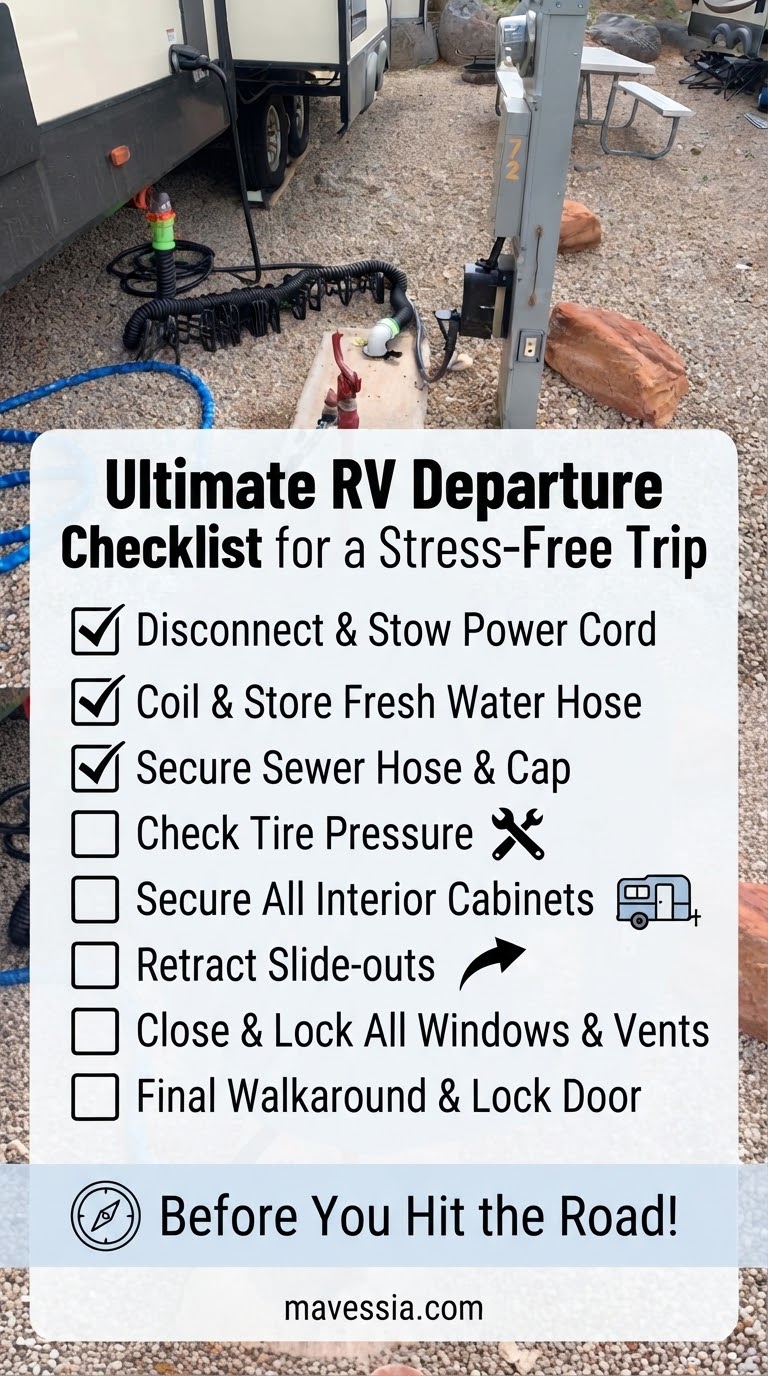
Leaving an RV campsite always looks simple from the outside: pull in the slides, unplug the cord, turn the key. Anyone who has actually traveled in one knows there are about twenty tiny moments where a forgotten step can become a very expensive roadside story. I learned early in event planning that calm comes from a repeatable timeline, and an RV departure routine works the same way. A written departure checklist lets you enjoy the trip instead of replaying the question, “Did I close that?”
I keep this process in the same order every time: outside systems first, interior security next, then a final walk-around. RV guidance commonly emphasizes checking tires, connections, lights, compartments, appliances, and loose items before moving.
Check Weather and Route Conditions
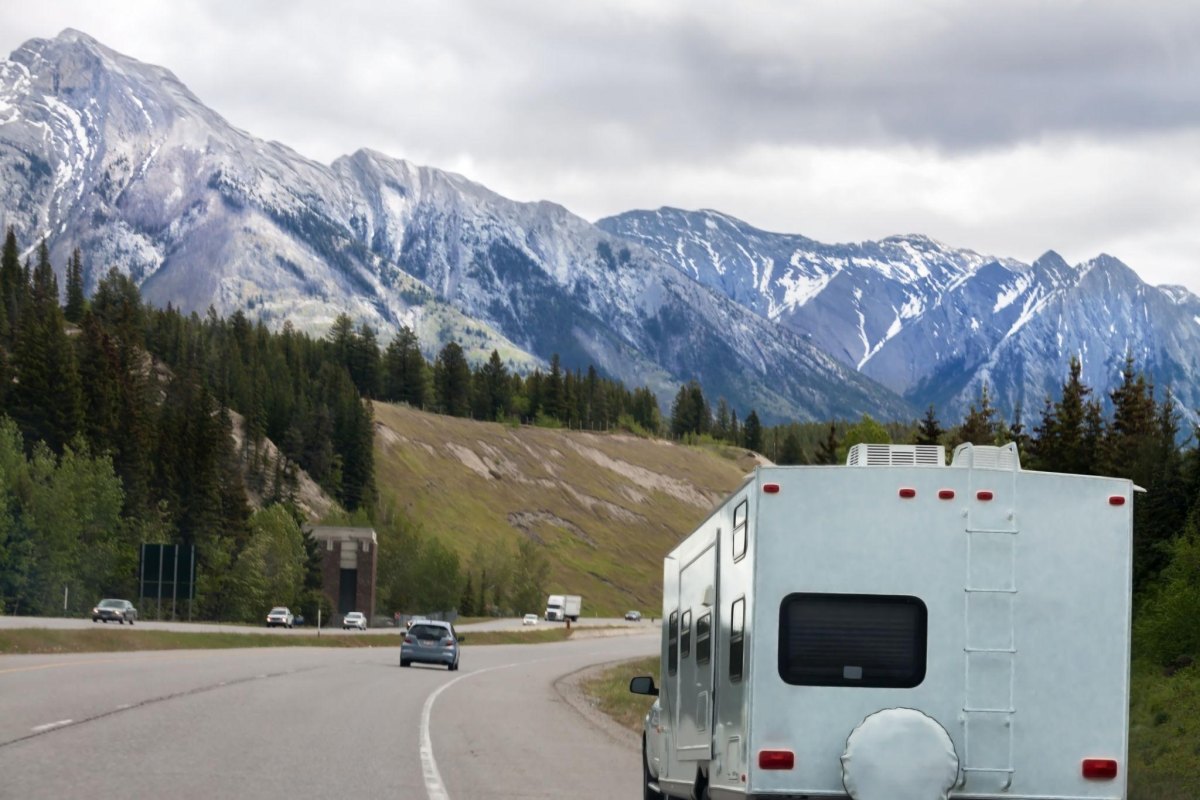
Before I disconnect the last hookup, I check the forecast and my route. A beautiful campsite morning can turn into a difficult travel day if storms, high winds, mountain passes, or road closures appear unexpectedly. I treat this as the first departure decision, not an afterthought.
Inspect Exterior Lights and Signals
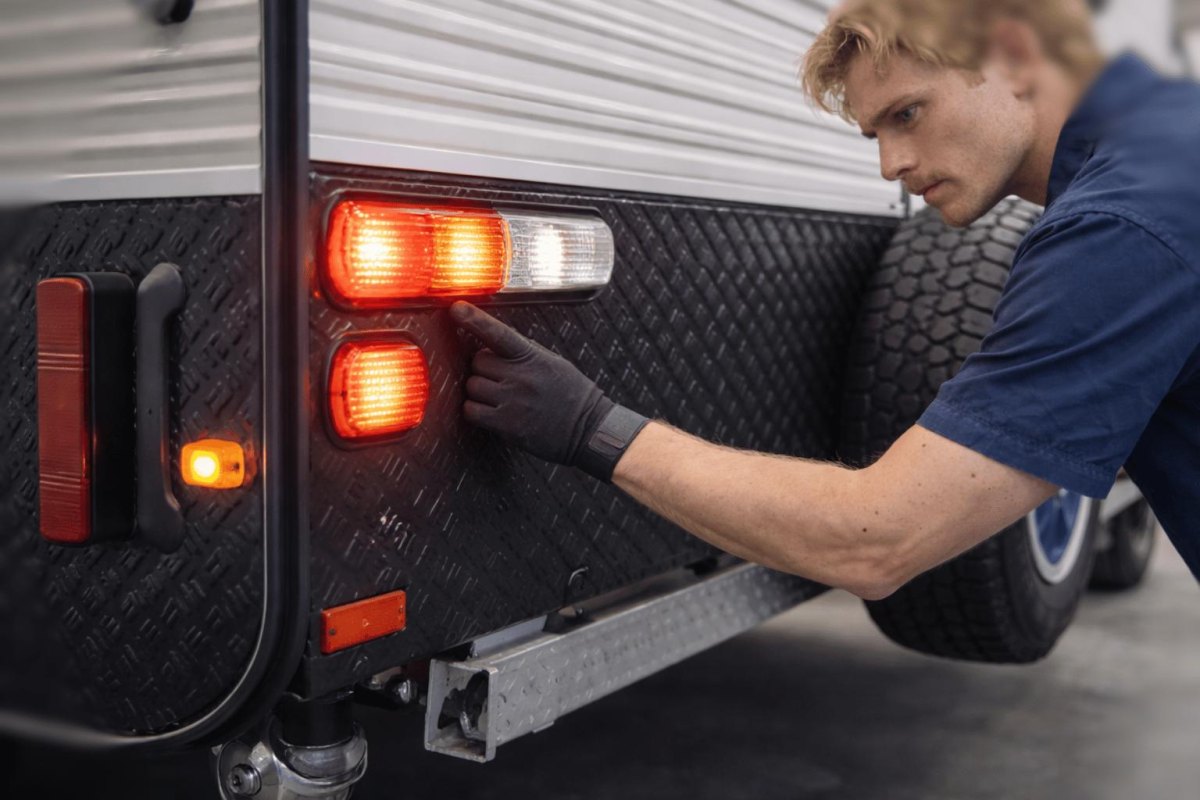
Lights are one of those things we notice only when they fail. Before leaving, I test headlights, brake lights, turn signals, and running lights so the RV communicates clearly with everyone sharing the road. Working exterior lights are a small check with a big safety payoff.
Planner tip
I ask one person to stand outside while another operates the controls. It takes less than a minute and prevents guessing.
Secure Windows, Doors, and Compartments
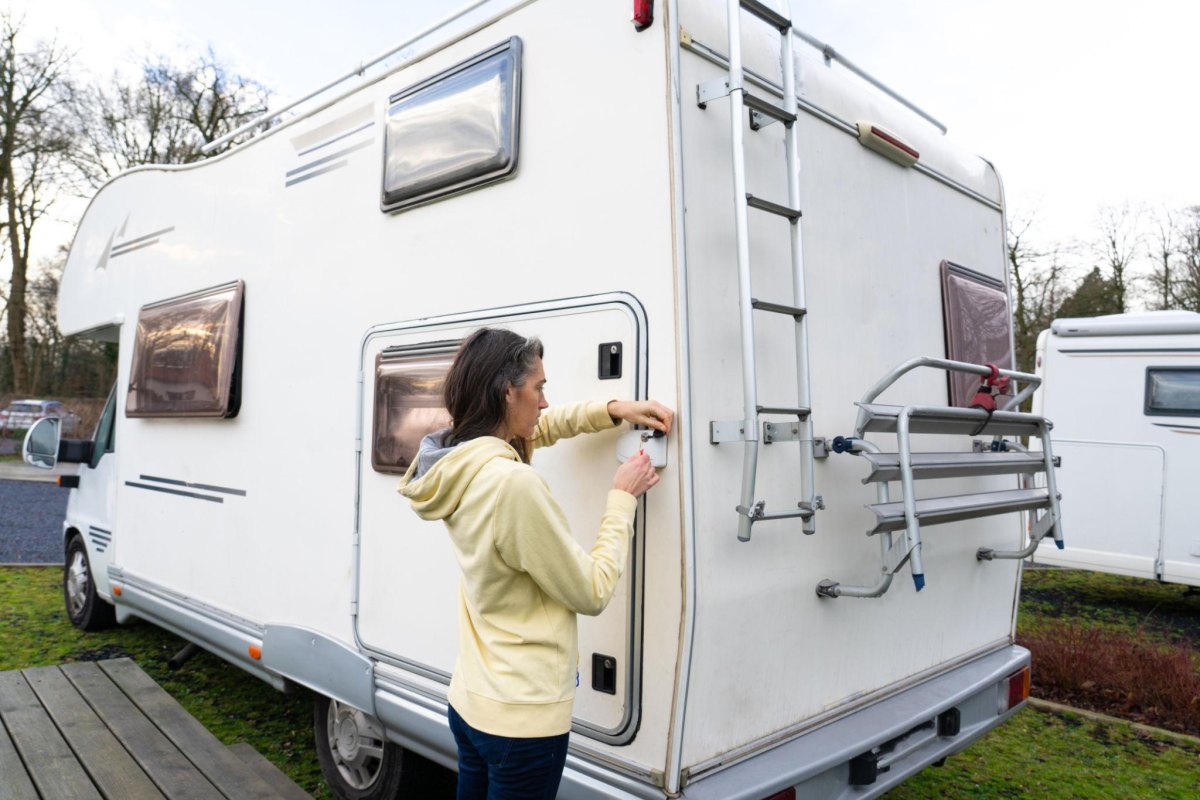
I learned from years of event logistics that the last five minutes are where details disappear. RV departure is no different. I walk around checking that windows, entry doors, and storage compartments are latched before the wheels move. Locked compartments protect both your belongings and your peace of mind.
- Windows: Closed and latched securely.
- Compartments: Shut, locked, and free of loose items.
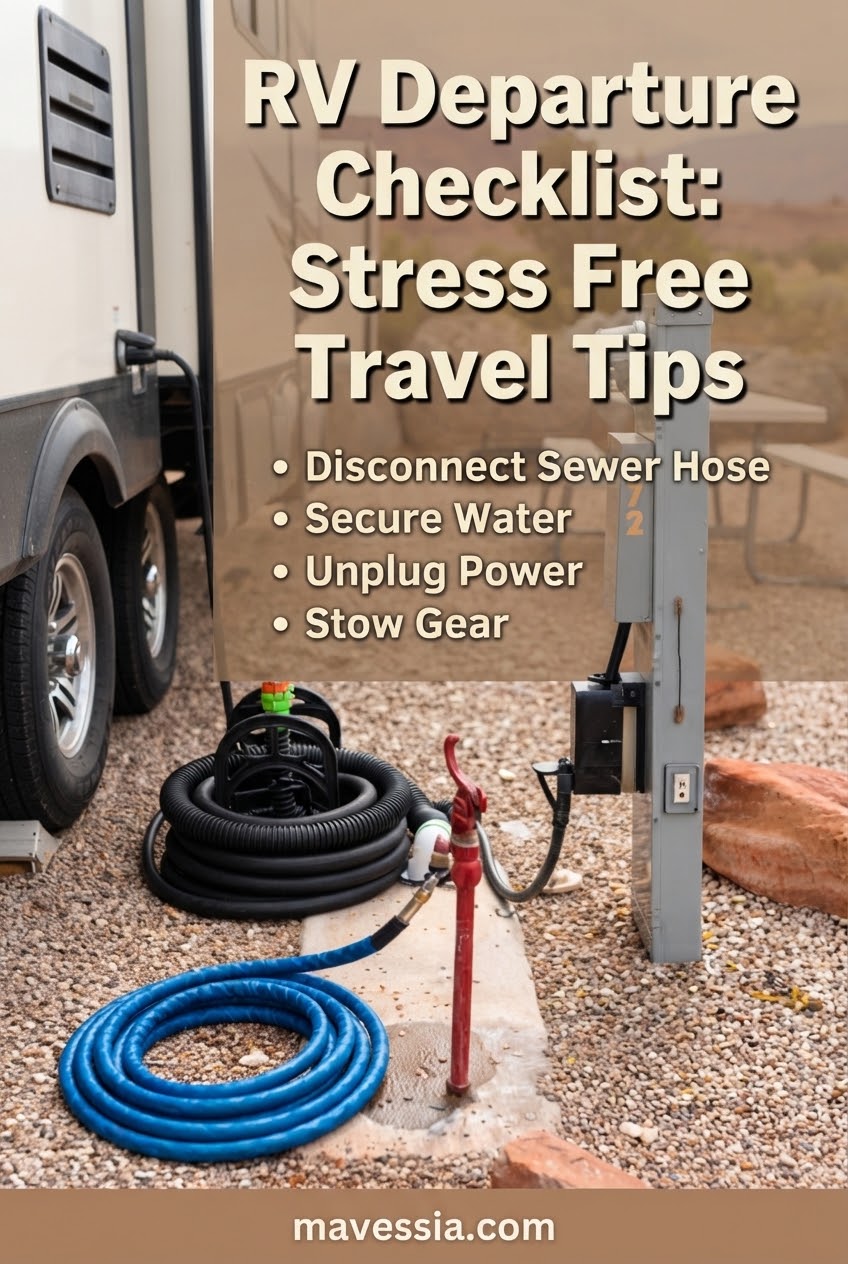
Disconnect Water, Power, and Sewer Connections
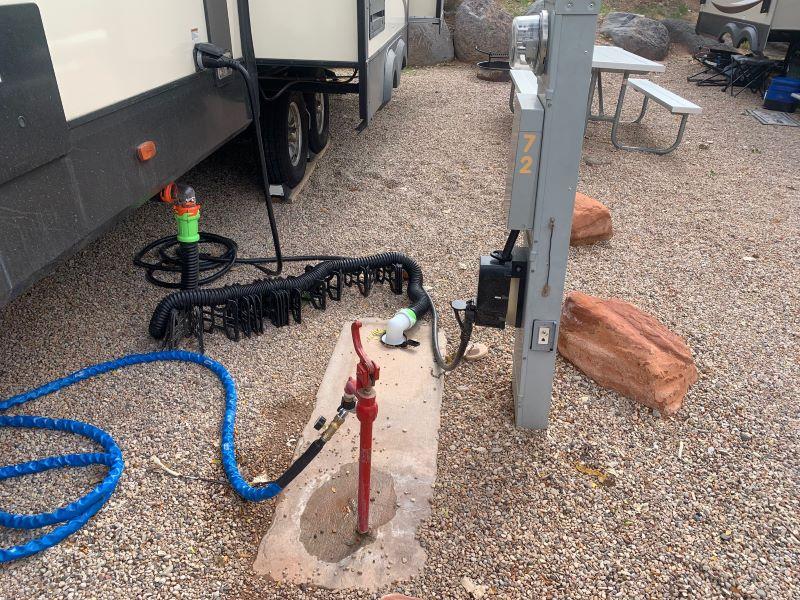
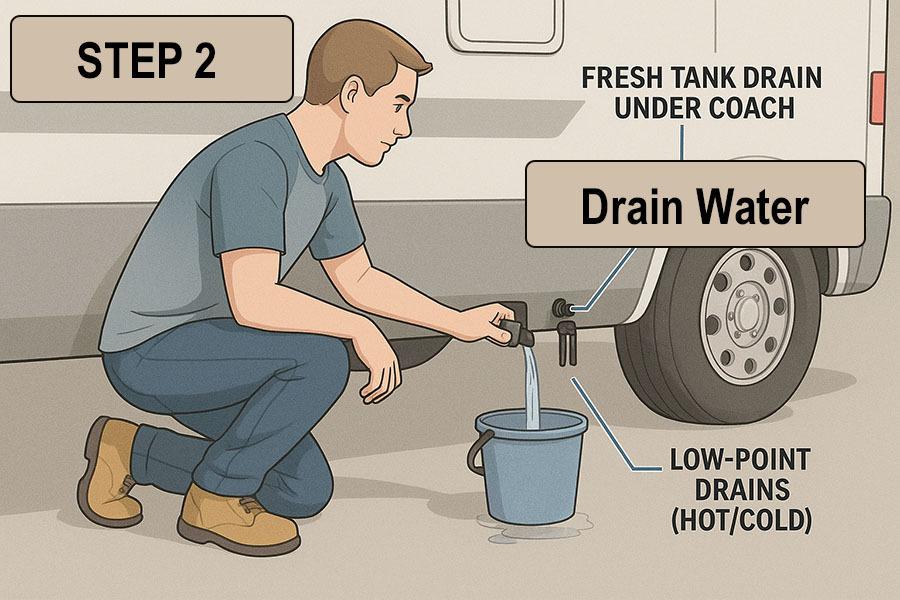
The hookup area deserves its own checklist line because these are the items most likely to be rushed. I disconnect utilities carefully, store hoses properly, and make sure nothing is still attached before pulling away. Utility disconnects are part of every proper campsite exit routine.
- Turn off. Shut down water and power connections safely.
- Disconnect. Remove hoses and cords completely.
- Store. Secure equipment in its proper compartment.
Retract Awning and Outdoor Equipment
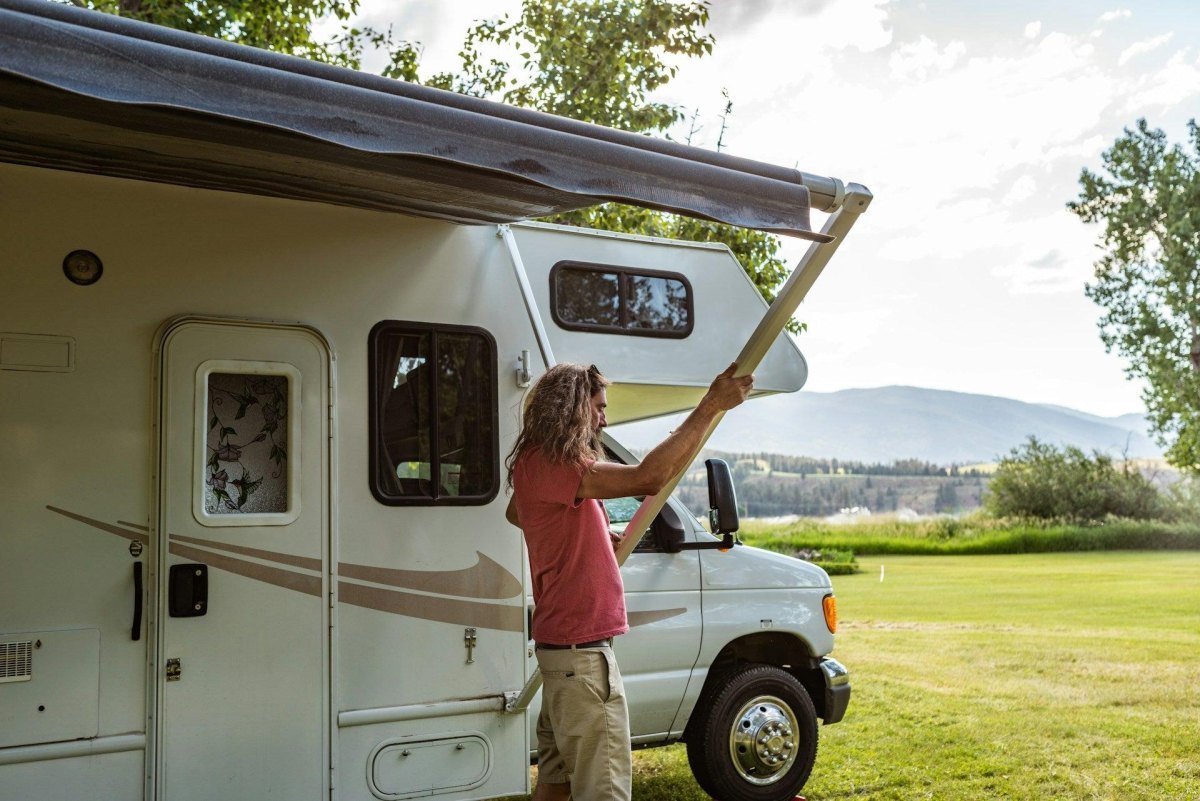
I have seen more than one beautiful outdoor setup become a travel problem because something outside was forgotten. Chairs, mats, grills, and awnings all need a final home before departure. The awning check is especially important because it is easy to miss from the driver’s seat.
Common mistake
Driving away while an awning, step, antenna, or outdoor accessory is still extended can create expensive damage.
Check Tires and Tire Pressure
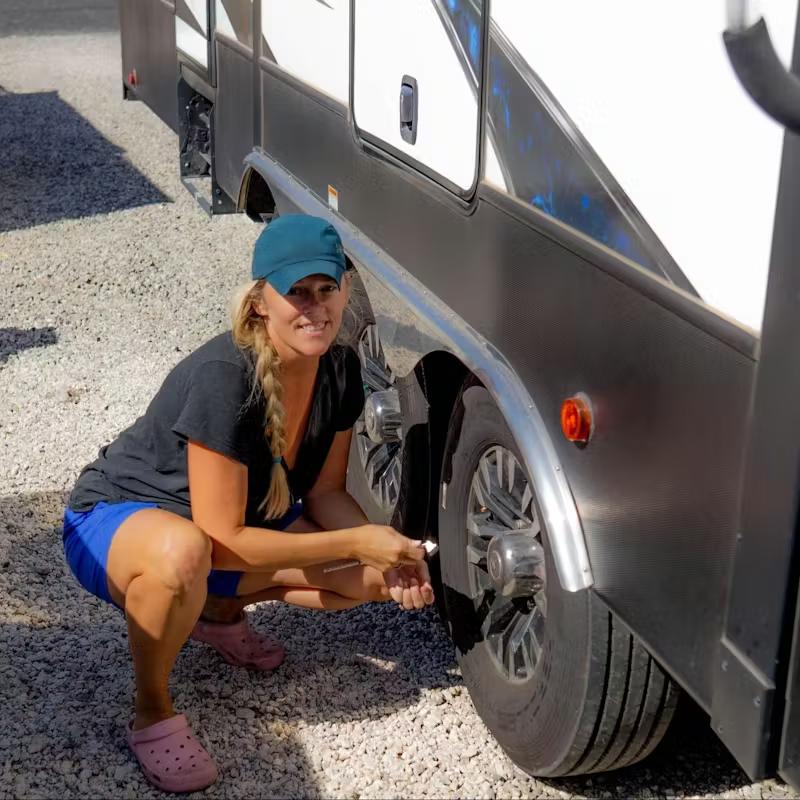
Tires are where I slow down and refuse to hurry. A quick visual inspection and pressure check can reveal problems before they become roadside emergencies. Tire pressure should be checked according to your RV and tire guidance, especially before travel. Cold tire pressure readings are the ones I rely on.
5 minutes
A small tire check can prevent a major travel interruption.
Verify Engine Fluids and Mechanical Systems
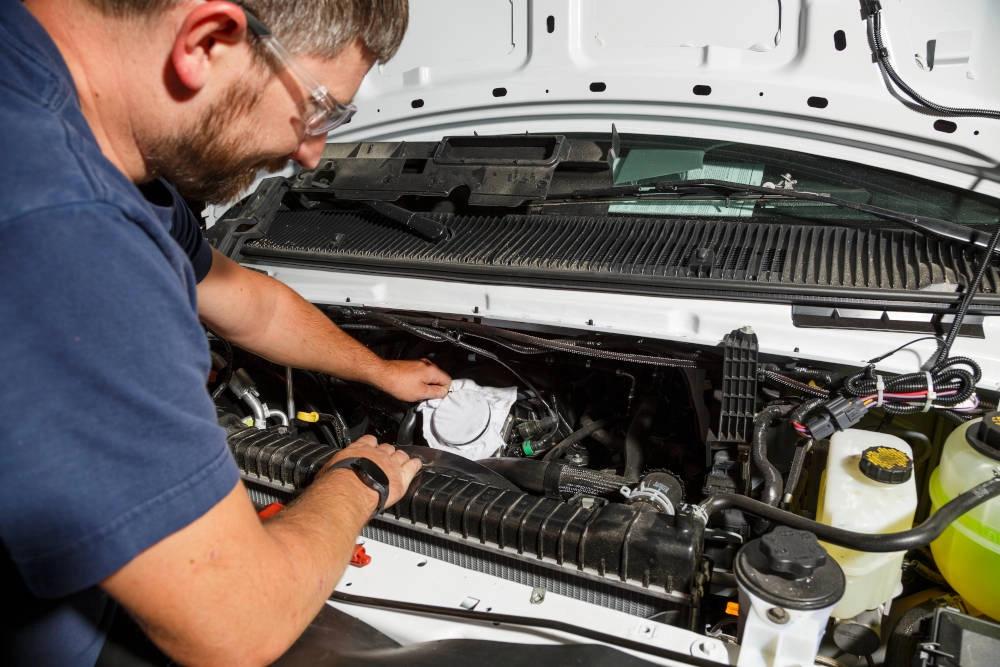
For motorhomes, I include a quick mechanical review before departure. Oil, coolant, batteries, and visible leaks all deserve attention before a long drive. My hospitality background taught me that prevention is always calmer than emergency repair. Basic mechanical checks belong on every travel timeline.
Secure Interior Items for Travel
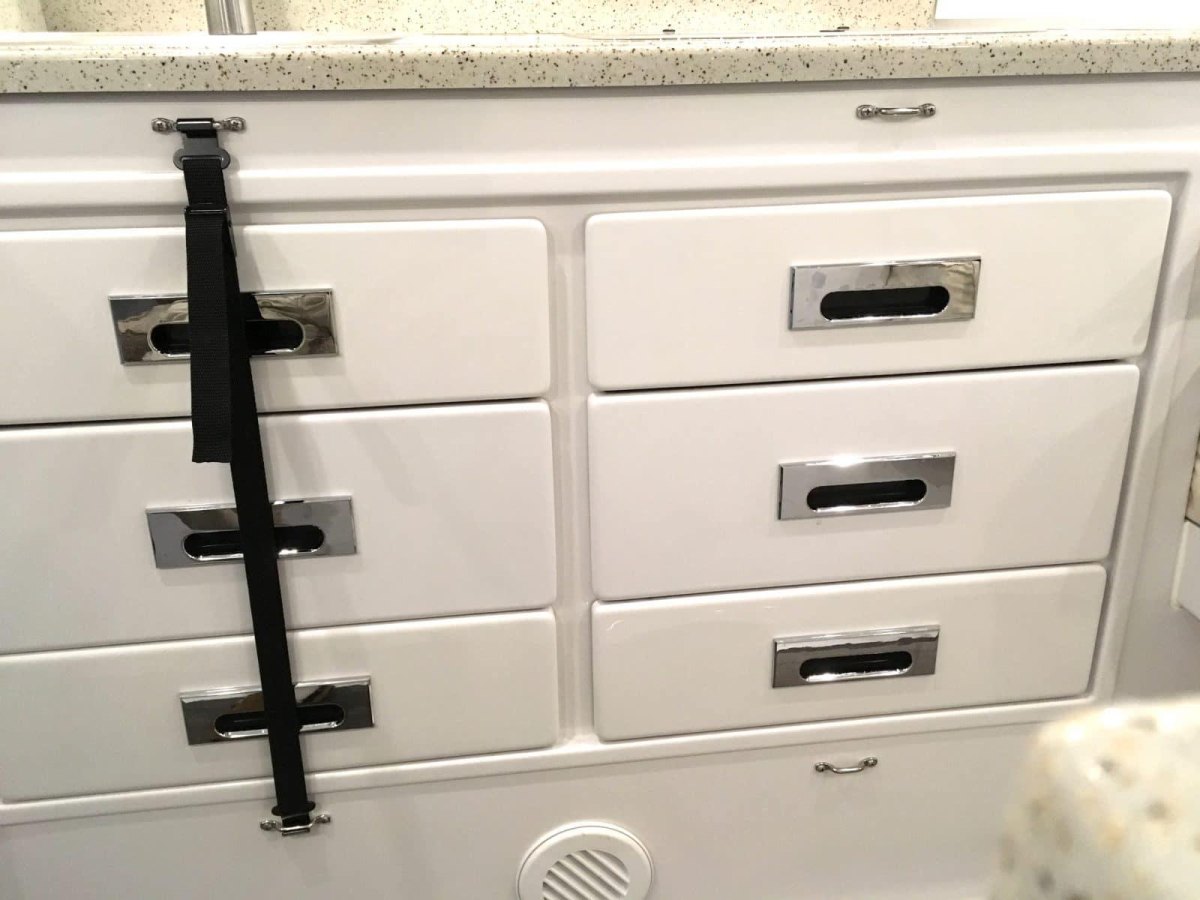
An RV home becomes a moving space the moment you leave. I secure dishes, decorations, cabinets, and anything that can shift because nobody wants a surprise kitchen explosion at the first stop. Travel-ready interiors make arrival much happier.
- Close cabinet doors and drawers.
- Store loose countertop items.
- Secure fragile decorations.
Confirm Refrigerator and Appliance Settings
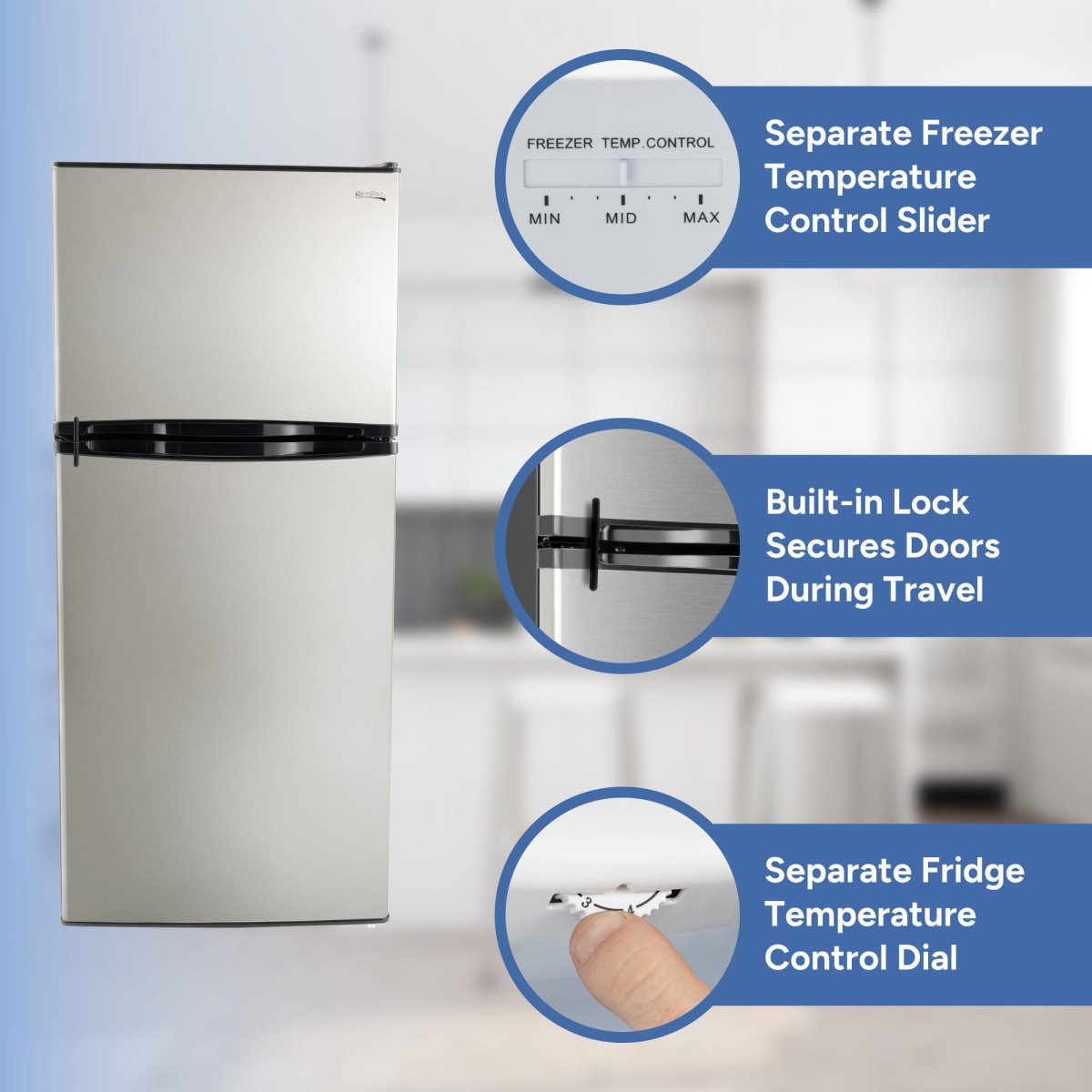
I always give appliances their own moment because they are easy to overlook after a relaxing campsite stay. Refrigerator settings, doors, and other appliances should match your travel plan and your owner’s manual. Appliance preparation prevents messy surprises later.
A note before traveling
Different RV refrigerator systems have different travel recommendations, so I follow the specific equipment instructions rather than guessing.
Check Propane System Safety
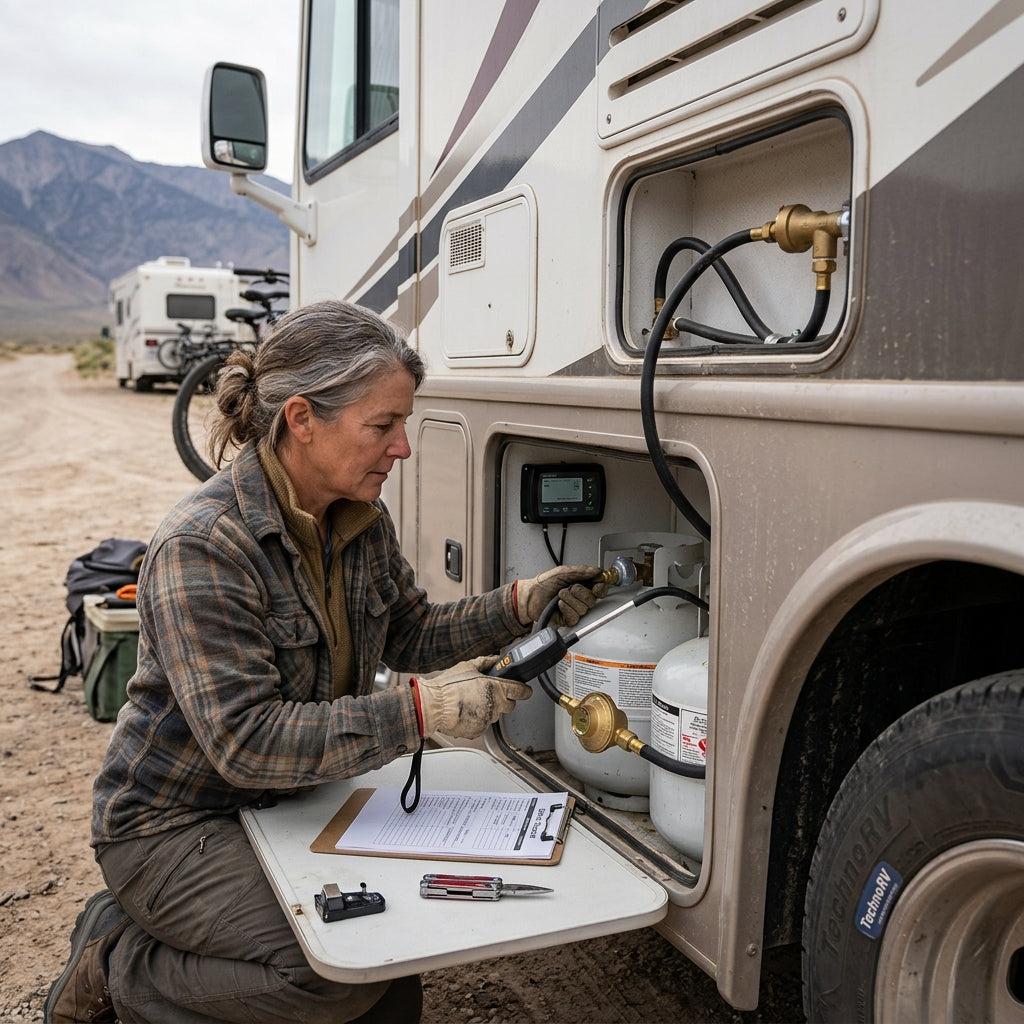
Propane deserves respect every single trip. I check the tanks, connections, and appliance settings before moving because fuel systems are not the place for shortcuts. Propane safety begins with knowing your RV’s exact requirements.
Safety reminder
Follow your RV manufacturer guidance for propane use during travel and shut off systems when required.
Inspect Brakes and Hitch Connections
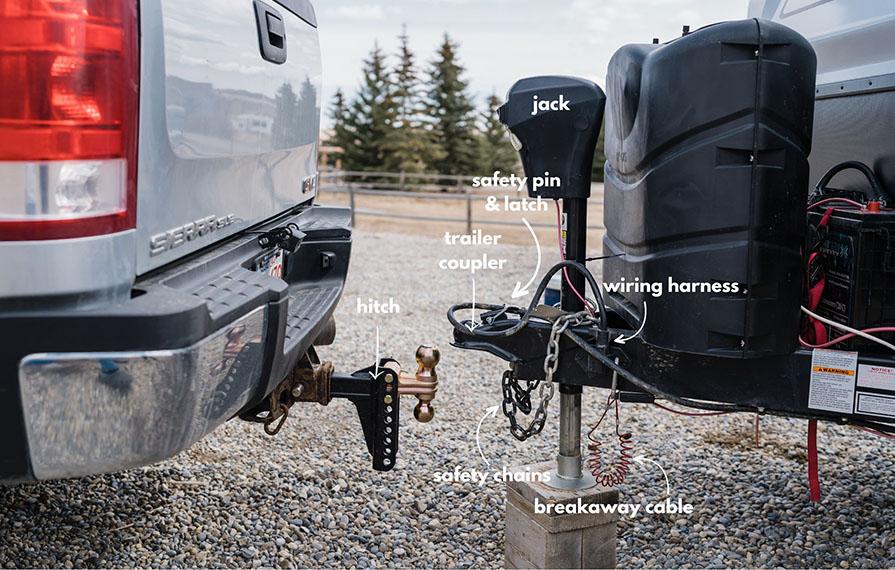
Towing days require extra patience. I inspect the hitch, safety connections, and braking components because this is the point where the RV and tow vehicle become one system. Hitch security is never a place to rush.
- Confirm hitch connection is secure.
- Check safety chains and breakaway connection.
- Verify trailer lights and brakes.
Adjust Mirrors and Driver Controls
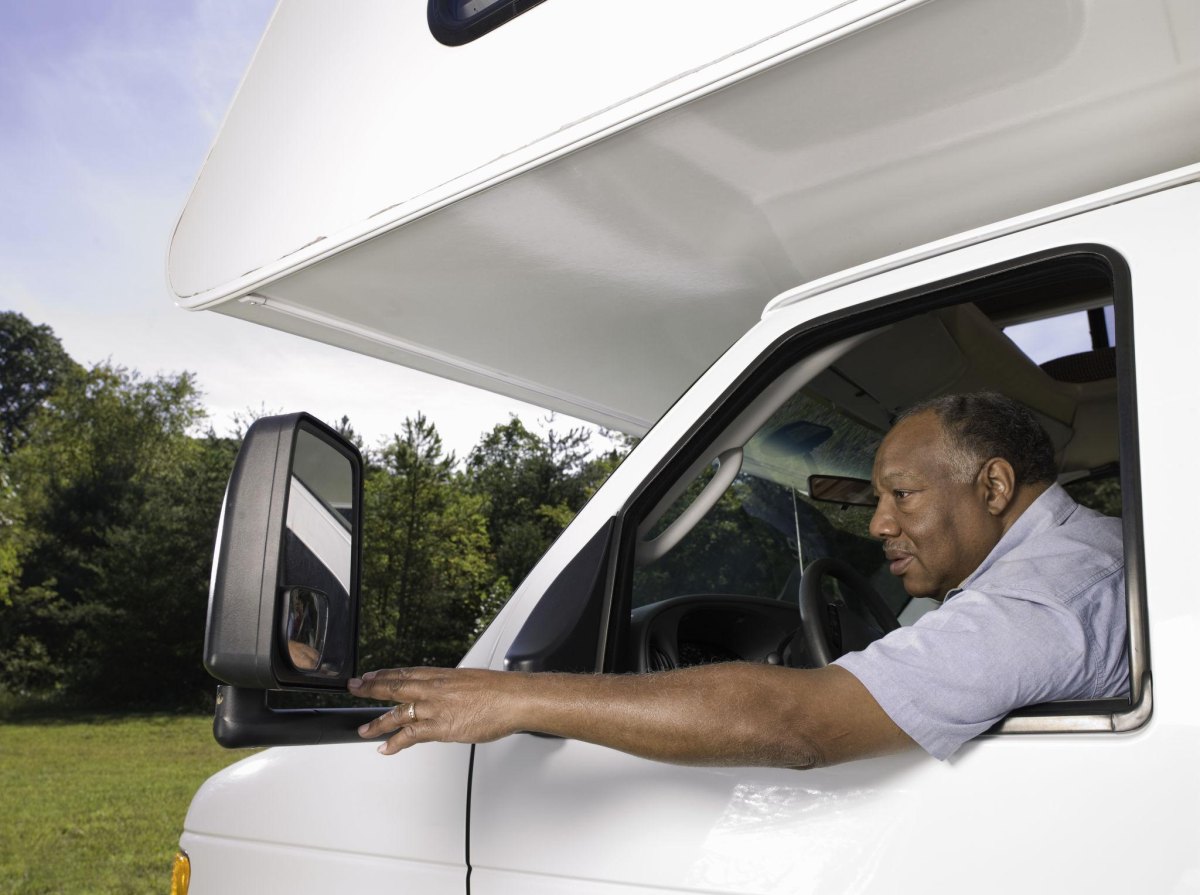
Before I put the RV in motion, I set up the driver’s area just like I would arrange a reception timeline: everything needed should already be in place. Mirrors, seating position, and controls should feel familiar before the first mile. Driver preparation reduces unnecessary distractions.
Confirm Navigation and Emergency Supplies
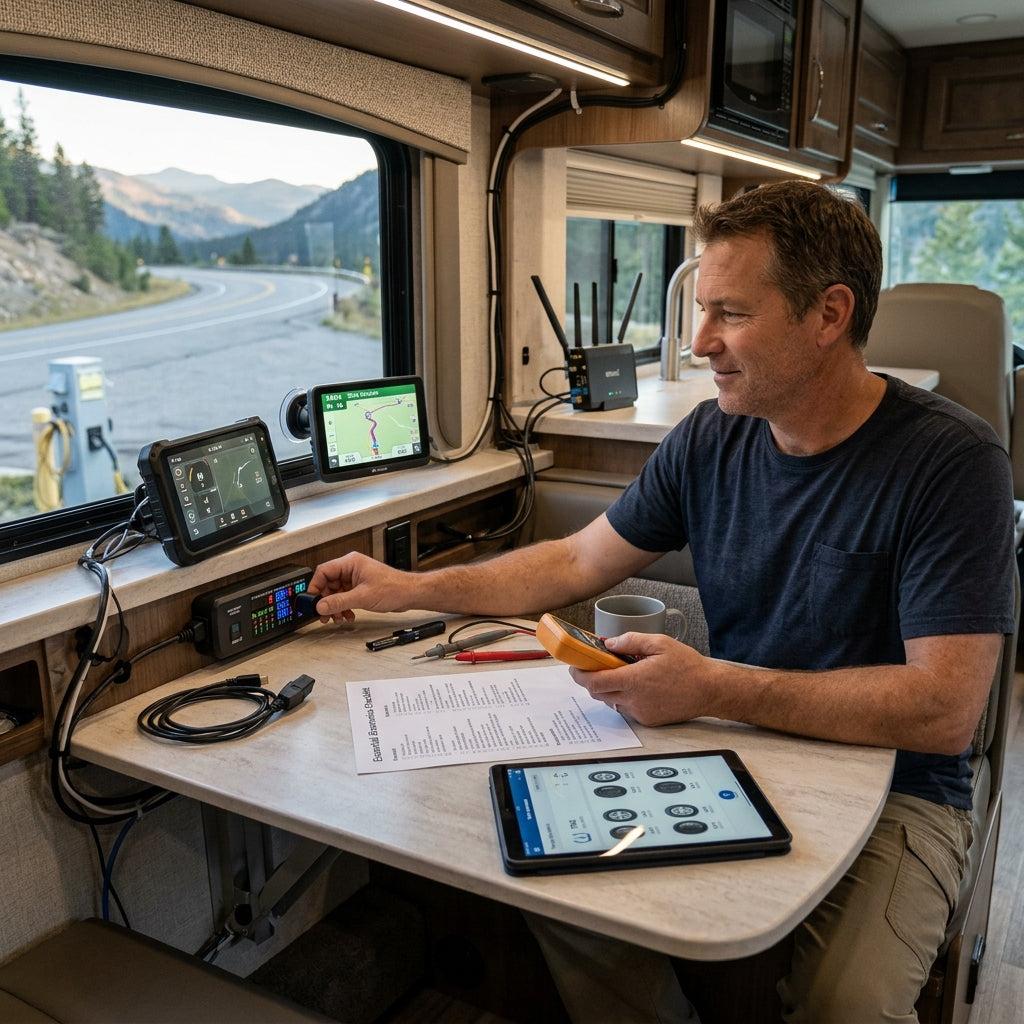
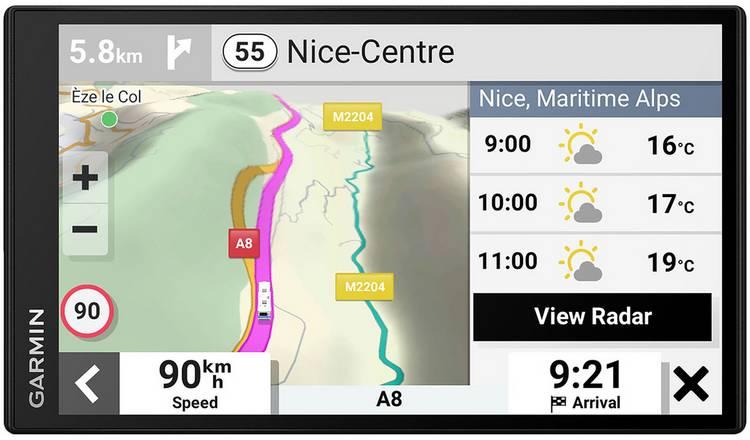
I never leave route planning until I am already rolling. Navigation, roadside supplies, first aid materials, and basic tools belong where they can be reached. Emergency readiness gives every trip a stronger foundation.
| Item | Check |
|---|---|
| Navigation | Route loaded and reviewed |
| Emergency kit | Accessible before departure |
Perform Final Walk-Around Inspection
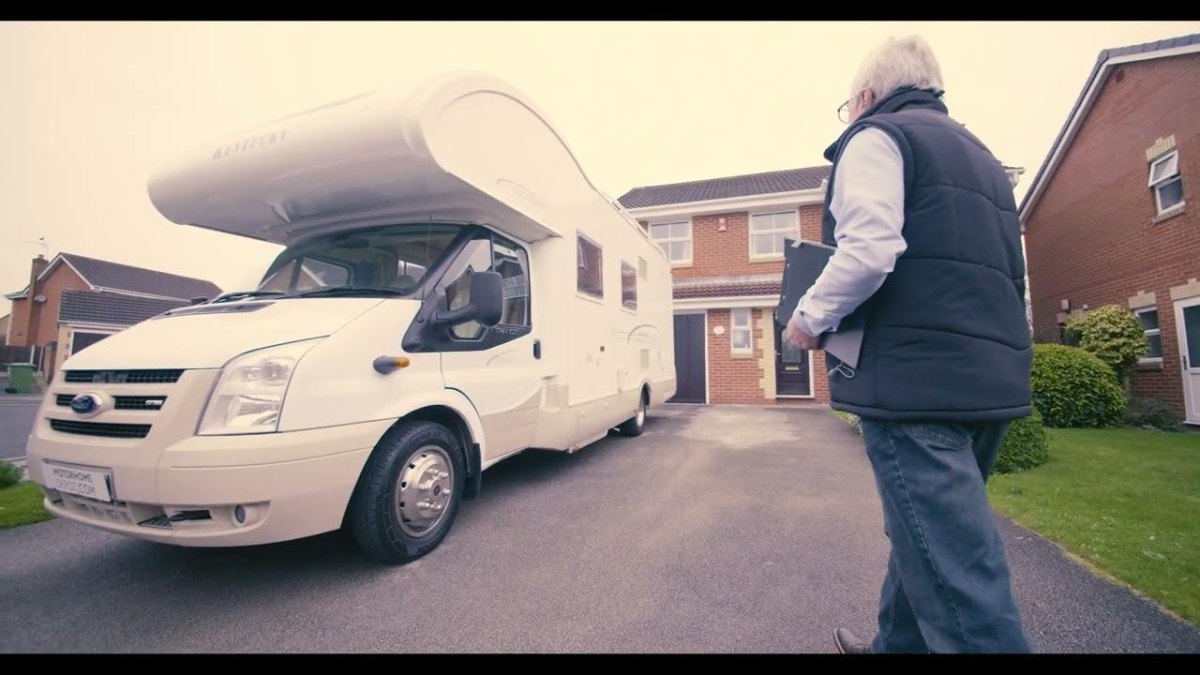
This is my favorite step because it catches the tiny things. I walk the entire RV slowly and look with fresh eyes. The final lap is the equivalent of a wedding planner checking the room before guests arrive: quiet, simple, and incredibly useful. Final walk-around is my departure green light.
My routine
I always walk in the same direction around the RV so the checklist becomes muscle memory.
Secure Pets and Passengers
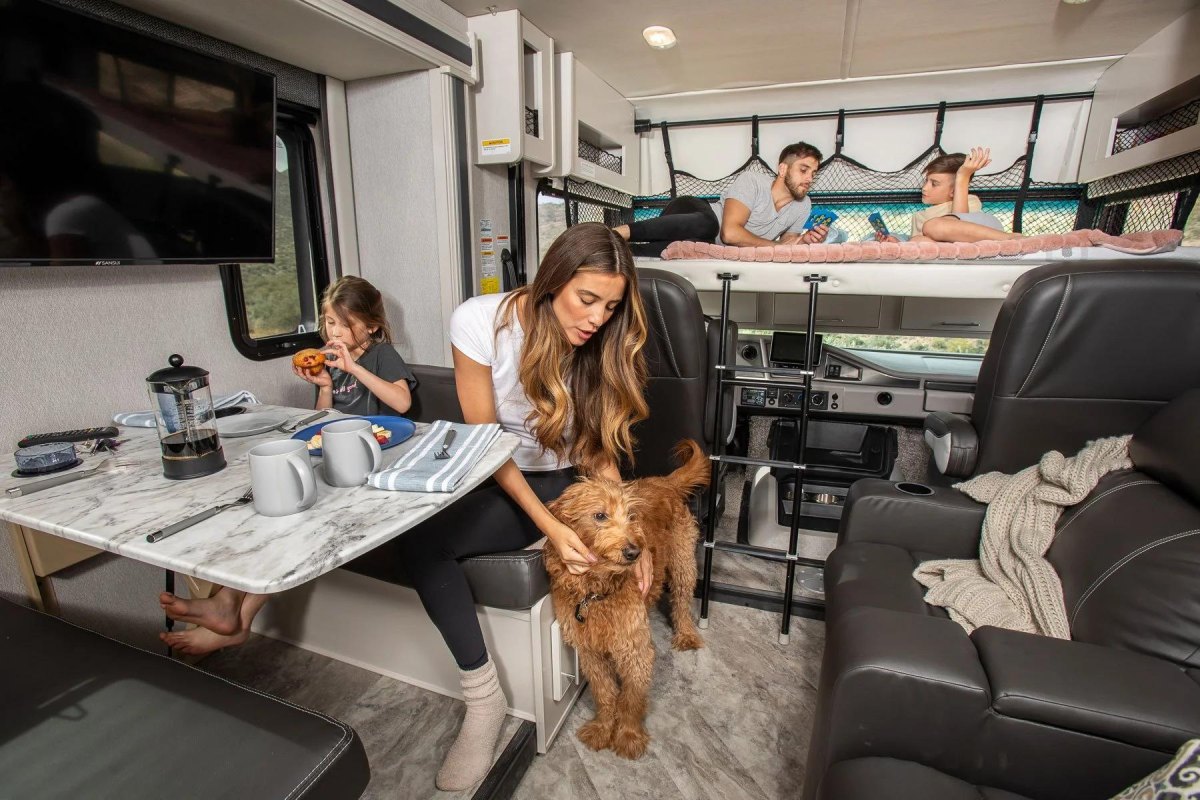
Travel days are exciting, but everyone needs a safe place before the RV moves. I make sure passengers are seated properly and pets are secured according to safe travel practices. Comfort and safety belong together on every adventure.
Important reminder
Never assume a pet or passenger is ready just because the RV is ready. Check before every departure.
Record Mileage and Departure Details
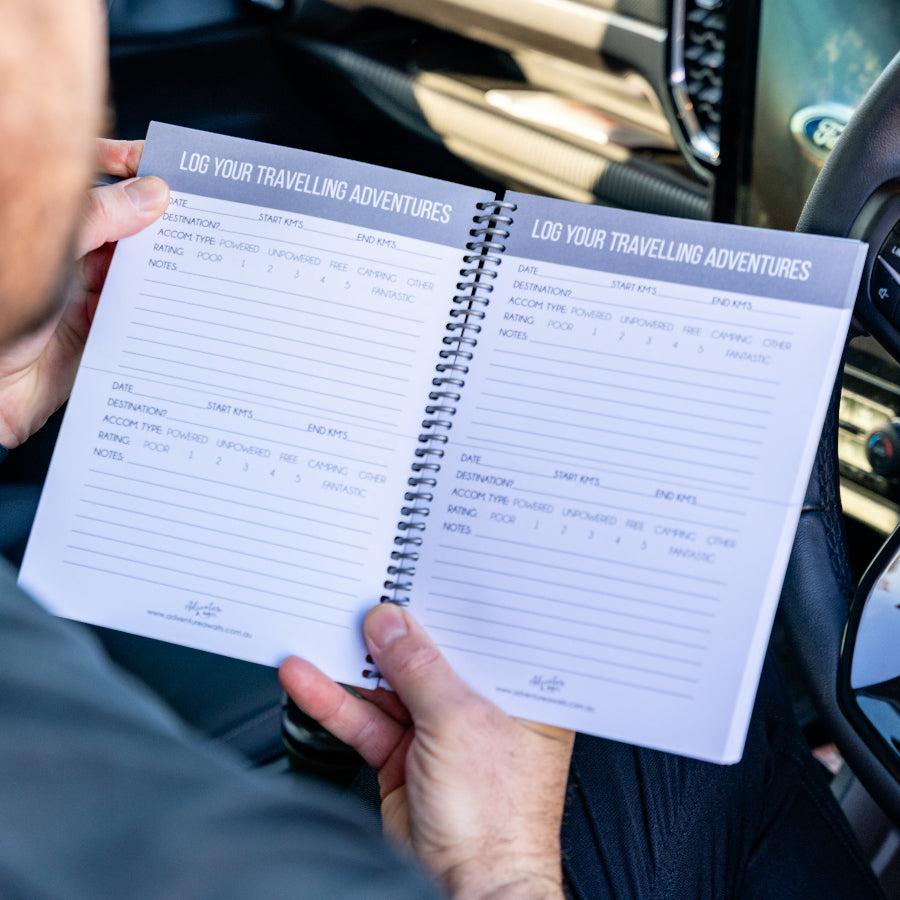
I like ending my checklist with a small record-keeping habit. Mileage, fuel notes, and departure details help with maintenance planning and make future trips easier to organize. Travel records become surprisingly valuable over time.
A simple habit
Keep notes in one place: mileage, unusual sounds, maintenance reminders, and anything to inspect when you arrive.
More Pinterest Visuals