Dispersed camping looks wonderfully simple from the outside: a tent, a quiet forest, and a little space between you and the next campsite. The reality is that the freedom comes with a planning list. I have learned from years of event logistics that the best experiences happen when the invisible details are handled before anyone arrives.
I approach remote camping the same way I approach a well-run gathering: know the rules, prepare the essentials, and leave yourself enough margin that you can actually enjoy the moment. These dispersed camping tips are the checklist I would want beside me before heading down a dirt road into the quiet.
Choose a Legal Dispersed Camping Area
My first step is always confirming that I am allowed to camp where I am going. Public lands often allow dispersed camping, but restrictions vary by location, and some areas are closed or require permits.
Before I pick a spot
- I check the managing agency and current restrictions.
- I confirm whether permits or fire approvals are needed.
A beautiful view is not worth starting a trip with a camping rule violation.
Research Land Rules Before You Camp
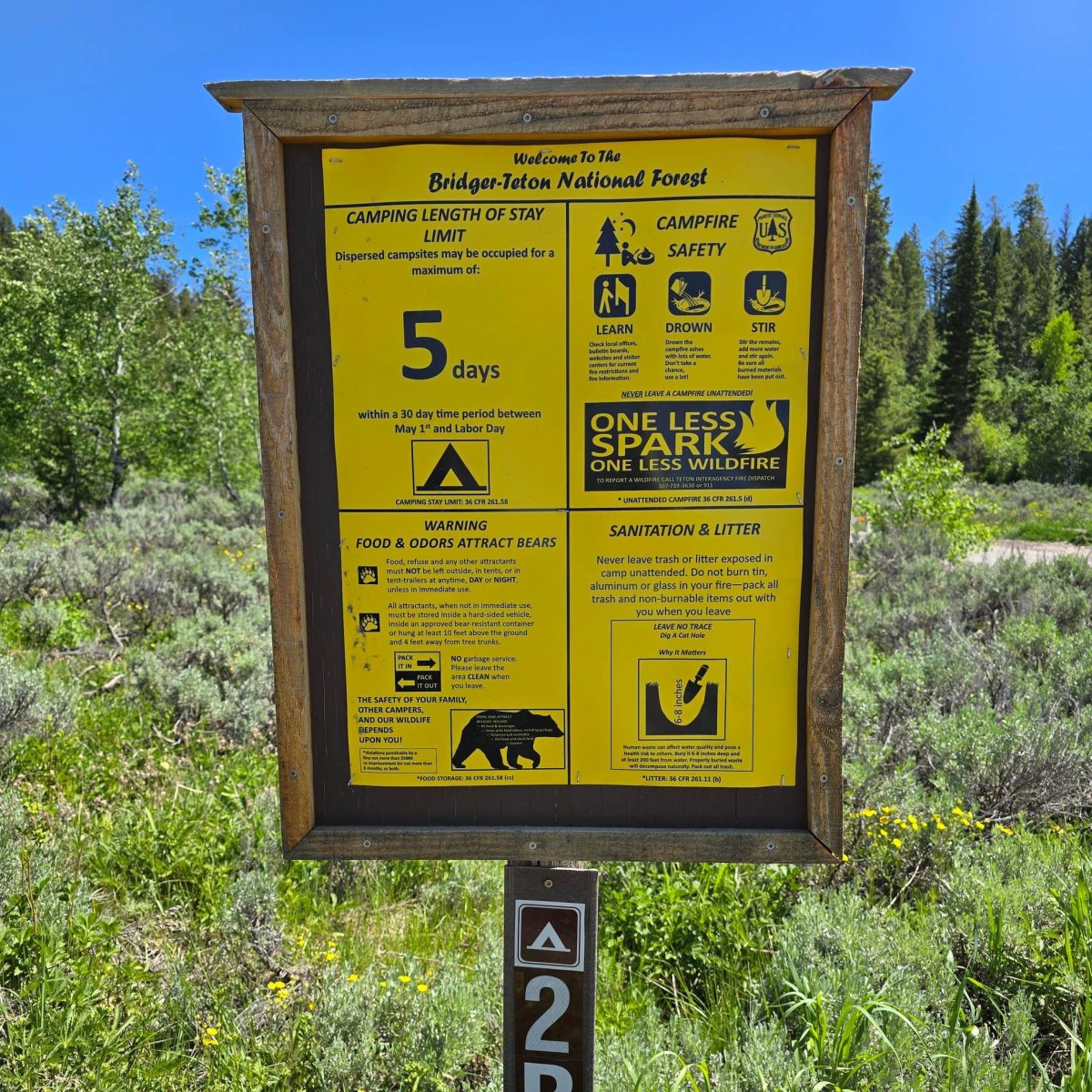
I treat land rules like venue contracts: boring until they save the day. Stay limits, vehicle access rules, and fire restrictions can change by district, so I check official sources before leaving home.
A few minutes of research protects the whole camping experience.
Pick a Safe and Suitable Campsite
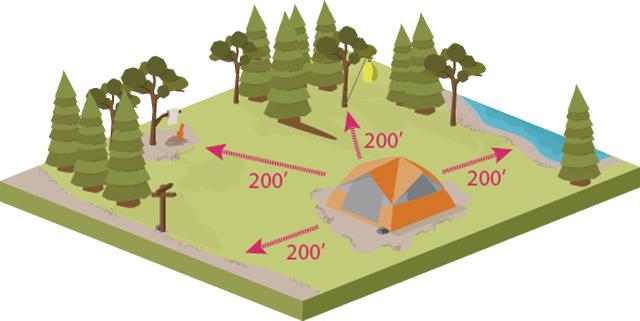
I look for a campsite that already works rather than trying to redesign the landscape. Established sites, durable ground, and good drainage are my priorities. Leave No Trace guidance recommends finding campsites instead of creating them.
My campsite test
If the spot looks comfortable without moving rocks, digging, or clearing plants, it is usually a better choice.
The goal is a low-impact campsite that feels like a guest room in nature.
Follow Leave No Trace Principles
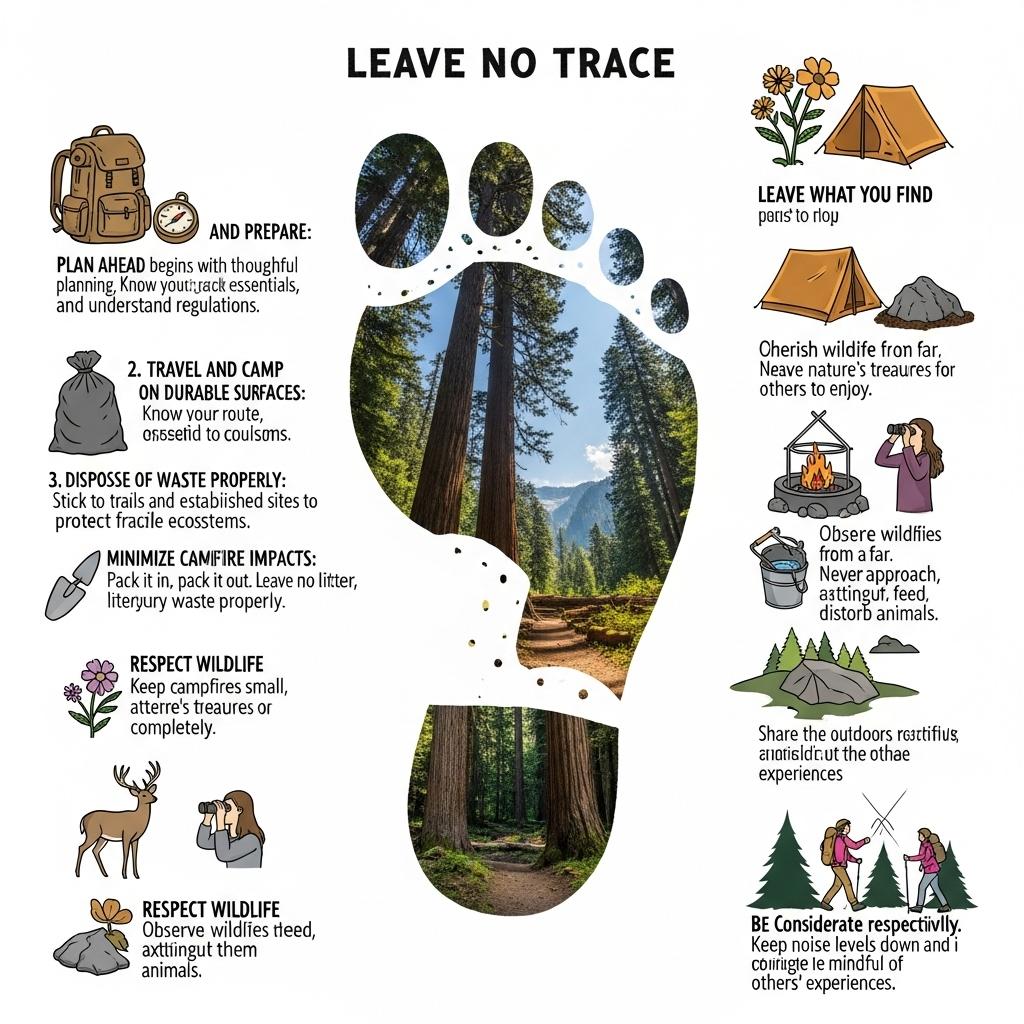
I carry the same hosting mindset outdoors that I use at my dining table: leave things ready for the next person. Leave No Trace focuses on minimizing impact, keeping camps small, and protecting natural areas.
Good outdoor manners are simply good manners with a bigger backyard.
My camping notebookResponsible choices create better wilderness access for everyone.
Plan Your Water Supply
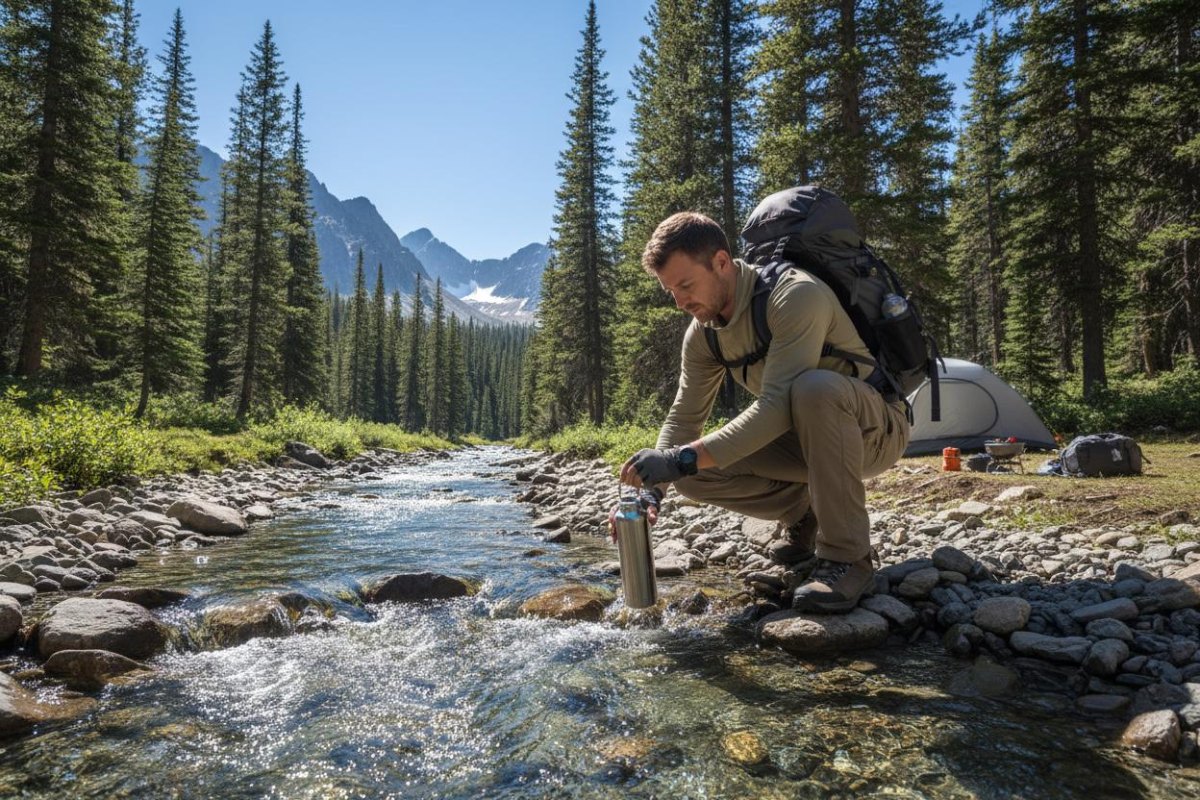
I never assume a stream means safe drinking water. Remote camping often has no services, and untreated water can contain harmful organisms.
Water planning is the quiet detail that keeps small problems small.
Pack the Right Shelter and Sleeping Gear
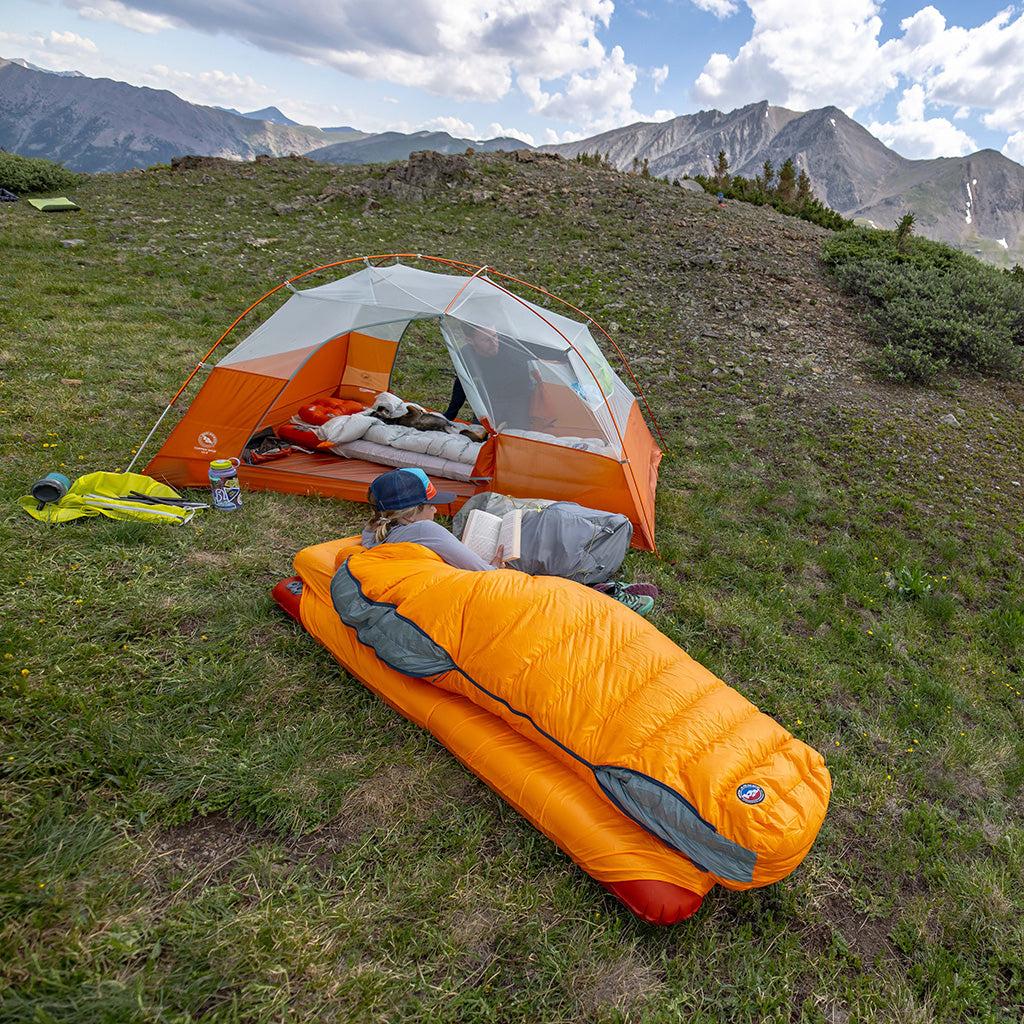
I pack for comfort, not luxury. A dependable shelter, insulation, and a sleeping system suited to the forecast matter more than bringing a pile of extras.
Helpful gear
- Weather-appropriate sleeping bag
- Reliable tent setup
Common mistakes
- Ignoring ground insulation
- Packing without testing gear
A prepared camper enjoys the quiet moments outdoors.
Prepare for Changing Weather Conditions
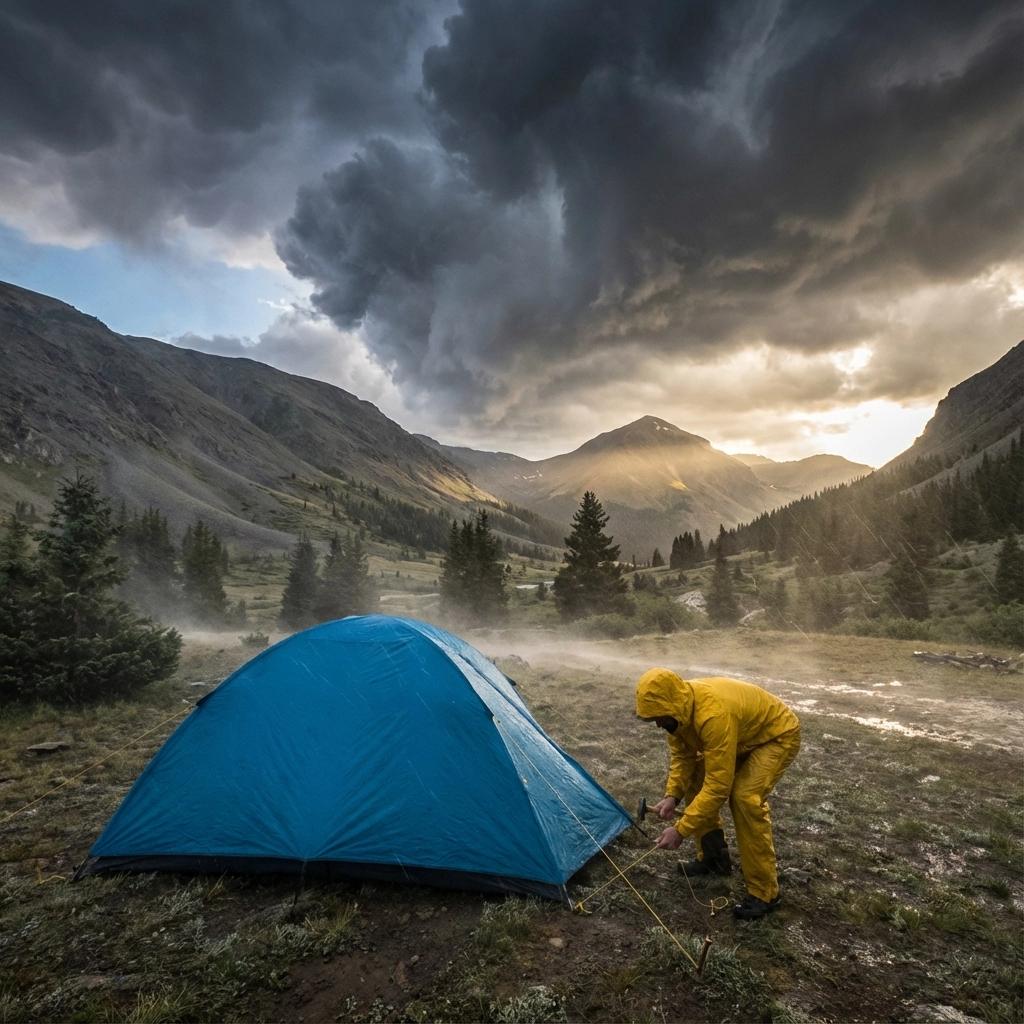
I learned from event planning that weather plans are not pessimism; they are kindness to your future self. Remote camping needs the same approach.
Weather reminder
Check forecasts, watch changing conditions, and know when conditions are beyond your comfort level.
A flexible plan is the best bad weather insurance.
Manage Food and Wildlife Encounters
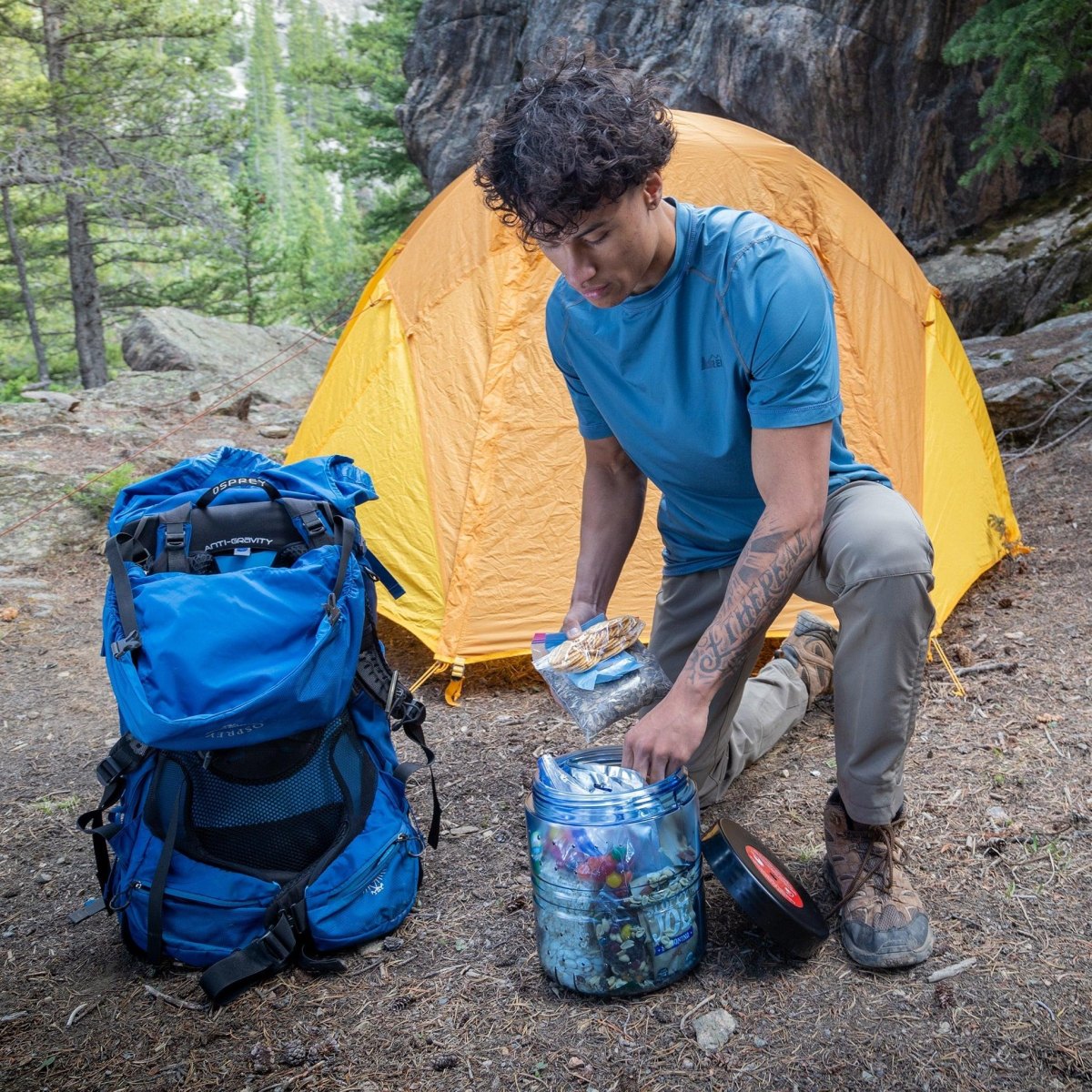
I think of food storage as protecting both campers and animals. Smells attract wildlife, so food, trash, and scented items need secure storage.
Good habits create safer wildlife encounters.
Build a Responsible Campfire
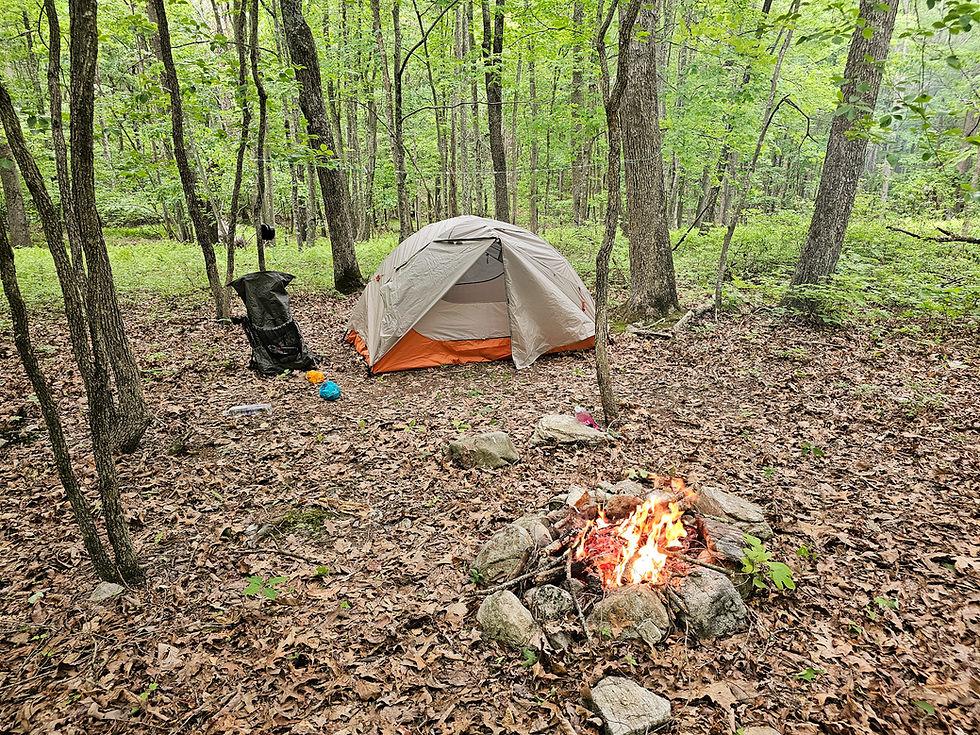
I love a campfire, but I treat it like a candle at a dinner party: beautiful when controlled, dangerous when ignored. Fire rules change with conditions, so I check first.
Fire rule
Never leave a fire unattended, and make sure it is completely out before leaving.
A small fire is a responsible campfire.
Use Navigation Tools and Backup Maps
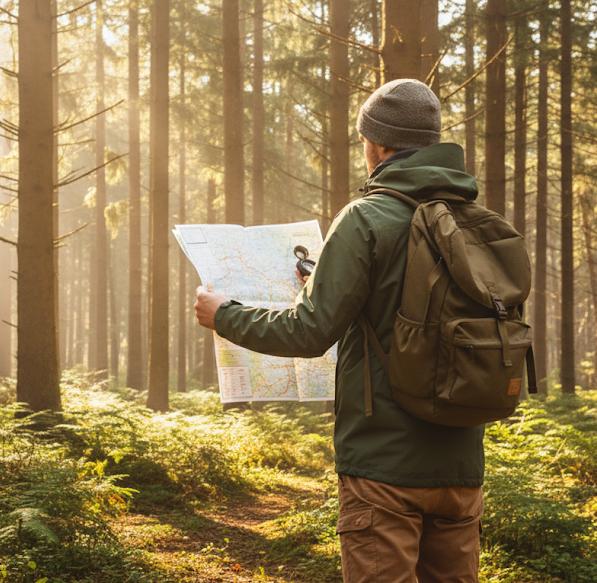
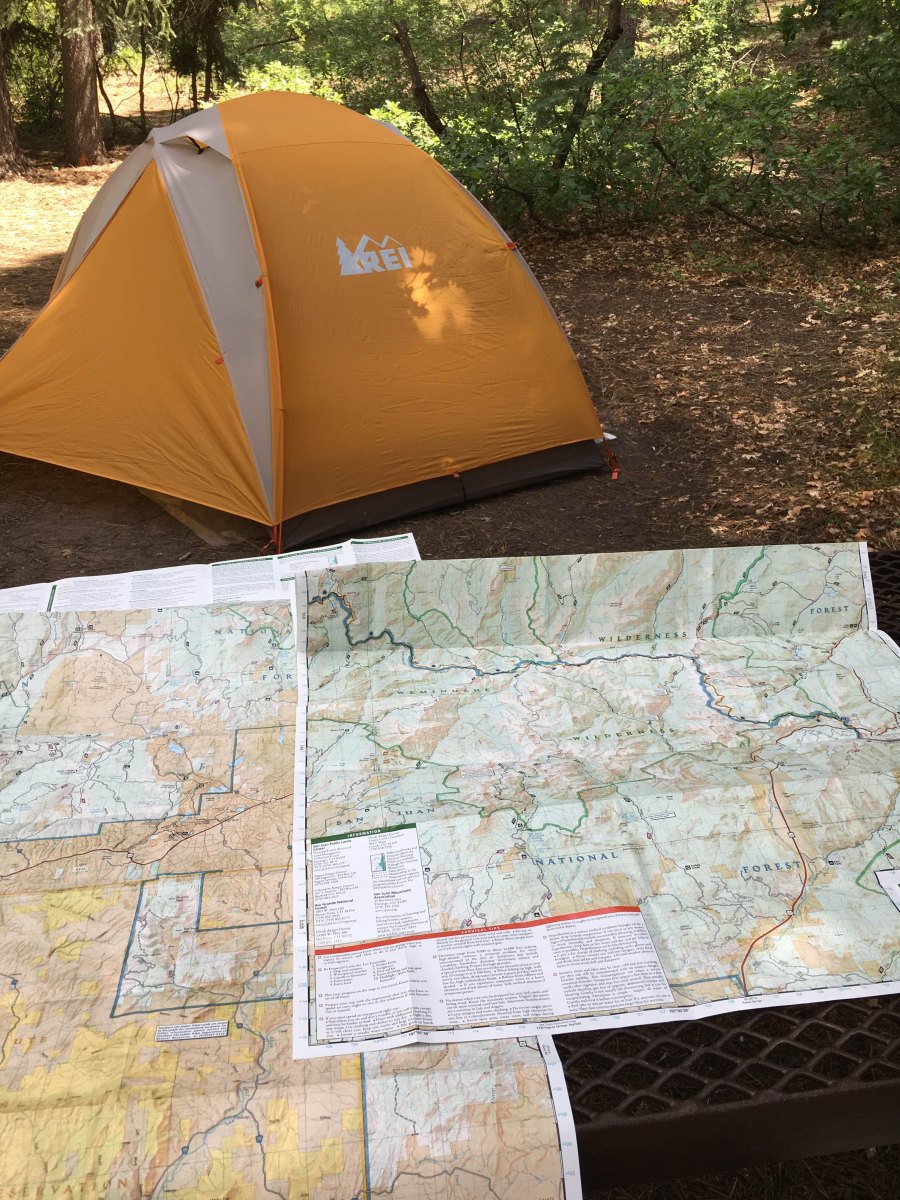
I never rely on one navigation method. Cell service can disappear quickly, so I bring offline maps, a physical map, and a basic sense of direction.
| Tool | Purpose |
|---|---|
| Offline map | Route planning without signal |
| Paper map | Reliable backup |
Navigation confidence makes remote travel calmer.
Bring Essential Emergency Supplies
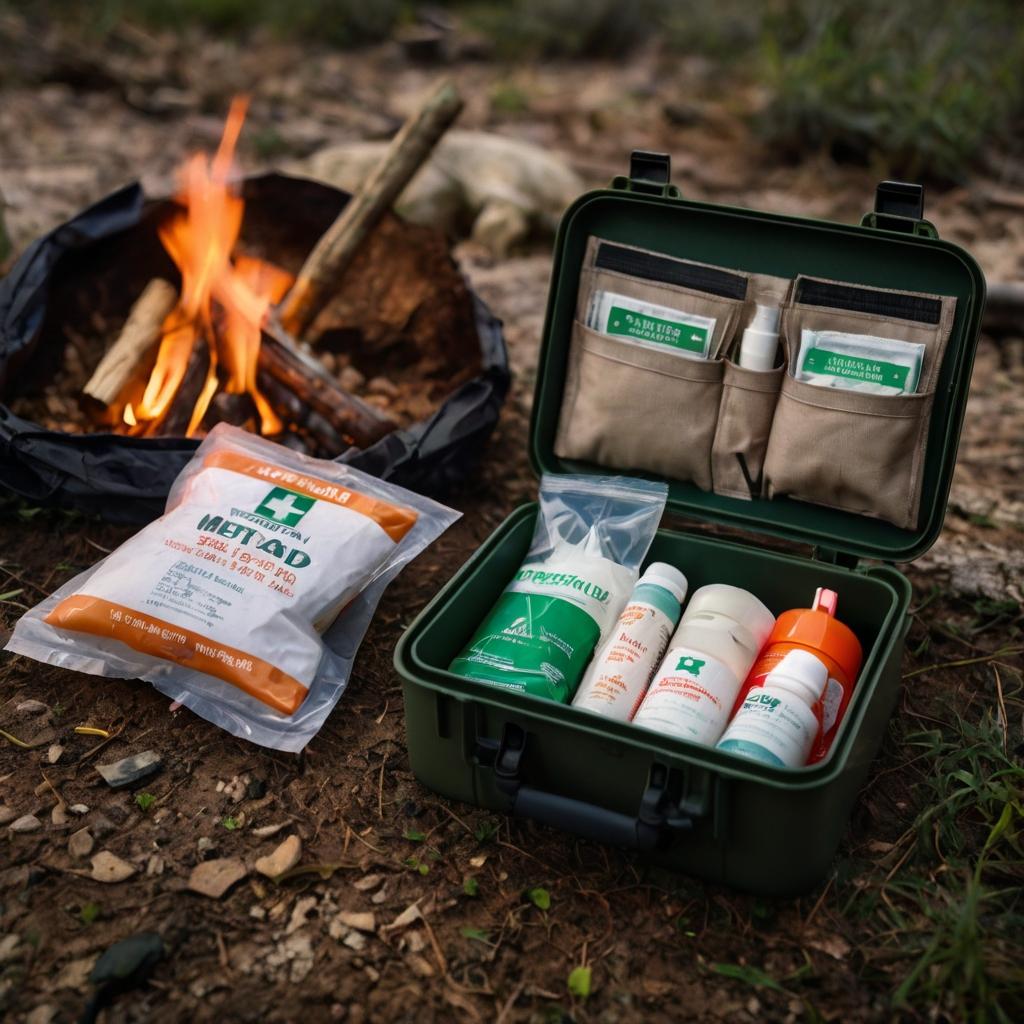
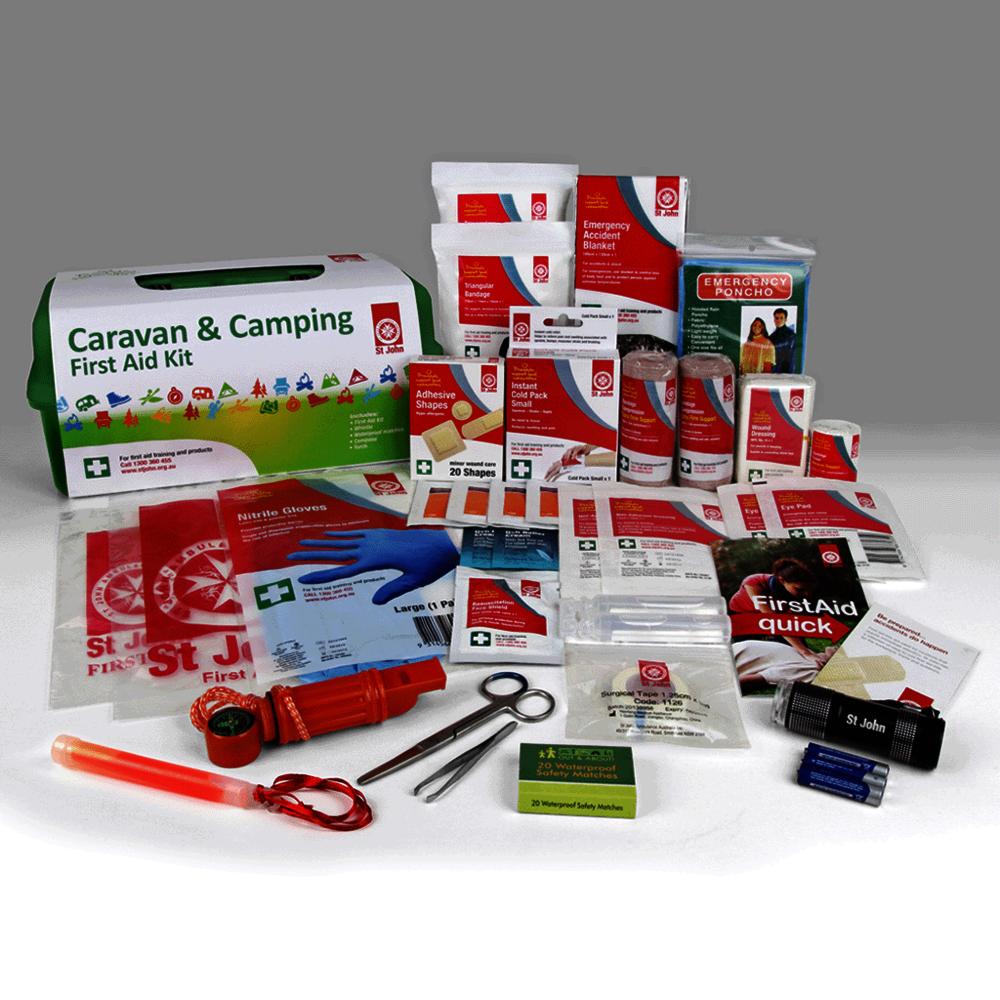
I keep my emergency kit practical: first aid, light, repair items, extra food, and communication options appropriate for the trip.
The goal is not fear; it is having a simple backup plan.
Keep Your Campsite Organized
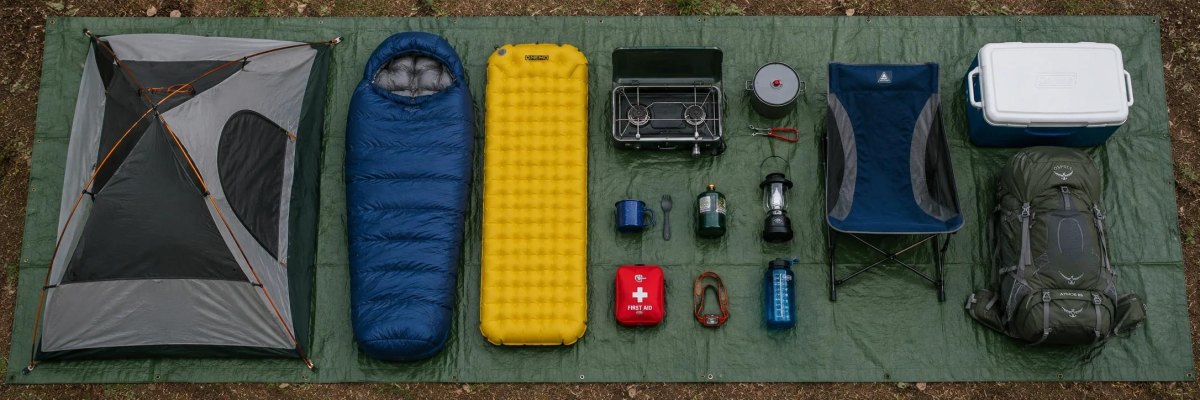
I organize camp the same way I organize a wedding setup: every important item gets a home. It saves time when weather changes or darkness arrives.
My favorite setup habit
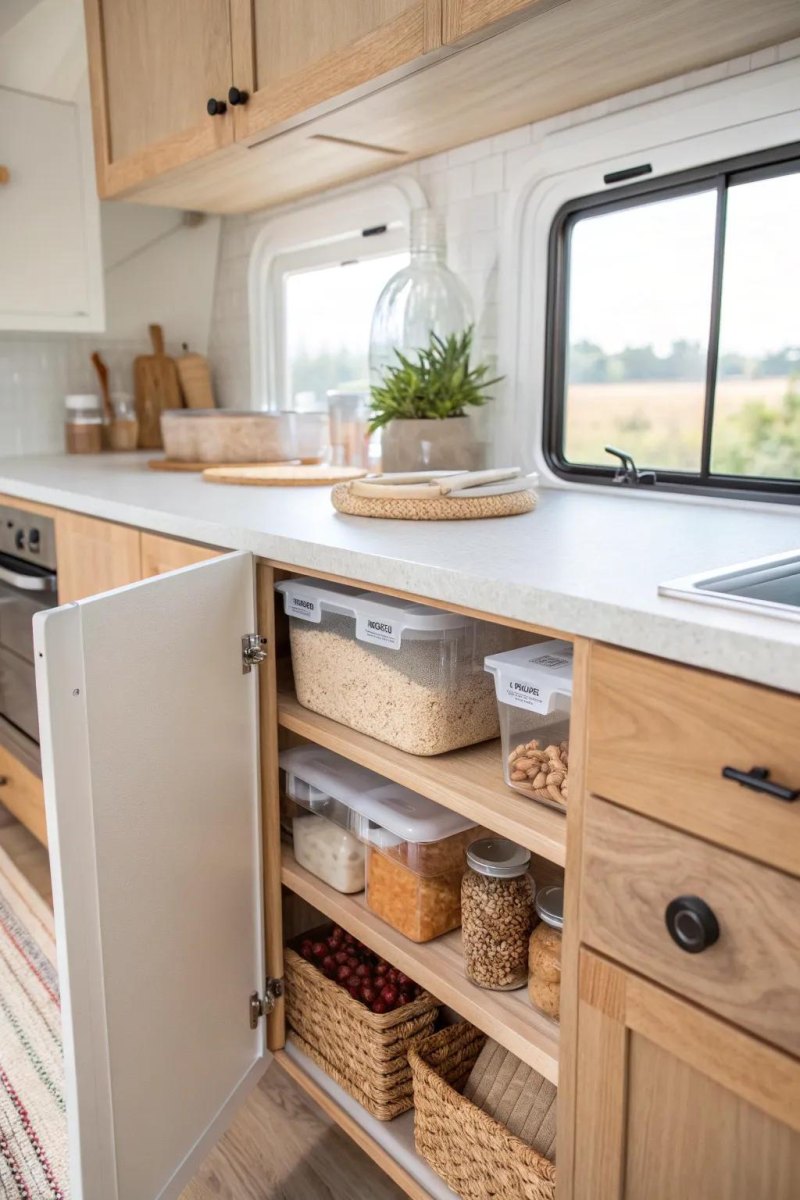
I keep cooking gear, sleeping gear, and emergency items in separate zones so I can find them quickly.
A tidy camp creates less stressful evenings.
Respect Wildlife and Natural Habitats
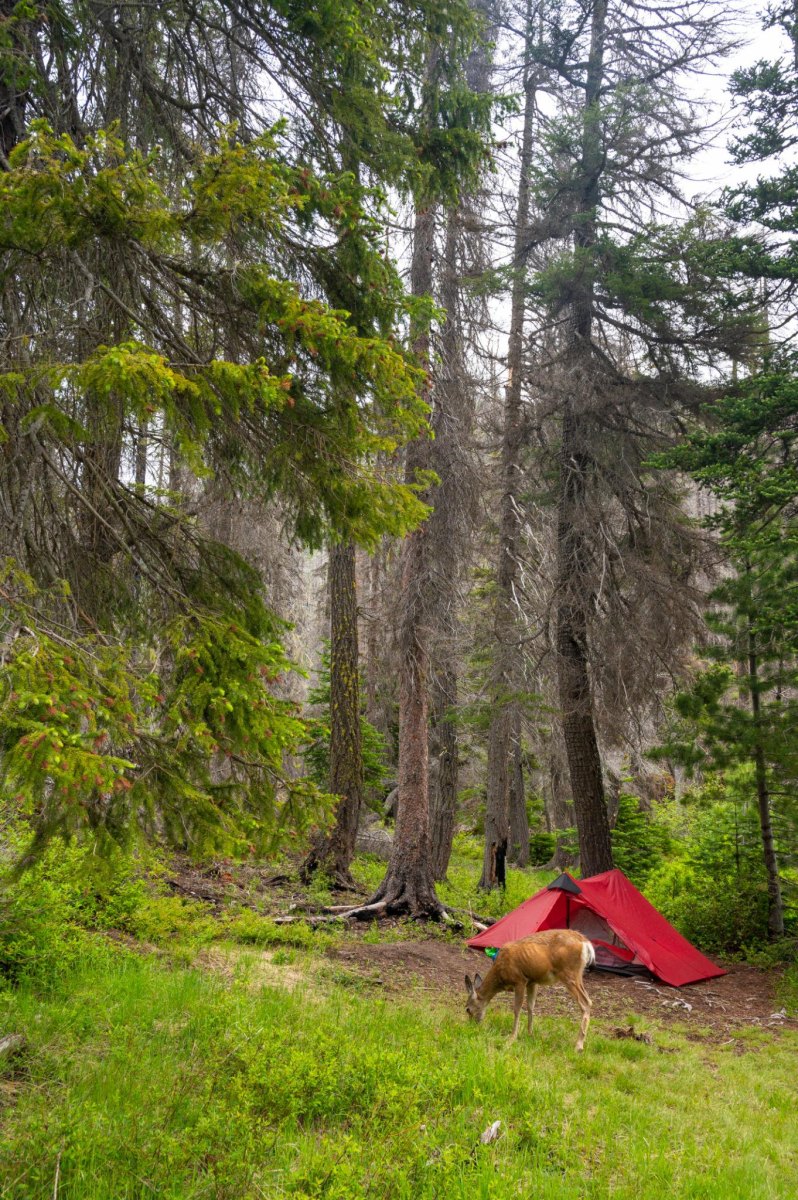
I consider wildlife guests in their own home. The respectful choice is observing from a distance and avoiding actions that change animal behavior.
Protecting habitats means leaving plants, rocks, and natural features where they belong. That is the foundation of responsible outdoor recreation.
Practice Proper Waste Disposal
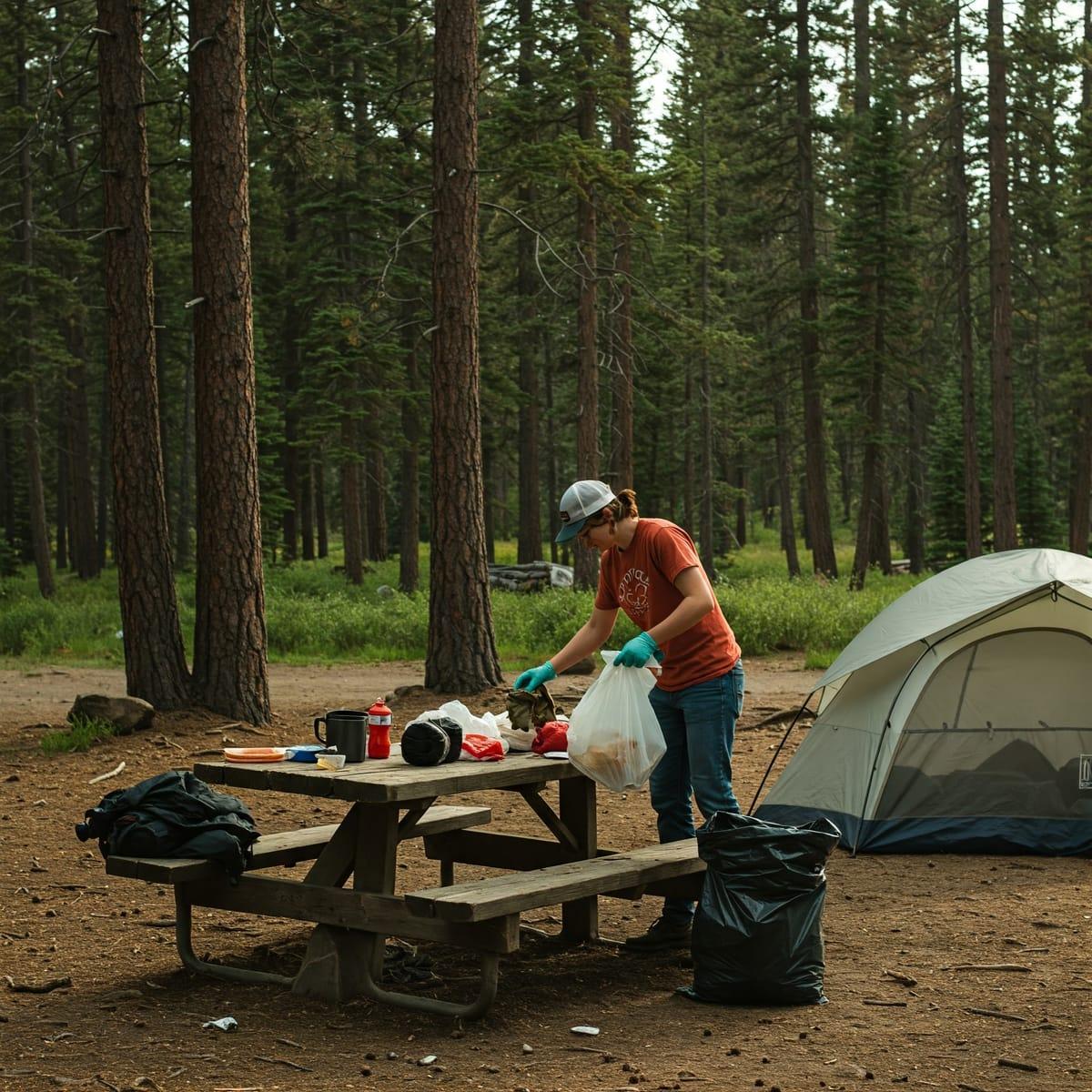
This is the unglamorous section every good camping checklist needs. Dispersed areas often lack trash services, so campers must pack out waste and manage human waste responsibly.
Pack-out rule
If you brought it in, plan to carry it out.
Clean habits protect future camping spaces.
Protect Yourself From Insects and Sun Exposure
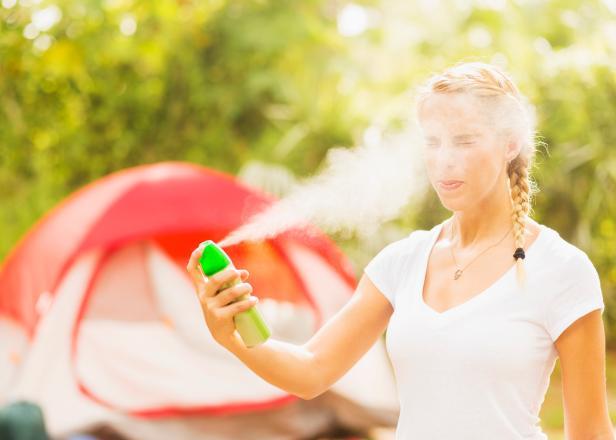
I pack small comfort items because tiny annoyances become big problems after hours outside. Sun protection, insect protection, and hydration are simple wins.
Comfort keeps the adventure enjoyable and sustainable.
Tell Someone Your Camping Plans
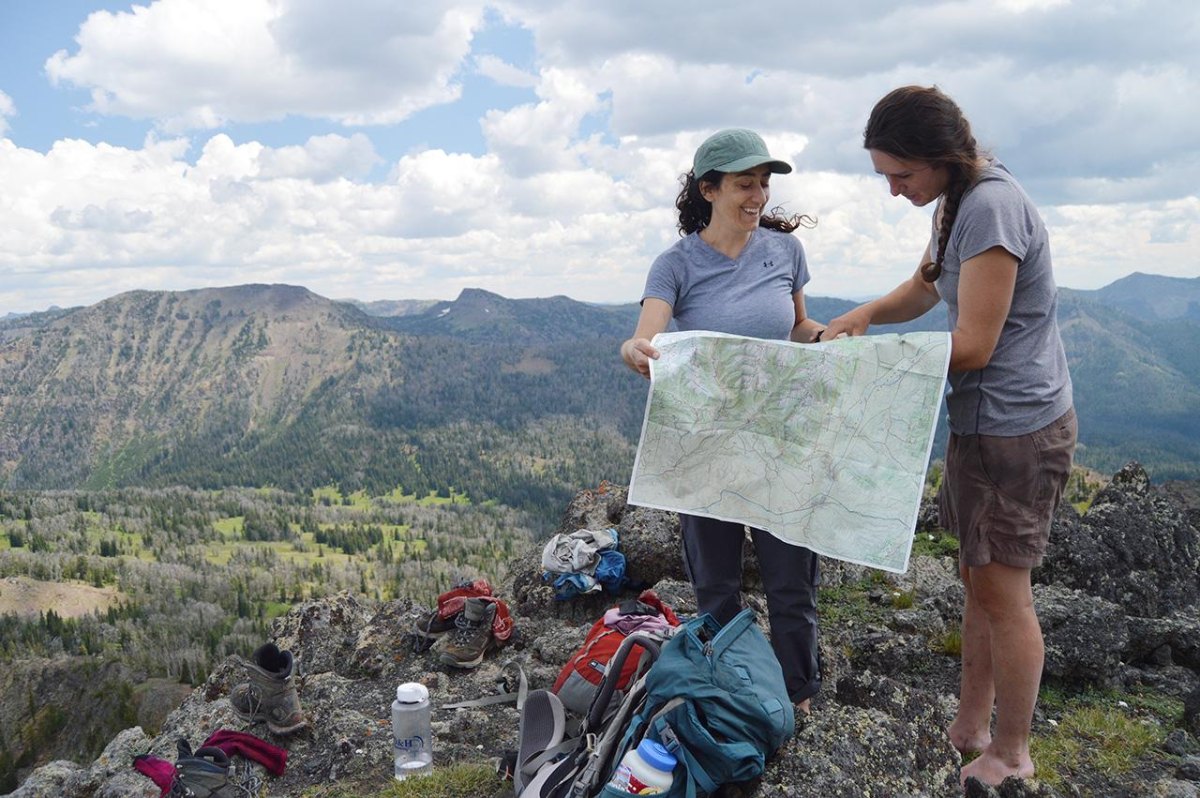
I always share my route, destination, and expected return time with someone who is not coming along. It is the outdoor version of leaving a detailed event timeline.
A simple message creates an important safety connection.
Reduce Noise and Respect Other Campers
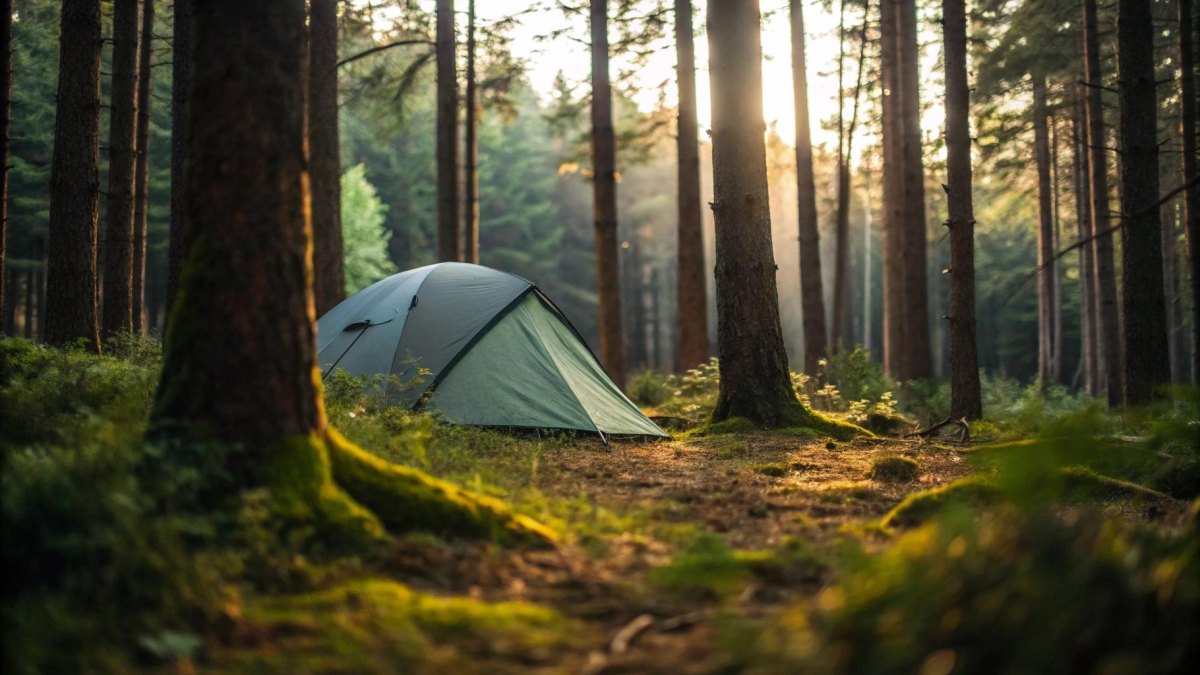
Even in dispersed areas, courtesy matters. Leave space, keep voices reasonable, and remember that many people came outside to hear nature.
Small kindness
The best campsite neighbor is often the one nobody notices.
Respect creates a shared outdoor experience.
Leave the Site Better Than You Found It
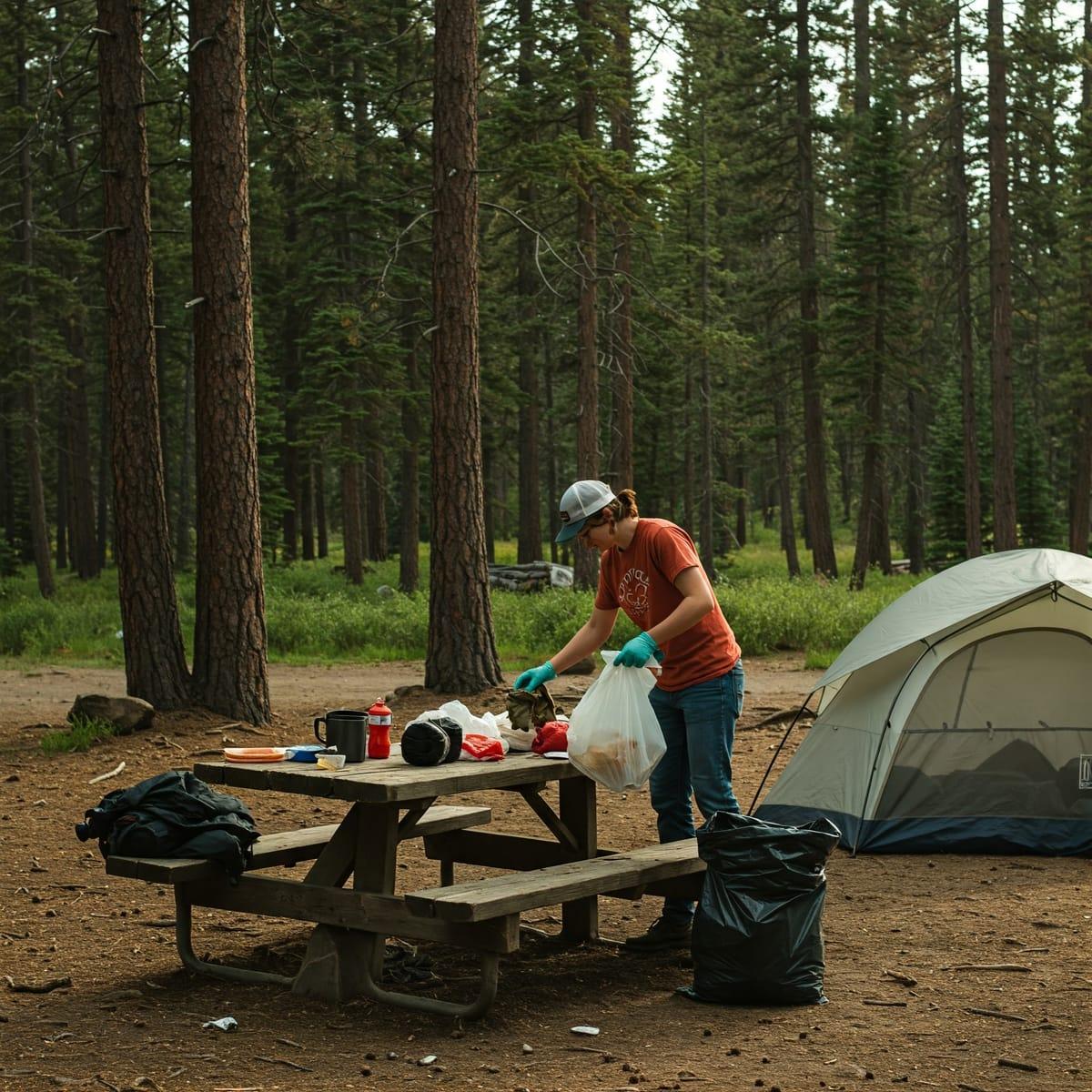
I do one final sweep before leaving: look around the campsite, collect anything left behind, and undo anything unnecessary. Leave No Trace encourages packing out trash and minimizing impacts.
This small habit is a gift to the next visitor and a sign of good camping etiquette.
Prepare for a Safe Departure
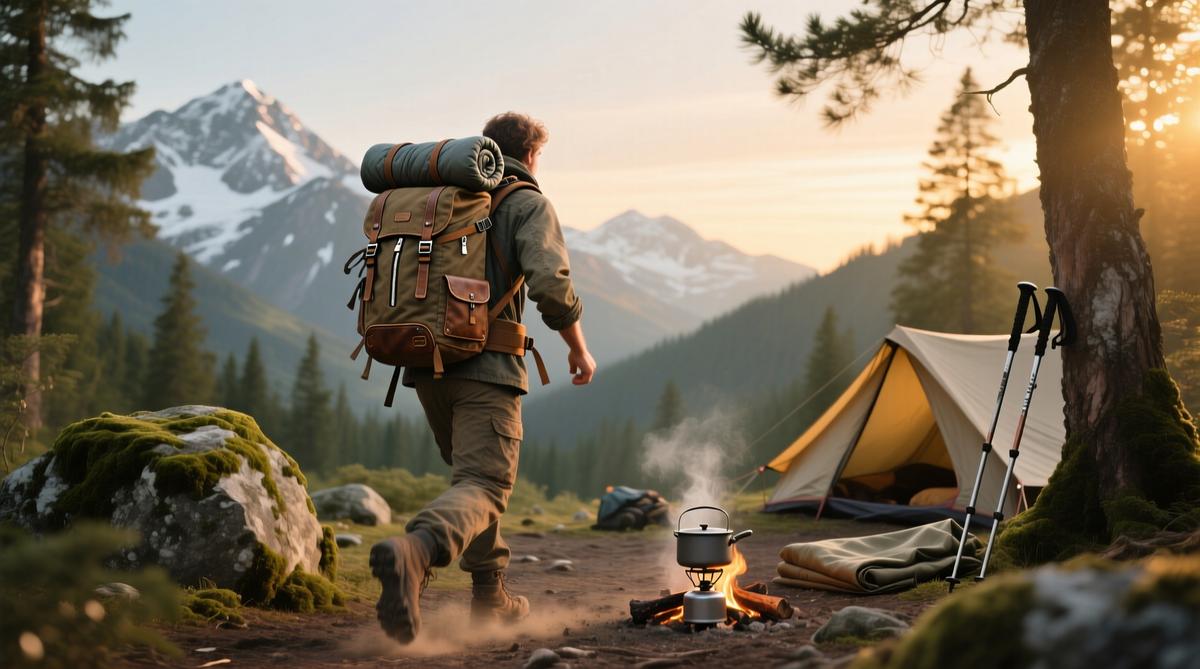
I do not rush the final moments of a trip. Packing carefully prevents forgotten gear, leftover food, and avoidable mistakes.
My departure checklist
- Check the ground for items.
- Extinguish fires completely.
- Confirm the route home.
The best ending is leaving with memories and a ready campsite behind.