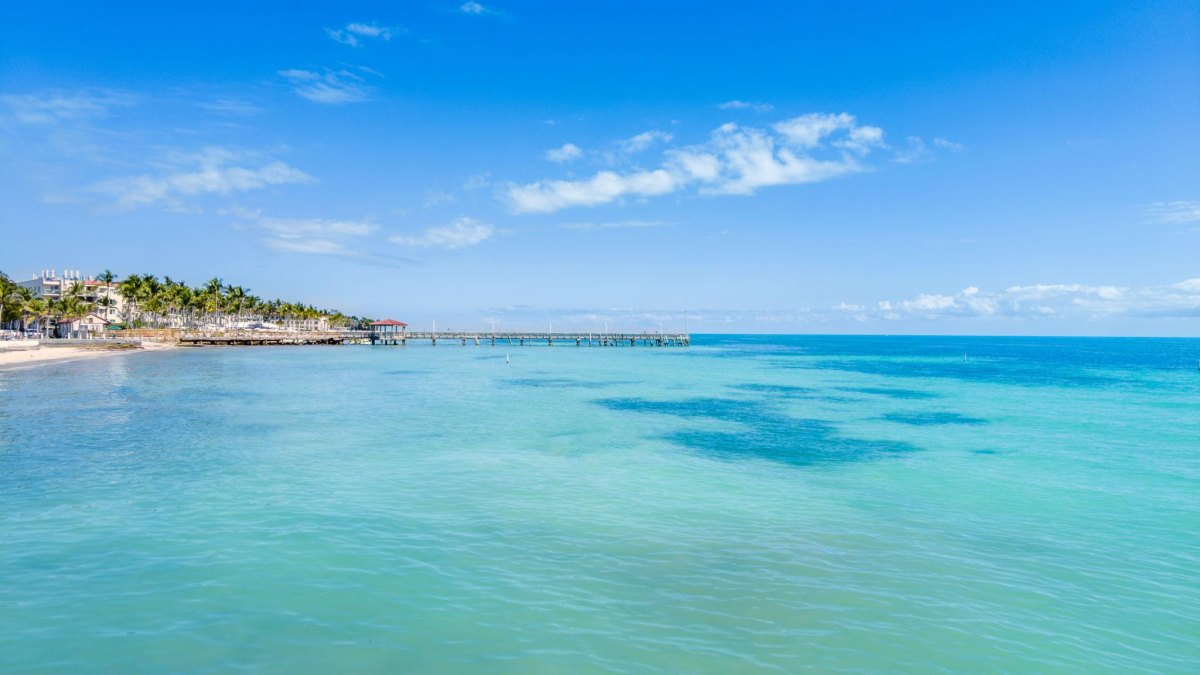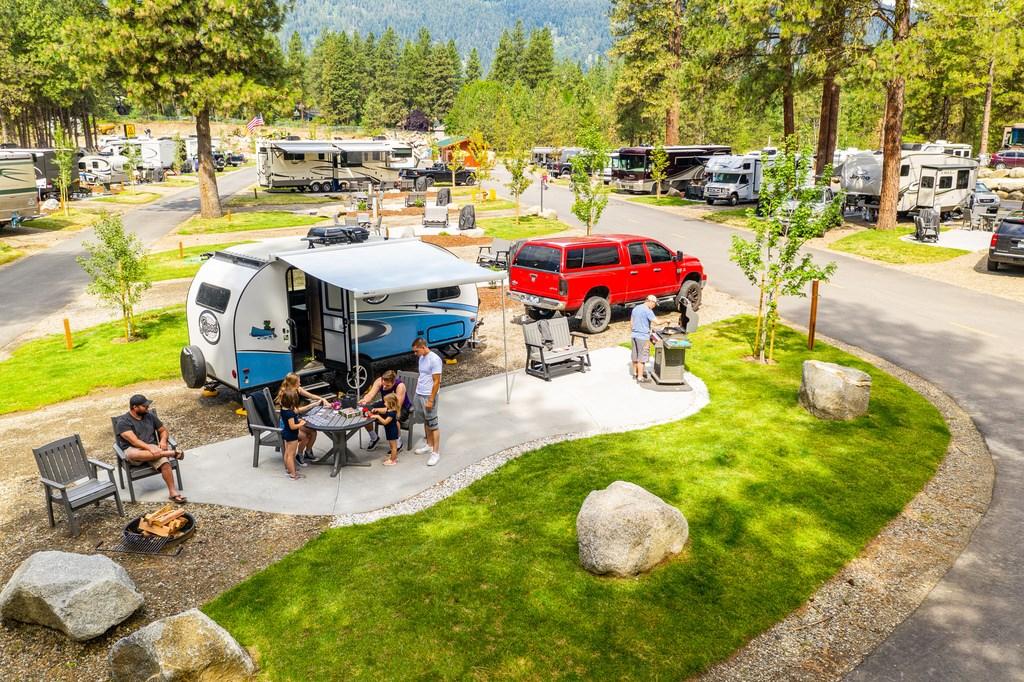
RV life can feel expensive, but thoughtful design choices and daily habits can transform it into a more affordable way to travel. This collection explores eighteen different RV living approaches, each focused on practical savings without sacrificing comfort.
Planning journeys with a map-first RV budget
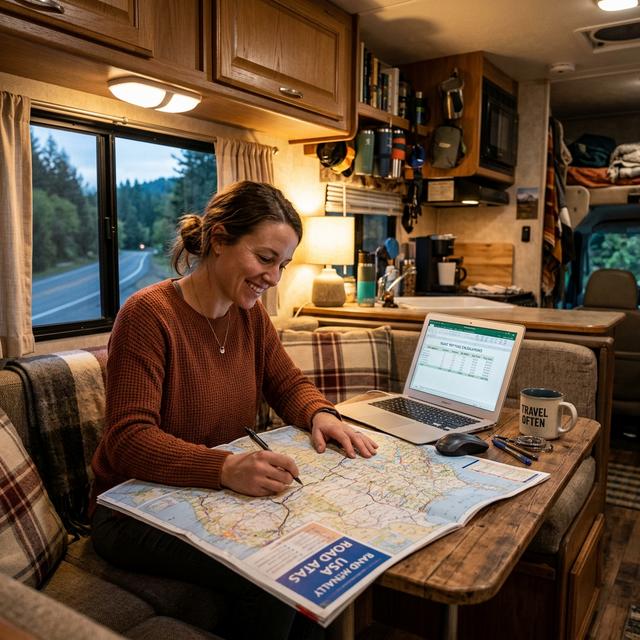
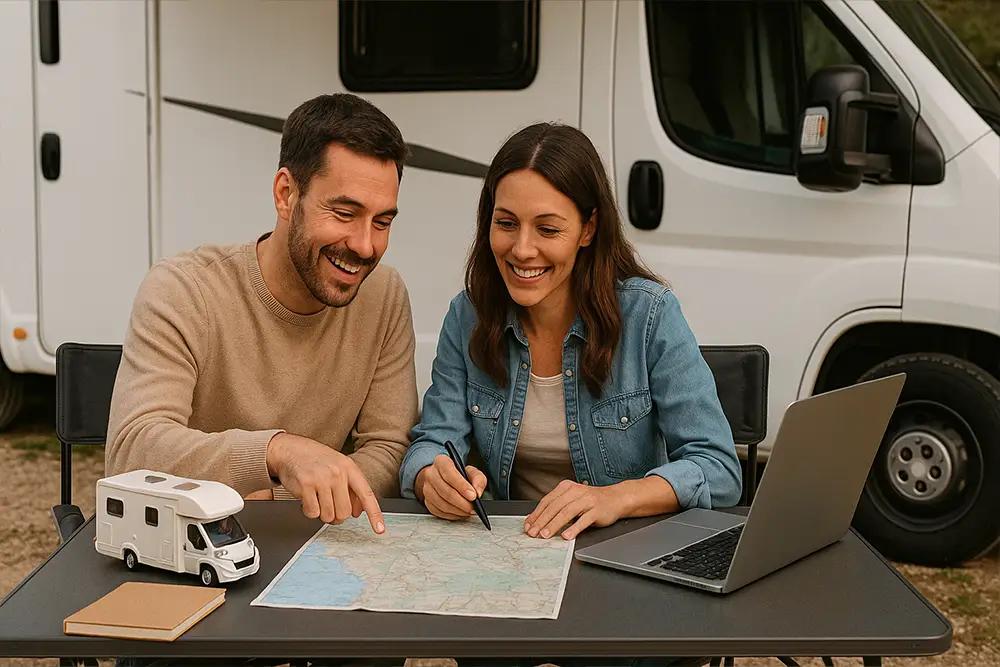
A clear travel plan is the foundation of affordable RV living. This setup shows the value of combining route planning, digital tools, and paper maps before departure. Knowing distances, fuel stops, and camping options helps prevent expensive last-minute decisions.
Budget tip
Create a monthly travel allowance that includes fuel, food, repairs, and campground fees before choosing your route.
Adapt this idea by reviewing your destinations weekly and choosing slower travel days when possible.
Reducing fuel costs with smarter RV driving habits
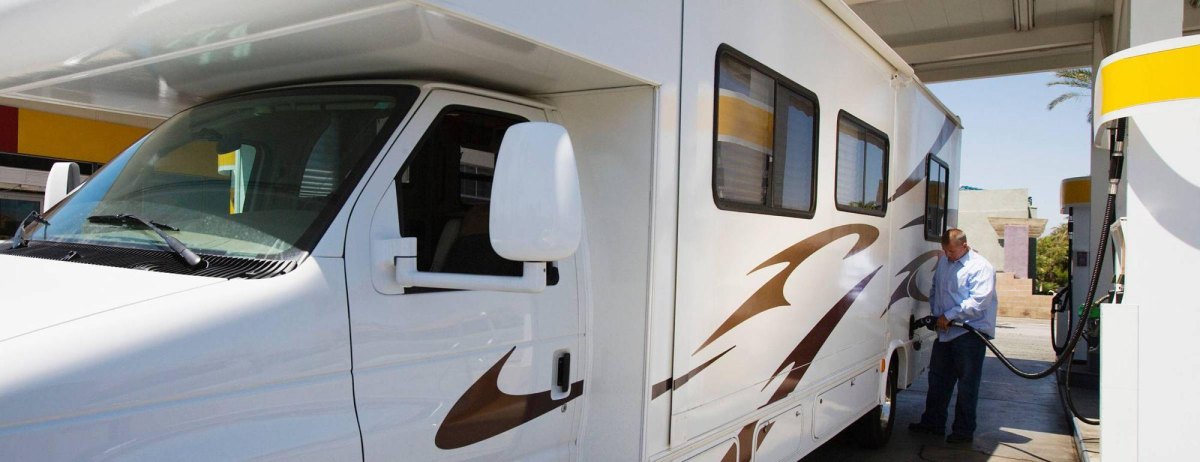
Fuel efficiency begins before the engine starts. A refueling stop represents one of the biggest recurring RV expenses, so combining errands, maintaining steady speeds, and avoiding unnecessary weight can make a meaningful difference.
- Track mileage: Learn your RV’s realistic fuel pattern.
- Plan stops: Avoid costly emergency fuel purchases.
Choosing scenic campsites that stretch your budget
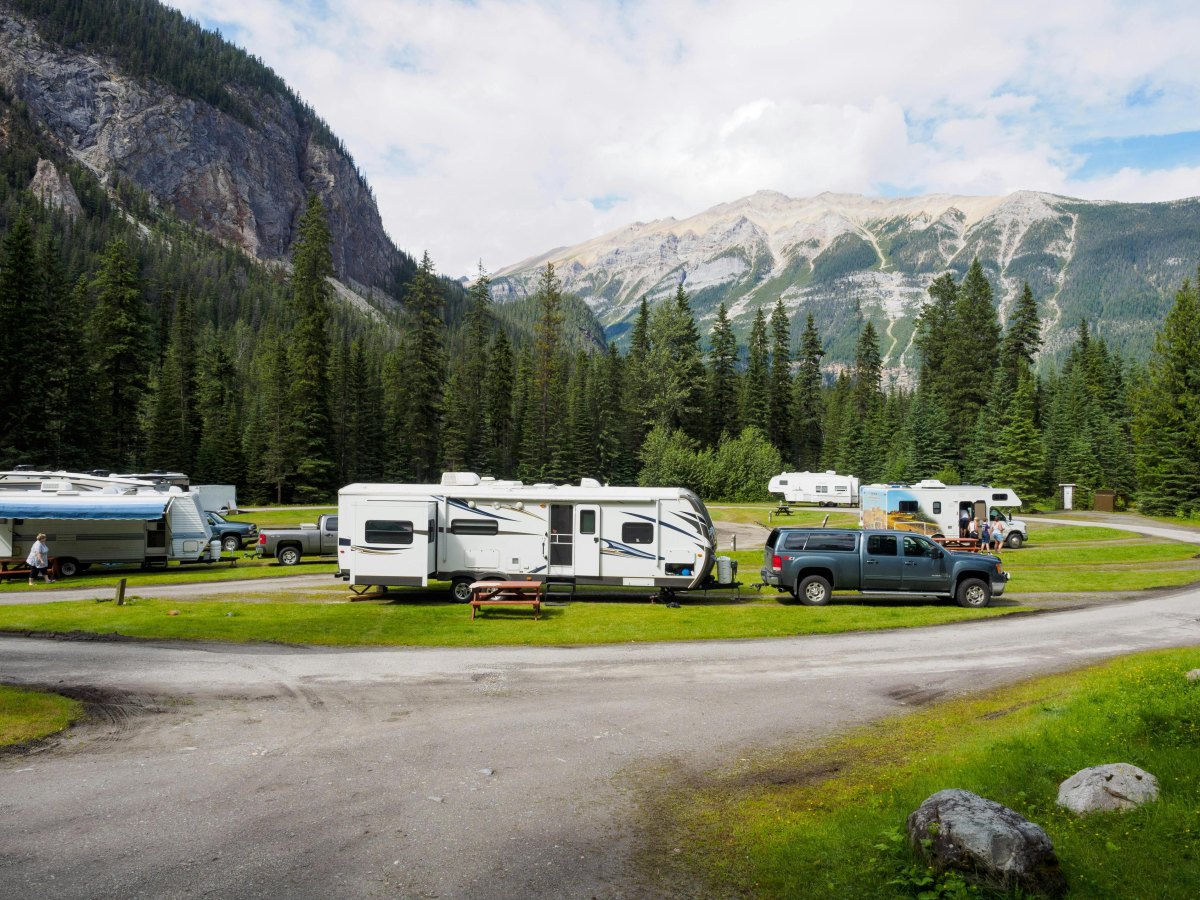
Affordable RV living often comes from location choices. A peaceful campsite surrounded by nature can replace expensive attractions while still delivering memorable experiences.
Smart camping choices
- Compare nightly and weekly rates.
- Mix paid sites with lower-cost options.
Cooking inside the RV instead of eating out

A functional RV kitchen is a financial tool. Preparing simple meals inside the vehicle reduces restaurant spending and gives travelers more control over ingredients.
Small kitchens reward simple menus, careful shopping, and creative leftovers.
RV lifestyle principle
Using solar power to lower campsite expenses
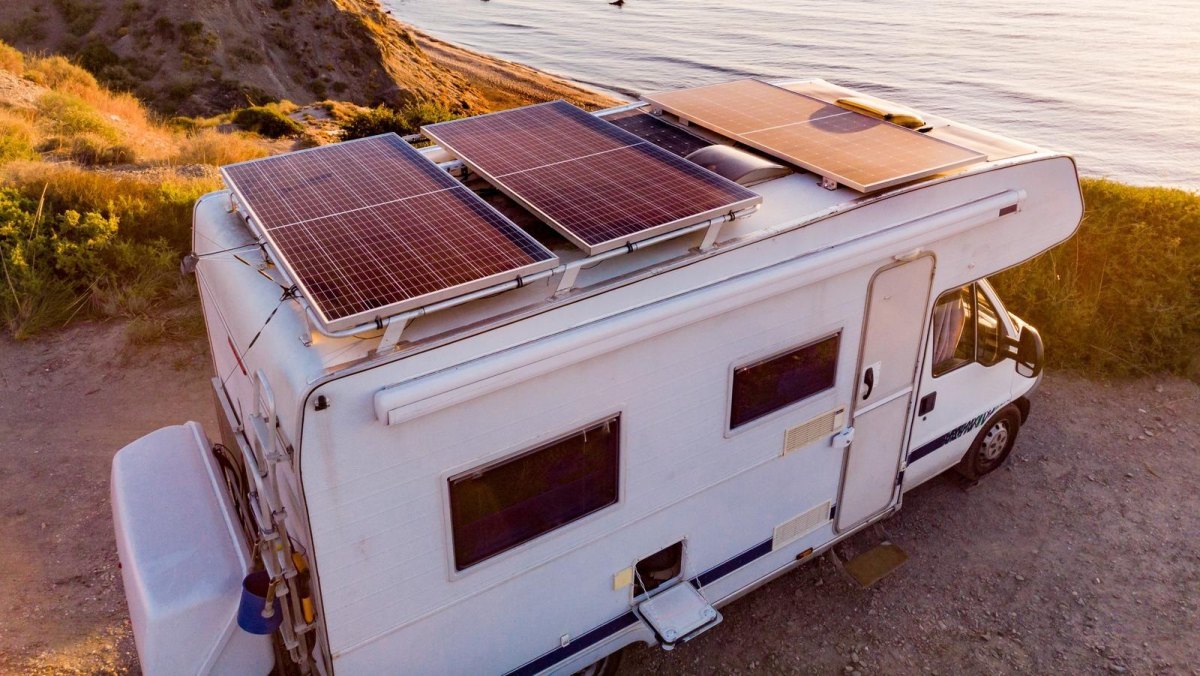
Energy independence can support long-term savings. Solar panels allow many RV owners to reduce reliance on paid electrical hookups, especially during longer stays away from traditional campgrounds.
Start with energy monitoring, then add solar capacity based on your actual usage.
Handling maintenance before small repairs grow
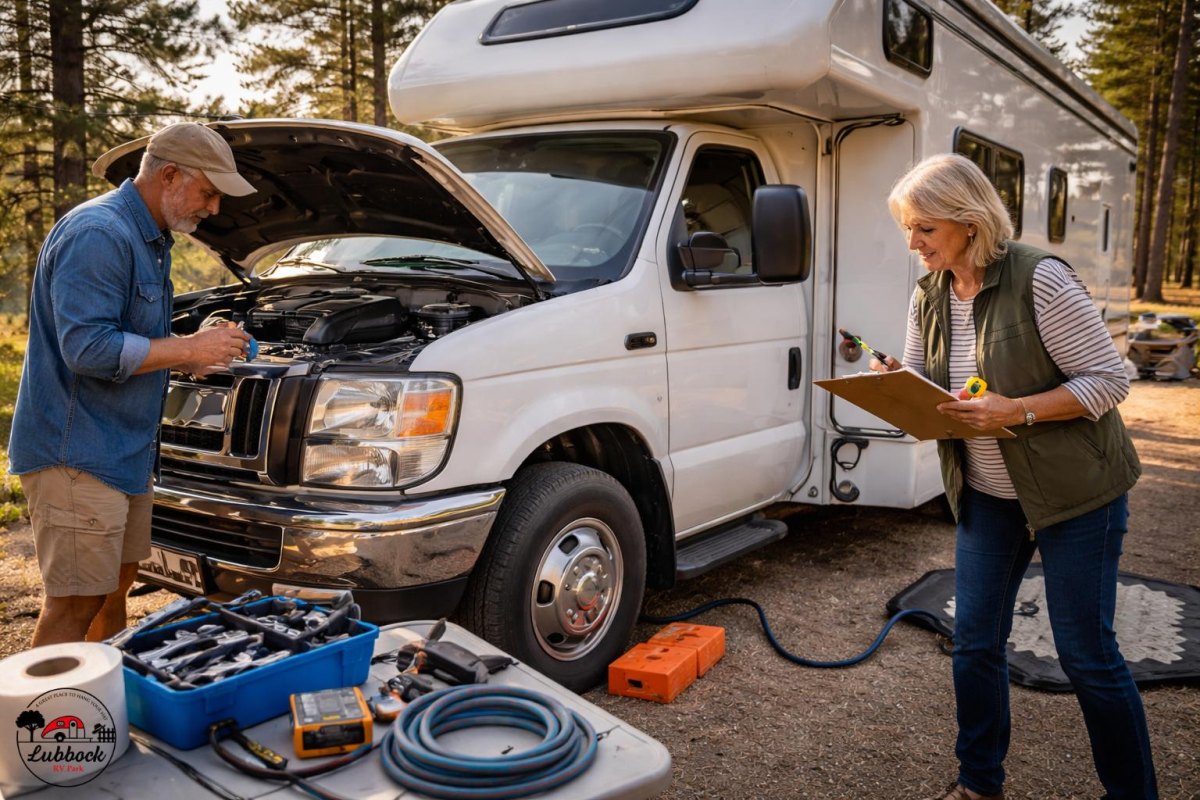
Preventive care protects an RV budget. Regular inspections of tires, fluids, seals, and appliances help avoid costly breakdowns during travel.
- Inspect before every major trip.
- Keep basic maintenance records.
Building a safety-focused RV checklist
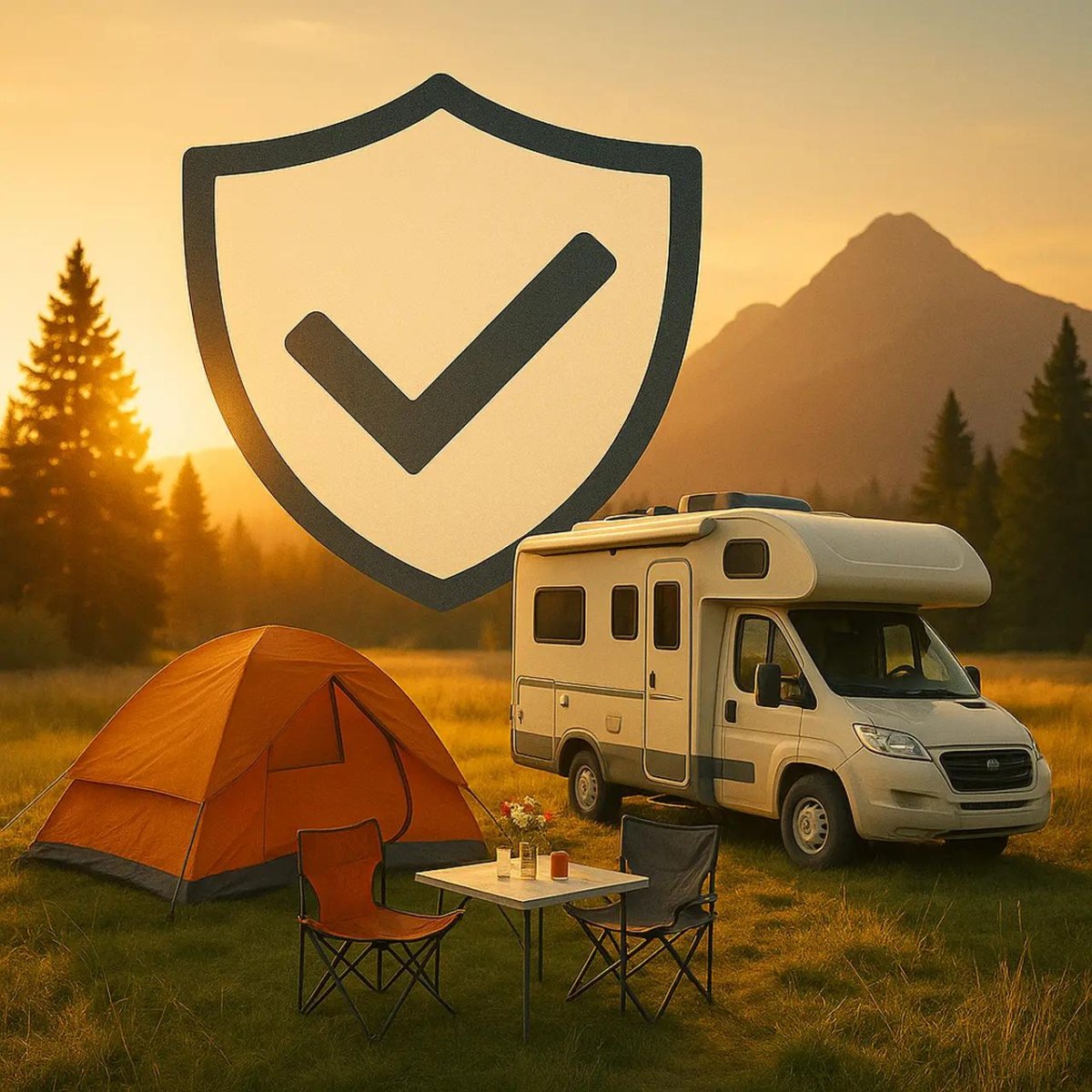
A safety routine saves money through prevention. A simple checklist before leaving camp can catch loose connections, low fluids, and overlooked problems.
Make inspections part of your travel rhythm rather than an emergency response.
Finding affordable remote camping opportunities
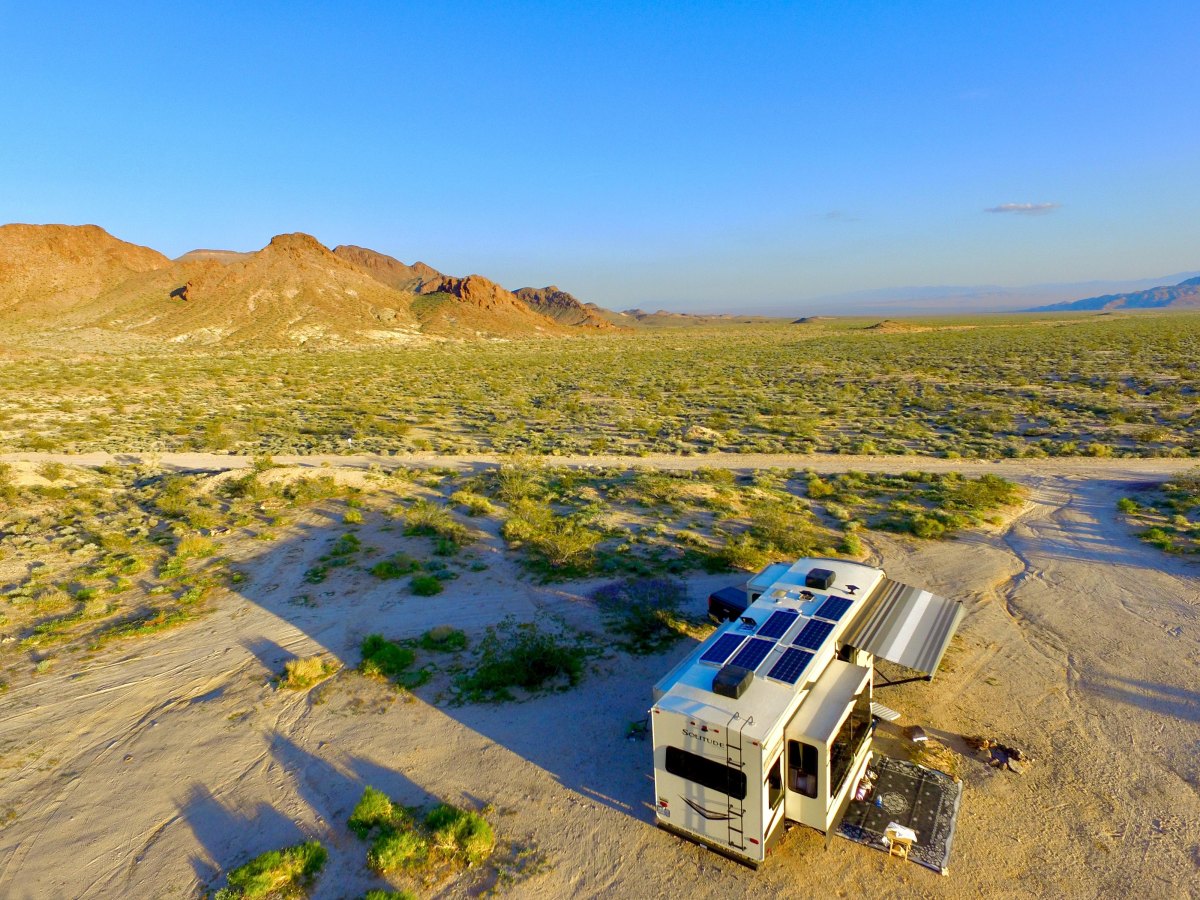
Low-cost camping requires thoughtful preparation. Remote stays can reduce nightly expenses when travelers understand their water, power, and connectivity needs.
- Plan: Know your limits before arriving.
- Prepare: Carry supplies that reduce extra purchases.
Organizing RV interiors to avoid unnecessary spending

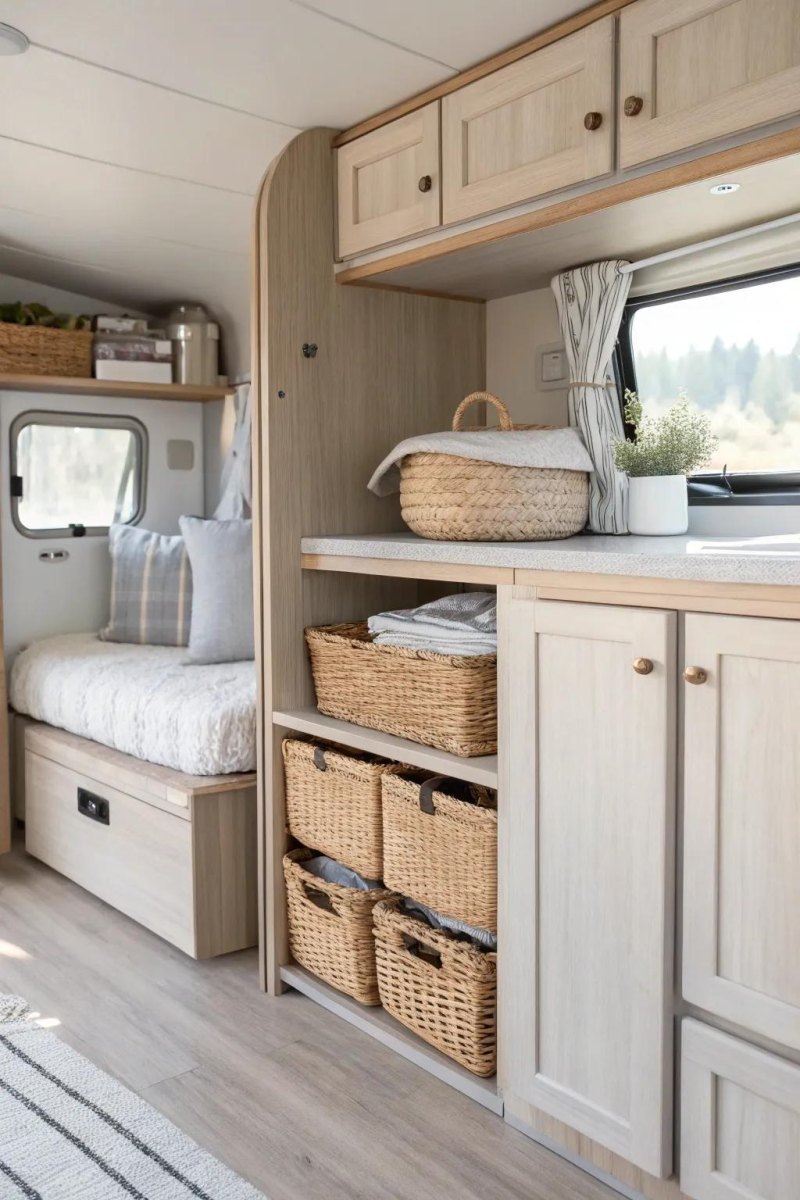
Better storage prevents repeat purchases. A tidy RV interior makes it easier to see what you already own and keeps limited space practical.
Use baskets, labeled containers, and multi-purpose items to create a calmer, cheaper mobile home.
Cooking efficiently with compact RV appliances

Efficient cooking habits reduce utility and grocery waste. Compact kitchens work best when meals are planned around versatile ingredients and minimal equipment.
Choose tools that perform several tasks instead of filling cabinets with single-use gadgets.
Tracking daily spending while living on the road
Expense awareness keeps RV dreams realistic. Recording small purchases such as fuel, supplies, and campsite fees reveals where adjustments can be made.
Daily
tracking creates clearer spending patterns
Creating a minimalist RV storage system

Less clutter can mean lower costs. A minimalist approach encourages owners to buy intentionally and keep only items that support their travel style.
Review belongings seasonally and remove duplicates.
Working remotely from an RV without overspending
A mobile workspace needs careful budgeting. Comfortable remote work depends on reliable equipment, organized routines, and realistic connectivity planning.
Invest in essentials first and avoid turning the RV into an expensive office.
Understanding RV water systems to prevent waste
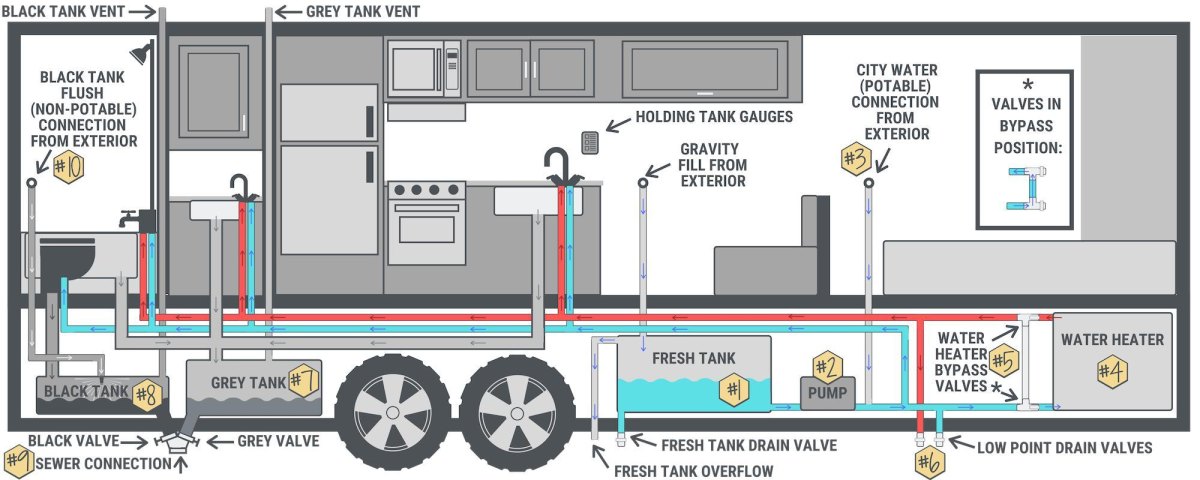
Water management is central to economical travel. Learning fresh, grey, and black water systems helps RV owners extend stays and avoid unnecessary service costs.
Conscious water use protects both resources and budgets.
Planning trips as a couple while sharing costs
Shared planning makes RV budgets stronger. Couples can divide responsibilities, review expenses together, and create travel priorities that work for both people.
Regular budget conversations prevent small disagreements from becoming expensive mistakes.
Buying used camping gear for affordable adventures

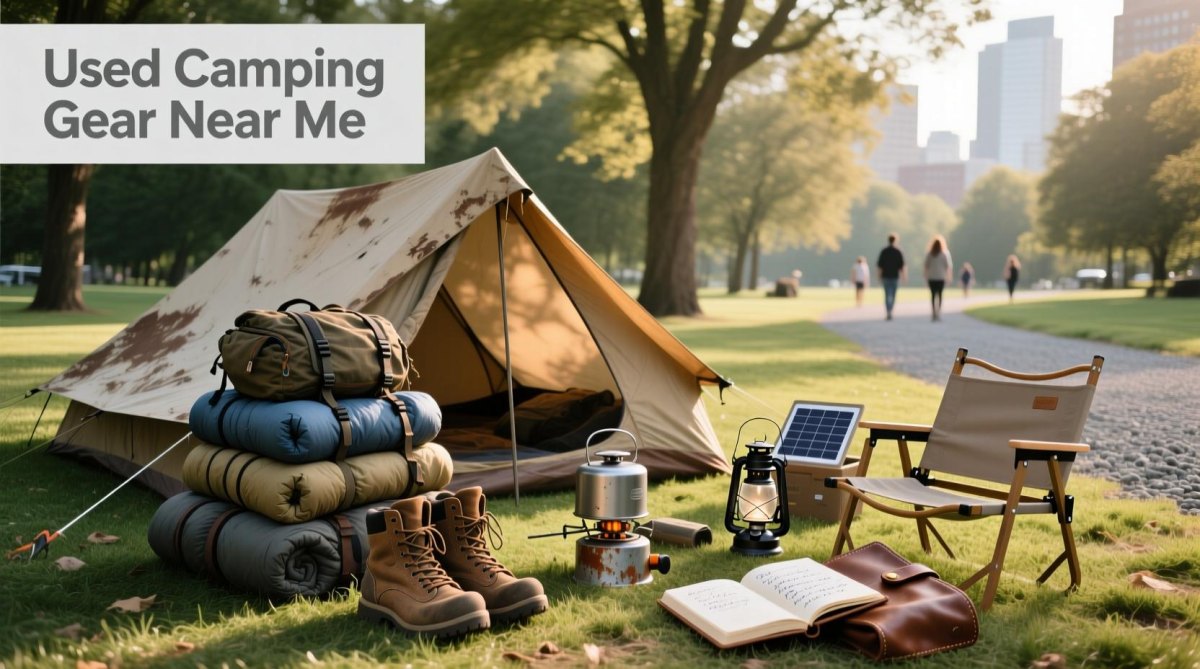
Secondhand gear can unlock savings. Many RV travelers build their setup gradually by finding quality used equipment rather than buying everything new.
Benefits
- Lower starting costs
- Less waste
Watch for
- Condition issues
- Missing parts
Managing paperwork and finances from the RV

Good records make mobile living easier. Keeping receipts, maintenance notes, and travel expenses organized helps owners understand their true costs.
A simple digital folder can replace piles of paperwork.
Sharing RV experiences while staying budget conscious
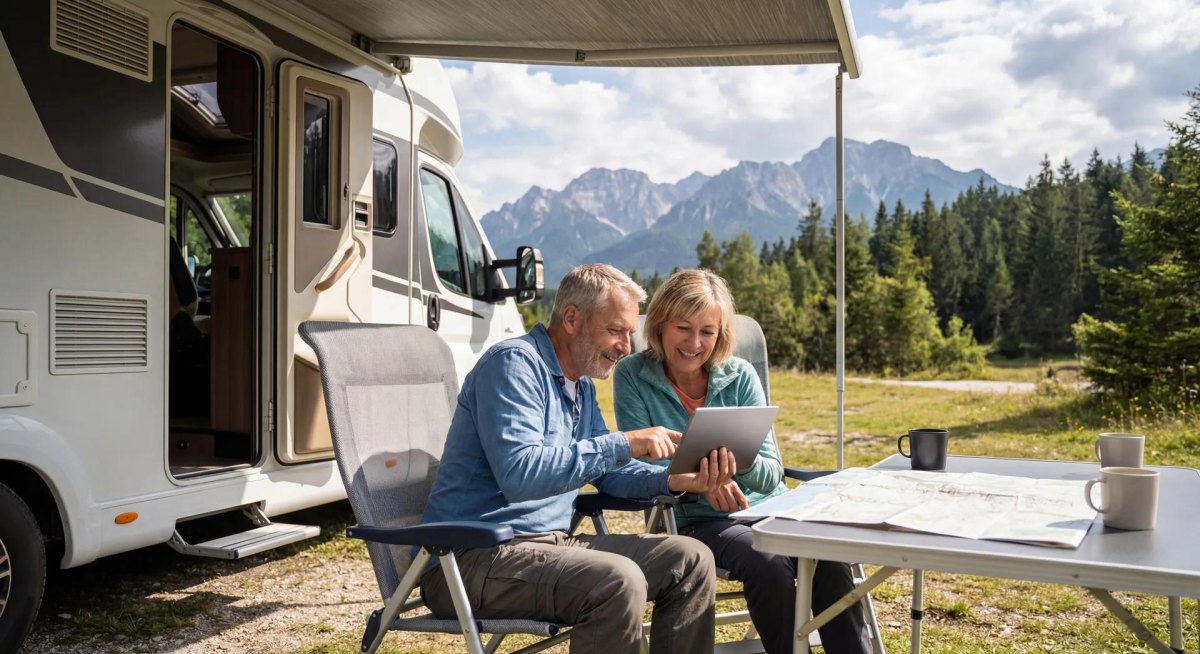
Affordable RV living is built through thoughtful choices. This final approach highlights the value of reviewing plans together, comparing costs, and adapting habits over time.
The most sustainable RV lifestyle is the one that fits your actual resources and priorities.
A budget-friendly RV lifestyle is less about giving things up and more about designing habits that support the way you want to travel. The right systems turn a vehicle into a comfortable, sustainable home on wheels.
Your Questions, Answered
How can I lower RV living costs quickly?
Start by tracking expenses, reducing unnecessary driving, cooking more meals inside the RV, and reviewing campground choices.
What RV expenses should I plan for?
Common categories include fuel, insurance, maintenance, food, campsite fees, repairs, and equipment replacement.
Can RV living work on a small budget?
Yes, many travelers reduce costs through slower travel, careful planning, and choosing a setup that matches their financial limits.