Choosing hiking boots is a little like choosing shoes for a very long wedding day: pretty is nice, but comfort is what gets you through the miles. I look for reliable trail performance, smart fit, and boots that let me enjoy the view instead of thinking about my feet.
I reviewed the categories hikers ask about most, from rainy day protection to long-distance comfort. Current gear testing guides continue to highlight models from brands such as Salomon, Merrell, KEEN, HOKA, and others across different hiking needs.
Best Overall Hiking Boots for Women
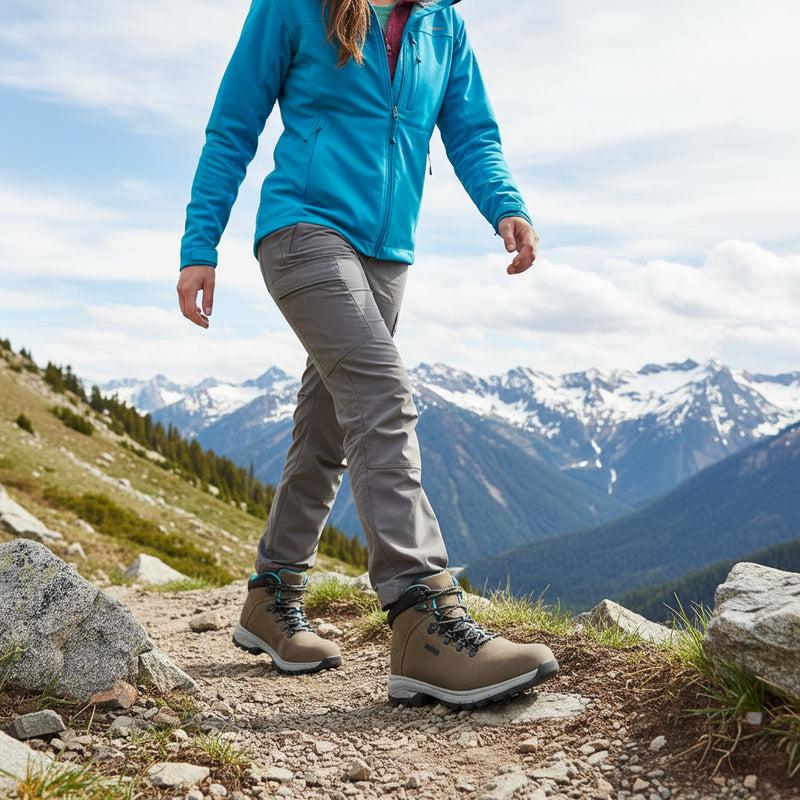
When I recommend an everyday hiking boot, I want something that handles muddy paths, rocky sections, and casual weekend trails without making me feel like I strapped weights to my ankles. The best overall choices balance traction, support, comfort, and durability.
My overall hiking boot checklist
- Comfortable fit for full-day hikes
- Secure grip on mixed terrain
- Enough support without unnecessary stiffness
Recent testing roundups have placed models like the Salomon X Ultra 5 Mid GTX and Merrell Moab lines among notable women's hiking boot options, depending on whether you prioritize stability, value, or comfort.
Best Waterproof Hiking Boots for Women
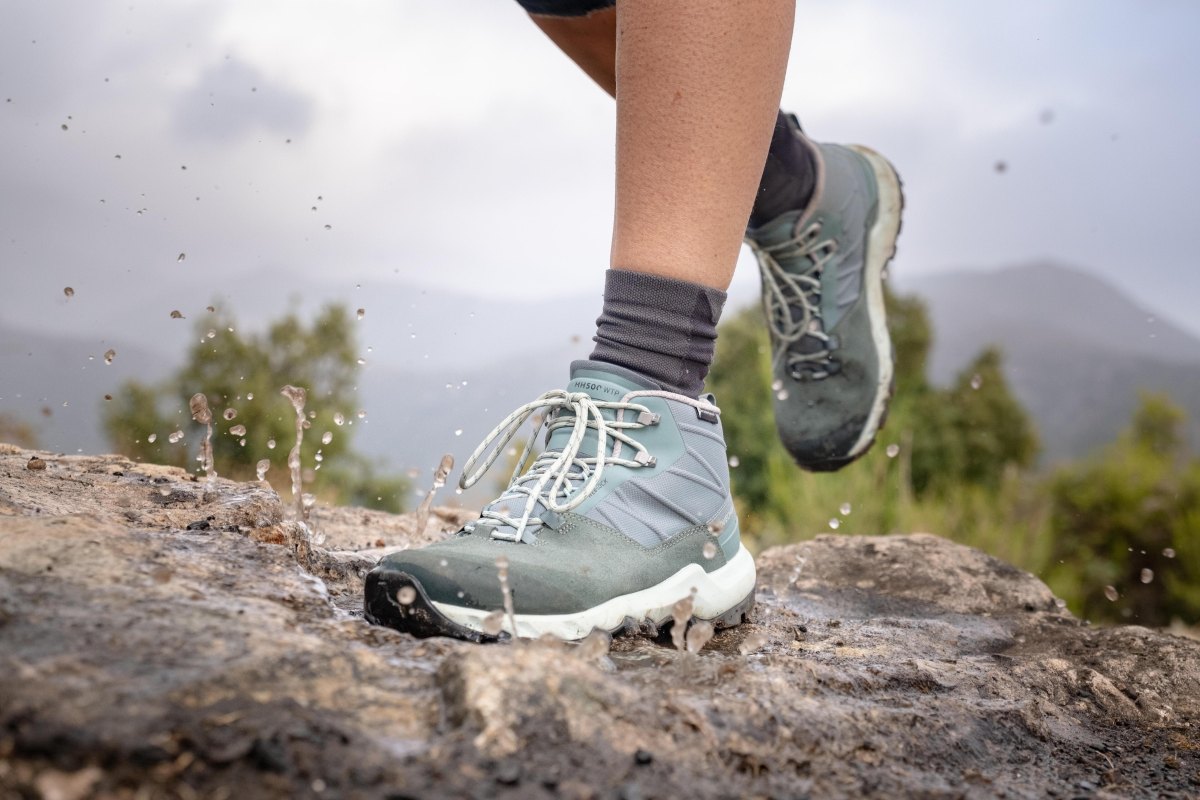
Wet socks can turn a beautiful hike into a survival exercise, and I have zero interest in that kind of adventure. For rainy trails, I look for waterproof hiking boots with breathable membranes and enough support for changing weather.
Trail tip
Always test waterproof boots with the socks you actually hike in. A perfect fit at home can change once thicker hiking socks enter the picture.
Waterproof women's hiking boots from brands including Merrell, Salomon, KEEN, and Columbia are frequently featured in current gear comparisons for wet-weather hiking.
Best Lightweight Hiking Boots for Women
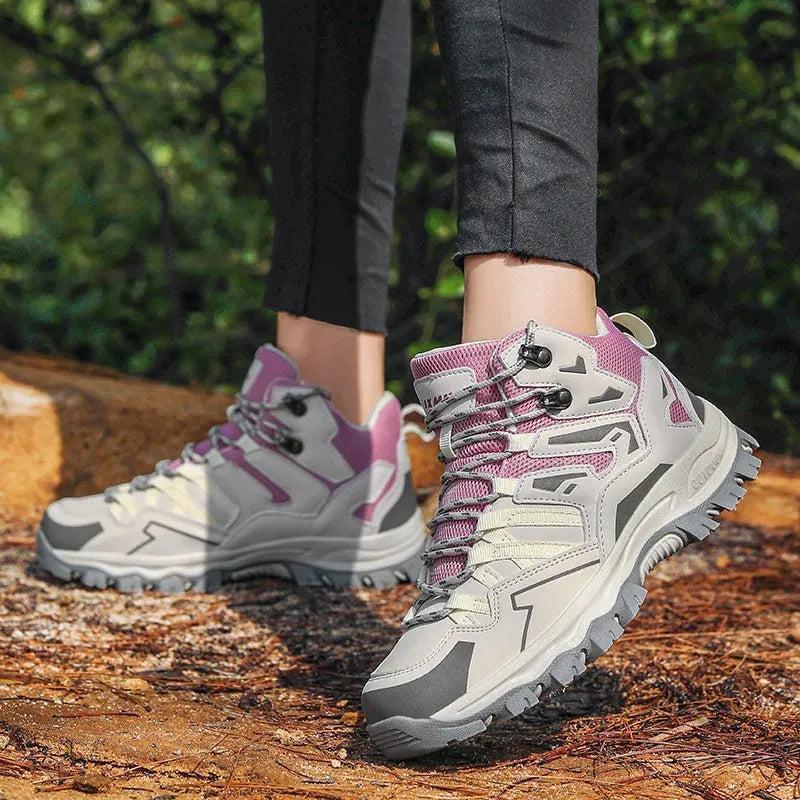
I love a boot that feels protective without feeling bulky. Lightweight options are especially helpful for day hikes and travelers who want less foot fatigue after hours on the trail.
Pros
- Less weight during long walks
- Faster, more flexible movement
- Often need less break-in time
Cons
- May provide less protection on rough terrain
- Some hikers prefer a firmer boot feel
Recent women's hiking boot comparisons include lightweight models such as the Merrell Moab Speed 2 Mid GTX among options designed for hikers who value agility.
Best Hiking Boots for Women with Wide Feet
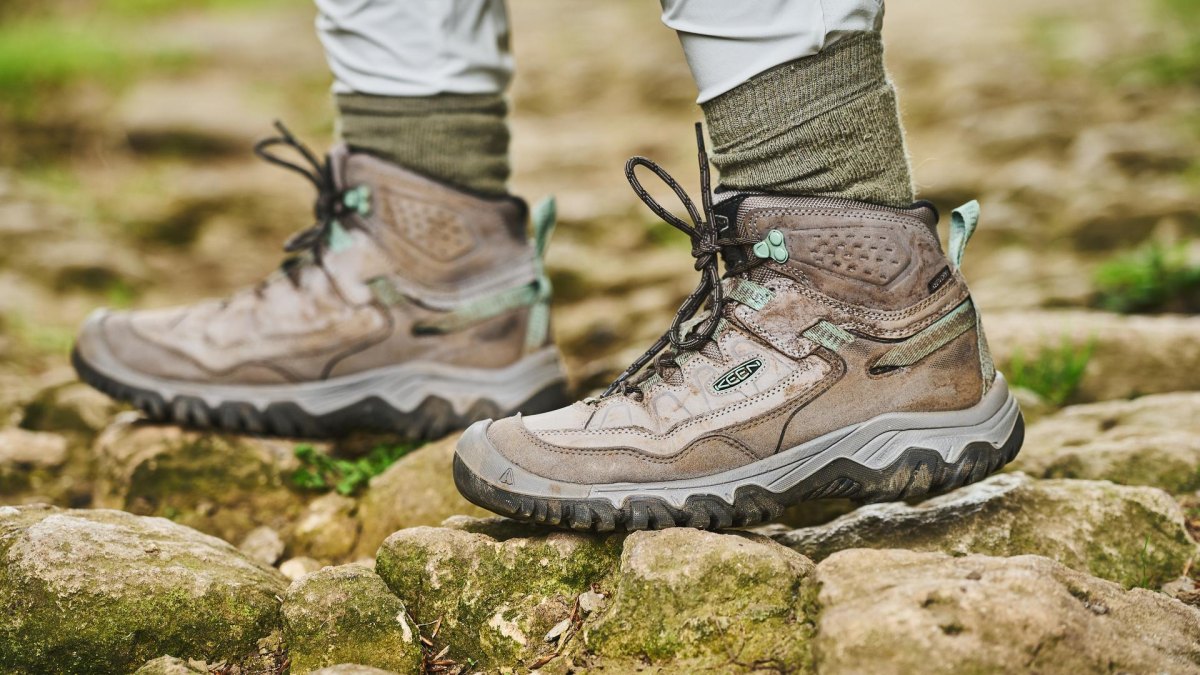
A cramped toe box can ruin a hike faster than a surprise thunderstorm. I tell hikers with wider feet to focus on true wide sizing or naturally roomy designs rather than simply sizing up.
- Wide sizing: Look for brands offering dedicated wide versions.
- Toe room: Check that toes can spread naturally downhill.
- Heel fit: Avoid solving width problems with a loose heel.
Current wide-foot hiking guides highlight options such as KEEN Targhee models, Merrell Moab wide versions, and other boots built around roomier fits.
Best Hiking Boots for Women with Ankle Support
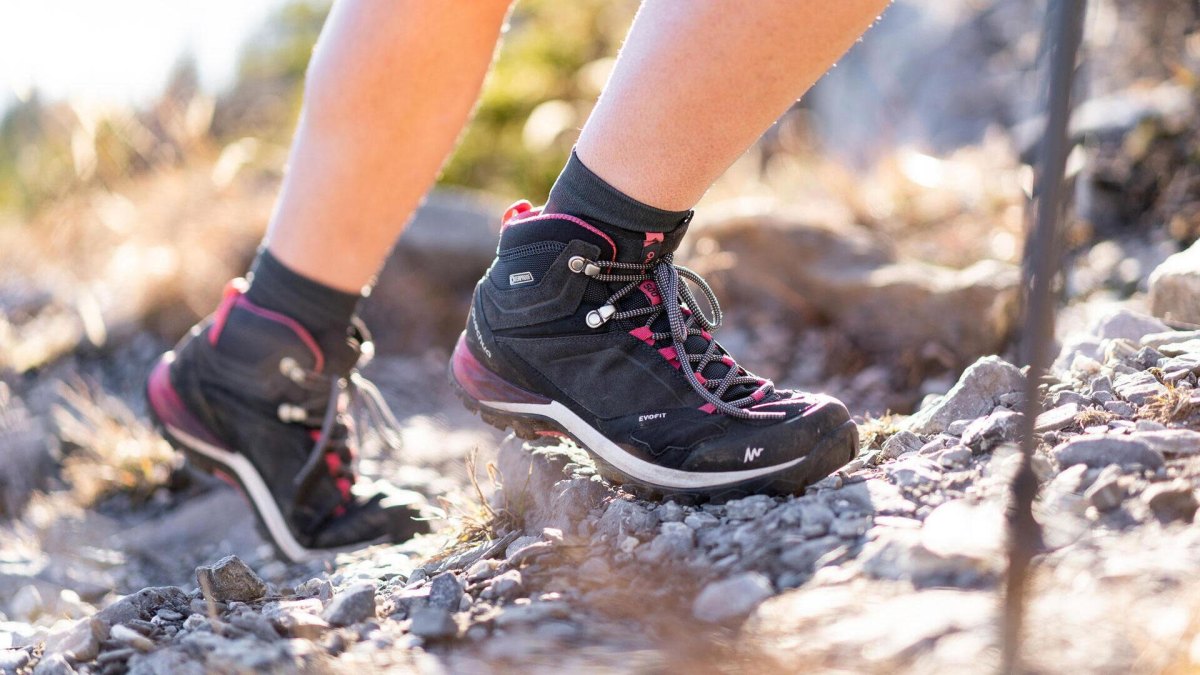
For uneven trails, I like the confidence that comes from a higher collar and a secure feel around the ankle. The right boot offers steady trail support without restricting every step.
- Try boots on with hiking socks
- Walk downhill to test heel movement
- Check ankle comfort before buying
Support-focused hiking boots remain popular among hikers tackling rocky terrain, backpacking routes, and longer days where stability matters.
Best Budget Hiking Boots for Women
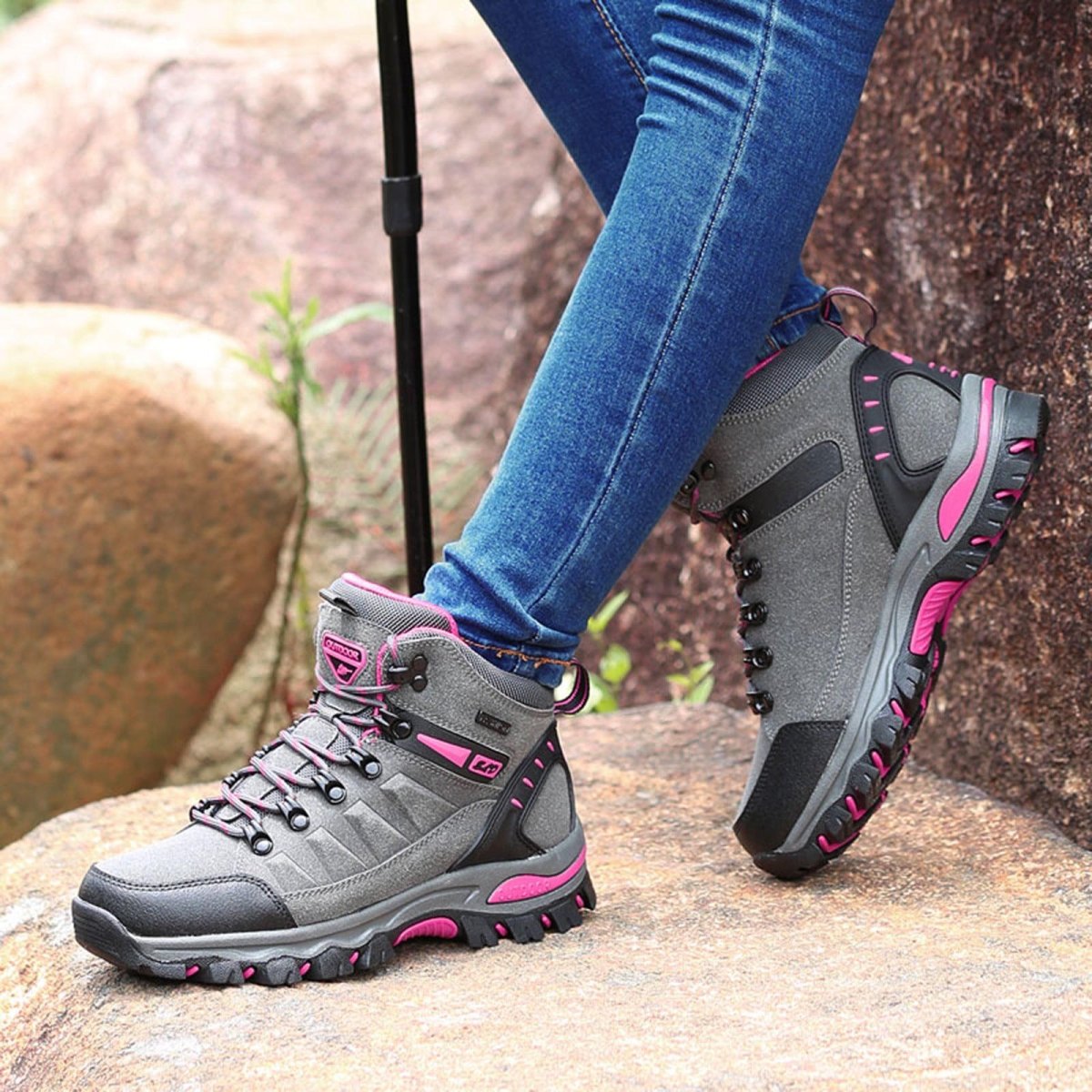
I have planned enough events to know that spending more does not automatically mean getting more. The same is true for hiking gear. A budget boot can deliver excellent trail value when the fit and purpose match.
| Budget priority | What to look for |
|---|---|
| Comfort | Cushioning and a good heel fit |
| Durability | Strong materials and reliable soles |
| Weather | Water-resistant or waterproof construction |
Gear testing sources frequently mention the Merrell Moab line and Columbia options as affordable choices that still provide hiking-ready performance.
Best Hiking Boots for Women on Long-Distance Trails
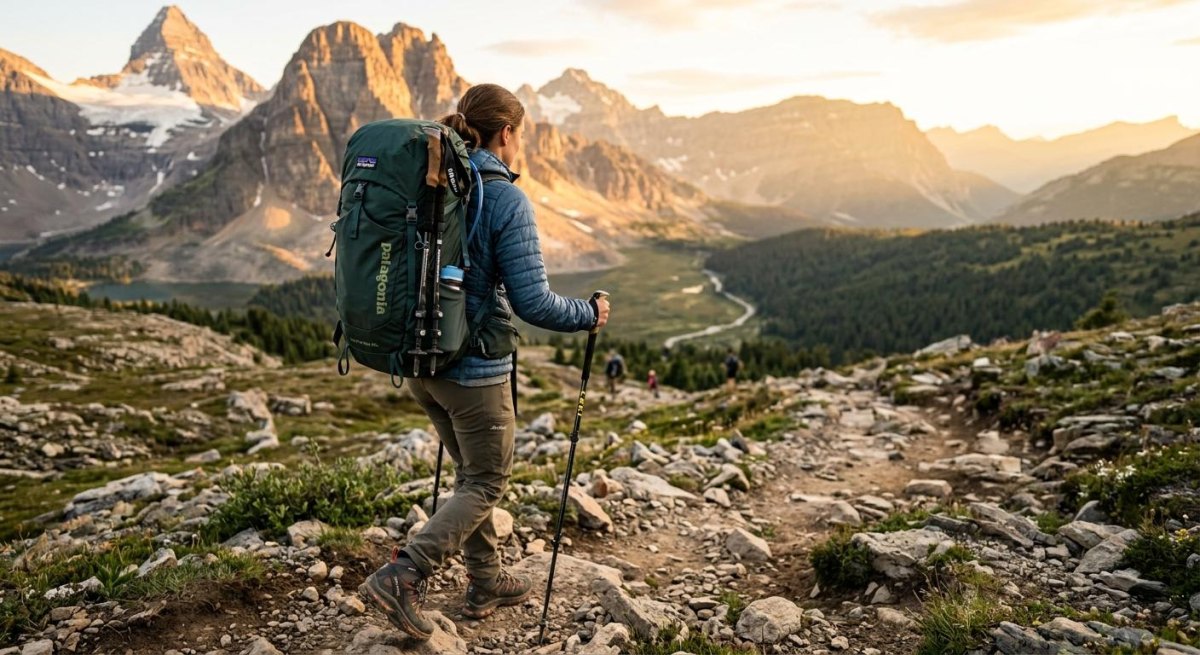
Long trails teach you quickly that a small discomfort becomes a big problem after mile twenty. For backpacking and extended hikes, I prioritize all-day durability, cushioning, and dependable support.
- Test. Wear boots on shorter hikes before committing to a long route.
- Break in. Give materials time to soften and adapt.
- Prepare. Pair boots with the socks and pack weight you expect outdoors.
Long-distance hiking recommendations often feature supportive models such as Salomon Quest and other durable mid-height boots designed for demanding trails. I always tell hikers to choose the boot they can happily wear at mile one hundred, not just the one that looks impressive in the store.