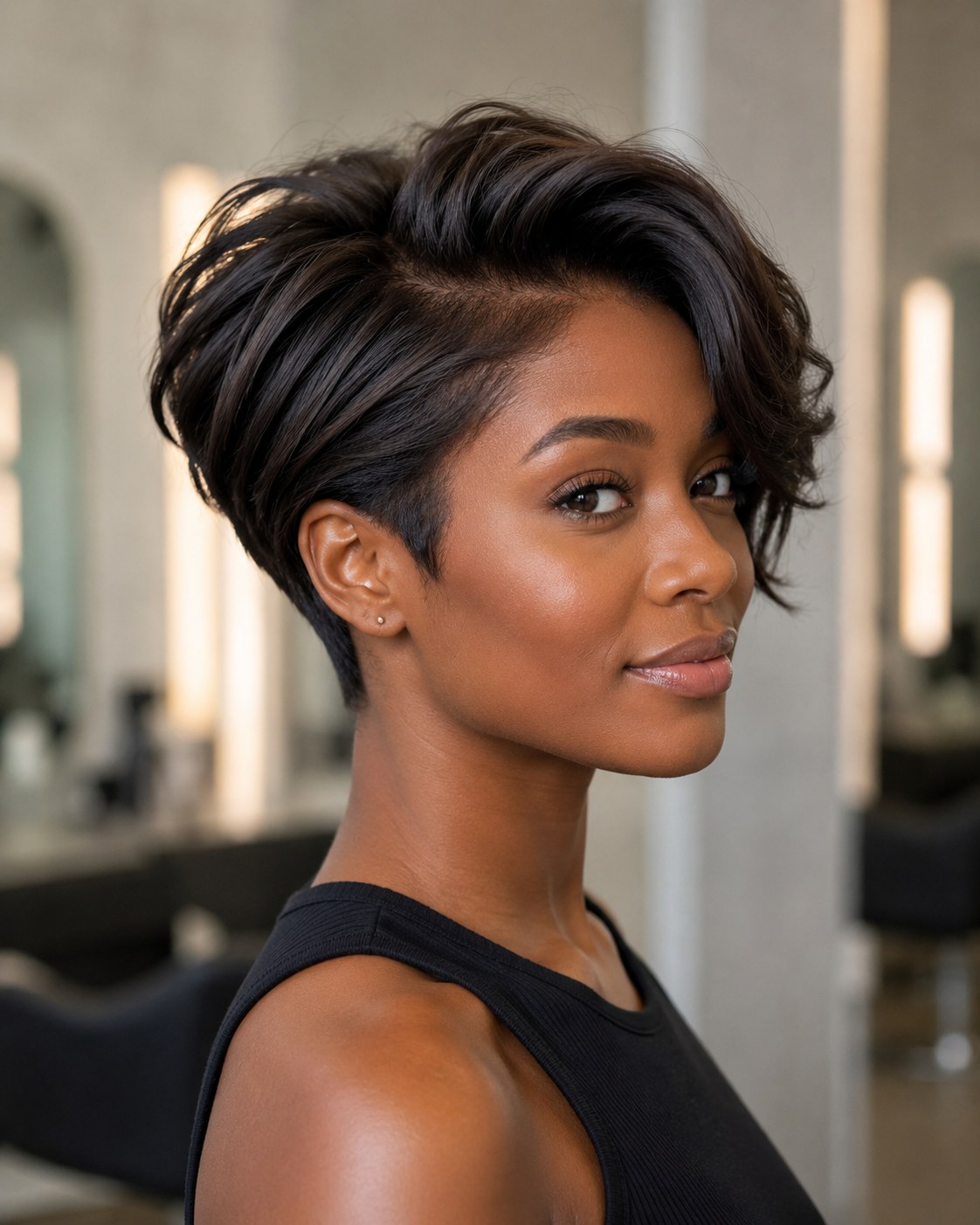
Nobody tells you fine hair gets finer somewhere around the same year your twins start losing baby teeth, but here we are. After a decade of sitting in salon chairs next to brides mid-trial, worrying over the exact same problem — not enough hair here to work with — I've collected the cuts that actually solved it, not just camouflaged it for one photogenic afternoon. These nine are the shapes I've watched hold volume past hour eight of a wedding day, which is the only real stress test that matters.
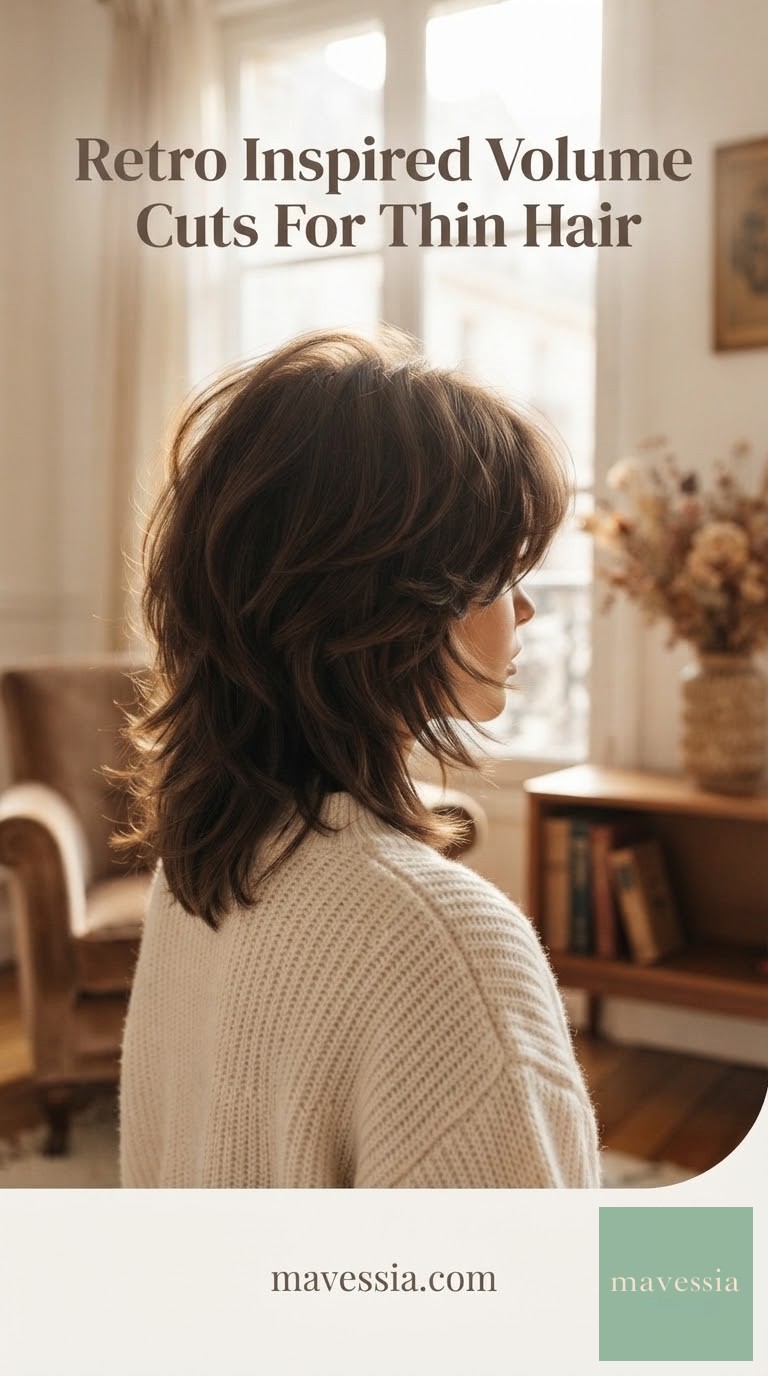
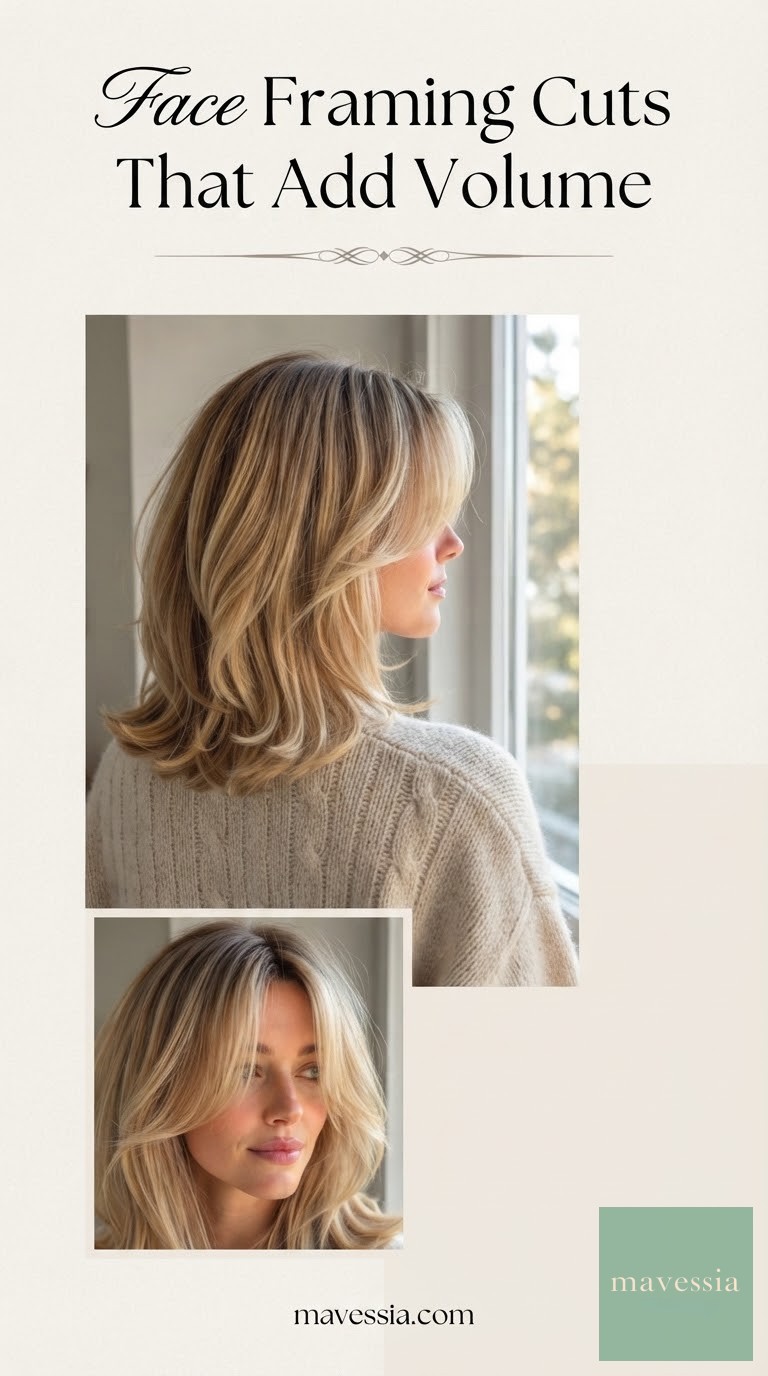
Shoulder-Length Flipped Shag with Curtain Bangs
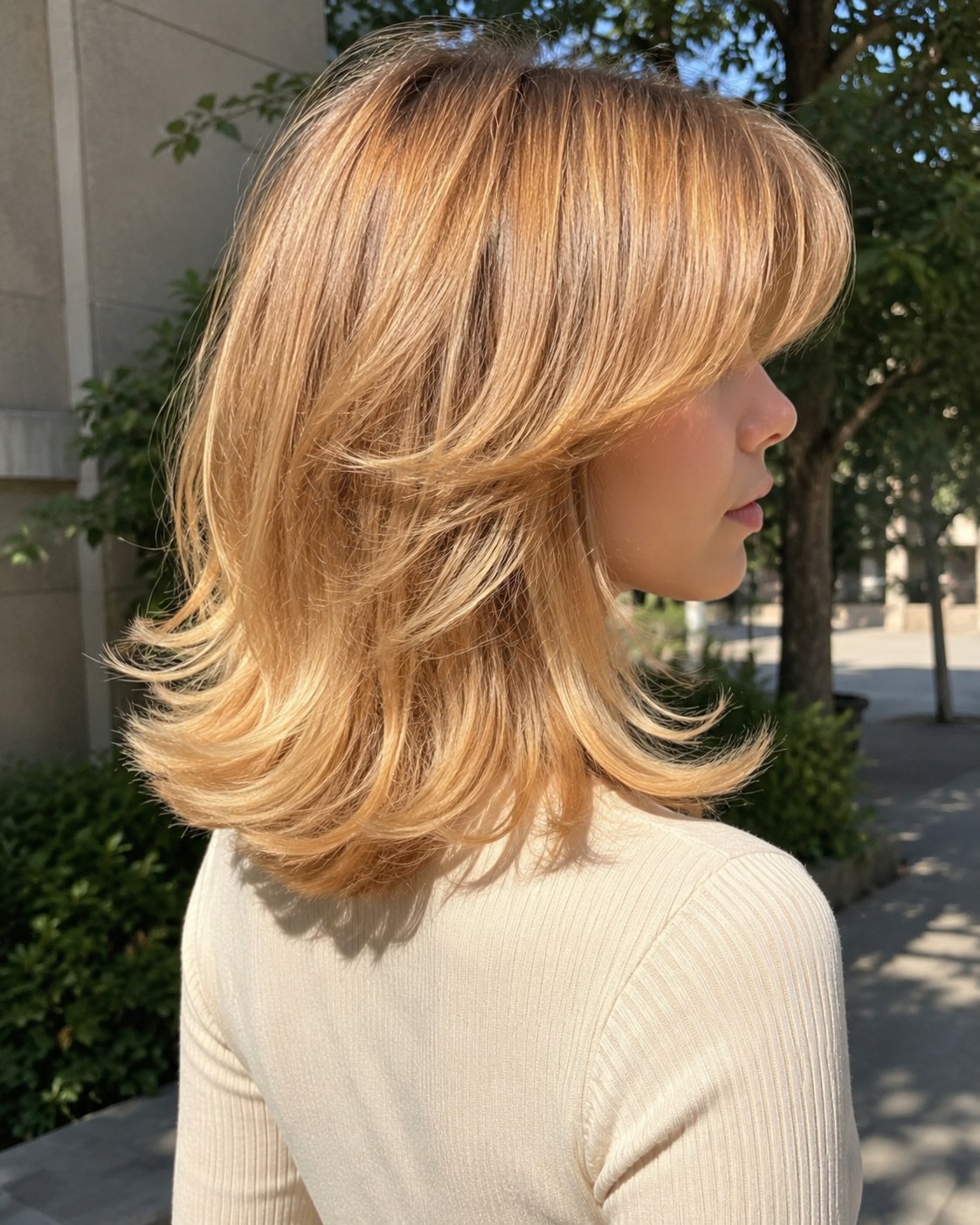
This is the cut I point brides toward when their hair has gone fine but they still want movement without a blowout marathon. The length sits at the shoulder, the layers are cut short through the crown and flip out at the ends, and the curtain bangs do the heavy lifting for face-framing without a separate bang appointment.
What makes it read voluminous on thin strands is the weight removal at the top — a heavier, blunt shoulder-length cut on fine hair just lies flat. Here, the interior is thinned so the ends can flip and lift instead of dragging the head down.
- Ask for: point-cut ends and volumizing layers through the crown, not just “layers.”
- Style with: a round brush and low-heat air at the roots, flipping outward at the ends.
- Best for: fine, straight-to-slightly-wavy hair, medium to long face shapes.
I've sent more than one nervous bride into this exact shape two days before her wedding because it photographs well from every angle and needs nothing but a quick curling iron touch-up before the ceremony.
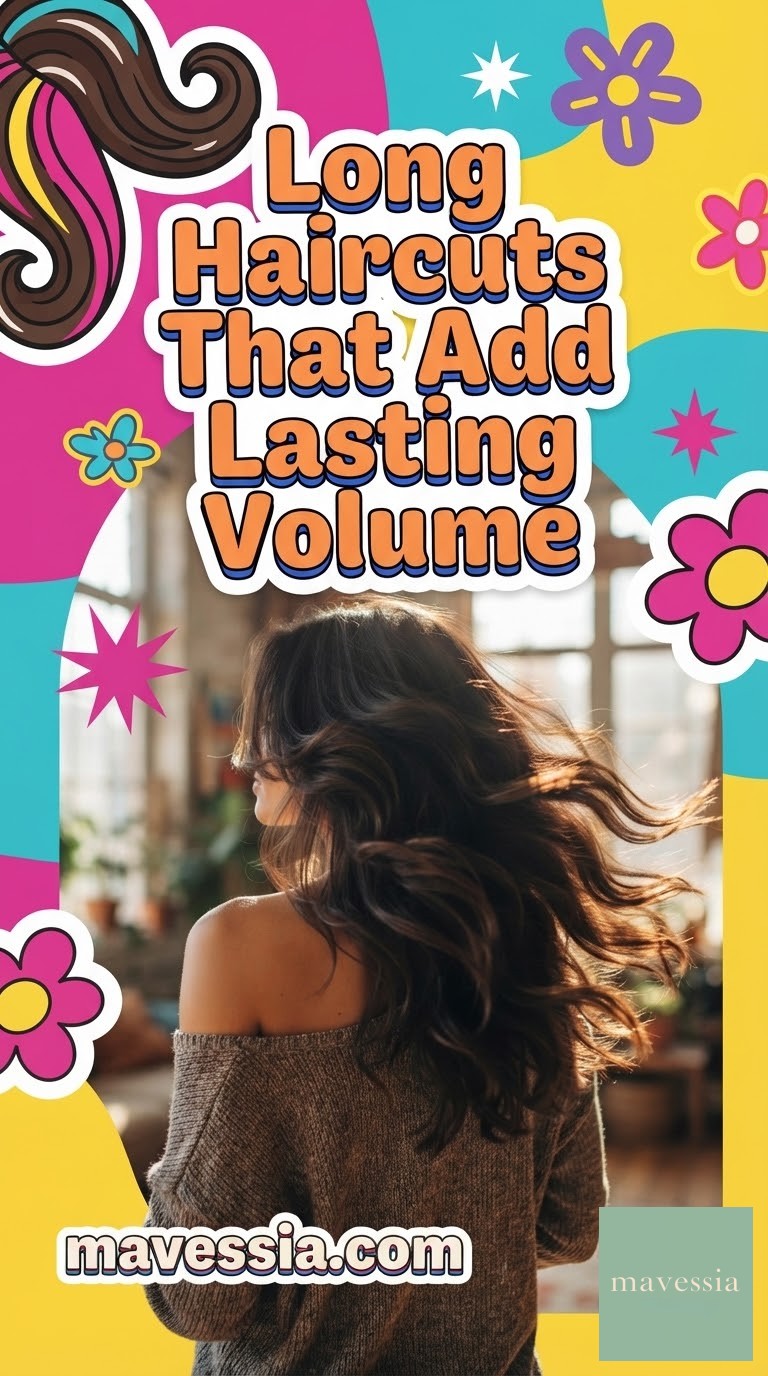
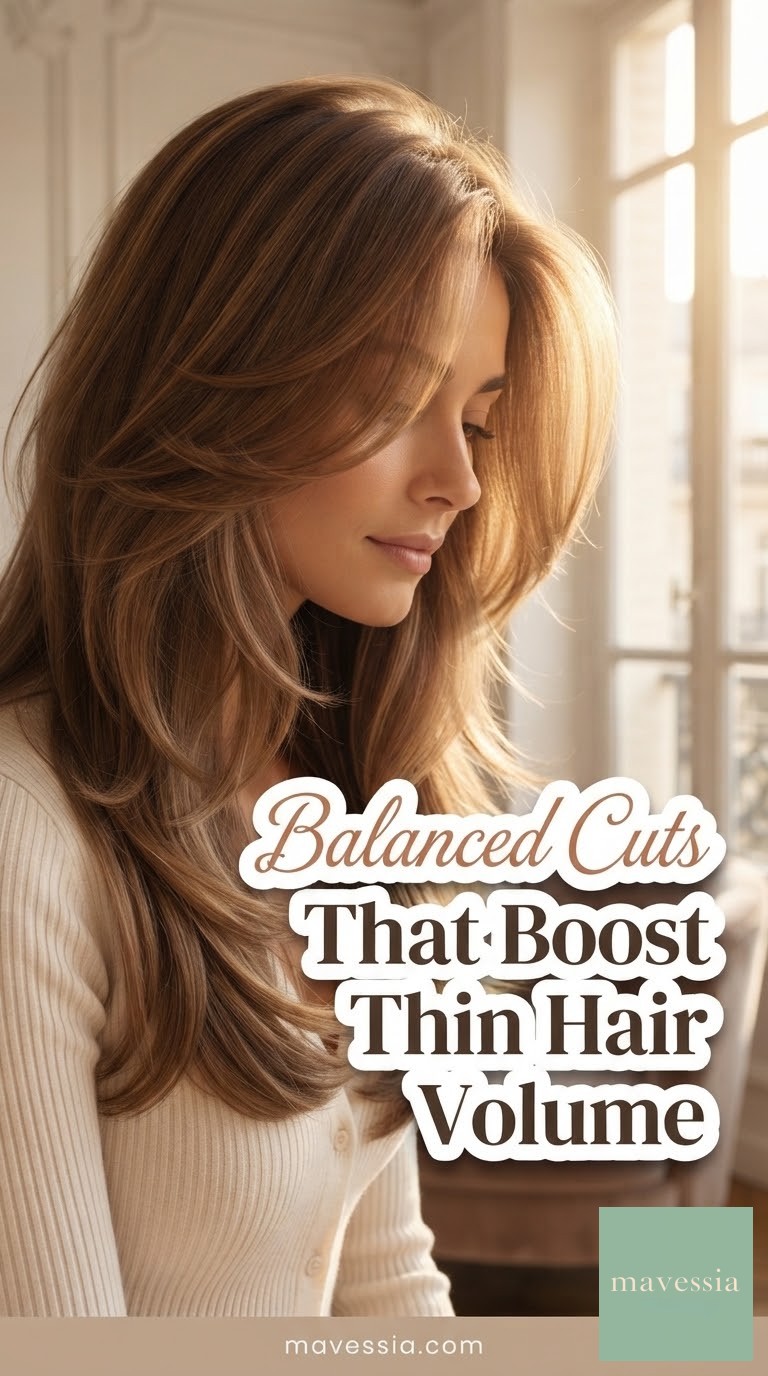
Long Face-Framing Layers, Seen From Behind
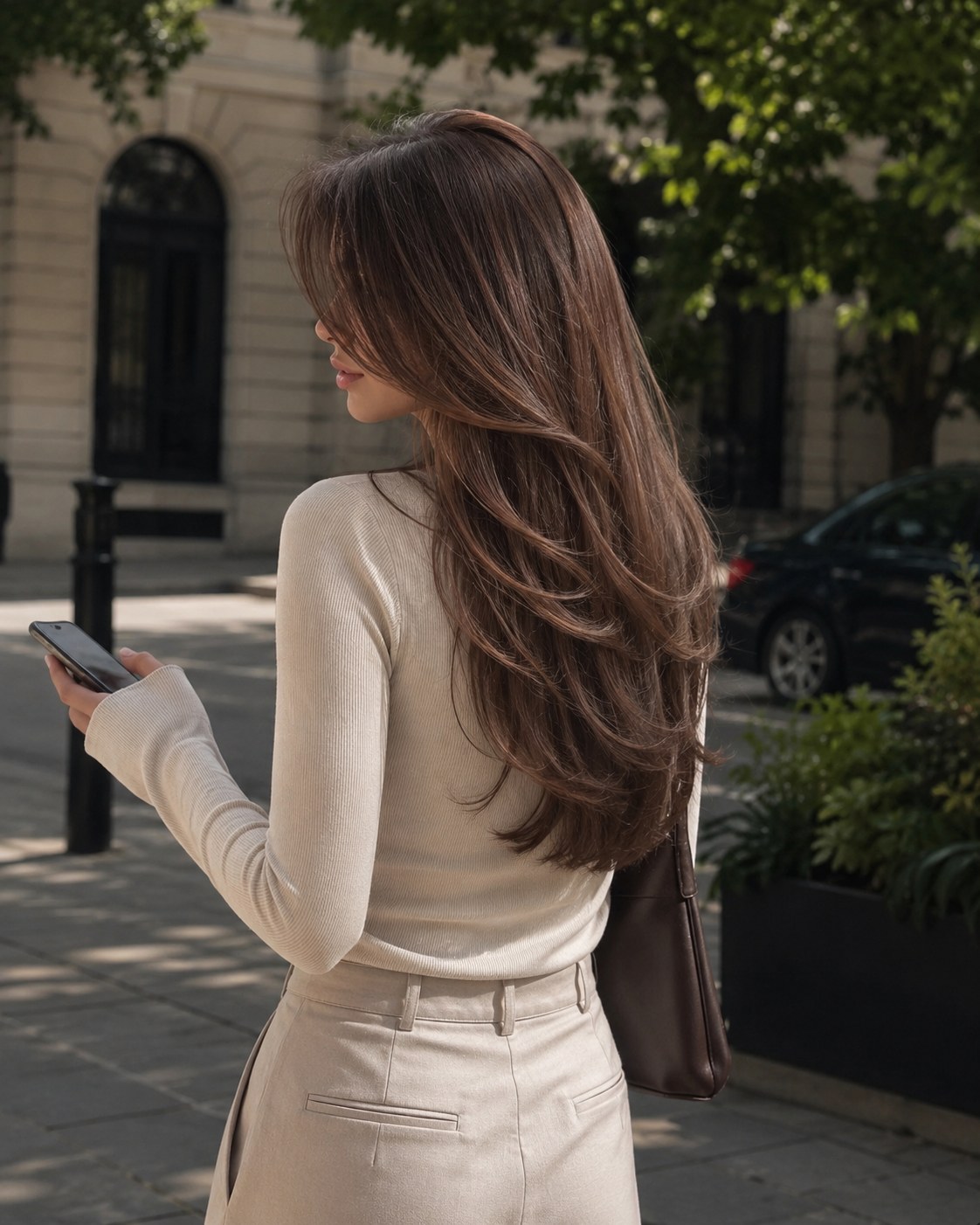
Seen from behind, this is the cut that convinces people fine hair can still hold length. The layers start high, well above the shoulder, and the ends are cut with a slight bend so the hair falls in soft, separated pieces instead of one flat curtain.
The trick is restraint: length stays long overall, past the shoulder blades, but the layering is aggressive enough near the crown that the hair has somewhere to build volume before it falls.
I learned the hard way, coordinating hair trials for a decade of brides, that “long and layered” means two very different haircuts depending on where those layers start — high layers lift, low layers just texturize the ends.
For upkeep, this shape wants a trim every ten to twelve weeks to keep the layer lines crisp, and it does best with a lightweight, volumizing mousse rather than heavy oil, which flattens fine hair fast.
The Long-Layer Blueprint Every Stylist Should Know
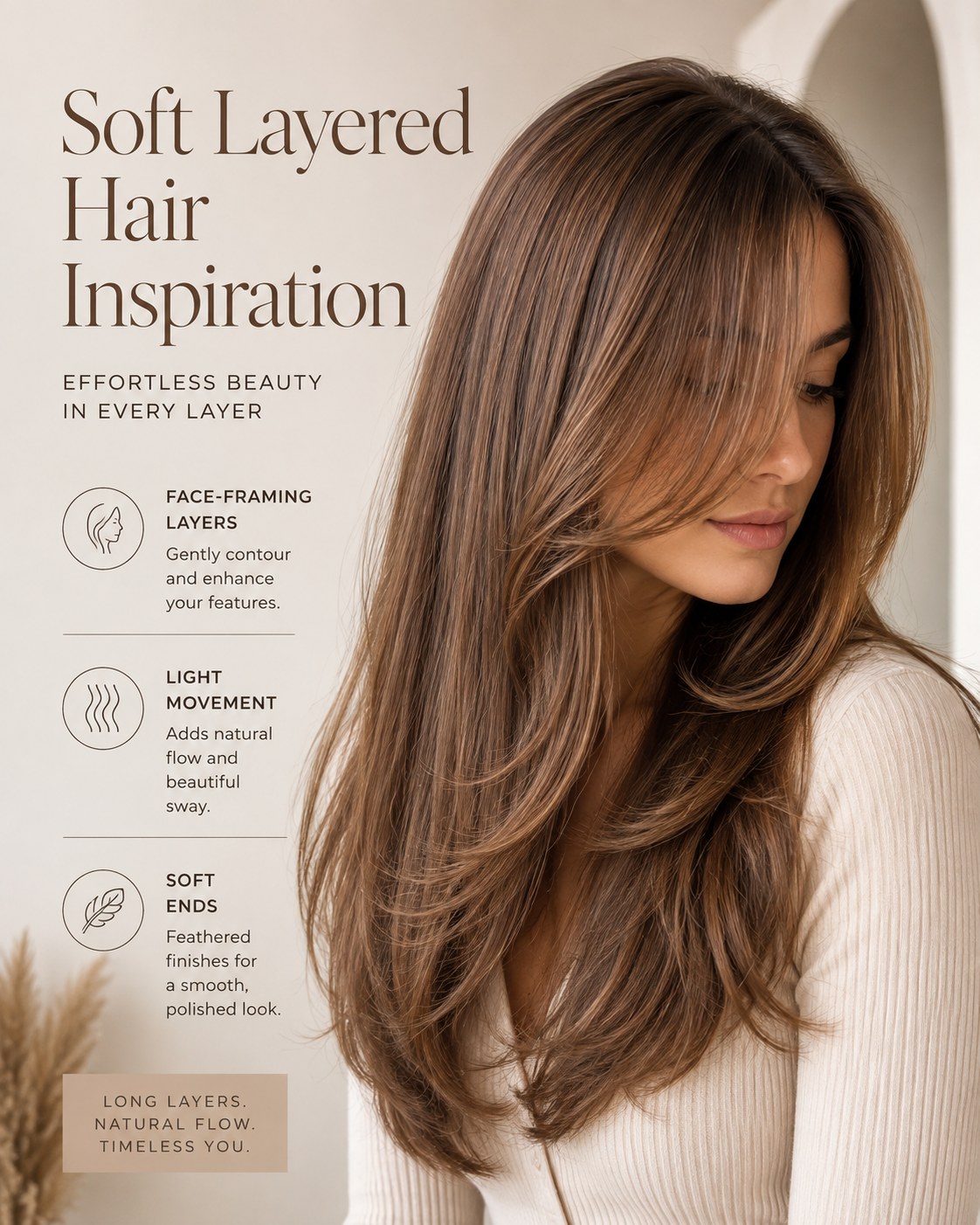
Consider this the blueprint I hand any client who says “I don't know what to ask for, I just want it to look like this” — the three principles behind almost every good volume cut for fine hair, distilled.
- Face-framing layers: cut around the jaw and cheekbone to soften the face and disguise flat sections near the temples, where thin hair shows scalp first.
- Light movement: ends that are point-cut or razored slightly so the hair swings instead of hanging in one heavy sheet — heavy, blunt weight is the enemy of volume on fine strands.
- Soft, feathered ends: a finishing texture that reads as fullness even when the actual density hasn't changed.
None of this requires more hair. It requires a stylist willing to remove weight in the right places, which sounds counterintuitive until you see it done — less bulk in the middle, more shape at the edges, and the whole head reads fuller.
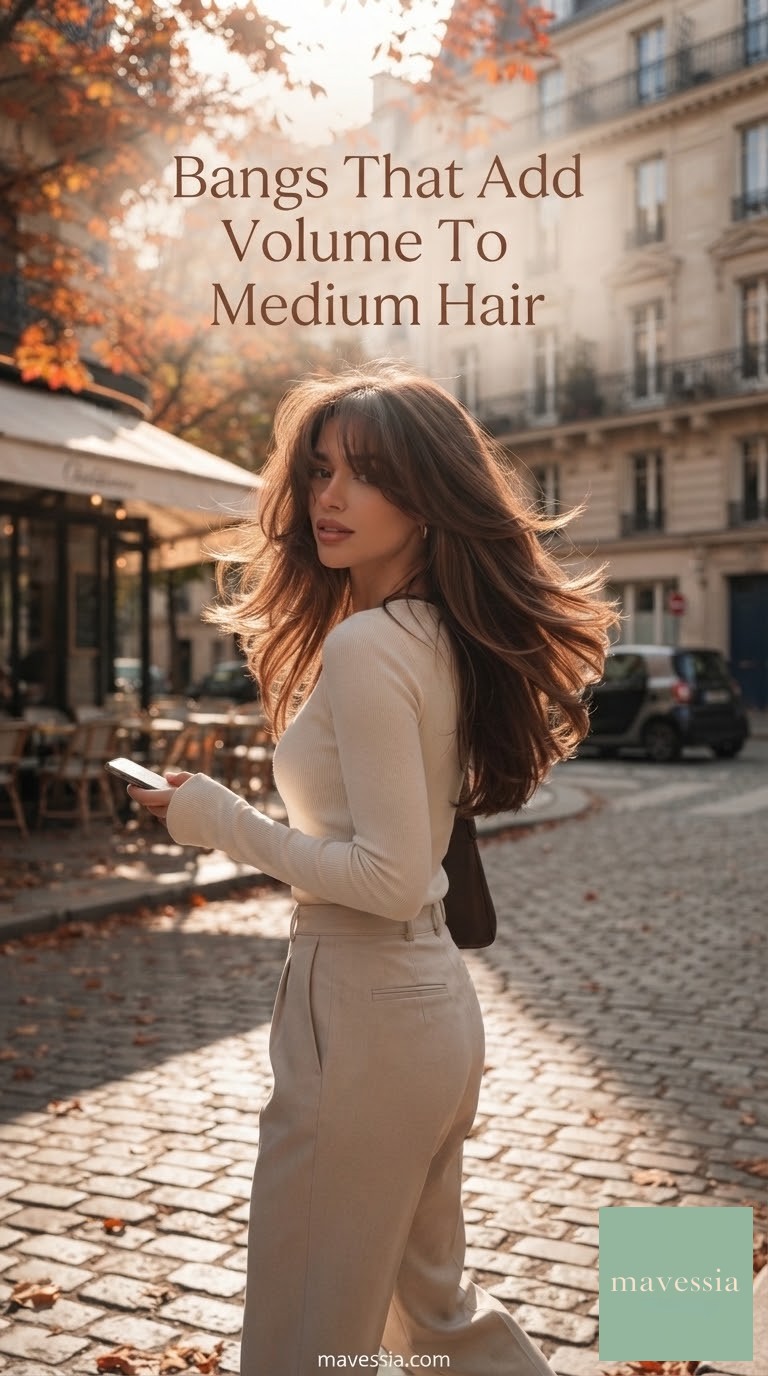
Wavy Layered Lob with Wispy Bangs

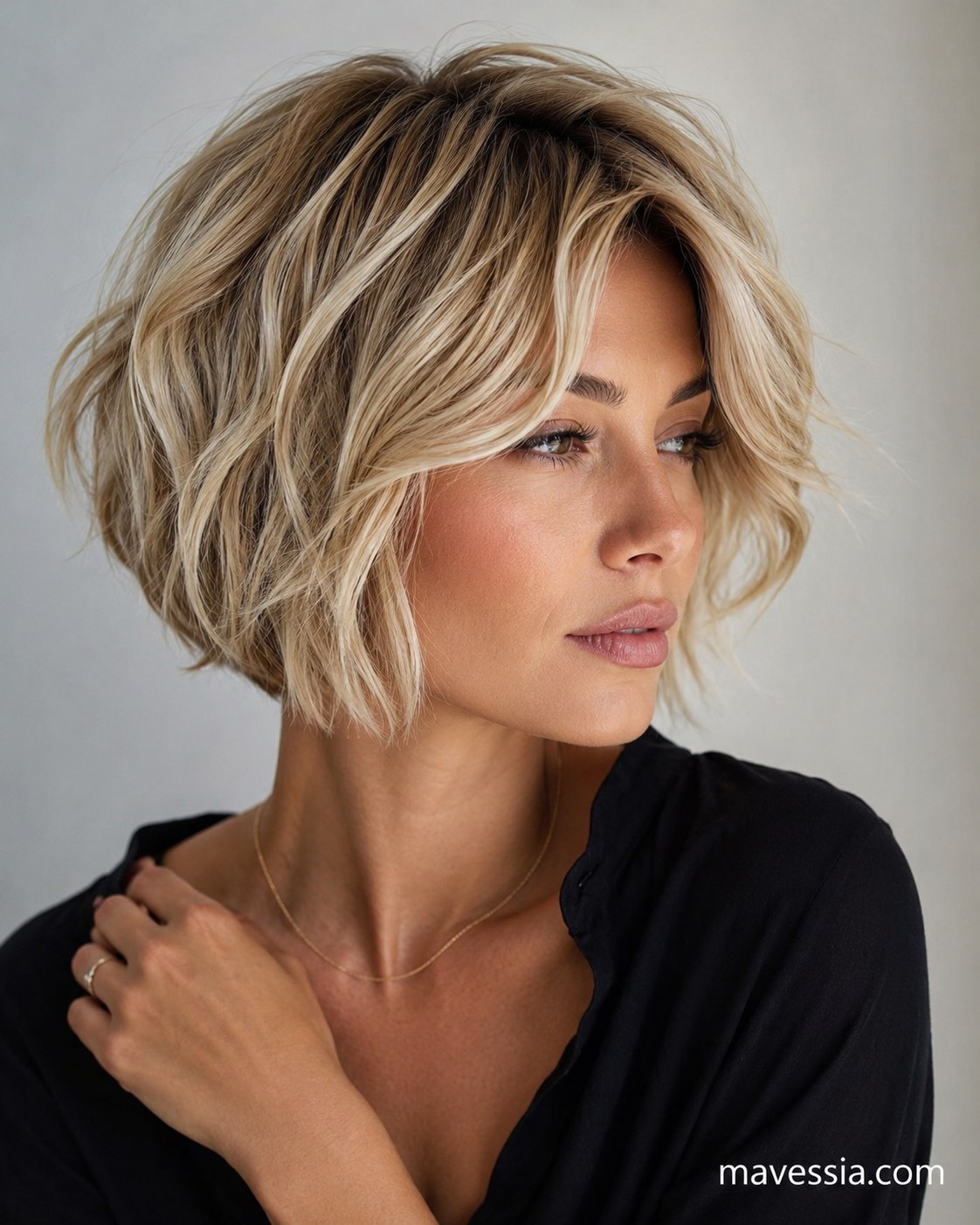
Chin-to-collarbone length with soft waves and wispy, feather-cut bangs — this is the lob I'd recommend to anyone whose fine hair looks limp by 2 p.m. no matter what they do to it. Shorter length carries less weight per strand, so the volume built into the roots in the morning survives the whole day.
The wispy bangs are cut long and irregular rather than blunt, which keeps them from reading as a solid, heavy curtain on fine hair. Texture, not thickness, is the goal — a few well-placed layers through the crown give lift, and the waves at the ends do the rest of the work.
For the at-home version: rough-dry upside down for the first few minutes, then finish with a one-inch curling wand alternating direction on each section. Skip heavy serums; a texturizing spray at the roots before drying does more for this exact shape than any oil.
Long Butterfly Layers with Flicked Ends
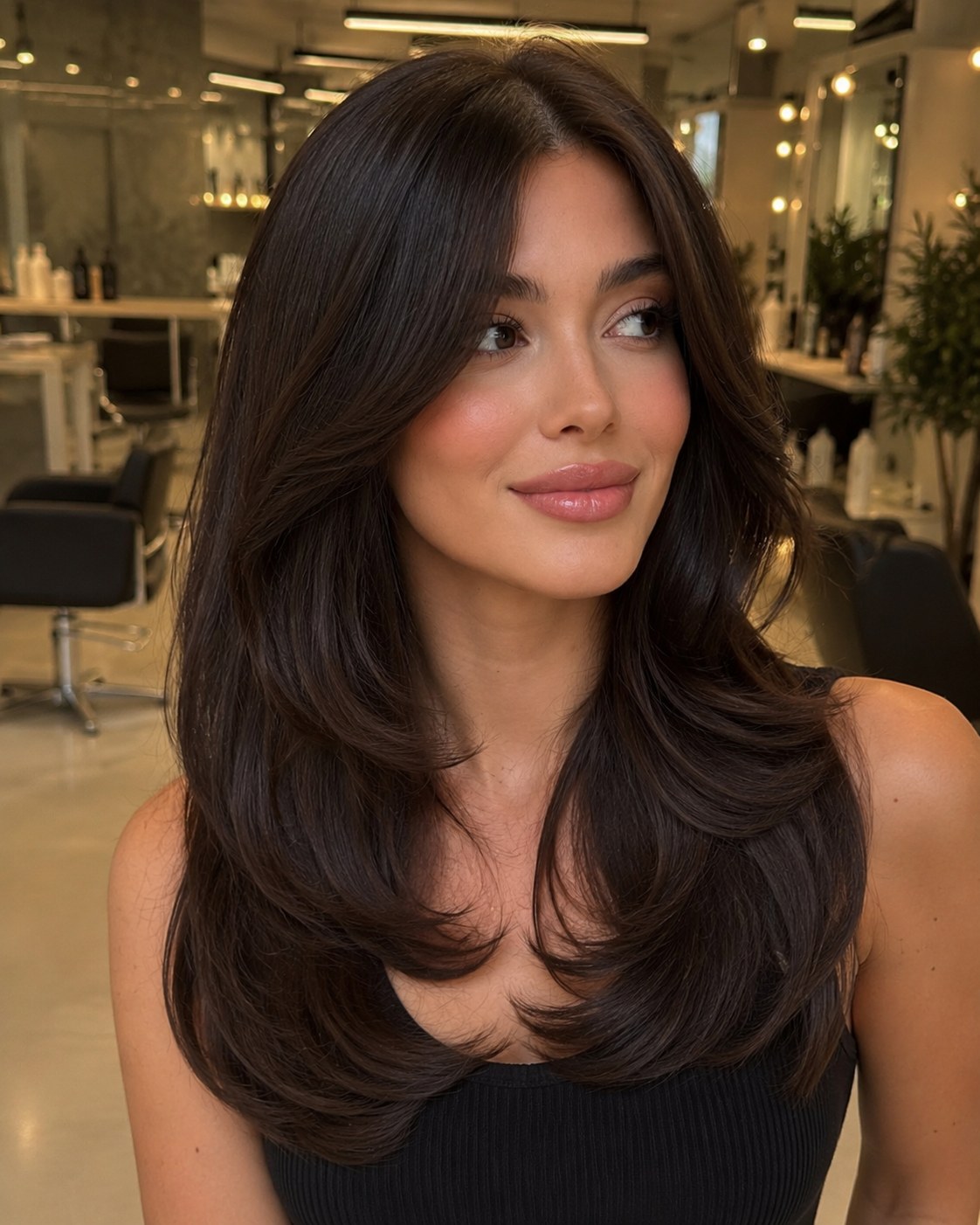
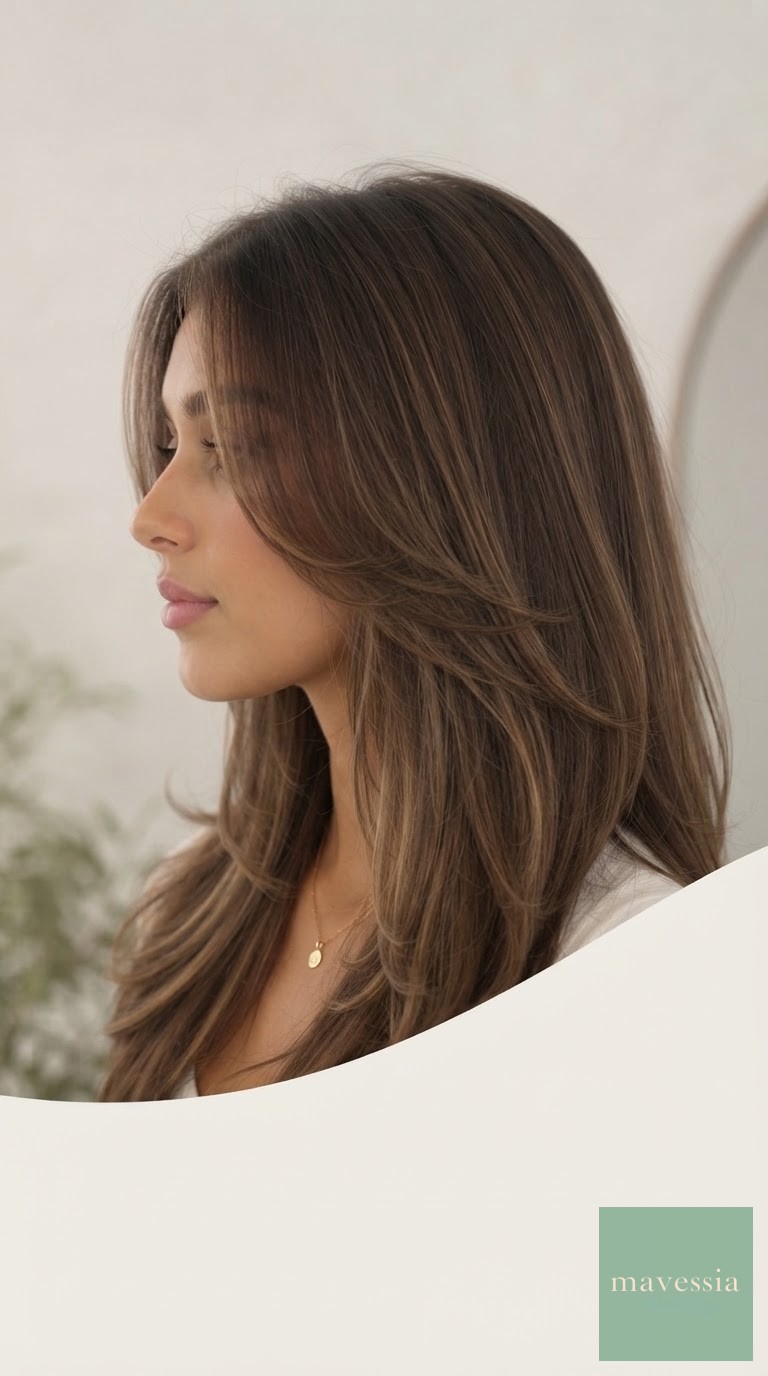
Longer, darker, and cut with what stylists call “butterfly layers” — short pieces framing the face that graduate down into longer layers below, so the whole shape moves like wings when you turn your head. On thin hair, this is one of the most forgiving long cuts because the shortest layers sit right where volume is needed most: the crown and the face.
Why it holds up on fine hair
The graduated layering means no single length carries all the weight. Ends are cut with a slight outward flick, encouraged with a round brush, so they don't drag straight down.
- Color note: a few money-piece highlights near the face amplify the flicked layers without needing more density.
- Maintenance: trims every 8-10 weeks keep the shortest layers from growing out into the longer length and flattening the effect.
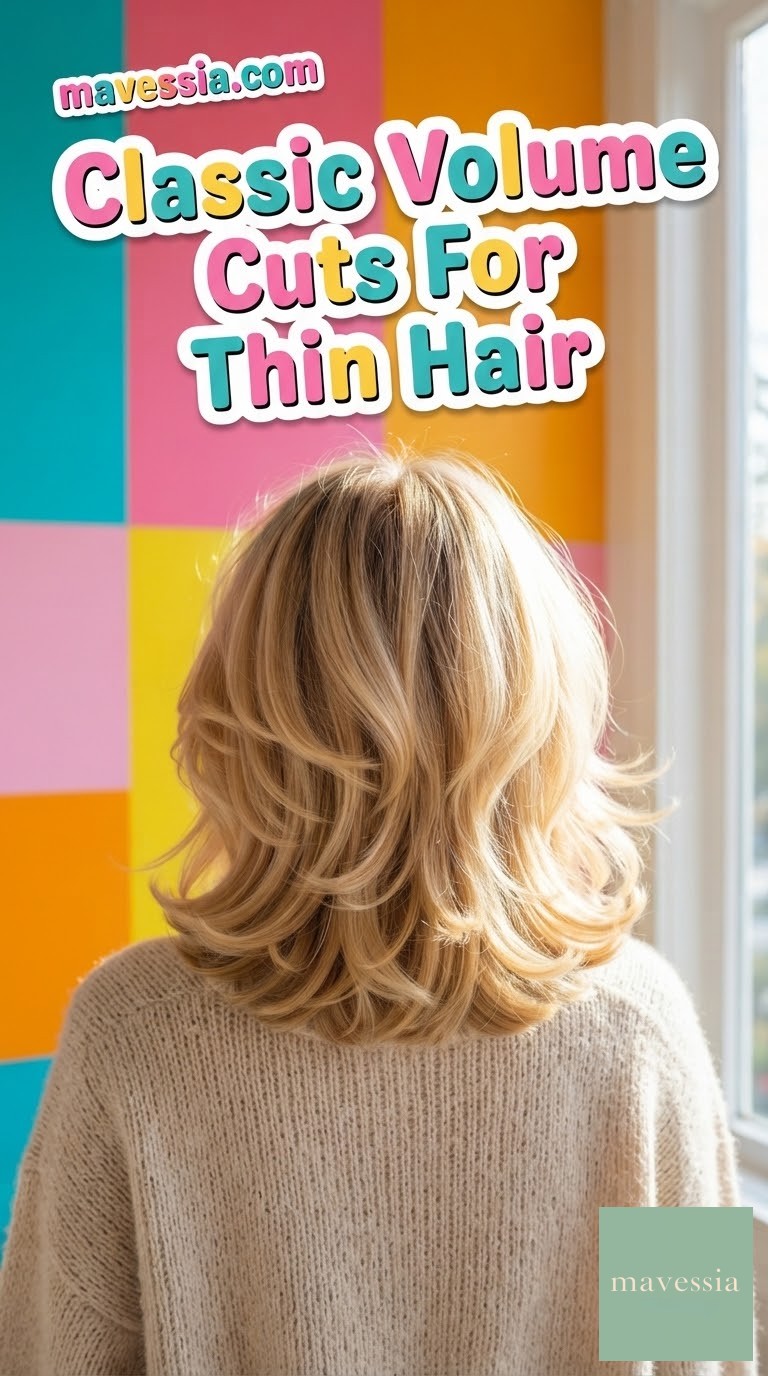
Choosing a Shape by the Back View
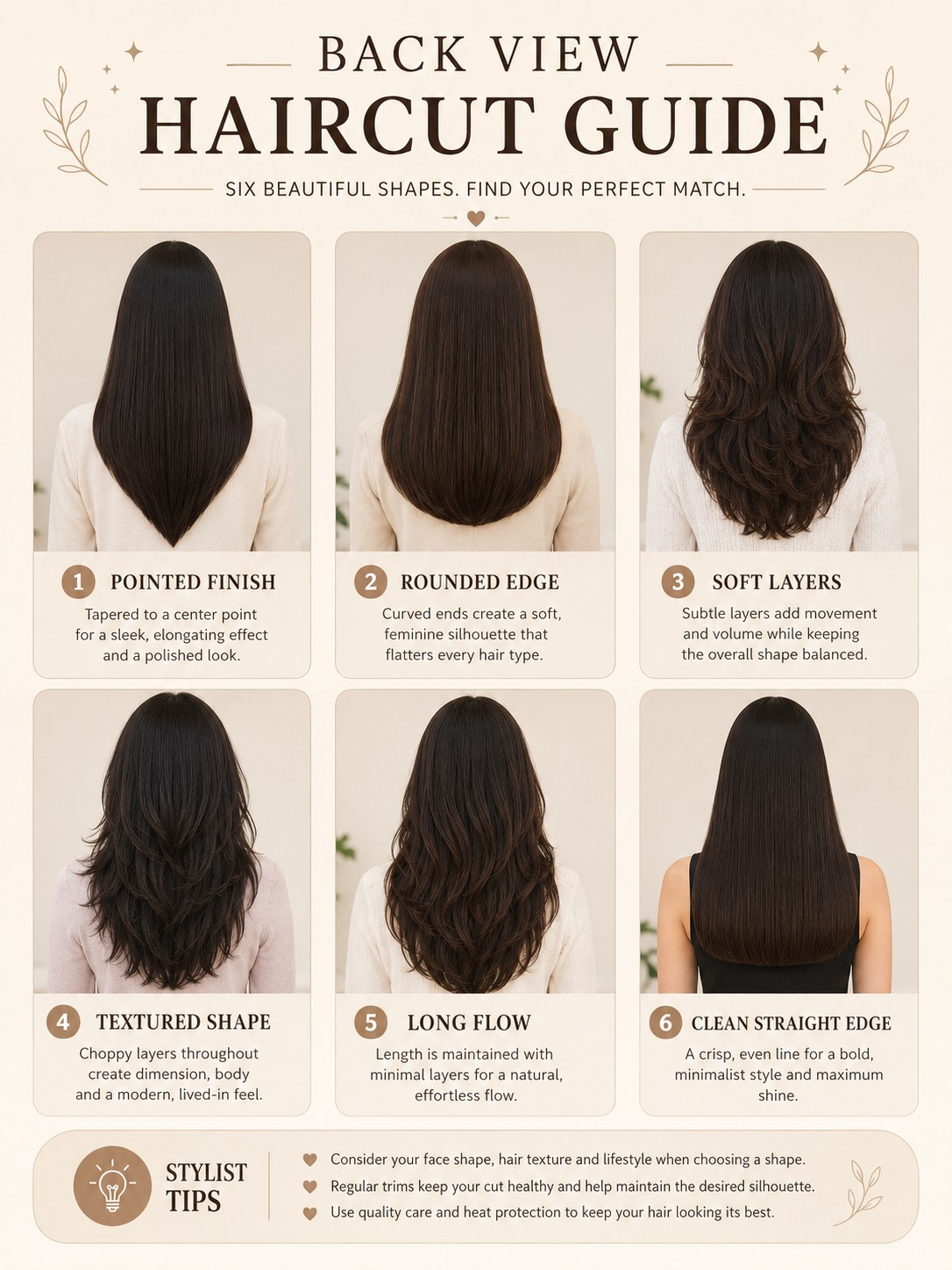
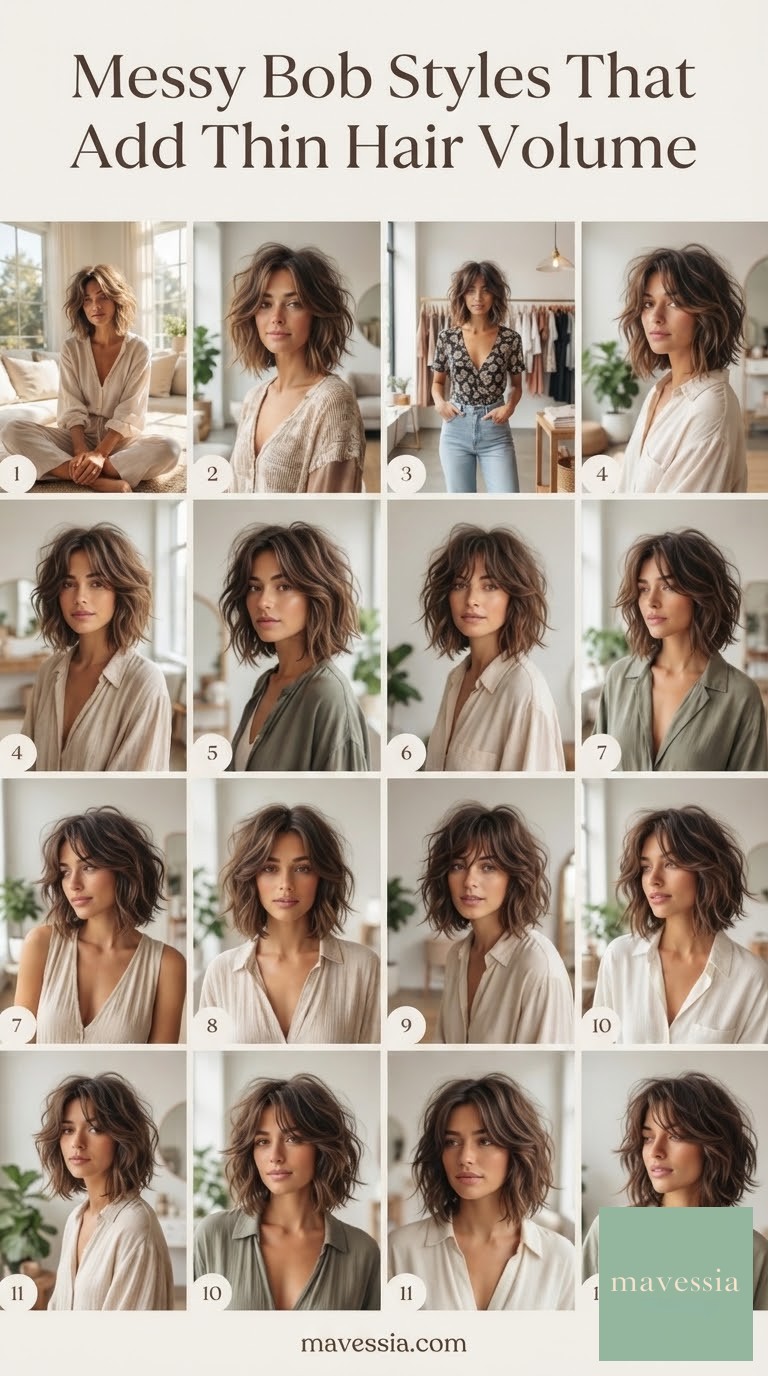
Every consultation I've ever sat through — bridal or otherwise — comes down to a version of this chart. Six back-view silhouettes, and for fine hair, three of them do most of the volume work: soft layers, textured shape, and long flow — the other three lean on visible density to look intentional rather than thin.
- Soft layers: subtle, evenly spaced layers that add movement while keeping the silhouette balanced — the safest volume choice for most fine hair.
- Textured shape: choppier, more irregular layers for a modern, lived-in look that reads as thicker than it is.
- Long flow: minimal layering, length-driven — works only if your hair has enough natural body to fake it, otherwise it flattens fast.
Bring a photo of the back view, not just the front, to your next appointment. Stylists build volume from the back forward, and “I want it to look like this from behind” is the single most useful sentence you can say in that chair.
The Layered Blowout Method
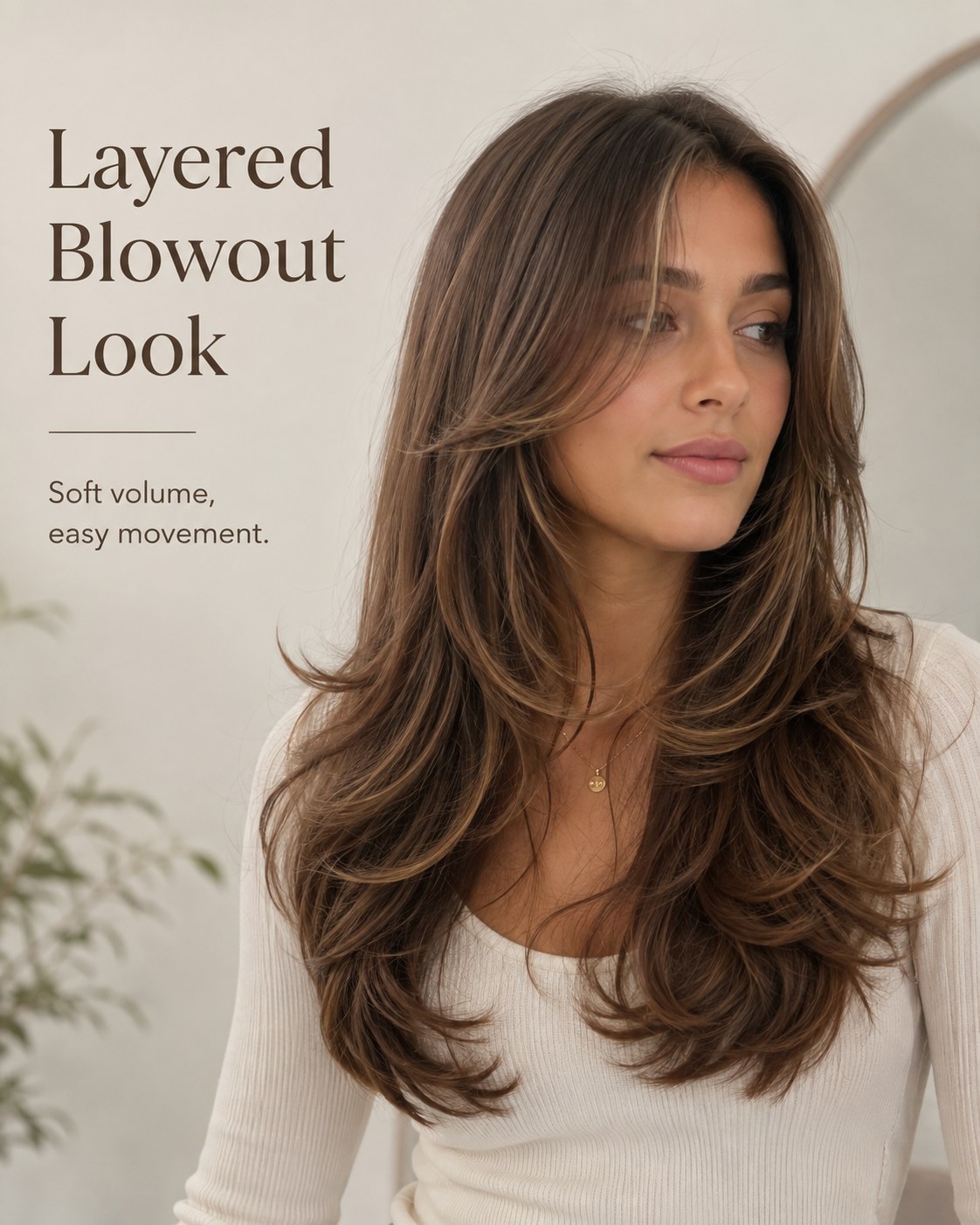
This is less a haircut than a blow-dry method, but the two are inseparable for thin hair — the best layered cut in the world falls flat without the right finishing technique, and a mediocre cut can look genuinely great with this one.
The method: dry hair 80% of the way with fingers, roots lifted away from the scalp, then section from ear to ear and blow out each section over a round brush, rolling the ends under and holding a three-count of cool air before releasing.
- Product order: volumizing mousse at the roots on wet hair, a light heat protectant through the mid-lengths, nothing heavy until after styling.
- Tool note: a smaller, one-inch round brush builds more volume than a larger one on fine hair, counterintuitive as that sounds.
I keep a travel round brush in my day-of coordinator kit for exactly this reason — bridesmaids' blowouts fall flat by hour six of a wedding day, and a two-minute re-roll at the roots saves more photos than touch-up powder ever does.
The Blonde Wolf-Lob
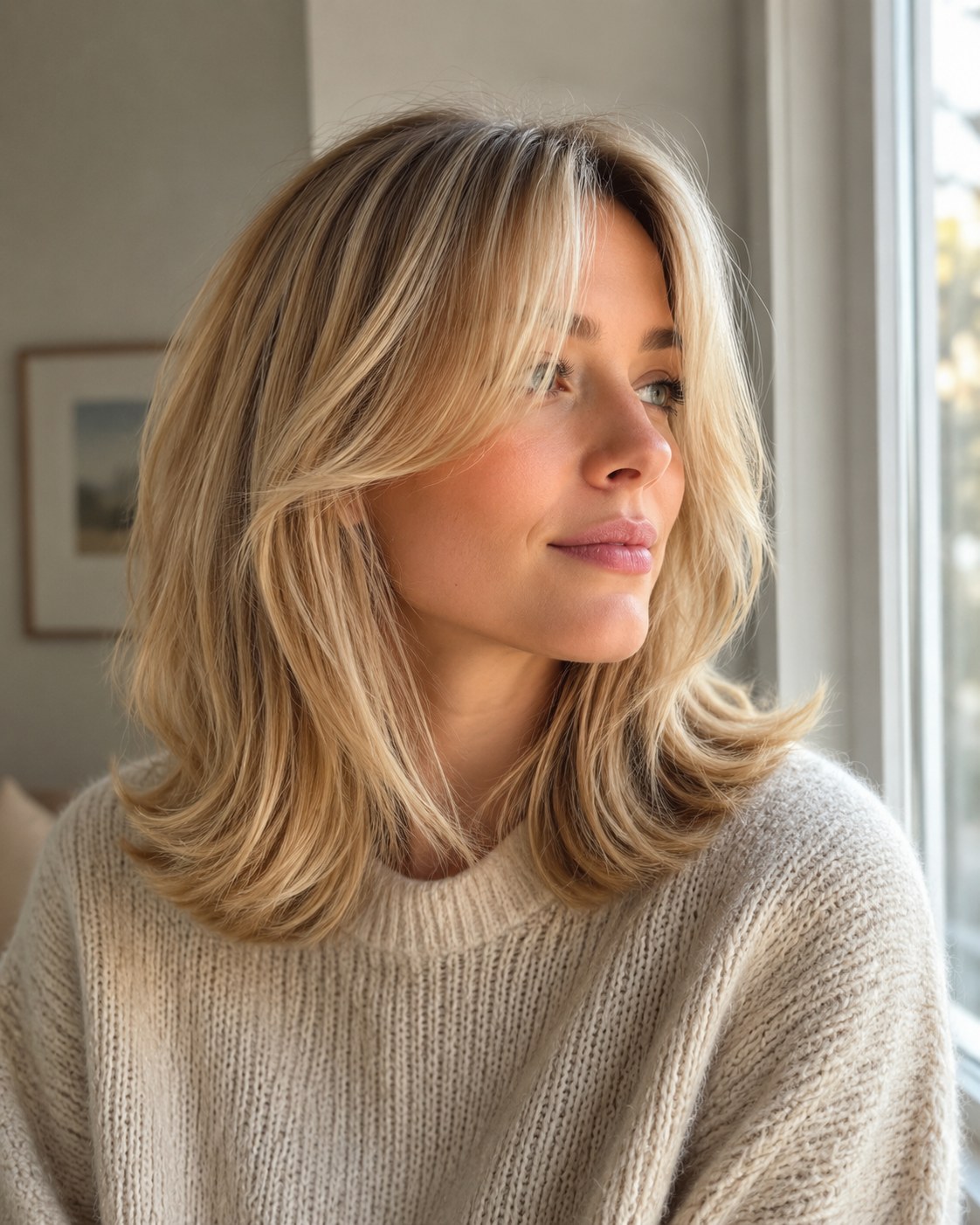
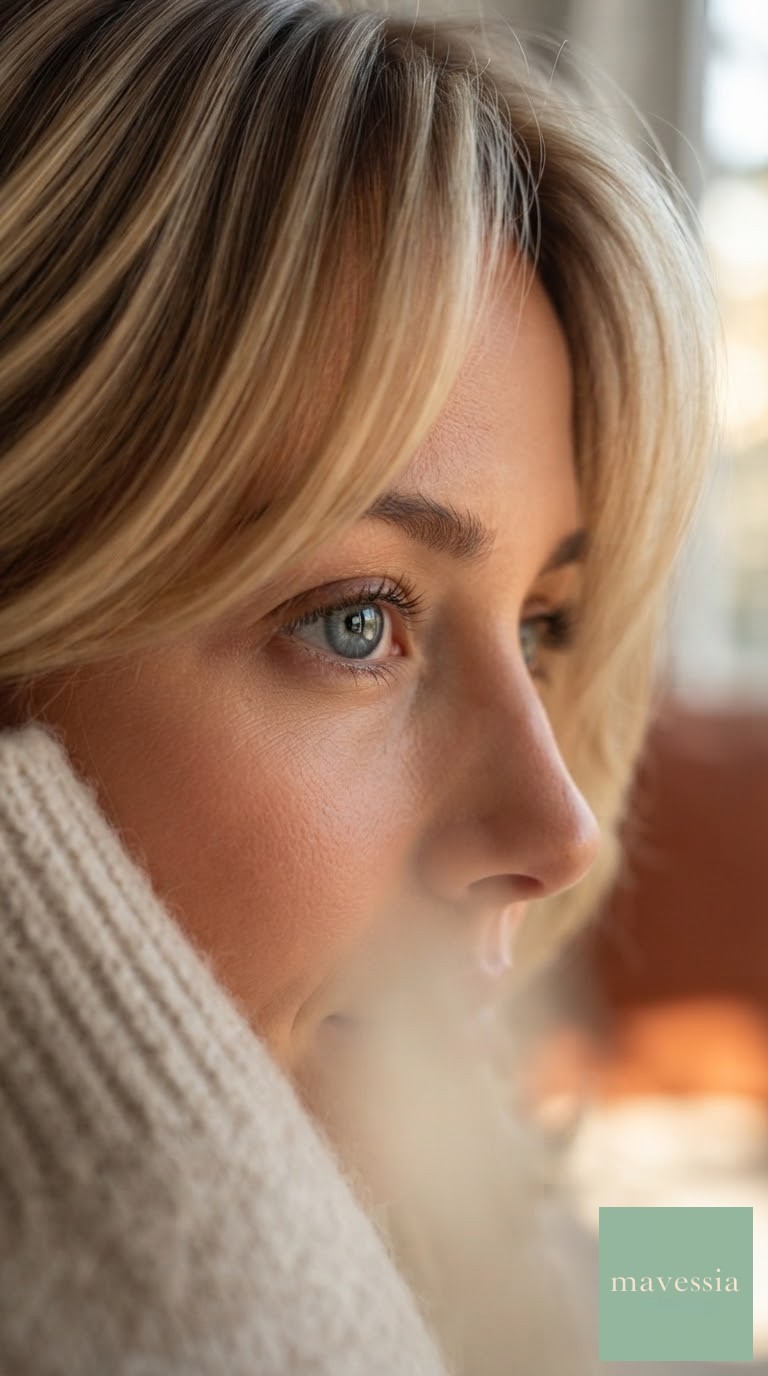
Shoulder-length, heavily layered through the ends, with curtain bangs that blend seamlessly into the sides — this is the “wolf-lob,” the shorter, gentler cousin of the wolf cut, and it's become my go-to recommendation for fine hair thinning at the temples with age.
The shaggy, choppy layers throughout the length do double duty: they disguise sparser sections and create the illusion of density from every angle. The bangs are the real workhorse here — cut to blend rather than sit as a hard line, filling in a hairline that's started to recede without looking like a fix.
Ask your stylist for shag layers, not heavy, with a blended curtain fringe — and expect to reach for texturizing spray, not smoothing serum, on the days you air-dry. This shape is built to look slightly undone; fighting that with sleek styling defeats the point.
Sun-Kissed Long Layers with a Money Piece
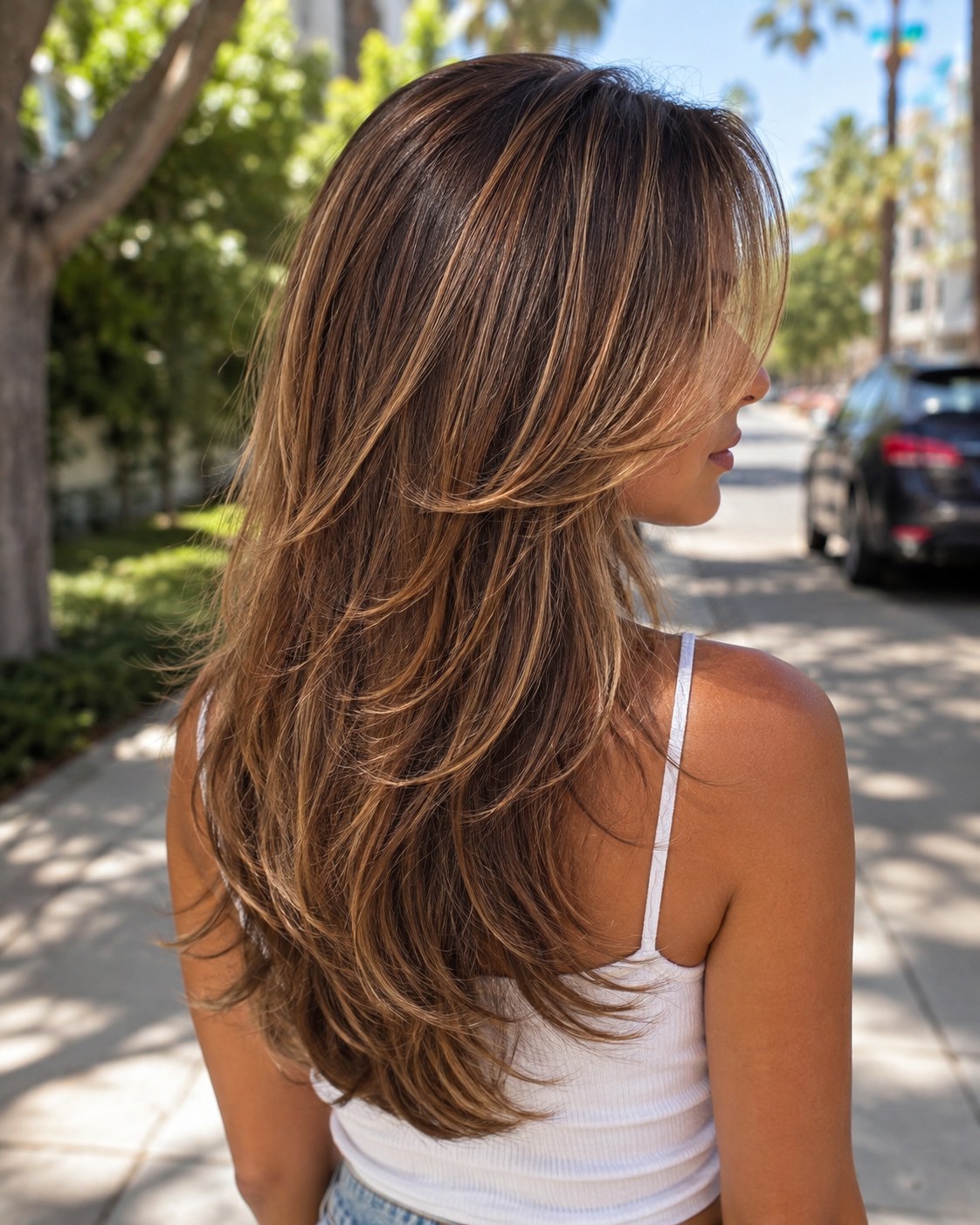
Long, layered, and lit up with balayage that's heaviest around the face and through the ends — the color is doing at least half the volume illusion here. Dimensional highlights create the appearance of more strands catching light than actually exist, a genuinely useful trick when the hair itself is fine.
The cut underneath is long layers with a face-framing piece cut shorter at the cheekbone, structurally similar to the butterfly layers earlier but with less graduation and more emphasis on color doing the visual heavy lifting.
- At the salon: ask for a money piece — a few face-framing balayage strands — rather than an all-over highlight, both cheaper and lower-maintenance to grow out.
- At home: a purple or blue-toned shampoo every third wash keeps warmth from turning brassy, which reads as thin and dull faster than color alone ever will.
None of these cuts require more hair than you have — just a stylist willing to move weight around instead of just trimming ends. Take the back-view photo with you, say the words “volume through the crown,” and let the chair do the rest.


Common Questions
What's genuinely the best haircut for thin hair that wants volume?
There's no single universal answer, but shoulder-to-collarbone lengths with layering concentrated at the crown consistently outperform longer, heavier cuts in the “still has volume by evening” test.
How often should I trim a volume-focused cut on fine hair?
Every 8 to 12 weeks. Fine hair layers grow out into weight fast, and losing the layer lines is what makes a great cut start looking flat again.
Will layers make my thin hair look even thinner?
Done well, the opposite happens — the right layers remove bulk from the middle and add shape at the edges, which reads as fuller even though the density itself hasn't changed.