Your first RV campground arrival does not need to feel like a complicated production. After years of managing event timelines, I know the secret is always the same: a realistic plan beats last-minute scrambling. These are the campground habits I would put on the clipboard before any beginner RV trip.
I have organized plenty of moving parts, and an RV campsite is no different. When you know where you are going, what you need, and what happens next, you actually get to enjoy the view instead of managing a crisis.
Choose the Right Campground for Your First RV Trip
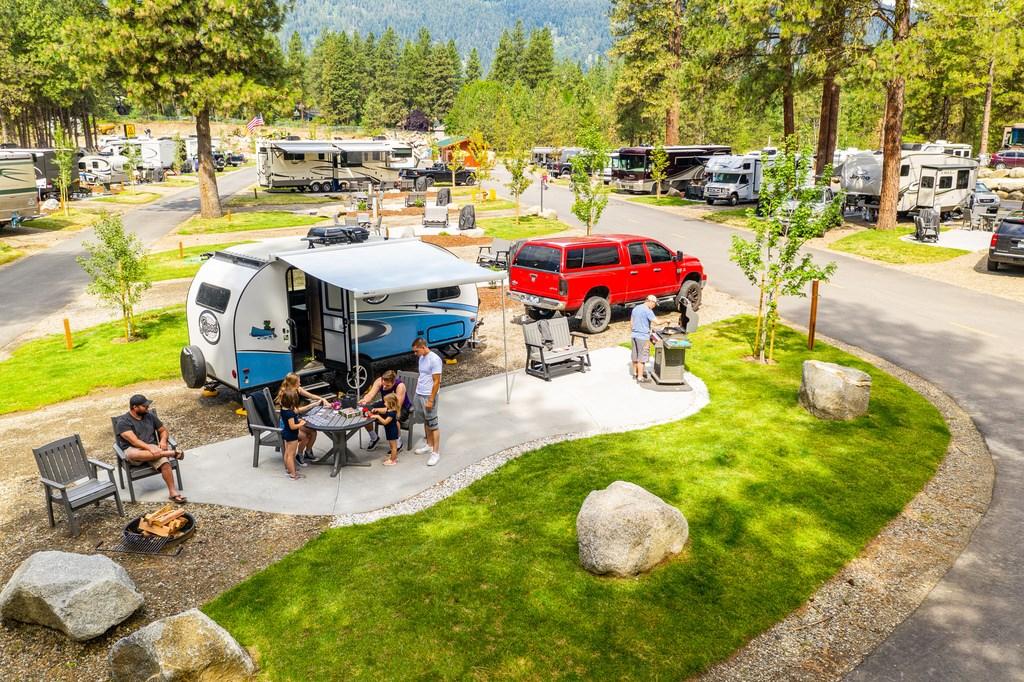
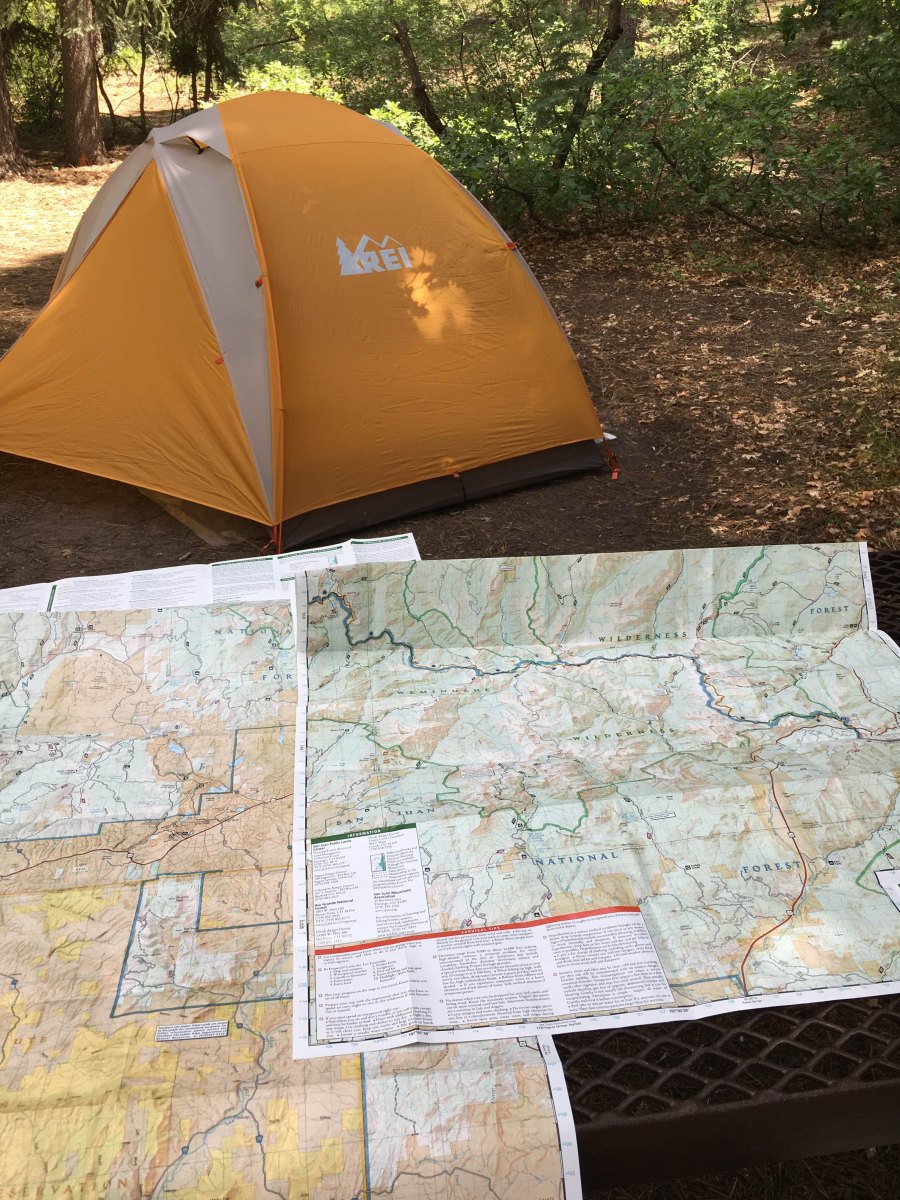
I always tell first-time hosts and travelers to start with the version of the plan that lets them breathe. For RV camping, that usually means choosing a campground with easy access and clear site details, rather than chasing the most remote location on the map. Campground listings can vary, so check what utilities, site sizes, and amenities are actually included before booking.
My first-trip campground checklist
- Look for pull-through or beginner-friendly sites.
- Confirm hookups match your RV.
- Read campground rules before arrival.
I think of your first campsite like the first course of a big family dinner: it should build confidence, not overwhelm you.
Learn Your RV Hookups Before Arriving
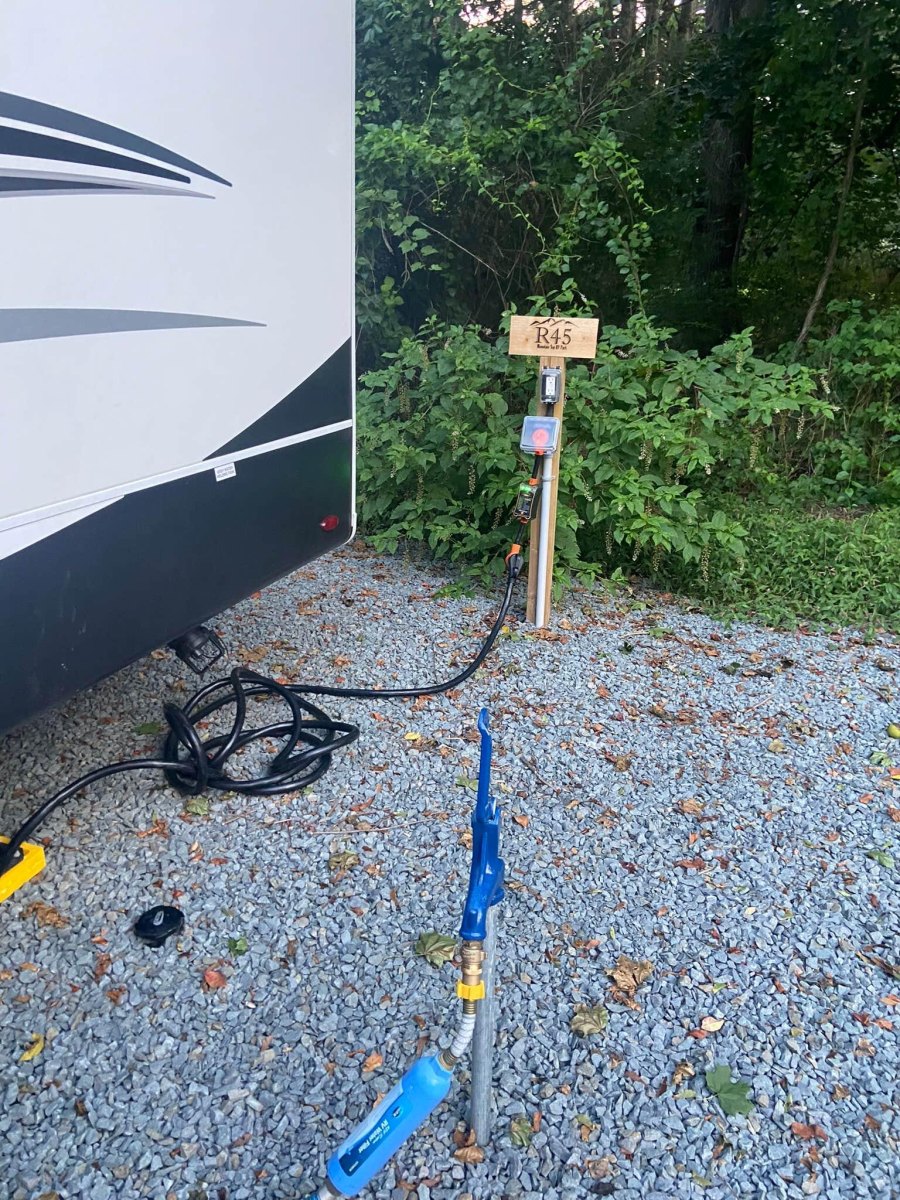
The first time you see an RV pedestal, it can look like someone left behind a puzzle. The good news is that the three basics are simple: electric, water, and sewer connections. Full-hookup sites typically provide all three, while other sites may offer only some services.
- Identify. Match the campground services to your RV needs.
- Connect. Follow your RV manual and use proper safety equipment.
- Check. Look for leaks or electrical issues before settling in.
A small tip from my planning notebook
Do a practice hookup at home if you can. Ten quiet minutes in your driveway can save a very dramatic campground arrival.
My event timelines work because nobody discovers the lighting plan while guests are walking in. RV hookups deserve the same preparation.
Practice Parking and Backing Up Safely
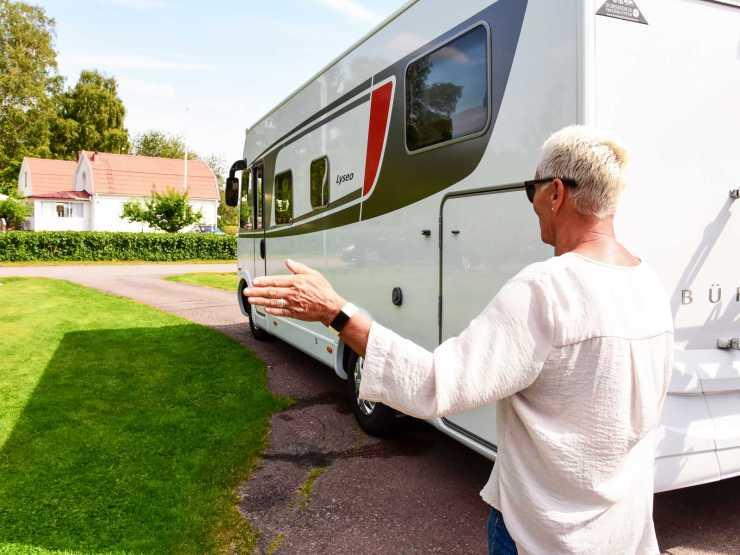
Backing an RV into a campsite is one of those skills that looks effortless after practice and completely impossible before it. I recommend treating it like setting a wedding room layout: slow movements and clear communication win every time.
- Scout first: Walk the site and notice obstacles before moving.
- Use a spotter: Agree on hand signals or communication methods.
- Go slowly: Small corrections are easier than big recoveries.
At events, I never rush a table setup because rushing creates more work later. The same is true when parking an RV.
Pack Essential Camping and RV Gear
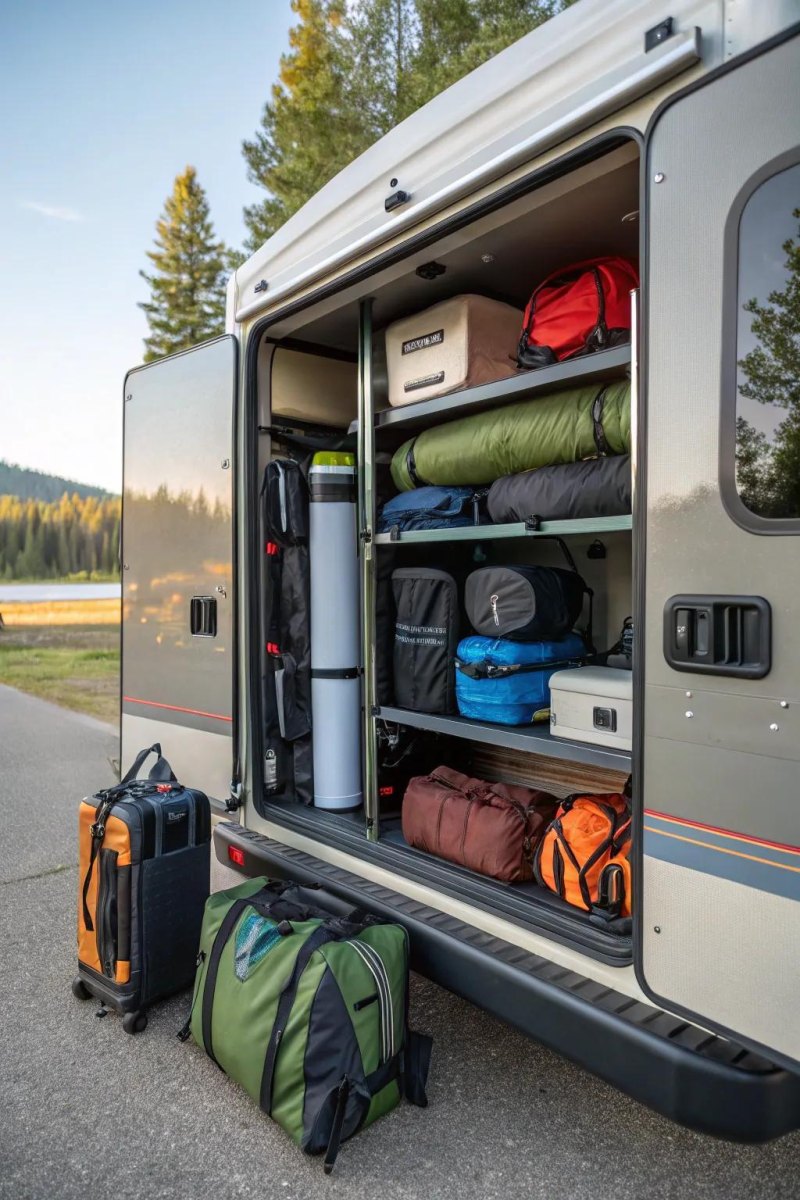
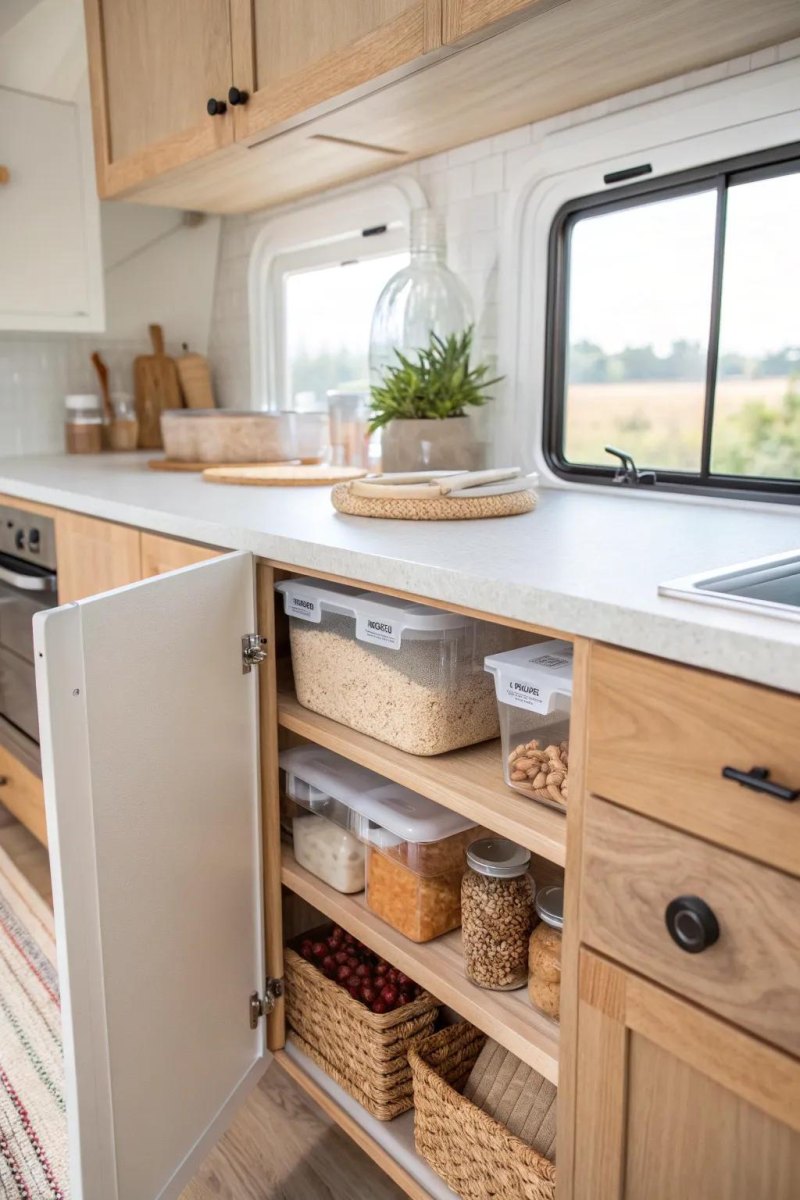
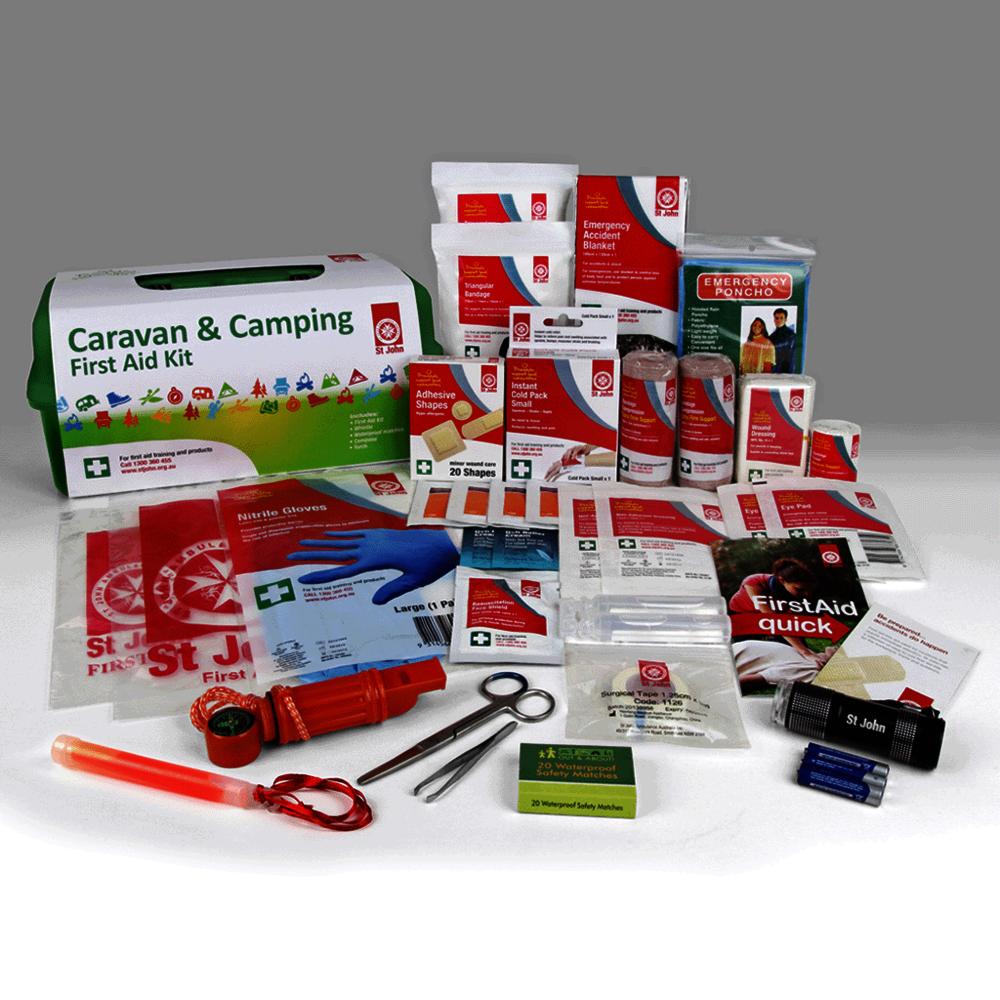
My favorite packing lists are the ones that prevent frantic searching. For a first RV trip, focus on useful everyday essentials before buying every gadget in the camping aisle. RV checklists commonly include kitchen supplies, personal items, safety equipment, and utility gear.
- Drinking-water hose and basic utility supplies
- Flashlights and a first-aid kit
- Cooking basics and storage containers
- Outdoor chairs and weather layers
The beginner mistake I see most
Buying too much before learning how you actually camp. Let your first few trips teach you what belongs in your RV.
Arrive During Daylight Hours
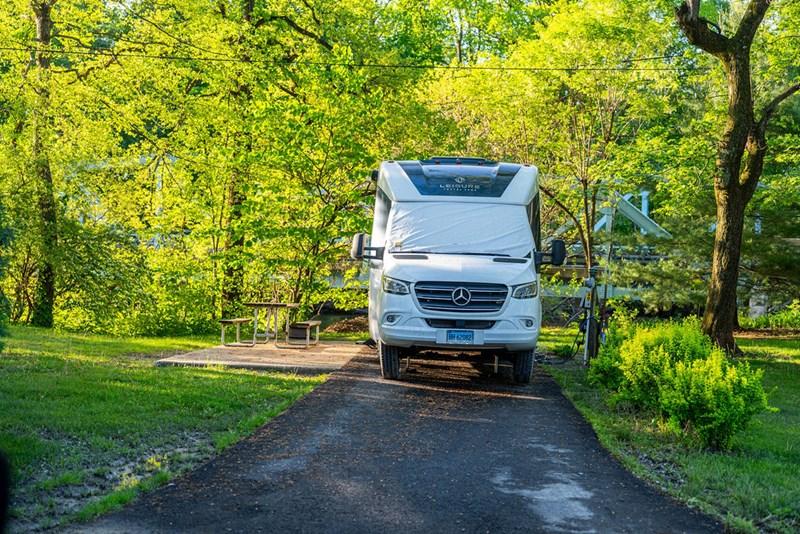
I learned during years of event work that the arrival window matters. Showing up with enough light gives you time for a calm campsite setup, a walk around the area, and any small adjustments before dinner.
My favorite beginner habit
Plan your driving so you are not learning a new campground layout after sunset. Your future self will be grateful.
An RV site has details you want to see: slope, branches, utility locations, and neighboring spaces. Daylight gives you the advantage.
Follow Campground Rules and Etiquette
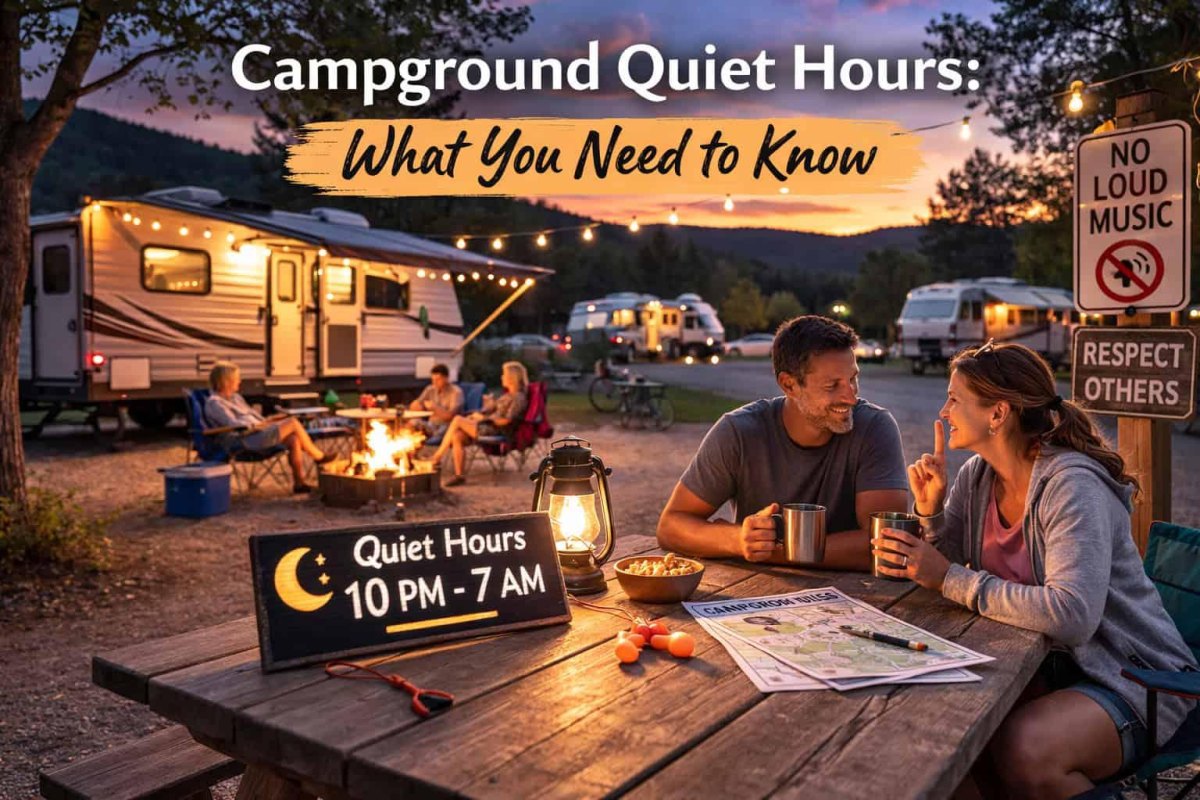
A campground is a shared space, much like a family celebration. Everyone wants a good experience, so I pay attention to quiet hours and campsite boundaries. The National Park Service recommends respecting posted quiet times, managing light, and avoiding impacts on nearby campers.
| Habit | Why it matters |
|---|---|
| Keep noise reasonable | Neighbors may have different schedules. |
| Respect site lines | Every camper needs personal space. |
| Follow pet rules | Safety and comfort come first. |
The nicest campground memories usually come from simple courtesy.
Prepare for Weather and Outdoor Conditions
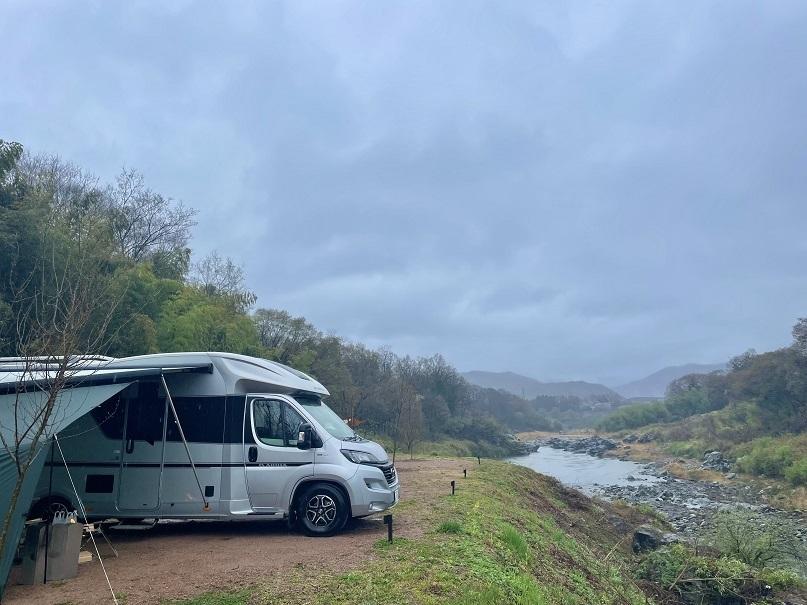
Good planners always have a backup plan. Whether I am coordinating a backyard dinner or an RV weekend, I check the conditions before arrival and prepare for changes. Flexible weather planning keeps a small inconvenience from becoming the whole story.
Prepared campers
- Pack layers and rain protection.
- Secure outdoor items before bad weather.
Unprepared campers
- Rush through campsite changes.
- Forget comfort items during weather shifts.
I keep weather decisions practical. The goal is not perfection; it is making sure everyone can still enjoy the trip.
Create a Simple Pre-Departure Checklist
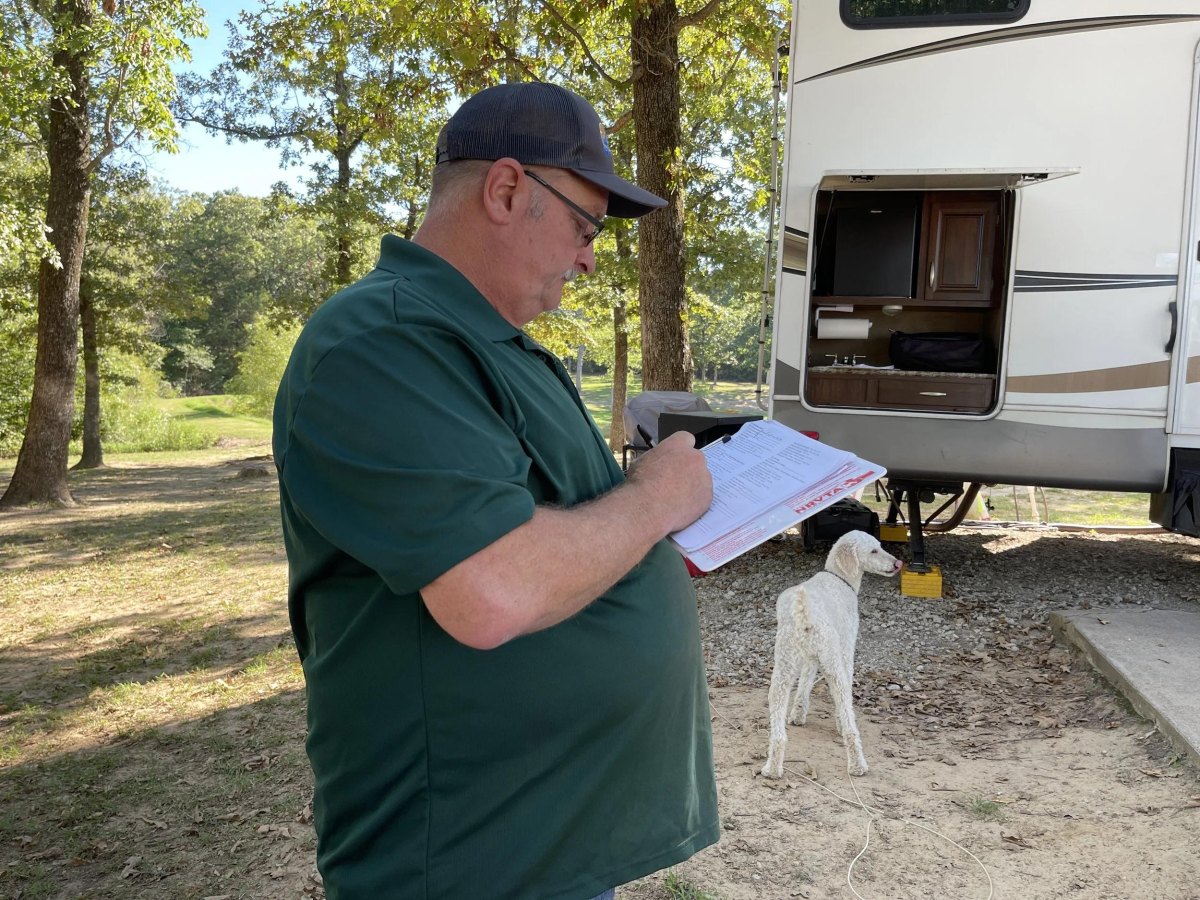
The final campground morning is where a good checklist earns its keep. Before driving away, I like a repeatable routine that covers inside and outside RV checks, because memory is not a reliable system when everyone is excited to get home.
- Disconnect utilities safely.
- Secure cabinets and loose items.
- Retract steps, awnings, and slides.
- Walk around the RV before leaving.
My best planning advice is simple: make the routine boring. Boring routines are the ones that get done every single time.